Volusia County Church Drug Bust Nets 50 Arrests in Fentanyl Trafficking Ring
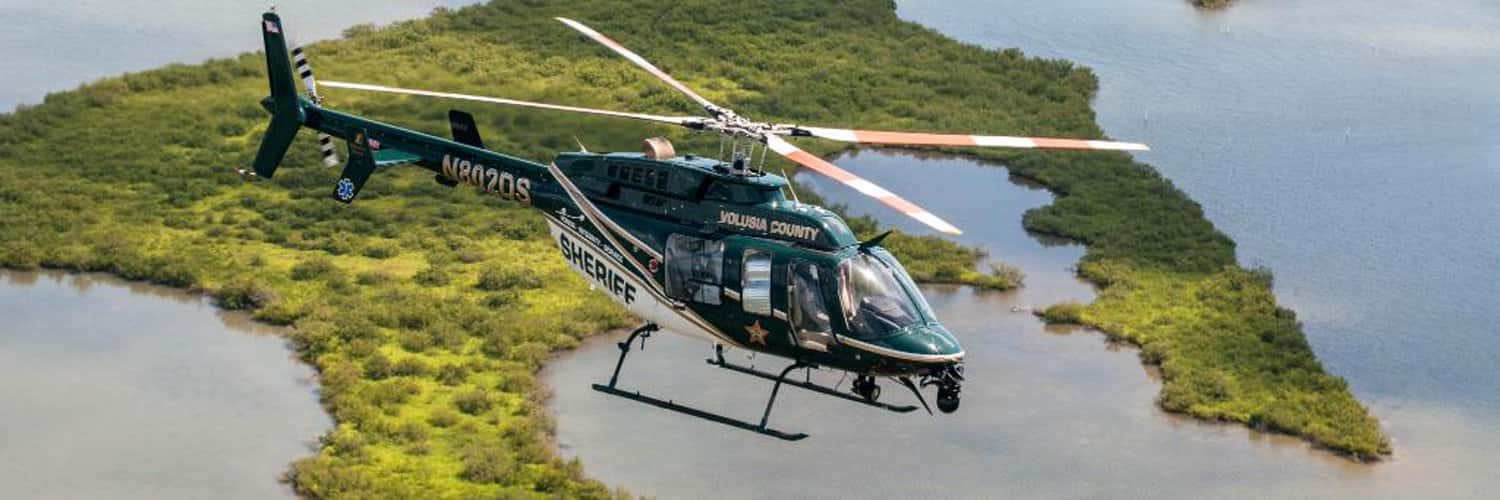
A Year-Long Investigation Ends in Roughly 50 Arrests
A year-long, multi-agency investigation led by the Volusia County Sheriff's Office culminated in a major drug bust on June 30, 2026, resulting in roughly 50 arrests and dismantling what authorities describe as a large-scale fentanyl and cocaine trafficking operation. The takedown followed months of surveillance and undercover work in the Daytona Beach area, and it marked one of the more significant narcotics enforcement actions in the county in recent memory.
According to the sheriff's office, the operation was headquartered at a property owned by Greater Harvest Ministries in Holly Hill, a small city just north of Daytona Beach along Florida's Atlantic coast. Investigators say illicit drug sales occurred around the clock at the site, continuing even during church services. The juxtaposition of worship and alleged trafficking became the defining detail of the case as officials laid out their findings.
Sheriff Mike Chitwood, who has led the agency for years and is known for his blunt public commentary, described the alleged organization as running one building dedicated to saving souls while an adjacent structure, roughly 25 feet away, was used to sell drugs. The sheriff framed the contrast starkly, saying in effect that one building was meant to save souls while the other was destroying them, according to remarks he delivered as the arrests were announced.
The scale of the enforcement action, with about 50 people taken into custody, reflected the breadth of the alleged network. Deputies and partnering agencies coordinated the arrests to move against multiple suspects at once, a tactic designed to disrupt a trafficking operation before its members can scatter or destroy evidence.
How the Probe Began
Investigators began the probe after a string of fentanyl overdose deaths in Volusia County, according to the sheriff's office. Those deaths, part of a broader wave of synthetic-opioid fatalities across Florida, prompted detectives to trace the supply back toward its source rather than focus solely on individual users.
That tracing work led detectives to the Holly Hill properties, which were placed under surveillance seven days a week for about a year. The sheriff's office says the round-the-clock monitoring documented a steady stream of activity consistent with drug sales, allowing investigators to build cases against individual suspects and to map the alleged organization's structure.
Long-term surveillance of this kind is often the backbone of trafficking prosecutions. By observing patterns over many months, investigators can distinguish occasional buyers from repeat sellers and can corroborate the accounts of informants and undercover officers. The extended timeline also gave the multi-agency team the opportunity to identify sources of supply and the flow of narcotics through the site.
The involvement of multiple agencies is typical for cases of this size. Trafficking investigations frequently pull in local, state and federal partners because the networks cross jurisdictional lines and because the resources required for surveillance, laboratory analysis and coordinated arrests exceed what a single agency can readily provide.
The Charges Suspects Face
Suspects are accused of trafficking cocaine and fentanyl, among the most serious drug charges available under Florida law. Trafficking is distinct from simple possession or sale because it is defined by the weight of the substances involved, and it carries some of the harshest penalties in the state's criminal code.
Beyond the trafficking counts, suspects are accused of selling within 1,000 feet of a public park, business or place of worship. Florida statutes impose enhanced penalties for drug sales near protected locations, a category that includes schools, parks, places of worship and certain businesses. Prosecutors said the location of the alleged sales exposed suspects to these enhancements.
Authorities also accuse suspects of using a two-way communication device to commit a felony, a charge that reflects the alleged coordination of the drug sales. Under Florida law, using a phone or radio to facilitate a felony drug offense is itself a separate crime, and it is commonly added when investigators can document communications tied to the alleged conspiracy.
During the operation, deputies recovered four firearms, according to the sheriff's office. The presence of weapons alongside narcotics is a factor prosecutors frequently cite when arguing for higher bond amounts and stiffer sentences, and it can trigger additional charges depending on the circumstances and the criminal histories of those arrested.
The Fentanyl Crisis Driving the Case
The investigation grew directly out of Florida's fentanyl overdose crisis, a public health emergency that has reshaped how law enforcement approaches narcotics cases. Fentanyl, a synthetic opioid many times more potent than heroin, has driven overdose deaths sharply higher across the state over the past several years.
Florida has recorded thousands of opioid-related deaths annually in recent years, with fentanyl and its analogs implicated in a large share of them. The drug is often mixed into other substances, including counterfeit pills and cocaine, meaning users can ingest a lethal dose without knowing fentanyl is present. That unpredictability is part of what makes the drug so deadly and so difficult to police.
In response, Florida lawmakers have toughened penalties for fentanyl trafficking and for offenses that result in overdose deaths. The state has expanded the reach of its trafficking statutes to capture smaller quantities of fentanyl, reflecting the reality that even minute amounts can be fatal. Prosecutors across Florida have increasingly pursued serious charges against those accused of supplying the drug.
Volusia County, which includes Daytona Beach and a stretch of Florida's east coast, has felt the crisis acutely. Local officials have repeatedly pointed to overdose deaths as the motivation for aggressive enforcement, and the sheriff's office framed this investigation as a direct answer to the fatalities that set it in motion.
How Florida Trafficking Laws Work
Florida's drug trafficking statutes are among the most severe in the nation, and understanding them helps explain the stakes for those arrested in the Holly Hill operation. Unlike possession or sale charges, trafficking is triggered by weight thresholds, and once those thresholds are met, the law imposes mandatory minimum prison sentences that judges generally cannot reduce.
For cocaine, trafficking charges begin at 28 grams, with escalating mandatory minimum sentences and fines as the quantity rises. Fentanyl thresholds are set far lower because the drug is so potent, meaning that relatively small amounts can expose a defendant to lengthy mandatory prison terms. These mandatory minimums are a defining feature of Florida drug law and a frequent subject of criminal justice debate.
The mandatory-minimum structure means that plea negotiations in trafficking cases often hinge on the weight prosecutors can prove and on a defendant's willingness to cooperate against others in the alleged network. Cooperation is one of the few avenues through which a defendant may seek relief from an otherwise fixed sentence, which can create pressure to provide information about suppliers and co-conspirators.
The location enhancements and the two-way communication charge add further exposure. When layered on top of trafficking counts, these additional offenses can significantly increase the total sentence a defendant faces, and they give prosecutors leverage in negotiating resolutions across a large group of co-defendants like those arrested in Volusia County.
A Church Property at the Center
The involvement of a property owned by Greater Harvest Ministries gave the case an unusual and unsettling dimension. Authorities say the alleged trafficking operated from the ministry's grounds in Holly Hill, with sales continuing even as services were held nearby. The sheriff's office emphasized the physical closeness of the two buildings, describing them as separated by only about 25 feet.
The sheriff drew a sharp moral contrast in describing the site, characterizing one building as devoted to saving souls and the other as devoted to destroying them, according to the account he provided as the arrests were announced. That framing captured public attention and underscored the sheriff's view that the alleged operation exploited a place of worship as cover.
Cases in which places of worship become entangled in criminal allegations are relatively rare, and they raise complex questions about who among a congregation or ownership structure bore responsibility. The sheriff's office focused its public statements on the alleged conduct at the site rather than on the broader religious community, and the presumption of innocence applies to every individual arrested until the cases are resolved in court.
The proximity of the alleged sales to a place of worship also carries legal weight, because Florida's location-based enhancements specifically list places of worship among the protected sites. That statutory detail meant the very setting that made the case notable to the public also increased the potential penalties for those accused of selling there.
What's Next
The roughly 50 people arrested in the June 30 operation now move into the court system, where prosecutors in Volusia County will pursue the trafficking, location-enhancement and communication-device charges outlined by the sheriff's office. Each defendant is presumed innocent, and the cases will proceed through arraignments, bond hearings, discovery and potential plea negotiations or trials.
Given the mandatory-minimum framework of Florida trafficking law, prosecutors and defense attorneys are likely to focus on the specific weights involved and on whether any defendants choose to cooperate. Large multi-defendant cases often resolve in waves, with some defendants pleading and providing testimony while others contest the charges, and the outcomes can stretch over many months.
The sheriff's office has signaled that the investigation reflects an ongoing commitment to targeting the supply side of the fentanyl crisis rather than only its users. Whether additional arrests follow, and whether the case leads investigators further up the supply chain, will become clearer as prosecutors present evidence and as the individual cases advance.
For Holly Hill and the broader Daytona Beach area, the bust represents a high-profile test of how Florida's tough trafficking laws function against an alleged operation of this size. The community, and the families affected by the overdose deaths that prompted the probe, will be watching how the courts weigh the allegations in the months ahead.
Spotted an issue with this article?
Have something to say about this story?
Write us a letterComments
No comments yet. Be the first to weigh in.
Related Coverage
DNA From ICE Arrest Leads to Charges in 2012 LaBelle Rape and Kidnapping of 14-Year-Old Girl
1h ago

Two Spring Hill men indicted in 2018 home invasion killing of young father in Hernando County
20h ago
Operation Cooked: Undercover Osceola Sting Nets At Least 20 Arrests of Men Accused of Seeking Sex With Children
22h ago

Federal Jury Convicts Three Naples Men in $30,000 Murder-for-Hire Plot Targeting a Man Whose Brother Wanted Him Dead
1d ago