Florida Baseball's Season Hangs on Winner-Take-All Rematch With Troy in Gainesville Regional
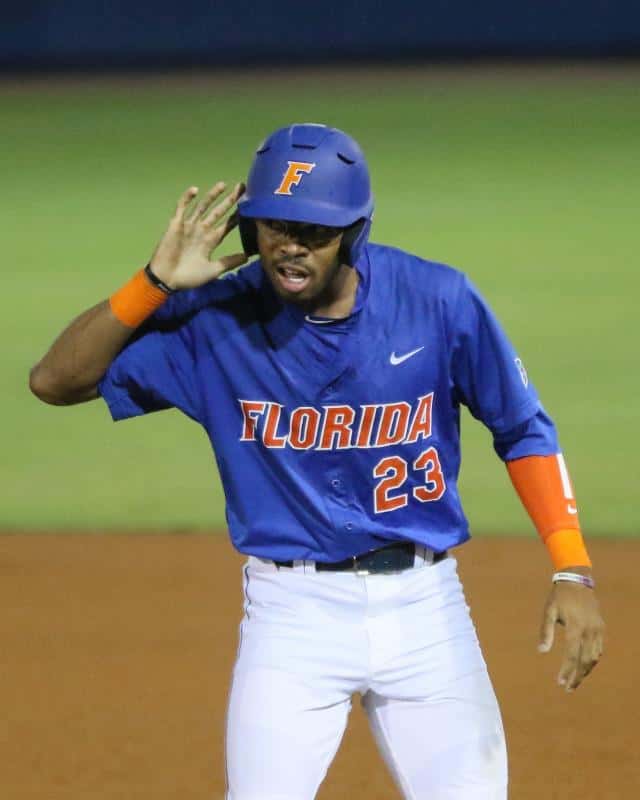
The Florida Gators baseball team finds its season on the brink, forced into a winner-take-all rematch against Troy in the Gainesville Regional after the Trojans pulled off a stunning comeback to extend the tournament. The No. 8 national seed, which entered the regional as a heavy favorite hosting on its home field, must beat Troy once more to avoid one of the most surprising early exits of the 2026 NCAA Tournament and to punch its ticket to the Super Regionals.
The path to this decisive game was anything but smooth for Florida, whose pitching faltered badly at the worst possible time. After dominating earlier in the regional, including a record-setting offensive explosion, the Gators stumbled into a do-or-die scenario against an opponent that has shown it can hang runs on Florida's staff. The winner advances; the loser goes home.
How Florida got here
Florida's regional began in emphatic fashion. In one tournament game, the Gators blasted seven home runs, setting a program record for home runs in an NCAA Tournament contest and including a remarkable five-homer eighth inning, en route to a lopsided victory over in-state rival Miami. That kind of offensive display reinforced Florida's status as a national seed and a team capable of overpowering opponents.
But the regional turned. Troy, refusing to fold, handed Florida a 16-11 loss in which the Gators' pitching was battered, surrendering 17 hits and 16 runs, the most ever scored against Florida by a team in the program's history against an SEC opponent benchmark. Troy's offense erupted, including a nine-run inning that blew the game open, exposing the vulnerability that has put Florida's season in jeopardy.
That loss forced the winner-take-all final, a single game to decide which team advances to the Super Regionals. For a top-eight national seed hosting its own regional, being pushed to a decisive game by Troy represents a significant scare and a reminder that seeding offers no guarantees once the tournament begins.
The pitching problem
Florida's predicament traces directly to its pitching, which has been unable to contain Troy's bats. Allowing 16 runs and 17 hits in a single elimination-stage game is a glaring breakdown, and it forced the Gators to churn through multiple arms in a futile effort to stem the bleeding during Troy's decisive nine-run inning. Walks compounded the damage, with runs handed over without the ball even being put in play.
For a team to advance, it must be able to record outs in high-leverage moments, and Florida's inability to do so against Troy is the central concern heading into the decisive game. The Gators have the offensive firepower to win shootouts, as the seven-homer game demonstrated, but relying on the bats to consistently outscore an opponent that is teeing off is a precarious strategy in a single-elimination format.
The question for Florida is whether its coaching staff can find enough effective innings from its pitching to give the offense a chance. In a winner-take-all game, pitching depth and the ability to limit big innings often prove decisive, and that is precisely where the Gators have struggled. How they manage their staff in the rematch could determine their season.
The Florida context
College baseball holds a significant place in Florida's sports landscape, with multiple programs that regularly contend nationally. Florida is one of the sport's traditional powers, and a deep postseason run is an annual expectation in Gainesville. An early exit at the hands of Troy would be a disappointment measured against that standard and against the team's status as a national seed.
The regional also featured the end of another Florida program's season, as Miami was eliminated, while Florida State hosted its own regional in Tallahassee, underscoring how well represented the state is in the NCAA Tournament. The concentration of strong programs makes the postseason a high-stakes period for Florida baseball fans, who follow multiple teams' fortunes simultaneously.
For the Gainesville community and the broader Gators fan base, the elimination game carries real weight. Hosting a regional is both an honor and a pressure-filled opportunity, and the prospect of bowing out at home against an unseeded opponent adds urgency. The atmosphere for a winner-take-all game on Florida's home field promises intensity befitting the stakes.
What it means for the Gators
The immediate stake is survival and advancement. A win sends Florida to the Super Regionals, two wins away from the College World Series, keeping alive the kind of championship aspirations expected of a national seed. A loss ends the season abruptly and turns a promising campaign into a cautionary tale about the unforgiving nature of tournament baseball.
Beyond the single game, the outcome shapes the narrative of Florida's season. A team that recovers from the brink to advance demonstrates resilience and validates its seeding, while one that falls at home to Troy faces an offseason of questions, particularly about the pitching that betrayed it at the decisive moment. The margin between those two outcomes is a single game.
For Troy, the opportunity is the inverse: a chance to author a major upset and reach the Super Regionals at the expense of a top national seed on its home field. The Trojans have already proven they belong by forcing the decisive game, and they enter the rematch with nothing to lose and momentum on their side after their explosive offensive showing.
How the NCAA Tournament is structured
The NCAA baseball tournament is designed to test teams through a series of escalating rounds, and its structure helps explain how a national seed can find itself on the brink. The tournament opens with regionals, four-team, double-elimination brackets hosted at sites around the country, with the strongest teams awarded the right to host. Winning a regional requires a team to navigate the double-elimination format, in which a single loss does not end a season but two losses do.
That double-elimination format is precisely what put Florida in its current position. After dropping a game to Troy, the Gators were forced into a winner-take-all final, the decisive game that determines which team emerges from the regional. The format rewards consistency and depth, since teams must win multiple games against quality opponents, and it can punish a team whose pitching falters at the wrong moment, as Florida's has.
Teams that survive their regionals advance to the Super Regionals, best-of-three series that pair regional winners and determine which eight teams reach the College World Series in Omaha. The Super Regional round is another significant hurdle, requiring a team to win two of three games against a fellow regional champion. For Florida, reaching that round is the immediate goal, but only if it can first dispatch Troy in the decisive regional game.
The structure means that seeding, while it confers advantages like hosting rights and a presumed easier path, guarantees nothing once games begin. National seeds are favored, but the tournament is full of examples of higher seeds falling to determined underdogs, particularly in the volatile double-elimination regional format. Florida's predicament is a reminder that in tournament baseball, reputation yields to results on the field.
The broader picture for Florida college baseball
Florida is one of several state programs that regularly populate the NCAA Tournament, reflecting the depth of college baseball talent in a state with year-round playing weather and a strong amateur pipeline. The presence of multiple Florida teams in the tournament, including Florida State hosting its own regional, underscores the state's status as a hotbed for the sport and gives fans across Florida a stake in the postseason.
The state's warm climate and deep youth baseball culture have long made it fertile ground for developing players, and its college programs benefit from both homegrown talent and the ability to recruit players who want to compete in a baseball-rich environment. That foundation is part of why Florida programs are perennial contenders and why expectations in places like Gainesville run so high each postseason.
For the Gators specifically, the program's history and resources create an expectation of deep tournament runs that makes an early exit especially disappointing. A loss to Troy would not erase the program's standing, but it would represent a missed opportunity for a team that earned a national seed and the right to host. The stakes of the decisive game are magnified by those expectations.
The drama of the Gainesville Regional also speaks to the unique appeal of college baseball's postseason, where the double-elimination format produces twists that a single-elimination bracket cannot. Teams must summon resilience across multiple games in a compressed window, managing pitching staffs that are stretched thin and riding the emotional swings of wins and losses in quick succession. For Florida, that means finding a way to regroup after a deflating loss and deliver its best baseball when the season is on the line.
Home-field advantage adds another dimension. Hosting a regional means playing in front of a supportive crowd, a benefit that national seeds earn through their regular-season performance. But it also raises the stakes of a potential elimination, since bowing out at home magnifies the disappointment. Florida will look to convert the energy of its home crowd into the kind of performance that extends its season rather than ending it on its own field.
What's next
The winner-take-all final will decide which team advances to the Super Regional round of the NCAA Tournament. For Florida, everything hinges on whether the Gators can find the pitching to contain Troy and pair it with the offensive production they have already shown. The result will either extend a season with championship potential or end it with a jarring upset.
However it unfolds, the game stands as a test of Florida's resilience and a showcase of the drama that defines tournament baseball, where seeding and reputation yield to the simple reality of a single elimination game. The Gators have the talent to advance; whether they can correct the pitching problems that put them in this position will determine if their season continues toward Omaha or ends in Gainesville.
Spotted an issue with this article?
Have something to say about this story?
Write us a letterComments
No comments yet. Be the first to weigh in.
Related Coverage

C.J. Hicks' Record 96-Yard Fumble Return Sparks USF's 29-2 Homecoming Win Over Kent State
2h ago
Rays vs. Brewers World Series Preview: Schedule, Tickets and a Guaranteed First-Time Champion
19h ago

Magic Open Sean Sweeney Era Against Hawks at Kia Center With Franz Wagner's Shoulder in Question
22h ago

Heat Open Season vs. Timberwolves as Giannis Antetokounmpo Makes Miami Debut and LaMelo Ball Starts in Minnesota
1d ago