Florida Bids for NASA's New U.S. Space Academy With UCF Interim Campus and 1,000-Acre Kennedy Space Center Site
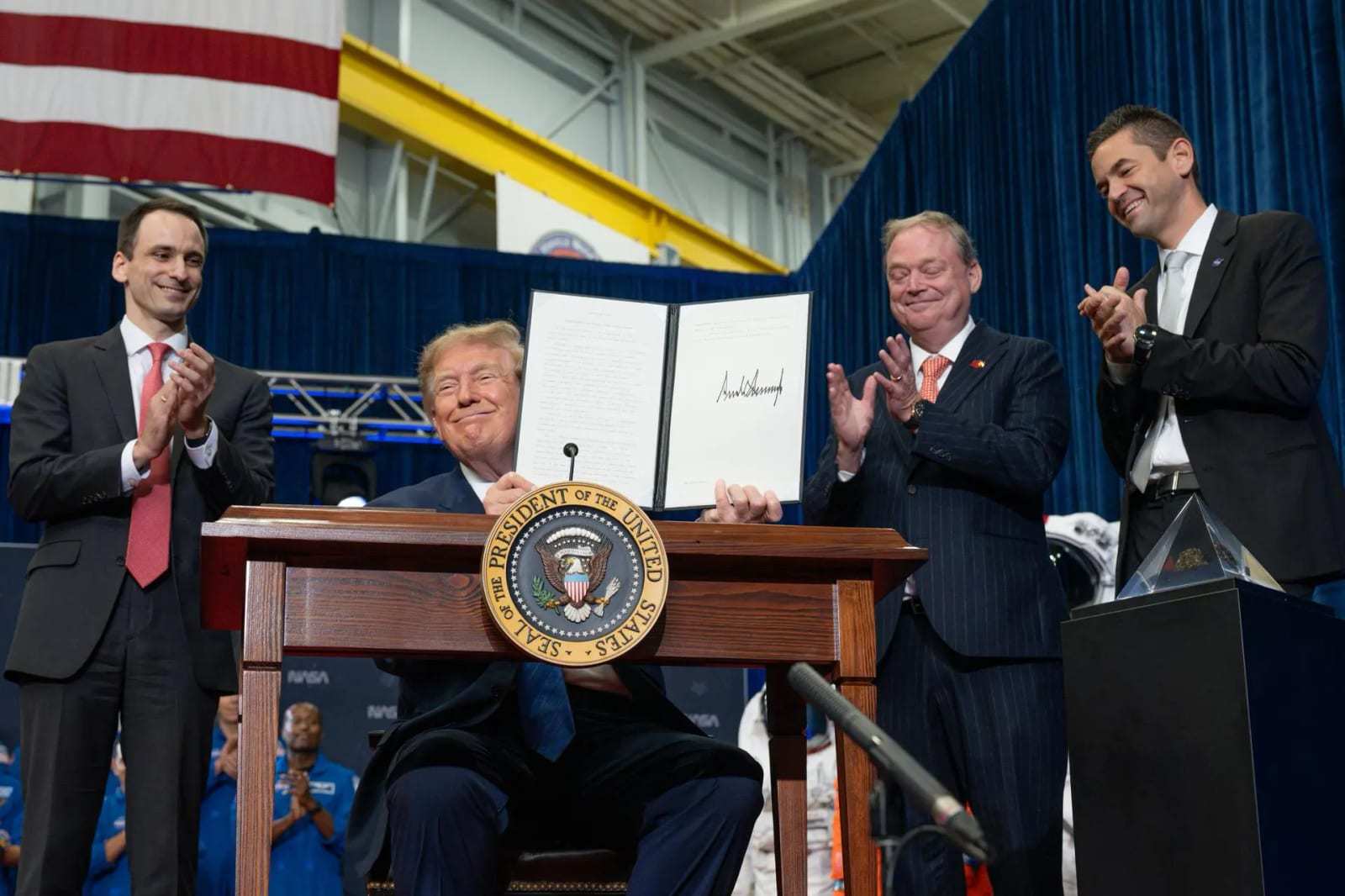
Florida has formally entered the race to host the U.S. Space Academy, the NASA-led federal academy President Donald Trump ordered planned this summer. Space Florida, the state's aerospace finance and development agency, announced on Tuesday, Nov. 17, that it had submitted the state's official proposal. Under the plan, the first 300 students would start in fall 2028 at an interim campus at the University of Central Florida, then move to a permanent 1,000-acre campus at Kennedy Space Center by 2031. Florida is one of 15 states competing for the academy, and NASA's timeline calls for a site to be chosen and ground broken in 2027.
For Central Florida and the Space Coast, the stakes go beyond prestige. A service-style academy would bring a permanent student body, faculty, construction and federal spending to Brevard County and the Orlando area. It would also tie the region's universities more closely to NASA's workforce pipeline.
What the U.S. Space Academy is
The academy began with an executive order Trump signed on Aug. 28, 2026. According to a White House fact sheet, the order created a Presidential Commission on the United States Space Academy, chaired by the NASA administrator, to design a proposed NASA-led federal academy that would combine technical education with leadership development and public service. NASA Administrator Jared Isaacman chairs the commission.
Many of the academy's basic terms are still undecided. The fact sheet says the commission will make recommendations on graduates' service obligations, applicant prerequisites and a process for selecting a permanent location. The order gave the commission 120 days to develop its recommendations. News coverage of the order has described the academy as a new pipeline of leaders for NASA and the Space Force, modeled loosely on the nation's military service academies. No legislation has created the academy so far. Florida's U.S. Sen. Ashley Moody said in September that she planned to file a bill to bring the academy to Florida, and News 6 in Orlando reported that she would introduce it when the Senate returned to session.
How NASA is choosing a site
NASA opened the competition after the commission's first meeting on Sept. 9. The agency issued a request for information inviting each state to submit one official response, coordinated through the governor or a designee. According to NASA's announcement, responses were originally due Oct. 26, and the agency extended the deadline into mid-November to give states more time.
NASA said it wants information on location, site readiness, environmental and regulatory considerations, and the supporting ecosystem near each proposed campus. The request set three milestones that shaped every state's pitch:
| Milestone | NASA target |
|---|---|
| Groundbreaking | No later than 2027 |
| Temporary hosting of first class | 300 students in 2028 |
| Permanent campus operating | By 2031 |
NASA Deputy Administrator Matt Anderson said states should show the infrastructure, partnerships and community to compete with other elite institutions. NASA has said it plans to pick a site and begin construction next year, but it has not announced a date for the decision.
Florida's two-phase plan
According to a Nov. 17 release from the Florida Department of Transportation, the state's proposal has two phases.
In the first, UCF would host the academy's inaugural class of 300 students beginning in fall 2028. WESH 2 reported that the academy would operate as a distinct college within the university. Embry-Riddle Aeronautical University in Daytona Beach and the Space University Research Consortium would support the interim campus.
In the second phase, the academy would move to a permanent campus on 1,000 acres of NASA-owned land at Kennedy Space Center. State officials say NASA could make the land available by amending Space Florida's existing property agreement for the Launch and Landing Facility, the former Space Shuttle runway that Space Florida operates. The state targets groundbreaking in 2027 and a campus for at least 1,200 students by fall 2031. FOX 13 reported the campus is designed to expand to as many as 4,000 students.
Florida's main selling point is money already spent. Space Florida says the state has invested more than $680 million in space transportation infrastructure, much of it at or near the proposed site. The proposal lists several ways to pay for the campus, including the FDOT State Work Program, Space Florida's Spaceport Improvement Program, lease-purchase agreements, ground leases and public-private partnerships. The state says Space Florida used a similar model to return the former Shuttle Landing Facility to service, and the application argues the approach can reduce upfront federal costs.
Who is backing the bid
The bid has broad support from Florida's political leadership. In the FDOT release, Gov. Ron DeSantis said, "The new Space Academy belongs in Florida." Moody used nearly identical words, and Gov.-elect Byron Donalds said, "Florida is where America goes to win the space race."
Florida Senate President-designate Jim Boyd and House Speaker-designate Sam Garrison backed the proposal in a joint letter on behalf of the Legislature. U.S. Rep. Mike Haridopolos, whose district includes the Space Coast, state Sen. Debbie Mayfield and state Rep. Brian Hodgers of Brevard County also endorsed it, as did Space Florida board chair Jeanette Nuñez, UCF President Alexander N. Cartwright and Embry-Riddle President P. Barry Butler.
Space Florida President and CEO Rob Long said Florida has spent years building the financing tools, university partnerships and operating capability to stand up an institution like this, and that the readiness would let the state move quickly. Space Florida has argued it can launch the academy faster and at lower cost than rival states.
Moody has also been campaigning publicly. Speaking to FOX 13, she pointed to a 500% increase in Florida launches over the past decade and said, "Florida leads among any other state, hands down. It's not even close." She said she expects pilot programs to begin before formal construction and urged Floridians to contact the administration and NASA in support of the bid.
The competition
Florida faces 14 other states, according to WUWF: Alabama, Arizona, California, Colorado, Indiana, Louisiana, Maryland, Nevada, Ohio, Pennsylvania, Tennessee, Texas, Virginia and West Virginia. Three are seen as the strongest rivals:
- Alabama is pitching Huntsville, home of NASA's Marshall Space Flight Center and Space Camp.
- Texas is highlighting NASA's Johnson Space Center in Houston, where American astronauts train.
- Pennsylvania has offered nearly $300 million toward a campus near Pittsburgh International Airport.
Other states are offering large sites. Colorado has proposed a permanent campus in Colorado Springs that it projects would cost $8.2 billion, and Nevada has proposed sites in both the northern and southern parts of the state. Commentators have often named Florida, Texas and Alabama as front-runners. Each of those three already has a major NASA center.
What it would mean for Central Florida
The plan would make UCF the academy's first home for at least three years, a role that could draw faculty, research money and national attention to its Orlando campus. Moving to Kennedy Space Center would put a residential campus next to the busiest launch site in the country, where students could train near NASA, Cape Canaveral Space Force Station and commercial launch companies. Supporters say that front-row seat to launches is something no other state can match.
The Space Coast has long tried to turn its launch activity into lasting jobs and institutions. A campus for 1,200 or more students would add a steady, year-round population and long-term construction work in Brevard County. The full economic effect depends on decisions the commission has not yet made, including the academy's size, staffing and federal budget.
What's next
The presidential commission's 120-day window to deliver its recommendations closes in late December. Those recommendations are expected to cover how the academy will operate and how its permanent home should be chosen. NASA has said it intends to select a site and break ground in 2027, with the first class of students arriving in 2028. Until then, Florida's bid joins a crowded field, and its backers are counting on the state's existing launch infrastructure, university partners and early financing to set it apart.
Spotted an issue with this article?
Have something to say about this story?
Write us a letterComments
No comments yet. Be the first to weigh in.
Related Coverage

Ecuadorian Fishermen Sue Trump Administration Over March Drone Strike, the First Survivor Challenge to a Boat Campaign Run From Doral
1h ago

Class Action Targets Florida's SNAP Ban on Soda and Candy, One of 18 State Waivers Challenged in Federal Court
1h ago

148 sick in illness outbreak on Caribbean Princess cruise from Fort Lauderdale, CDC says
3h ago

What Drove the Spike in Early Social Security Claims, and What It Means for Florida's 5.3 Million Beneficiaries
18h ago