Florida Coasts Stay Clear of Red Tide as Lake Okeechobee Strategy Is Tested
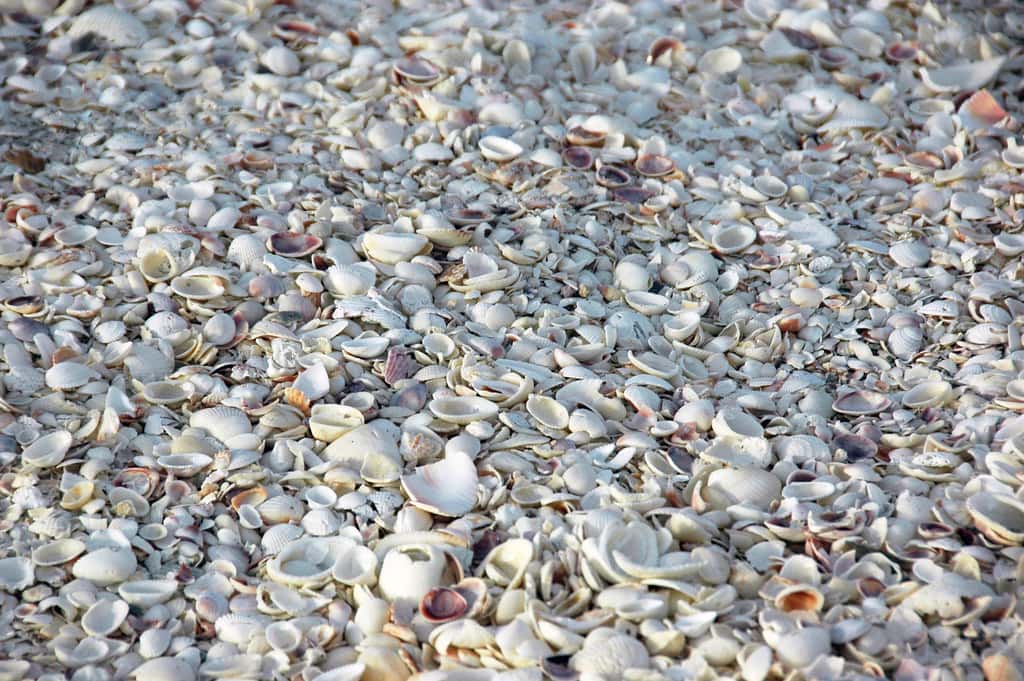
Florida's coastal waters have stayed clear of red tide through recent weekly sampling, with state monitoring finding the organism absent from samples collected statewide and no reports of red tide related respiratory irritation. The clean readings arrive in the middle of Florida's wet season, when nutrient-laden runoff and Lake Okeechobee water management decisions are at their most consequential.
Red tide in Florida is caused by Karenia brevis, a naturally occurring marine alga found most commonly in the Gulf. Blooms produce brevetoxins that kill fish, sicken marine mammals including manatees and dolphins, and cause respiratory irritation in people along affected shorelines.
A red tide-free summer has direct economic value. Blooms have previously closed beaches, canceled fishing charters, emptied waterfront restaurants, and required municipal cleanup of fish kills along the Gulf Coast from Pinellas County south through Lee and Collier counties.
What the monitoring shows
The Florida Fish and Wildlife Conservation Commission's Fish and Wildlife Research Institute conducts routine red tide sampling and publishes weekly status updates. Those updates report concentrations by county and note whether respiratory irritation has been reported at monitored beaches.
Recent updates have reported red tide not observed in samples collected statewide, with no respiratory irritation suspected to be related to red tide reported over the sampling periods. That is a meaningful change from years when summer and fall blooms persisted for months along the southwest coast.
Sampling is not continuous everywhere, and conditions can change quickly. Blooms typically initiate offshore, often 10 to 40 miles out, and are then transported shoreward by winds and currents. Absence in nearshore samples does not rule out offshore development.
Residents and visitors can check current conditions through FWC's red tide status page and through beach condition reporting systems that provide daily observations at monitored Gulf beaches during bloom periods.
The Lake Okeechobee connection
Lake Okeechobee sits at the center of South Florida's water management system. The lake is contained by the Herbert Hoover Dike, and the U.S. Army Corps of Engineers manages lake levels for flood control, water supply, navigation, and ecological purposes.
When lake levels rise during the wet season, the Corps has historically released water east through the St. Lucie Canal to the St. Lucie Estuary and west through the Caloosahatchee River to the estuary near Fort Myers. Those discharges carry nutrients and, during lake bloom conditions, cyanobacteria into coastal estuaries.
The nutrient loading from discharges does not cause red tide, which originates offshore, but scientists have documented that nutrient inputs can intensify and prolong blooms once they reach nearshore waters. Blue-green algae blooms in the estuaries are a separate and more directly discharge-linked problem.
The Corps adopted a revised operating manual for the lake, known as LOSOM, which took effect in 2024. It was designed to reduce harmful discharges to the northern estuaries and send more water south through the Everglades system, where it is filtered through treatment areas before moving toward Florida Bay.
Everglades restoration progress
Sending more water south depends on infrastructure that has been under construction for years. The Comprehensive Everglades Restoration Plan, authorized by Congress in 2000, is a multi-decade federal and state partnership involving dozens of individual projects.
Among the largest is the Everglades Agricultural Area Reservoir, designed to store water south of the lake and release it through a stormwater treatment area before it enters the Everglades. Storage capacity south of the lake is the constraint that has historically forced discharges east and west.
The state has also worked on stormwater treatment areas, which are constructed wetlands that remove phosphorus from water before it enters the Everglades. Phosphorus loading from agricultural and urban runoff has been the central water quality issue in the system for decades.
Progress has been incremental and expensive. Florida has appropriated substantial state funding for Everglades restoration across recent budget cycles, matched by federal appropriations through the Army Corps, and project completion timelines extend well into the next decade.
What it means for Florida communities
Gulf Coast tourism economies have the most direct stake. Sarasota, Manatee, Lee, Collier, and Pinellas counties depend heavily on beach tourism, and red tide events during peak season have produced measurable declines in lodging revenue and restaurant activity.
Commercial and recreational fishing are similarly exposed. Fish kills during severe blooms have affected stocks and closed shellfish harvesting areas, and charter operators lose bookings during events. Shellfish harvesting closures are managed by the Florida Department of Agriculture and Consumer Services.
Public health effects are generally short-term for most people, consisting of coughing, sneezing, and eye irritation that resolve after leaving the beach area. People with asthma, chronic lung disease, or other respiratory conditions can experience more serious symptoms and are advised to avoid affected beaches.
Manatees are among the most affected wildlife. Brevetoxins can cause seizures in manatees that lead to drowning, and severe bloom years have contributed to elevated manatee mortality. Florida's manatee population has faced separate pressure from seagrass loss in the Indian River Lagoon on the Atlantic side.
The variables ahead
Wet season conditions run through October in South Florida, and lake levels typically rise through that period. The Corps makes discharge decisions based on lake stage, forecast rainfall, dike condition, and ecological considerations under the LOSOM framework.
Tropical systems are the wildcard. A hurricane or tropical storm crossing the peninsula can add substantial volume to the lake in a short period, which can force discharges regardless of the operating preference. Forecasters currently expect a below-normal Atlantic season, though that provides no guarantee for any specific basin.
Offshore conditions govern red tide initiation. Karenia brevis blooms begin in offshore waters and are influenced by ocean circulation, upwelling, and nutrient availability from natural sources, which makes them difficult to predict more than a few weeks out.
Research funding has continued through the Florida Red Tide Mitigation and Technology Development Initiative, a partnership between FWC and Mote Marine Laboratory established by the Legislature to develop bloom control and mitigation approaches.
What blue-green algae is and why it differs
Blue-green algae, more accurately cyanobacteria, is a distinct problem from red tide. Cyanobacteria blooms occur in fresh water, including Lake Okeechobee and the canals and rivers connected to it, while red tide is a marine phenomenon originating in the Gulf.
Cyanobacteria blooms can produce microcystin and other toxins that pose risks to people and animals through contact, inhalation, or ingestion. The Florida Department of Environmental Protection samples and issues health alerts when toxin levels exceed thresholds.
The nutrient drivers are more directly traceable for cyanobacteria than for red tide. Phosphorus and nitrogen loading from agricultural runoff, urban stormwater, and septic systems feed lake blooms, and those inputs are the target of Basin Management Action Plans developed under state law.
Severe lake blooms coinciding with discharge events produced the most damaging episodes of recent years, when toxic material moved through the Caloosahatchee and St. Lucie systems into coastal communities. Avoiding that alignment is a central objective of the revised lake operating manual.
Septic systems and water quality policy
Florida has hundreds of thousands of septic systems, many in areas that were rural when built and have since developed. Conventional septic systems remove pathogens effectively but do relatively little to remove nitrogen, which migrates into groundwater and surface water.
The Legislature has moved responsibility for septic system oversight from the Department of Health to the Department of Environmental Protection and has funded conversion projects that connect septic properties to central sewer in priority basins.
Those conversions are expensive and slow. Costs run into the tens of thousands of dollars per property when infrastructure must be extended, and local governments have used a mix of state grants, utility revenue, and assessments to fund them.
The Indian River Lagoon on Florida's Atlantic coast has been a focal point for that work. Nutrient loading there contributed to seagrass loss that in turn contributed to elevated manatee mortality, connecting wastewater policy directly to wildlife outcomes.
Research and mitigation efforts
The Florida Red Tide Mitigation and Technology Development Initiative, established by the Legislature as a partnership between the Fish and Wildlife Conservation Commission and Mote Marine Laboratory in Sarasota, funds research into bloom control and mitigation technologies.
Approaches under investigation have included clay flocculation, which binds algal cells and settles them out of the water column, along with ozone treatment systems for enclosed canals and biological control methods. Each carries tradeoffs regarding scale, cost, and ecological side effects.
Detection and forecasting have improved alongside mitigation research. Satellite imagery, autonomous underwater gliders, and coordinated sampling networks give managers earlier warning of offshore blooms moving toward the coast than was available a decade ago.
Public communication tools have also expanded. Beach condition reporting systems provide daily observations at monitored Gulf beaches, allowing residents and visitors to check conditions at a specific location rather than relying on county-level summaries.
Local governments along the Gulf Coast maintain their own response plans for bloom events, including beach cleanup contracts, public notification systems, and coordination with county health departments. Those plans were developed after severe episodes overwhelmed routine municipal capacity.
Funding for cleanup has come through a mix of local budgets and state grant programs established after major events. The costs of removing fish kills from beaches and waterways during a sustained bloom can run into millions of dollars for a single county.
What's next
FWC will continue issuing weekly red tide status updates through the remainder of the season. Those reports are the authoritative source for current conditions and are published alongside county-level sample maps.
The Army Corps will continue managing lake releases under LOSOM through the wet season, with decisions announced through periodic operational updates. Estuary advocates on both coasts monitor those announcements closely.
Everglades restoration construction continues, with the reservoir project and associated treatment infrastructure representing the largest capacity additions. Completion of southern storage remains the structural fix for the discharge problem.
For now, Florida's beaches are clear, which is not a small thing in a summer when the state's tourism economy has already been showing signs of softness.
Spotted an issue with this article?
Have something to say about this story?
Write us a letterComments
No comments yet. Be the first to weigh in.
Related Coverage
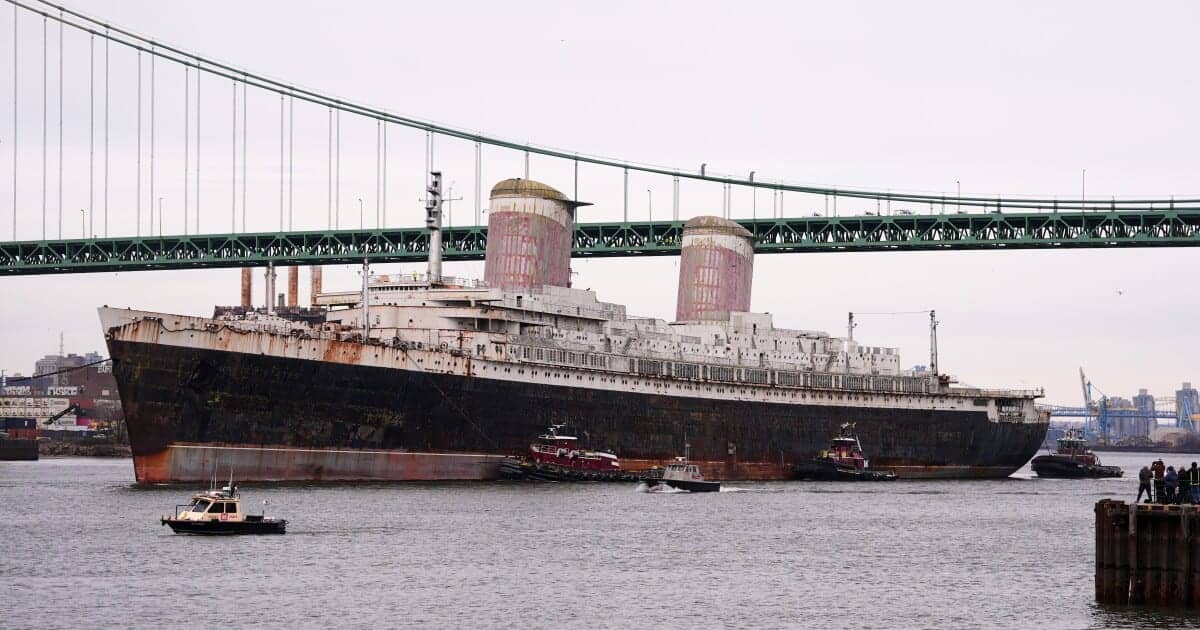
Okaloosa County Sets Nov. 12 Sinking of the SS United States off Destin to Create the World's Largest Artificial Reef
2h ago
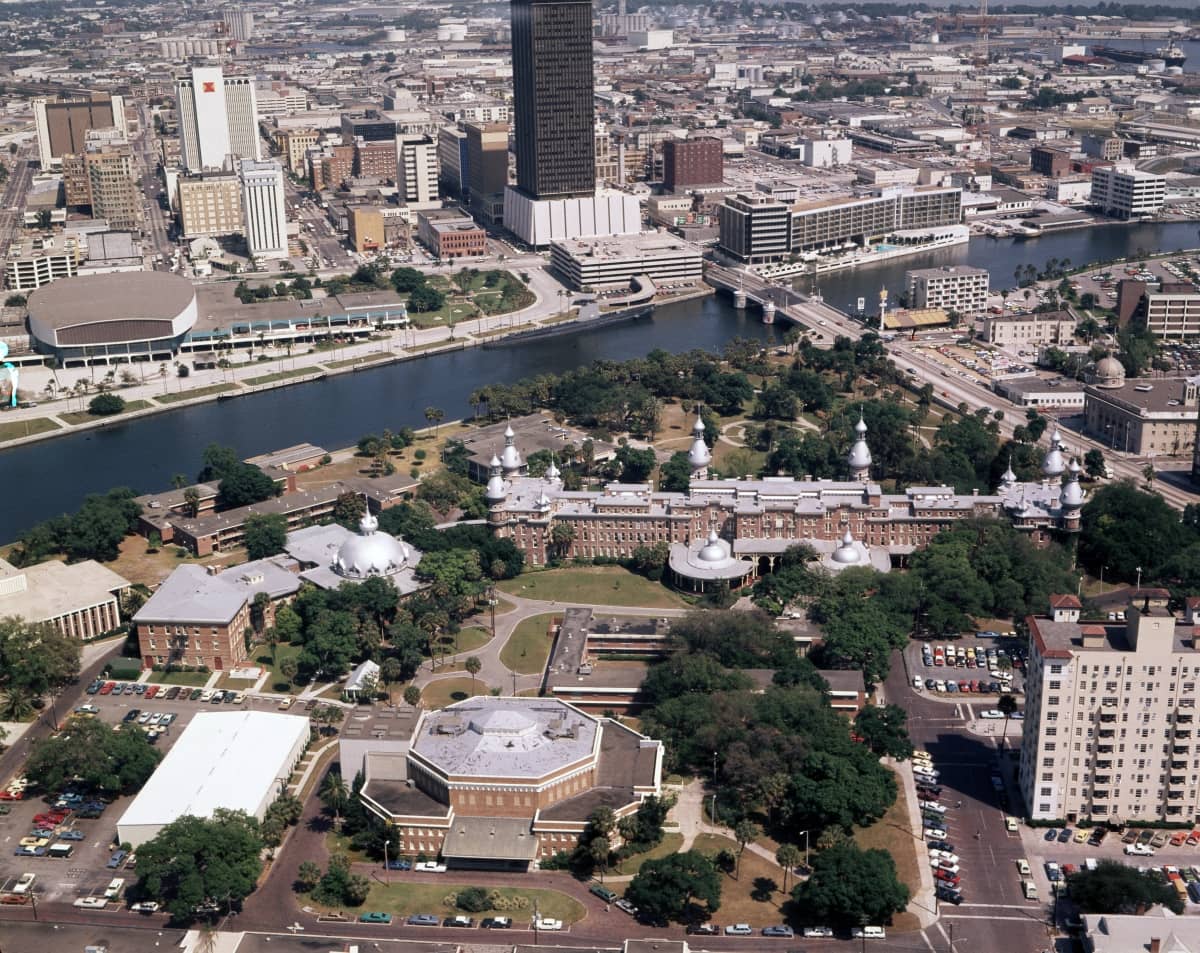
PFAS 'Forever Chemicals' Found in About 96% of Florida Waterways Tested, Including the Hillsborough River, as New Tampa Bay Study Maps Hot Spots
1d ago

Naples Beach Renourishment Begins as Trucks Haul 208,000 Tons of Sand to 3.5 Miles of Shoreline
1d ago

Deep Gulf life has collapsed since Deepwater Horizon and shows no sign of recovery, Florida-led study finds
4d ago