Florida Expands Guardian Program to College Campuses Under New Law Signed by DeSantis
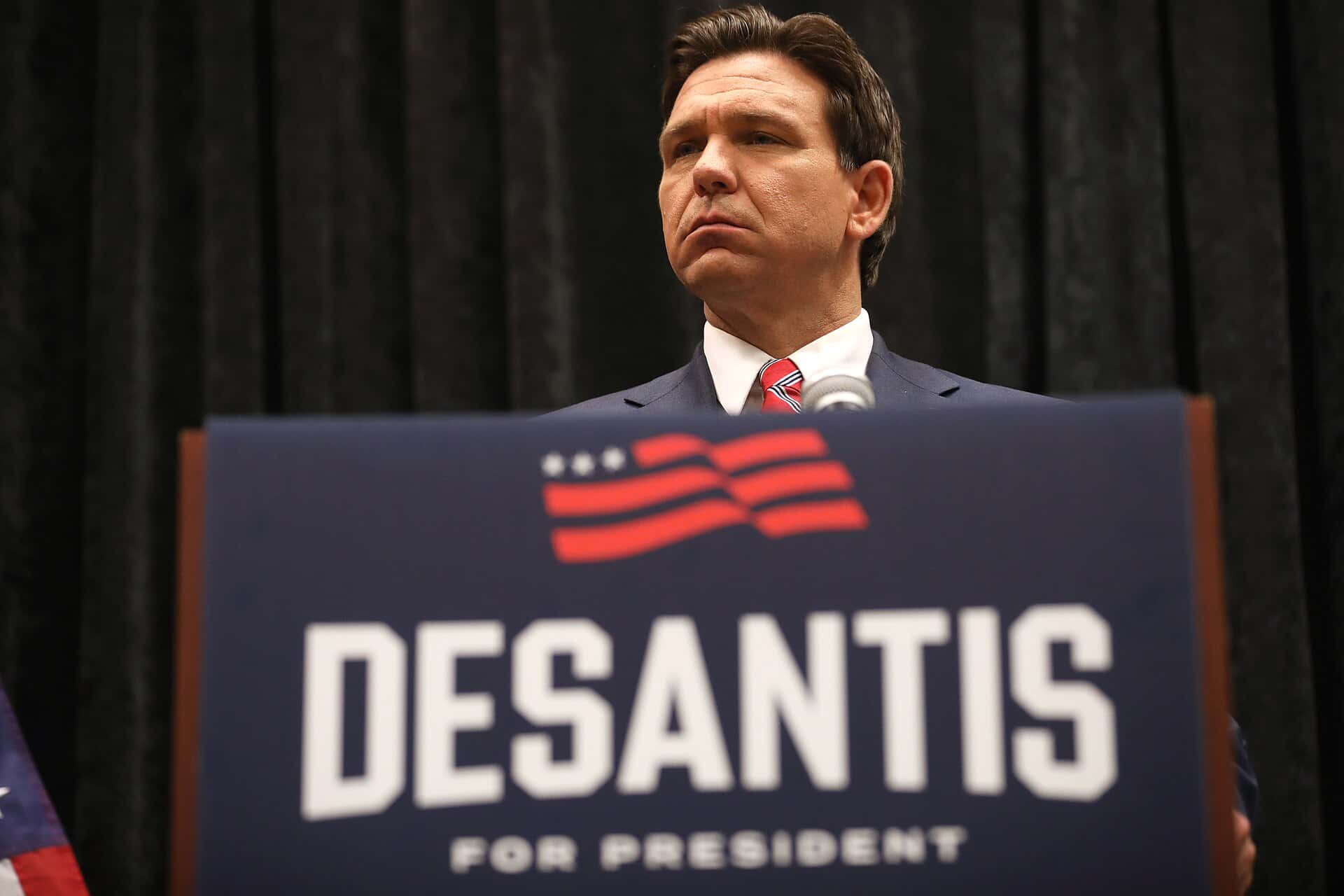
Florida Governor Ron DeSantis signed House Bill 757 into law on May 15, 2026, during the 5th Annual Commissioner's Summit on School Safety and Security held in Miami, expanding the state's school guardian program to include public colleges and universities. The legislation marks one of the most significant extensions of Florida's campus security framework since the guardian program was created following the 2018 Marjory Stoneman Douglas High School shooting in Parkland.
What the New Law Does
House Bill 757 authorizes public colleges and universities to designate trained, armed staff members as guardians on their campuses. Previously, the guardian program applied exclusively to K-12 public school districts, allowing school boards that chose to participate to arm screened and trained employees, typically teachers or other non-instructional staff, as an additional layer of security alongside law enforcement.
Under the expanded law, public higher education institutions may now adopt their own guardian programs subject to the same rigorous training and background check requirements that apply at the K-12 level. Participating guardians must complete a minimum of 144 hours of training including instruction in firearm safety, use of force, defensive tactics, trauma care, and mental health crisis intervention. They must also pass psychological evaluations and undergo a full criminal background check before being certified.
The law does not require colleges or universities to create guardian programs. The decision remains at the institutional level, allowing each college or university board of trustees to determine whether the program fits its specific campus security needs and culture.
Background on the Guardian Program
Florida's school guardian program was established through the Marjory Stoneman Douglas High School Public Safety Act, signed into law in 2018 following the shooting that killed seventeen students and staff members. The program was designed as a supplement to law enforcement, providing an immediate armed response capability on campuses where dedicated school resource officers are not always present.
Since its creation, participation in the guardian program has grown steadily. According to the Florida Department of Education, more than 40 school districts across the state currently operate active guardian programs. Rural districts in particular have embraced the program as a way to provide armed campus security without the cost of hiring full-time sworn officers for every campus.
Supporters of the program have pointed to the program's training standards as evidence of its rigor, noting that guardians undergo more training hours than some law enforcement recruits in certain states. Critics, including some education unions and gun control advocates, have maintained that arming teachers and staff creates risks rather than reducing them, and that the resources dedicated to guardian programs would be better spent on school resource officers or mental health counselors.
The Signing Ceremony Context
Governor DeSantis chose the Commissioner's Summit on School Safety and Security as the venue for signing HB 757, an event that annually convenes school security administrators, law enforcement officials, and education leaders from across Florida. The summit's focus on proactive campus security practices aligned with the message the governor sought to send with the bill signing.
Florida Education Commissioner Manny Diaz Jr. was among the officials present at the signing. The Department of Education has been responsible for administering the guardian program since its inception, including overseeing the training standards, the certification process, and the reporting requirements that school districts must meet each year.
The governor's remarks at the signing emphasized the state's commitment to making every educational campus safe, extending what he described as a proven model from K-12 schools to the college level. He cited the training requirements and the voluntary nature of the program as evidence that it provides a responsible and effective additional layer of protection.
Reaction and Debate
Supporters of HB 757 in the Florida Legislature argued that colleges and universities face their own active shooter and security risks and that the K-12 guardian framework should logically extend to higher education. Proponents noted that college campuses, which often cover large geographic areas and host thousands of students, faculty, and staff, can have gaps in law enforcement coverage that a guardian program can help fill.
Critics of the expansion raised concerns similar to those expressed about the K-12 program. Some faculty governance groups at Florida's public universities expressed reservations about the presence of armed non-law-enforcement personnel in academic settings, arguing that it could create an atmosphere of tension inconsistent with the open exchange of ideas that universities are designed to foster.
Several student advocacy organizations in Florida issued statements shortly after the signing expressing concern about the implications for campus culture and calling on university boards of trustees to carefully weigh the evidence before adopting guardian programs. The organizations noted that no specific evidence of a security gap at Florida's public colleges was cited during the legislative debate over the bill.
Comparison With Other States
Florida is not the first state to extend school guardian or armed staff programs to higher education campuses. Several other states, particularly in the South and Midwest, have adopted similar policies in recent years. Advocates point to these examples as evidence that college campuses can implement such programs without significant incidents.
The debate in Florida mirrors a broader national conversation about campus security following a series of mass shootings at educational institutions over the past two decades. Strategies that have gained traction nationally include increased investment in physical security infrastructure, enhanced behavioral threat assessment programs, partnerships between campus security and local law enforcement, and, in a smaller subset of states, armed staff or guardian programs.
Florida's guardian program has been studied by other states as a potential model, with its detailed training requirements and mandatory certification standards cited as elements that set it apart from some other armed staff proposals that have included fewer training hours or less rigorous screening.
Implementation Timeline
The law took effect upon the governor's signature on May 15, 2026, though the practical implementation process will unfold over a longer period. Public colleges and universities that wish to adopt guardian programs will need to develop their institutional policies, identify and screen candidates, arrange for the required training curriculum, and establish the administrative oversight structures required by the statute.
The Florida Department of Education and the Florida College System are expected to release additional guidance for institutions that choose to implement the program. The State University System, which oversees Florida's twelve public universities, will separately consider how the new law applies to its member institutions and what role the Board of Governors may play in establishing any uniform guidelines.
What is Next
Public college and university trustees across Florida will now evaluate whether to adopt guardian programs under the new law. The decision will likely vary significantly across the state's 28 public colleges and twelve public universities, reflecting differences in campus size, geography, existing security resources, institutional culture, and local community perspectives.
The Florida Department of Education is expected to update its guardian program guidance and training materials to address the expanded scope. Advocates on both sides of the debate have indicated they will monitor closely which institutions choose to adopt the program and how implementation proceeds in the early months following enactment.
The legislation stands as one of several school and campus safety measures signed by Governor DeSantis during the spring 2026 bill-signing period, reflecting the state's continued emphasis on security infrastructure across all levels of Florida's educational system.
Spotted an issue with this article?
Have something to say about this story?
Write us a letterComments
No comments yet. Be the first to weigh in.
Related Coverage

Lt. Gov. Jay Collins Says Florida Will Cover School Funding Lost as Immigration Crackdown Shrinks Enrollment
6h ago

Broward School Board Weighs Next Round of Closures as Empty Seats Reach 61,000
8h ago

Boy dies after 120-pound display board falls on him at Palm Bay's Riviera Elementary
1d ago
Pinellas pulls Sexton Elementary from closure list as six schools face Oct. 13 vote
2d ago