Florida Gas Prices Tumble as Iran Ceasefire Talks Ease Oil Markets
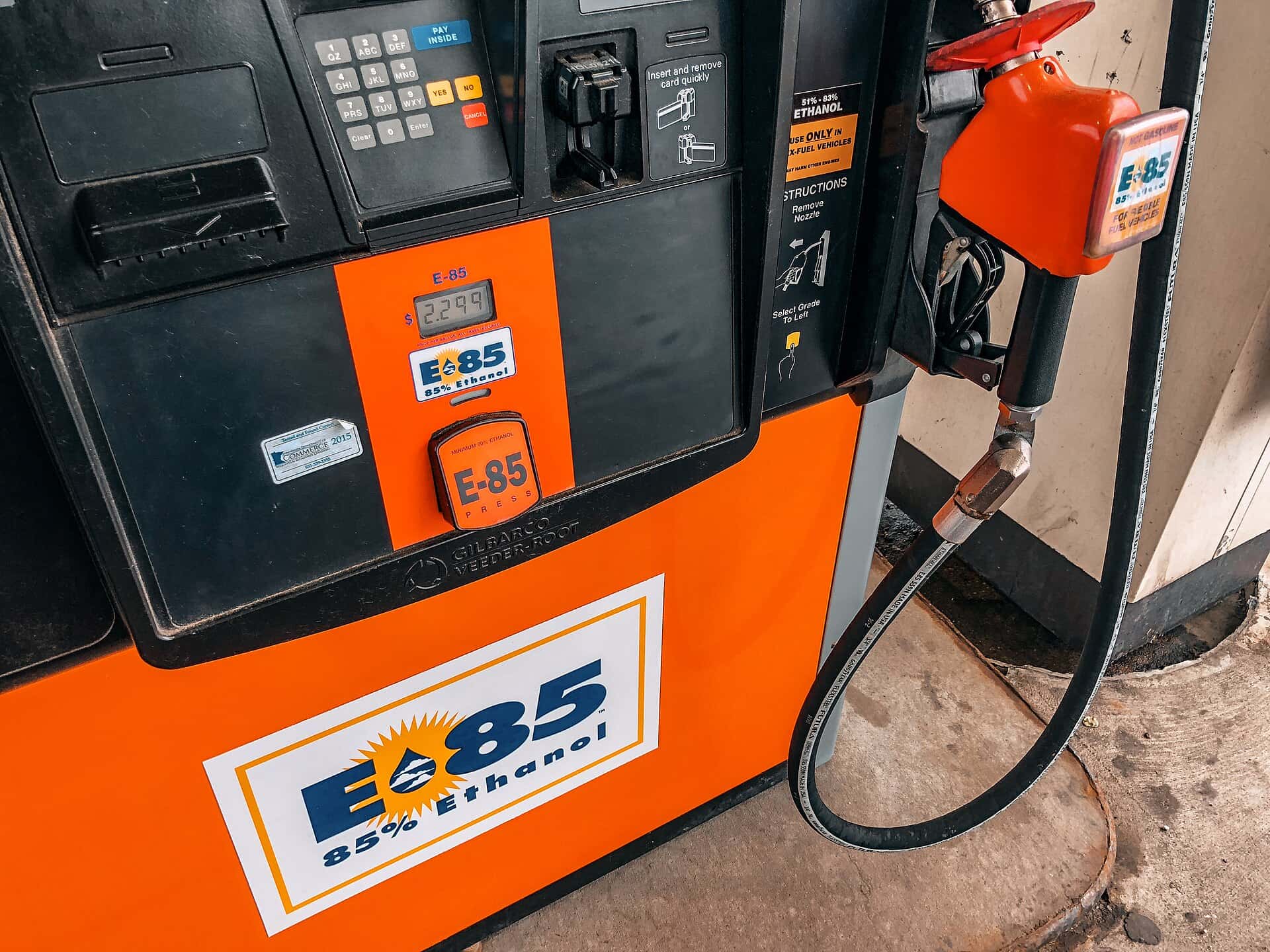
Relief is arriving at Florida gas pumps as oil markets calm amid progress toward a ceasefire in the conflict with Iran. The state's average price for a gallon of regular gasoline recently fell to around $4.04, down roughly 31 cents from a week earlier, offering a measure of respite for Florida drivers who have endured months of elevated fuel costs.
The decline tracks a broader easing in energy markets as the United States and Iran move toward a possible deal to extend a ceasefire. But analysts caution that the relief could prove fragile, warning that prices may spike again if negotiations falter and tensions over a critical shipping passage reignite.
How prices got so high
The current relief follows a dramatic run-up in fuel costs tied to conflict in the Middle East. Earlier in the year, after the United States and Israel launched strikes on Iranian targets in late February, Iran responded by attacking tankers transporting oil through the Strait of Hormuz, a vital passageway for global oil supplies. The disruption of that chokepoint sent prices soaring.
The scale of the increase was steep. Before the late-February escalation, Florida's average price stood at roughly $2.90 a gallon, with the national average near $2.98. The conflict and the threat to the Strait of Hormuz drove prices up significantly in the months that followed, squeezing household budgets across the state and the country.
For Florida, a state where driving is woven into daily life and where tourism depends on travelers reaching its attractions, the surge in fuel costs carried broad economic implications. High gas prices ripple through everything from family budgets to the cost of goods transported across the state's highways.
Why prices are easing now
The recent decline reflects optimism in oil markets as the United States and Iran inch toward a tentative ceasefire agreement. Gasoline prices have followed oil prices lower, with crude trending generally downward since mid-May as the prospect of de-escalation reduced the risk premium that had been built into energy markets.
Nationally, the average price for regular recently sat around $4.39 a gallon, down 16 cents over the prior week, with analysts noting the national average had reached its lowest level in more than a month. Florida's drop has been even more pronounced, bringing the state's average comfortably below the national figure.
Energy analysts attribute the movement directly to the diplomatic progress. As the threat to the Strait of Hormuz recedes with the prospect of a deal, the market has priced in a lower likelihood of supply disruption, allowing prices to fall. The trend has been a welcome development for consumers heading into the summer travel season.
A fragile relief
The central caveat is that the price relief hinges on diplomacy that remains unresolved. Analysts have warned that if a deal with Iran is not solidified soon enough to keep the Strait of Hormuz open, prices could once again spike. The market's recent calm reflects expectations of a deal, not a guarantee of one.
That uncertainty leaves Florida drivers in a precarious position. The same geopolitical dynamics that drove prices up could reverse the recent gains if negotiations break down. The trajectory of fuel costs over the coming weeks will depend heavily on whether the ceasefire holds and is extended.
The episode underscores how exposed Florida consumers are to events far beyond the state's borders. A shipping lane in the Persian Gulf and the outcome of high-level negotiations directly shape what Floridians pay at the pump, illustrating the global forces that influence local prices.
What it means for Floridians
For Florida families, the falling prices offer immediate budget relief, particularly meaningful in a state where long commutes and car-dependent communities make fuel a significant household expense. Lower prices free up money for other needs and ease one source of financial pressure.
The timing matters for the summer travel season. Florida's tourism economy benefits when driving is more affordable, both for in-state residents taking road trips and for visitors from neighboring states who reach Florida by car. Lower fuel costs can support travel spending that ripples through the state's hospitality sector.
At the same time, Floridians have reason for caution. The warnings from analysts about a potential spike mean drivers should not assume the relief is permanent. The fragility of the situation suggests that fuel costs could remain volatile as long as the underlying geopolitical tensions persist.
Why Florida is especially exposed to fuel prices
Florida's geography and development patterns make the state particularly sensitive to swings in fuel prices. Sprawling metropolitan areas, long commutes, and limited public transit options in many communities mean that residents rely heavily on personal vehicles for daily life. When prices rise, the burden falls broadly across households that have few alternatives to driving.
The state also lacks its own significant oil production and refining capacity, leaving it dependent on fuel shipped in from elsewhere. That reliance can make Florida prices responsive to supply dynamics and logistics, and it removes the buffer that some other states derive from local production. The result is a market closely tied to national and global trends.
Tourism, a pillar of Florida's economy, adds another dimension to the state's fuel-price sensitivity. Many visitors arrive by car from neighboring states, and high fuel costs can dampen that travel, affecting the hospitality businesses that depend on it. The summer travel season makes the timing of price swings especially consequential for the tourism sector.
The combination of car dependence, reliance on imported fuel, and a tourism-driven economy means that fuel prices reverberate widely through Florida. That exposure explains why developments in distant oil markets and geopolitical hotspots command attention from Florida households and businesses alike.
The broader inflation picture
The fluctuations in gas prices are part of a larger inflation story that has shaped the economic experience of Floridians. The energy-price shock stemming from the Middle East conflict contributed to elevated inflation readings, with the surge in fuel costs feeding into broader price pressures across the economy. The recent easing of gas prices could help moderate that picture if it holds.
Inflation affects Floridians in numerous ways beyond the pump, from grocery bills to the cost of services. Energy prices play an outsized role because they influence the cost of transporting goods and producing many products, meaning that fuel-price relief can ripple through to other expenses over time. The connection makes the trajectory of gas prices relevant to the overall cost of living.
The inflation dynamics also tie into monetary policy, as elevated prices have factored into the Federal Reserve's decisions to keep interest rates high. Those rates, in turn, affect mortgages and other borrowing costs that weigh heavily on Florida households, illustrating how interconnected the various economic pressures have become.
For Floridians managing their budgets, the easing of gas prices offers a modest reprieve within a broader environment of elevated costs. Whether that reprieve marks the beginning of a sustained improvement or a temporary dip depends on the resolution of the geopolitical tensions and the path of inflation in the months ahead.
What's next
The path of gas prices will follow the diplomacy. A solidified, extended ceasefire that keeps the Strait of Hormuz open would likely allow prices to stabilize or fall further, while a breakdown in talks could quickly reverse the recent declines and send prices climbing again.
Florida drivers can expect continued volatility until the situation resolves more definitively. Energy analysts will be watching the negotiations closely, and the daily averages tracked by motoring groups will reflect the market's read on the odds of a lasting deal.
For now, Floridians are enjoying a welcome break at the pump, with the state average well off its conflict-driven highs. Whether that relief endures depends on developments thousands of miles away, a reminder of how tightly Florida's everyday costs are bound to the wider world.
Drivers can take some practical steps to manage the uncertainty, from monitoring local prices through fuel-tracking apps to timing fill-ups when prices dip. While individual choices cannot offset large market swings, they can help households stretch their budgets during a period of volatility. The broader lesson is that fuel costs in Florida are likely to remain unsettled until the geopolitical picture clarifies.
The episode also illustrates the limits of any single policy response to fuel prices. Proposals floated at the national level to address high prices during the conflict, such as suspending fuel taxes, reflect the political pressure that elevated costs generate. Yet the fundamental driver of recent swings has been the conflict and its effect on global oil supplies, underscoring that the most consequential factor for Florida drivers is the trajectory of events in the Middle East. As the ceasefire negotiations proceed, Floridians will be watching not just the headlines from abroad but the numbers on the signs at their neighborhood gas stations.
The relief at the pump, even if temporary, arrives at a meaningful time for many households contending with elevated costs across their budgets. For commuters, families planning summer trips, and businesses that depend on transportation, every drop in the price of fuel translates into tangible savings. The challenge is that the relief rests on a foundation that could shift quickly, leaving Floridians to balance the welcome news of lower prices against the awareness that the situation remains fluid. As the summer progresses, the trajectory of fuel costs will serve as a barometer of the broader geopolitical situation, a daily reminder on display at gas stations across the state of how closely Florida's everyday economic life is tied to events unfolding on the other side of the world.
For the moment, the direction is favorable, and Florida drivers can welcome the lower prices as a genuine, if potentially fleeting, improvement. The hope across the state is that the diplomatic progress holds and that the relief at the pump proves durable rather than temporary. Until the situation reaches a more stable resolution, however, Floridians would be wise to treat the current prices as a welcome reprieve rather than a permanent state of affairs, keeping an eye on the developments abroad that will ultimately determine what they pay to fill their tanks in the weeks ahead.
Spotted an issue with this article?
Have something to say about this story?
Write us a letterComments
No comments yet. Be the first to weigh in.
Related Coverage

Democrat Nicole Locklin Challenges Longtime Rep. Mario Díaz-Balart in Redrawn 26th Congressional District
1h ago

SpaceX Launches Bandwagon-5 Rideshare From Cape Canaveral, Lighting Up a Brief Space Jellyfish Over Florida
18h ago

Kathy Castor and Mike Beltran enter final stretch of a tight race in a redrawn, Trump-leaning Tampa district
23h ago

G20 Summit at Trump National Doral Will Bring Road Closures and a Secret Service Security Zone to Miami-Dade in December
1d ago