Florida Gators Host Gainesville Regional as Baseball Begins Its Push Toward Omaha
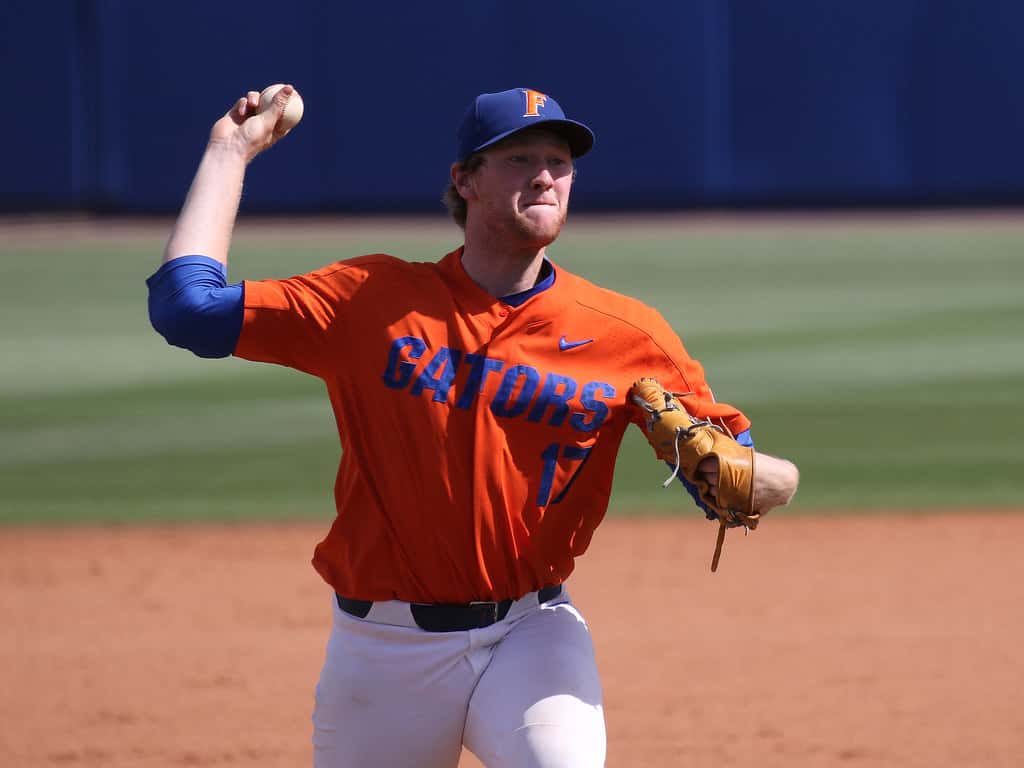
The Florida Gators are back on the national stage in college baseball, earning a top-eight overall seed in the NCAA Tournament and hosting the Gainesville Regional at Condron Family Ballpark. The reward for a strong season is the chance to begin the road to Omaha at home, and Florida has wasted little time reminding everyone why postseason baseball in Gainesville is so dramatic.
A top-eight seed and a home regional
Florida was tabbed as the No. 8 overall seed in the 2026 NCAA Tournament, an honor that carries a significant advantage: not only does the program host its regional, but as a top-eight seed it would also host a super regional should it advance. That path through home games is the kind of edge that can make the difference between an early exit and a trip to the College World Series.
The Gainesville Regional brings Miami, Troy, and Rider to Condron Family Ballpark, with the four-team, double-elimination format playing out over the weekend. Hosting a regional is a tradition-rich moment for Florida, marking the program's 20th time serving as a regional host and its first since a run of consecutive hosting opportunities earlier in the decade.
The bracket is loaded with intrigue, not least the in-state matchup possibilities involving Miami. Florida-Miami is one of college baseball's signature rivalries, and the prospect of the two programs meeting with a super regional berth on the line adds an extra charge to the proceedings in Gainesville.
The double-elimination format adds a strategic wrinkle that experienced coaching staffs prize. A team can lose a game and still advance, which places a premium on avoiding the elimination bracket and protecting pitching depth for the games that matter most. Navigating the weekend is as much about managing arms and momentum as it is about raw talent, and Florida's coaching staff will be calculating how to position the Gators to play from the winners' side rather than fighting back from a loss. Those decisions, made in real time across a compressed schedule, often separate the teams that advance from those that fall just short.
The presence of two of the state's flagship programs in the same regional underscores just how much baseball talent Florida produces. Both schools recruit heavily from a fertile in-state pipeline, and many of the players on these rosters grew up watching the rivalry and dreaming of postseason baseball under the Florida sun. When the Gators and Hurricanes meet in any sport, the stakes feel personal, and a regional with an NCAA Tournament berth hanging in the balance only intensifies that history. For the fans who pack Condron Family Ballpark, the chance to see the rivalry renewed in a win-or-go-home setting is part of what makes hosting so special.
Troy and Rider, meanwhile, arrive as the kind of opponents that can disrupt a regional if a host overlooks them. Tournament baseball is littered with examples of lower-seeded teams catching fire at the right moment, riding a hot pitcher and timely hitting to upset a favorite on its home field. Florida cannot afford to fixate on a potential Miami showdown without first taking care of the business in front of it, because in a double-elimination format, a single careless game can change the entire complexion of the weekend.
A season that came down to the wire
Florida's tournament opener was a microcosm of its season, a back-and-forth thriller that tested the Gators' nerve. After building a comfortable lead through seven innings against Rider, Florida watched the advantage evaporate amid a barrage that included a grand slam and a two-run homer, then surrendered another home run before ultimately prevailing on a walk-off in dramatic fashion.
Games like that capture both the promise and the volatility of this Florida team. The Gators have the talent to build leads and the firepower to win in walk-off fashion, but they have also shown a capacity to make things harder than they need to be. In a double-elimination format, where one bad inning can put a team on the brink, that volatility is something Florida will need to manage.
Surviving the opener, however nerve-wracking, is what matters in the postseason. The Gators advanced, and in tournament baseball, finding ways to win ugly is often as valuable as dominating. Florida now turns its attention to the rest of the regional field with a victory already in hand.
The offensive firepower on display in that opener is a double-edged sword. Florida showed it can put runs on the board in bunches, the kind of lineup depth that can bury an opponent on any given night. Yet the willingness to trade blows rather than slam the door reflects the boom-or-bust nature of a team that lives by the long ball. Against stronger pitching deeper in the postseason, the Gators will need to manufacture runs in other ways, with disciplined at-bats, situational hitting, and aggressive base running, to complement the power that fuels their best innings.
There is a psychological benefit to escaping a game like that, too. A team that has already proven it can absorb a punch and respond carries a quiet confidence into the rest of the bracket, knowing it does not need to play a perfect game to win. The flip side is the bullpen and pitching usage that such a game can demand, since a contest that swings back and forth often forces a coaching staff to dip into its relief options earlier than planned. Managing those resources across a long weekend is one of the central challenges of regional play, and a dramatic opener can leave a host scrambling to realign its pitching plans.
The walk-off finish also speaks to the resilience that has defined this Florida team at its best. Good college clubs find a way to scratch across the decisive run when the game is on the line, and the Gators showed they have that gear when it counted most. Whether they can summon it again, as the elimination pressure mounts later in the bracket, will go a long way toward determining how far this season extends.
The road to Omaha
The College World Series remains the destination, set to take place at Charles Schwab Field in Omaha. To get there, Florida must first win the Gainesville Regional, then survive a best-of-three super regional. The top-eight seed means the Gators are positioned to host both rounds if they keep winning, a meaningful advantage given the energy of a home crowd in the Florida heat.
Omaha is the sport's grandest stage, and Florida baseball has a rich history there, including a national championship run in the program's past. Getting back requires navigating a treacherous postseason where seeding offers an edge but guarantees nothing, as upsets are a regular feature of the regional and super regional rounds.
The double-elimination format rewards pitching depth, since teams that burn through their best arms early can find themselves vulnerable in elimination games. How Florida manages its rotation and bullpen across the weekend will be a key storyline, and it is the kind of strategic challenge that often decides which hosts advance and which fall short on their home field.
Pitching depth becomes even more critical at the super regional stage, where a best-of-three format places a premium on having multiple reliable starters. Teams that sail through a regional without exhausting their arms enter the next round with a meaningful advantage, while those forced to grind through elimination games can arrive depleted. For a top-eight seed like Florida, the goal is to win the regional cleanly enough to set up its pitching for whatever comes next, a balance between aggression in the moment and preservation for the rounds ahead.
Hosting through the early rounds is also about more than convenience. The familiarity of the home ballpark, the comfort of routine, and the energy of a supportive crowd all tilt the margins in a host's favor, and over a postseason where games are so often decided by a run or two, those margins matter. Florida earned that edge with its regular-season body of work, and the program now has the responsibility of converting it into the kind of run that justifies the seeding. The opportunity is there; the challenge is seizing it before the pressure of elimination baseball intervenes.
What it means for Florida
For Gators fans, a home regional is an event, drawing crowds to Condron Family Ballpark and putting Florida baseball in the spotlight. Postseason baseball in Gainesville has produced some of the program's most memorable moments, and the atmosphere is part of the home-field advantage that the top-eight seed provides.
The success also reflects well on the broader strength of Florida college athletics. The state's universities are perennial contenders across sports, and a deep Florida baseball run adds to that reputation. With Miami also in the Gainesville field, the regional showcases the depth of college baseball talent in the state.
Beyond this season, sustained postseason success helps programs recruit and build, reinforcing Florida's standing as a destination for elite baseball talent. A run to Omaha would be the kind of statement that resonates well beyond a single June weekend.
The economic and community impact of hosting should not be overlooked either. A regional weekend draws visitors to Gainesville, fills hotels and restaurants, and turns the area around Condron Family Ballpark into a hub of activity. For a college town that revolves around its university's athletic calendar, postseason baseball is both a point of pride and a meaningful boost to local energy. The atmosphere those crowds create feeds back onto the field, giving the Gators the kind of home-environment edge that the top-eight seed was designed to reward.
There is a generational element as well. Many of the young players watching from the stands this weekend will grow up dreaming of wearing the orange and blue, and the visibility of a deep postseason run helps cement that pipeline. Florida's ability to keep elite in-state talent at home, rather than watching it depart for programs elsewhere, depends in part on the program continuing to play meaningful June baseball. Each successful postseason reinforces the case the Gators make to the next wave of recruits.
What's next
Florida's immediate task is to win the Gainesville Regional, navigating the double-elimination bracket against Miami, Troy, and Rider. Win it, and the Gators host a super regional with a College World Series berth at stake. The margins are thin, and the pressure of postseason baseball is unforgiving, but Florida controls its own fate on its home field.
The College World Series in Omaha is the prize that motivates every team still playing, and the Gators have positioned themselves as well as a program can heading into the regional rounds. For Florida baseball, the next few days will determine whether this season ends in disappointment or extends toward the sport's biggest stage.
Spotted an issue with this article?
Have something to say about this story?
Write us a letterComments
No comments yet. Be the first to weigh in.
Related Coverage

C.J. Hicks' Record 96-Yard Fumble Return Sparks USF's 29-2 Homecoming Win Over Kent State
2h ago
Rays vs. Brewers World Series Preview: Schedule, Tickets and a Guaranteed First-Time Champion
19h ago

Magic Open Sean Sweeney Era Against Hawks at Kia Center With Franz Wagner's Shoulder in Question
22h ago

Heat Open Season vs. Timberwolves as Giannis Antetokounmpo Makes Miami Debut and LaMelo Ball Starts in Minnesota
1d ago