Florida Housing Market Shows Cooler, Steadier Prices and Rising Inventory in Spring 2026

Florida's housing market entered the summer of 2026 looking calmer than in recent years, with spring data pointing to modest price movement, a larger supply of homes for sale, and fewer of the bidding wars that defined the market at its peak. The shift reflects the combined effect of elevated mortgage rates, growing inventory, and a market that has moved toward greater balance between buyers and sellers across much of the state.
Where prices stand
Statewide figures for the spring showed the median price of a single-family Florida home in a range around the low-to-mid $400,000s, with year-over-year changes reported as modest, generally low single-digit percentages. Different data providers reported somewhat different medians and growth rates depending on their methodology and the mix of homes included, but the common thread was that price growth has cooled sharply from the double-digit gains seen during the market's hottest stretch.
That deceleration marks a meaningful change from the rapid appreciation of prior years, when tight supply and intense demand pushed prices up quickly. Modest year-over-year movement suggests the market has largely absorbed the earlier surge and is now advancing at a slower, steadier pace. For many buyers, prices remain high in absolute terms even as the rate of increase has slowed.
Regional differences remain pronounced. In the Miami market, the median for single-family homes was reported around the high $500,000s, with figures indicating a slight year-over-year decline in that area, while the Tampa Bay market showed a median near the $400,000 mark that has held relatively steady for an extended period. Those regional medians illustrate how local conditions can diverge from the statewide picture.
Slower price growth also reshapes how observers read the market's health. During the boom, rapid appreciation was often cited as evidence of strength, but it also raised questions about how long such gains could continue without straining buyers. A cooler pattern of low single-digit movement can be read as the market settling into a more sustainable rhythm, one in which values hold their ground without the sharp swings that make planning difficult for households and lenders alike.
Inventory and market balance
One of the clearest signals of the market's shift is rising inventory. Spring data indicated the state had well over 150,000 active listings and a months-of-supply figure in the range that analysts associate with a more balanced market, a notable change from the severe shortages of the recent past. More homes on the market gives buyers more choices and reduces the pressure to bid aggressively.
The data also showed fewer homes selling above their list price and a smaller share of listings requiring price cuts compared with a year earlier, though price reductions remained common. Those indicators together suggest a market in which sellers have less leverage than during the peak but in which demand is still sufficient to keep many transactions moving. The balance has tilted away from the extreme seller's market of prior years.
A more balanced market changes the dynamics of buying and selling. Buyers gain negotiating room and time to make decisions, while sellers face more competition and may need to price carefully to attract offers. That environment tends to reward realistic pricing and can lengthen the time some homes spend on the market compared with the frenzied conditions that prevailed when inventory was scarce.
Rising inventory also has a self-reinforcing quality. As more listings accumulate, buyers who once felt rushed can afford to wait, compare properties, and weigh trade-offs, which in turn eases the urgency that once pushed prices higher. For sellers, the growing pool of competing homes means that presentation, condition, and pricing carry more weight than they did when almost any listing drew multiple offers. The shift rewards preparation over speed.
The Florida context
Florida's housing market has been shaped in recent years by strong in-migration, constrained supply, and, more recently, by the pressures of higher mortgage rates and rising costs of ownership, including property insurance. Those forces have pulled in different directions, with population growth supporting demand while affordability challenges and rate levels have tempered it. The result in 2026 is a market that has cooled without collapsing.
Insurance costs are a distinctive feature of the Florida affordability equation. Property insurance premiums, which climbed sharply during the state's insurance market turmoil, add to the total cost of owning a home and factor into what buyers can afford. Recent signs of stabilization in the insurance market, including moves toward rate relief by the state-backed insurer, could ease some of that pressure if the trend holds.
Mortgage rates remain the dominant force on affordability nationally and in Florida. With rates elevated compared with the ultra-low levels of a few years ago, monthly payments on a given home price are substantially higher, which constrains what buyers can spend and cools demand. That national rate environment has been a key reason price growth has slowed even as Florida continues to attract new residents.
Affordability and the migration engine
Florida's long run of population growth has been one of the defining features of its housing story, and it continues to shape demand even in a cooler market. New arrivals drawn by the state's climate, its lack of a state income tax, and its job opportunities add steady pressure on the housing stock, particularly in fast-growing metropolitan areas. That underlying demand helps explain why the market has softened rather than fallen, even as higher costs weigh on buyers.
At the same time, affordability has become a central concern for many households. The combination of elevated prices, higher mortgage rates, and the added weight of insurance premiums and property taxes means that the monthly cost of owning a Florida home is considerably higher than it was during the low-rate era. For first-time buyers and for workers whose incomes have not kept pace with housing costs, that math can put ownership out of reach even in a market with more listings to choose from.
The interplay between in-migration and affordability is likely to remain a defining tension in the years ahead. Continued population growth supports the case for durable demand, yet the cost pressures that have accumulated could steer some would-be buyers toward renting, toward more affordable inland markets, or toward postponing a purchase altogether. How that tension resolves will depend heavily on the path of rates and insurance costs, both of which sit largely outside the control of any single buyer or seller.
What it means for buyers and sellers
For buyers, the current market offers advantages that were scarce during the peak: more listings to choose from, more room to negotiate, and less pressure to waive contingencies or bid far above asking price. Those conditions can make it easier to find a suitable home, though high prices and elevated mortgage rates still make affordability a challenge, particularly for first-time buyers.
For sellers, the shift means adjusting expectations from the seller's market of recent years. Homes may take longer to sell, and pricing realistically has become more important as buyers gain leverage and as a larger share of listings see price reductions. Sellers who understand local conditions and price accordingly are better positioned than those anchored to peak-era assumptions.
For current owners not looking to move, steadier prices and a more balanced market provide a measure of stability. Rapid appreciation had raised concerns about affordability and sustainability, so a cooler market can be seen as a healthier equilibrium. Owners continue to watch insurance costs and property taxes, which affect the total cost of staying in a home regardless of market direction.
Regional variation across the state
The divergence between markets like Miami and Tampa Bay underscores that Florida does not have a single housing market but many local ones, each with its own dynamics. Coastal and urban markets, second-home and investment activity, insurance exposure, and local job growth all influence conditions in a given area. Statewide averages are useful, but buyers and sellers ultimately transact in specific local markets.
Some markets that saw the steepest run-ups during the boom have shown more pronounced cooling, while others have plateaued at elevated levels. The presence of substantial inventory in parts of the state has given buyers leverage that would have been unthinkable at the peak. Local factors, including new construction and the pace of in-migration, continue to shape how each market evolves.
For anyone navigating the market, the practical implication is to focus on local data rather than headline statewide figures. Conditions in a particular county, city, or even neighborhood can differ meaningfully from the state as a whole. Real estate professionals and local market reports remain the most reliable guides to the specific area where a buyer or seller is active.
Insurance exposure adds another layer to that regional variation. Coastal and hurricane-prone areas often carry higher premiums than inland communities, and that difference can influence where buyers concentrate their searches and how sellers position their homes. As a result, two properties with similar list prices in different parts of the state can present very different total costs of ownership, a factor that increasingly shapes buyer decisions in a market where affordability is already stretched.
What's next
The trajectory of Florida's housing market through the rest of 2026 will hinge largely on mortgage rates, which are tied to national monetary policy and inflation. If rates ease, affordability could improve and demand could firm; if they remain elevated or rise, the cooling could persist. The direction of insurance costs will also influence the total cost of ownership and buyer behavior.
Inventory trends bear watching as well. Continued growth in listings would further strengthen buyers' position, while any pullback could tighten conditions again. Seasonal patterns, with activity typically slowing later in the year, and Florida's ongoing in-migration will both play into how the balance between supply and demand shifts in the months ahead.
For Floridians, the 2026 market represents a return toward normalcy after years of extremes. Prices remain high by historical standards, but the pace of growth has slowed, inventory has expanded, and buyers have regained leverage. Whether that balance holds will depend on the interplay of rates, insurance costs, and the steady stream of new residents that continues to shape the state's housing landscape.
Spotted an issue with this article?
Have something to say about this story?
Write us a letterComments
No comments yet. Be the first to weigh in.
Related Coverage
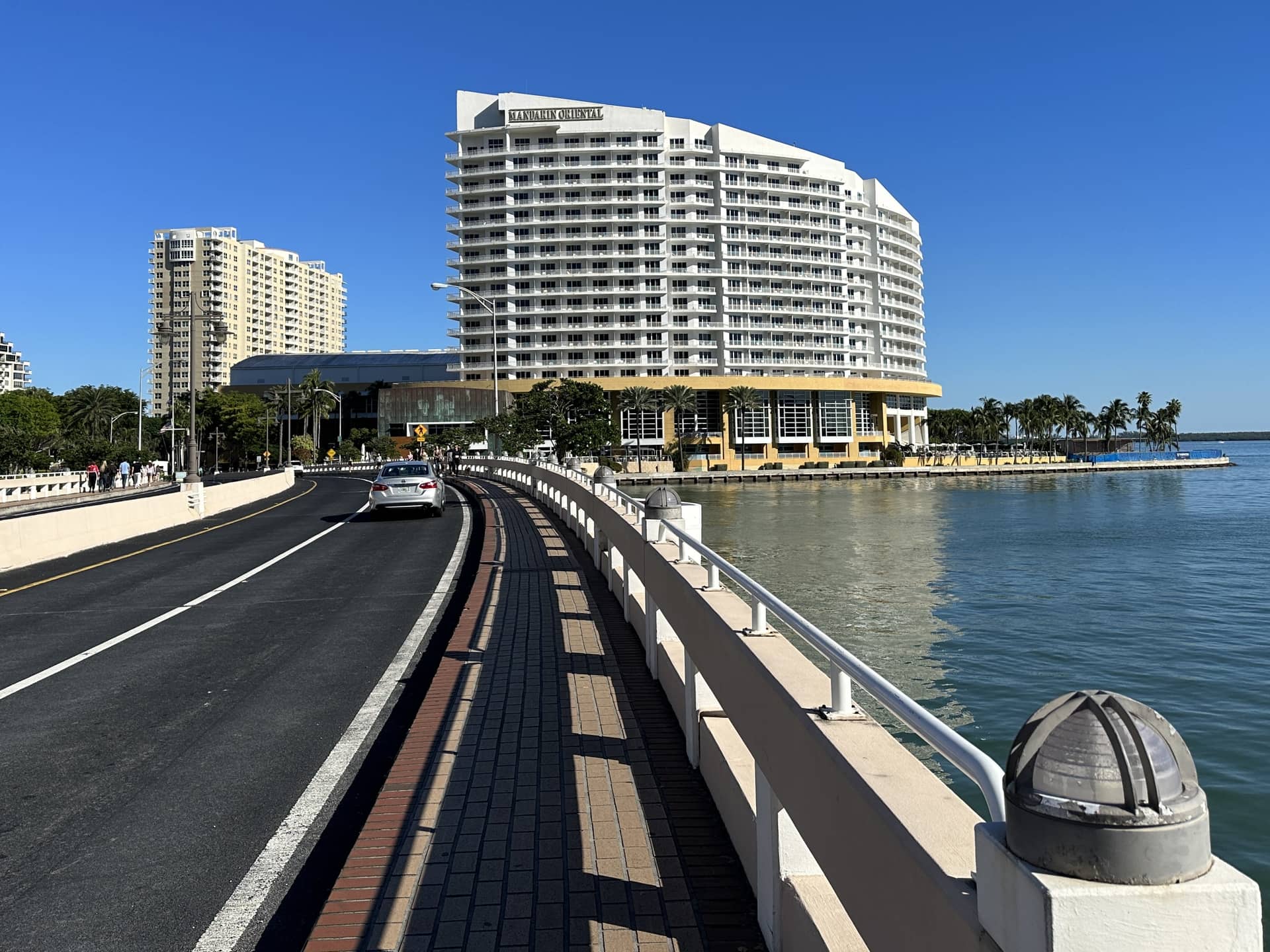
Swire Breaks Ground on Mandarin Oriental Towers on Brickell Key After Selling More Than $1.7 Billion in Condos
2h ago

Seminole Tribe Sues DraftKings and CEO Jason Robins in Broward, Calling Its Florida Prediction Markets an Illegal Sportsbook
2h ago

Jacksonville council members weigh relief for high JEA bills as utility says it isn't ready for a hyperscale data center
1d ago

Rays to open Westshore ballpark experience center in 2027 as Tampa stadium deal moves ahead
1d ago