Florida Lawmakers Open Special Session on DeSantis Plan to Eliminate Most Homestead Property Taxes
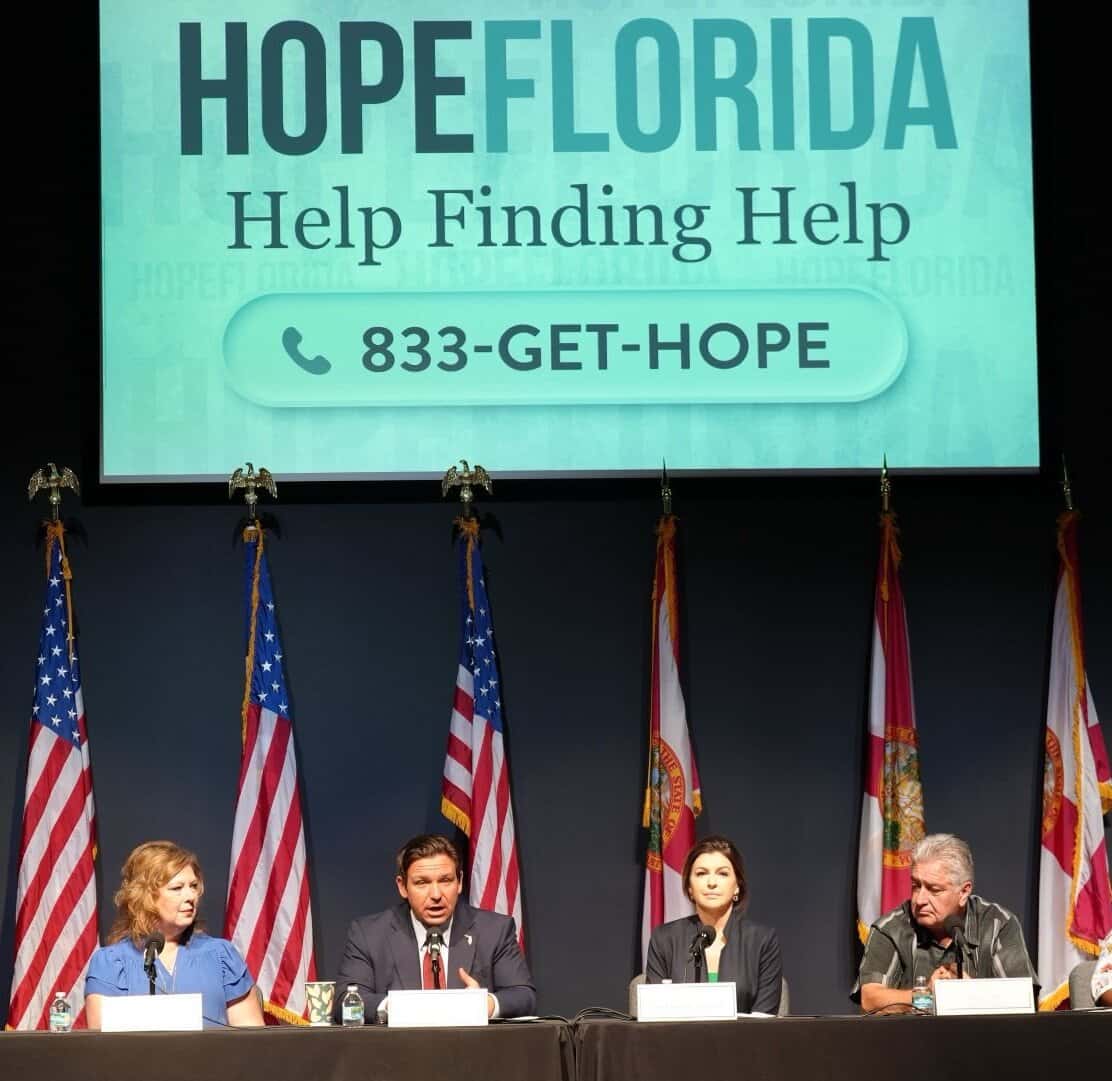
Florida lawmakers convened in Tallahassee this week for a special legislative session centered on Governor Ron DeSantis's proposal to dramatically cut, and eventually eliminate, property taxes for most homesteaded properties in the state. The session, which leaders expect to run through June 3, marks one of the most consequential tax debates in recent Florida history and could reshape how local governments and public schools are funded for a generation.
The centerpiece is a proposed constitutional amendment the governor's office is branding "Save Our Homes from Excessive Property Taxes." If lawmakers pass it by the required three-fifths margin in both the House and Senate, the measure would land on the November 2026 ballot, where it would need support from 60 percent of voters to take effect.
What the proposal would do
Under the plan, the homestead exemption that shields a portion of a primary residence's value from taxation would climb sharply. The exemption, currently set at $50,000, would rise to $150,000 beginning in January 2027 before increasing again to $250,000 in 2028. The proposal also directs the Legislature to establish, through general law, a schedule for fully phasing out property taxes on homesteaded properties over time.
The governor's office estimates the initial increase would eliminate property tax bills entirely for roughly 60 percent of homeowners with homestead status. According to figures the administration has circulated, raising the exemption further toward $500,000 would push the share of tax-free homesteaded properties to about 92 percent. State officials have stressed that the proposal does not call for new taxes to offset the revenue local governments would lose.
To guard against newcomers buying in to capture the larger break immediately, the proposal includes a residency requirement. Any person who establishes Florida residency after January 1, 2027, would need to maintain that residency for a period of up to five years before qualifying for the increased homestead exemption.
How local services would be protected
One of the central tensions in any property tax overhaul is the effect on the counties, cities, school districts, and special taxing units that rely on those collections. The DeSantis plan attempts to address that concern in two ways. First, it would require local governments to spend whatever property tax revenue remains solely on a defined list of core public needs: public safety, education and schools, infrastructure, and natural resources.
Second, the proposal calls for establishing a state trust fund that would provide grants to local governments to help them continue delivering core services as their property tax base shrinks. The plan would also place new limits on future property tax assessments for businesses, which supporters say would create a more predictable environment for Florida's commercial property owners.
Supporters frame the package as overdue relief for homeowners squeezed by years of rising assessments and surging insurance costs. With property values having climbed steeply across much of the state, many longtime residents have watched their annual tax bills grow even when their incomes have not.
The opposition's concerns
Critics, including many local government officials and public education advocates, warn that the plan could severely strain funding for schools, law enforcement, fire protection, and other services that property taxes traditionally underwrite. In Florida, property taxes are a primary funding source for public schools and county and municipal budgets, and opponents question whether a state trust fund and grant program could fully and reliably replace lost local revenue over the long term.
Some county commissioners and school board members across the state have voiced concern that the loss of a stable, locally controlled revenue source would leave them dependent on annual appropriations decisions made in Tallahassee. That shift, they argue, could reduce local flexibility to respond to community needs and emergencies.
Fact-checkers and budget analysts have also scrutinized the administration's estimates about how many homeowners would see their bills eliminated, noting that the precise effect depends heavily on home values, which vary widely between rural counties and high-cost metropolitan markets such as Miami-Dade, Palm Beach, and the Tampa Bay region.
The Florida context
Property taxes have become a defining pocketbook issue in Florida as the cost of homeownership has escalated. Soaring property insurance premiums, climbing assessments, and elevated mortgage rates have combined to make staying in a home more expensive even for residents who bought years ago. The governor has repeatedly cast property tax relief as the next frontier after his administration's push on insurance market reforms.
The debate also arrives against the backdrop of a freshly completed state budget for the 2026-27 fiscal year. Lawmakers wrapped up that spending plan in late May, and the property tax question had loomed over those negotiations. By splitting the issue off into a dedicated special session, legislative leaders signaled both its complexity and its political weight heading into an election year.
What it means for Floridians
For the typical Florida homeowner, the immediate practical effect of the proposal would not be felt until 2027 at the earliest, and only if voters approve the amendment in November. Because the measure is a constitutional change, it cannot take effect through legislative action alone; the 60 percent voter threshold is a high bar that has stopped other ballot measures in recent cycles.
Renters, who make up a significant share of Florida households in markets such as Orlando, Tampa, and South Florida, would not directly benefit from a homestead exemption increase, though supporters argue that broader tax relief could ease pressure across the housing market over time. The business assessment limits in the plan could affect commercial landlords and, indirectly, the rents they charge.
Homeowners weighing the proposal will also want to understand the trade-off at the heart of the debate: lower or eliminated property tax bills on one side, and the funding model for their local schools, deputies, firefighters, and road projects on the other. The state launched a calculator website to help residents estimate how the changes might affect their own bills.
What's next
The special session's first task is for the House and Senate to negotiate and pass identical language by the three-fifths supermajority required to place a constitutional amendment on the ballot. Leaders have indicated they intend to finish their work quickly, with the session expected to conclude by June 3.
If lawmakers approve the measure, the question moves to the November 2026 general election ballot, where Florida voters will have the final say. A successful campaign would need to clear the 60 percent approval threshold, ensuring that the property tax fight will remain a central theme of state political debate through the summer and fall.
How Florida arrived at this debate
The push to slash property taxes did not emerge in a vacuum. It is the product of years of mounting frustration among Florida homeowners who have watched the total cost of keeping a home climb relentlessly. Soaring property values during the post-pandemic migration boom pushed assessments higher across much of the state, and while Florida's existing Save Our Homes cap limits how quickly assessed values can rise for homesteaded properties, the underlying tax bills have still grown substantially in many communities.
Compounding the pressure has been the property insurance crisis. Florida homeowners pay among the highest insurance premiums in the nation, and for many households the combined burden of insurance, taxes, and rising association fees has made homeownership feel precarious even for those who bought long ago and hold low-rate mortgages. The governor has framed property tax relief as a logical next step after his administration's efforts to stabilize the insurance market.
The state's fiscal position has also shaped the debate. Florida has no personal income tax and relies heavily on sales taxes and other revenue sources at the state level, while property taxes remain the domain of local governments. That structure means the state can contemplate dramatic cuts to a tax it does not itself collect, shifting the fiscal consequences onto counties, cities, and school districts and raising the central question of how those entities would cope.
The proposal's scale sets it apart from the incremental tax tweaks that have appeared on Florida ballots over the years. By contemplating not just a larger exemption but the eventual elimination of property taxes on homesteaded properties, the plan represents one of the most ambitious tax restructurings the state has seriously considered.
The political stakes heading into November
The timing of the special session, in an election year, ensures that property taxes will be a defining issue in Florida politics through the fall. A constitutional amendment on the November ballot would put the question directly to voters, and the campaign around it is likely to be intense, with proponents emphasizing relief for struggling homeowners and opponents warning about the effect on schools and local services.
For supporters, the appeal is straightforward: the prospect of eliminating a major recurring expense resonates powerfully with homeowners feeling squeezed. The 60 percent threshold for passage, however, is a significant hurdle, and recent Florida ballot history shows that even popular-sounding measures can fall short of that bar when opposition mobilizes.
Opponents, including teachers' unions, local government associations, and some fiscal watchdogs, are expected to mount a vigorous campaign focused on the potential consequences for public education and essential services. Their argument centers on the difficulty of replacing a stable, locally controlled revenue source and the risk of shifting more fiscal power to Tallahassee.
The outcome will carry implications well beyond Florida. As one of the nation's largest and fastest-growing states, Florida's experiments with tax policy attract national attention, and a successful move toward eliminating property taxes would likely influence debates in other states. The coming months will test whether the ambitious proposal can survive both the legislative process and the verdict of voters.
Should the amendment pass, the Legislature would then face the detailed work of building the promised trust fund, writing the elimination schedule into general law, and determining exactly how grants to local governments would be calculated and distributed. Those implementation decisions, largely invisible in the current headline debate, would ultimately determine whether the plan delivers relief without hollowing out the services Floridians depend on.
Spotted an issue with this article?
Have something to say about this story?
Write us a letterComments
No comments yet. Be the first to weigh in.
Related Coverage

Volusia County Council Takes Final Vote on Banning Large-Scale Data Centers as the Issue Splits Florida's Governor's Race
15h ago

Judge Disqualifies North Miami Mayor Alix Desulme From November Ballot Over Cashier's Checks, Leaving Race Unopposed
21h ago

Jacksonville's Five-Year Homelessness Plan Heads for a Third Deadline Extension as Duval's Homeless Count Rises
22h ago

Florida Republicans Hold 1.5 Million Voter Registration Edge Over Democrats Heading Into Nov. 3 Election
1d ago