Florida Legislature Sends Property Tax Amendment to November 2026 Ballot
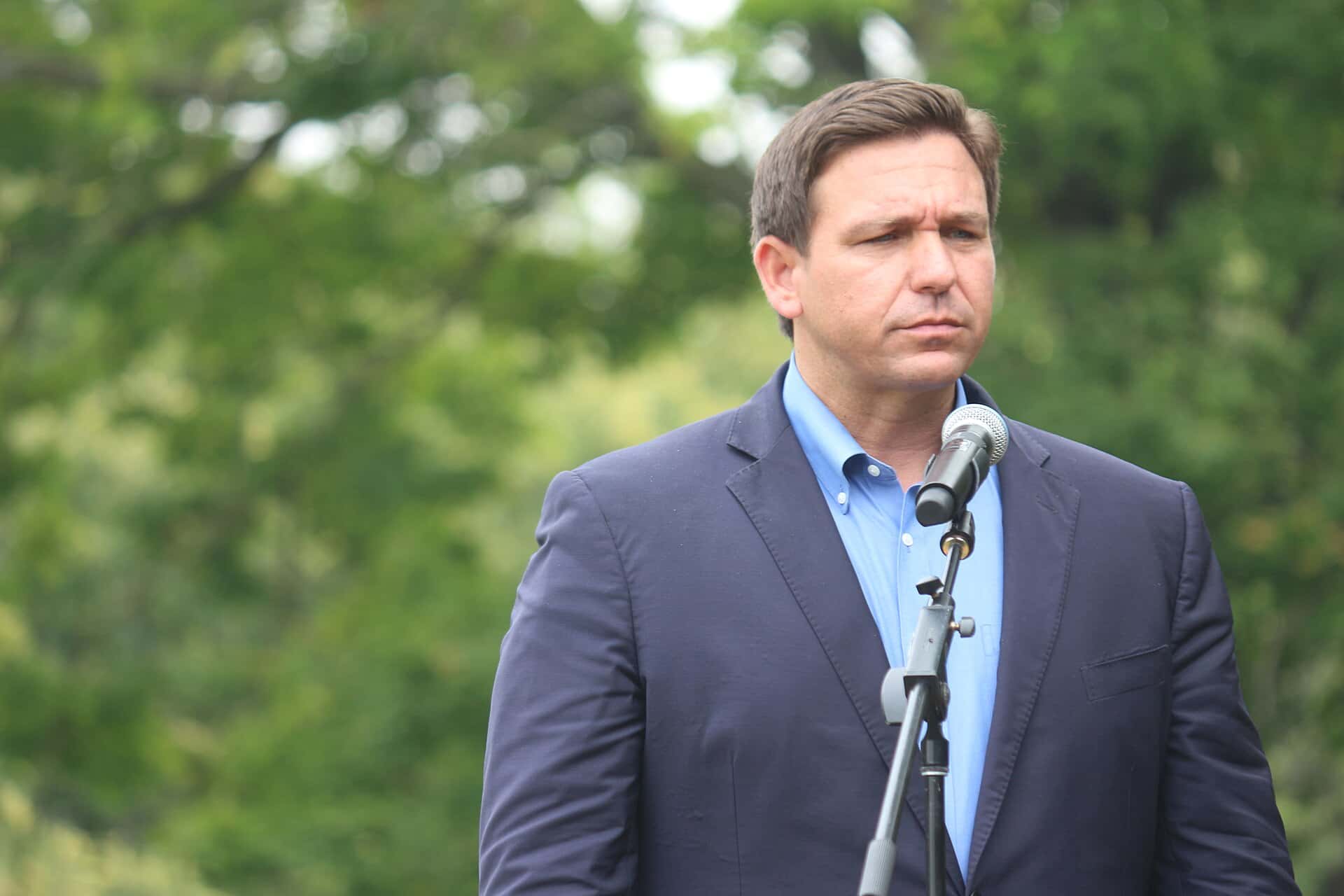
Florida lawmakers voted on June 2, 2026, to place a sweeping property tax amendment before voters this fall, advancing a constitutional measure that would sharply expand the state's homestead exemption and reshape how Florida homeowners are taxed for years to come. The Legislature passed HJR 1, a joint resolution titled "Save Our Homes from Excessive Property Taxes," during a special session that Gov. Ron DeSantis convened on June 1 with property tax relief as its central purpose. The measure now heads to the November 2026 statewide ballot, where it will require approval from 60 percent of voters to take effect.
The vote matters for nearly every Florida household that owns a primary residence. If approved, the amendment would phase in a substantially larger homestead exemption beginning in 2027, a change that supporters argue would deliver meaningful relief to homeowners squeezed by years of rising property values. For Florida, a state where property taxes fund the bulk of local services, the decision facing voters carries consequences that reach well beyond individual tax bills.
The special session marked an unusually fast turnaround. Lawmakers gaveled in on a Monday and approved the joint resolution the following day, reflecting the priority that the governor and legislative leadership placed on the issue. With the resolution now finalized, the political fight shifts from the Capitol in Tallahassee to a statewide campaign that will play out through the summer and fall.
What HJR 1 Would Do
At the heart of the amendment is a steep increase in the homestead exemption, the portion of a primary residence's assessed value that is shielded from property taxation. Under the measure, the exemption would rise to $150,000 beginning in 2027, then climb to $250,000 in 2028. Starting in 2029, the exemption amount would be indexed for inflation, meaning it would adjust upward over time rather than remaining fixed at a set dollar figure.
That indexing provision represents a notable structural change. Florida's existing homestead protections have long included caps on how quickly assessed values can grow, but a permanent inflation adjustment to the exemption itself would build in automatic increases for homeowners. Proponents frame the indexing as a way to keep relief from eroding as prices climb, while critics view it as a mechanism that would steadily reduce the taxable base that local governments rely on.
The resolution also establishes new Florida residency requirements that newcomers must satisfy to qualify for the increased exemption. Under the measure, people who move to the state on or after January 1, 2027, would face these residency conditions before becoming eligible for the larger exemption. Supporters describe the provision as a way to ensure the expanded benefit flows to established Florida residents rather than to recent arrivals, though the precise contours of the requirement would be spelled out in implementing legislation should voters approve the amendment.
Because the measure is a constitutional amendment, it cannot take effect through legislative action alone. The joint resolution clears the way for the question to appear on the ballot, but the final decision rests with the electorate. The 60 percent threshold, a standard Florida has applied to constitutional amendments for years, means the proposal must clear a higher bar than a simple majority.
How the Vote Broke Down
The joint resolution cleared both chambers with comfortable margins, though not without opposition. The House passed HJR 1 by a vote of 75 to 26, while the Senate approved it 30 to 9. Those tallies gave the measure the support it needed to advance to the ballot, and they reflected the broad backing the proposal enjoyed among the legislative majority.
The margins also revealed a bloc of lawmakers who declined to support the resolution. While the official record documents the vote counts rather than the reasoning of individual members, the opposition tracked concerns that have surrounded the proposal since the governor first called for relief. Those reservations centered largely on the financial effect the amendment could have on the local governments and school districts that depend on property tax revenue.
For DeSantis, the votes delivered a legislative win on a signature priority. The governor had pressed for property tax relief heading into the special session, and the swift passage of the resolution allowed his office to point to tangible action. The political calculus now turns toward persuading voters, a task that will involve framing the amendment as relief for homeowners while opponents work to highlight its potential costs.
The Revenue Question
The central point of contention is what a larger homestead exemption would mean for the public budgets that property taxes support. Analysts and policy groups have warned that significantly expanding the exemption could reduce revenue for local governments and school districts, raising questions about how those entities would absorb the loss.
Property taxes are a primary funding source for Florida's counties, cities, and public schools, paying for services that range from classroom instruction to law enforcement, fire protection, libraries, and road maintenance. When a larger share of home value is exempted from taxation, the taxable base shrinks. Local governments would then face a choice between adjusting their millage rates, trimming spending, or seeking other revenue to make up the difference, according to the concerns raised by policy observers.
The indexing provision adds another layer to the revenue debate. By tying the exemption to inflation starting in 2029, the amendment would create a benefit that grows automatically over time. Policy groups have noted that such a mechanism could compound the effect on local budgets in future years, as the exempted portion of home values rises without further legislative action. Supporters counter that homeowners deserve protection from tax increases driven by rising assessments, framing the structural change as a permanent safeguard rather than a one-time cut.
School districts have drawn particular attention in the discussion, given their heavy reliance on local property tax dollars. Education funding in Florida blends state and local sources, and a reduction in the local share could shift pressure onto the state budget or onto districts themselves. The full fiscal picture would depend on implementing legislation and on how local officials respond, but the warnings from analysts underscore that the relief promised to homeowners would not come without trade-offs elsewhere in the system.
How a Special Session Came Together
The path to the ballot ran through a special session, a tool Florida governors use to focus the Legislature on a defined set of priorities outside the regular annual lawmaking calendar. DeSantis convened the session on June 1, 2026, with property tax relief named as its central purpose, and lawmakers wasted little time in acting on the assignment. The speed of the proceedings, with passage achieved the day after the session opened, signaled coordination between the governor's office and legislative leaders before the gavel ever fell.
Special sessions are typically narrow in scope, called to address matters that leadership has decided cannot wait or warrant concentrated attention. By dedicating a session to property taxes, the governor elevated the issue above the crowded agenda of a regular session and framed it as a priority deserving its own moment. That framing carries political value, positioning relief as a focused effort rather than one item among many competing for attention.
The compressed timeline also limited the window for extended debate and amendment that a longer session might have allowed. Lawmakers moved the joint resolution through both chambers quickly, a pace that reflected the proposal's standing as a leadership priority but that critics could argue left less room for scrutiny of its long-term fiscal effects. The outcome, however, was decisive, with both chambers delivering the supermajorities needed to place the question before voters.
For Florida, the use of a special session to advance the amendment underscores how central the affordability question has become to the state's politics. Property taxes sit alongside insurance costs and housing prices as pressure points that residents feel directly, and the decision to spotlight relief through a special session reflects the political salience of those concerns heading into an election year.
What It Means for Florida Homeowners
For Florida homeowners, the practical effect of the amendment would be felt on annual tax bills beginning in 2027, the first year the expanded exemption would apply. By raising the exempt portion of a home's assessed value, the measure would lower the taxable value on which property taxes are calculated, translating into smaller bills for many primary residences.
The phased structure means the relief would deepen over the first two years. The jump to a $150,000 exemption in 2027, followed by the increase to $250,000 in 2028, would progressively expand the benefit. Homeowners with lower-valued properties could see a larger proportional reduction, since the exemption shields a fixed dollar amount that represents a bigger slice of a modest home's value.
The residency requirements would shape who can claim the expanded benefit going forward. Established Florida residents who already hold a homestead exemption would be positioned to benefit, while those relocating to the state on or after January 1, 2027, would need to meet the new conditions first. The distinction reflects the proposal's framing as relief aimed at longtime residents, and it could become a talking point as the ballot campaign unfolds.
The Road to November
With the joint resolution passed, the focus turns to the statewide vote in November 2026. The 60 percent approval requirement sets a meaningful threshold, and reaching it will likely require a sustained campaign to inform voters about the amendment's provisions and its fiscal implications. Both supporters and opponents are expected to make their cases in the months ahead.
The campaign will unfold against the backdrop of Florida's broader affordability debate, in which housing costs, insurance premiums, and the overall cost of living have remained prominent concerns for residents. Property tax relief fits squarely within that conversation, and the amendment's fate may hinge on whether voters weigh the promise of lower bills against the warnings about local government and school funding.
Should voters approve the measure, attention would then shift to implementing legislation that would translate the constitutional language into operational rules, including the specifics of the new residency requirements. If the amendment fails to reach the 60 percent threshold, the current homestead exemption structure would remain in place, and the debate over property tax relief would likely return to Tallahassee in a future session.
For now, the decision rests with Florida's electorate. The Legislature has done its part by sending the question to the ballot, and the special session that opened June 1 produced exactly the outcome the governor sought. Whether that outcome becomes part of the Florida Constitution will be determined when voters weigh in this fall.
Spotted an issue with this article?
Have something to say about this story?
Write us a letterComments
No comments yet. Be the first to weigh in.
Related Coverage

Volusia County Council Takes Final Vote on Banning Large-Scale Data Centers as the Issue Splits Florida's Governor's Race
15h ago

Judge Disqualifies North Miami Mayor Alix Desulme From November Ballot Over Cashier's Checks, Leaving Race Unopposed
21h ago

Jacksonville's Five-Year Homelessness Plan Heads for a Third Deadline Extension as Duval's Homeless Count Rises
22h ago

Florida Republicans Hold 1.5 Million Voter Registration Edge Over Democrats Heading Into Nov. 3 Election
1d ago