Florida Pastor Christian Sanon Convicted in Miami in Plot Tied to Assassination of Haiti's President
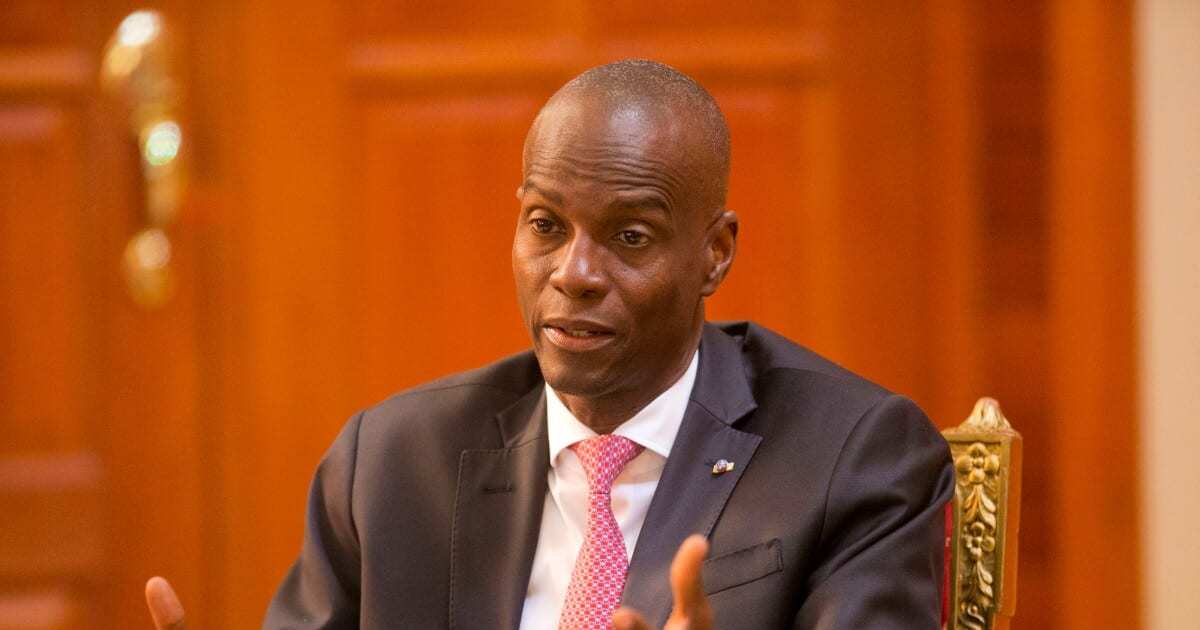
A federal jury in Miami on Wednesday, Nov. 18, found Christian Emmanuel Sanon, a Florida pastor who holds both Haitian and American citizenship, guilty on all eight charges he faced in connection with the plot that ended in the July 7, 2021, assassination of Haitian President Jovenel Moïse. The verdict, reached after a trial of nearly eight weeks, closes the second major trial in a sprawling federal prosecution that has repeatedly placed South Florida at the center of one of the most consequential political killings in the Caribbean in decades.
The most serious count against Sanon was conspiracy to kidnap or kill a person outside the United States, a charge that carries a maximum penalty of life in prison. Sentencing is set for Feb. 10, according to WLRN, which reported the verdict. Sanon showed little reaction as the verdict was read and remains in federal custody.
What the jury decided
Jury selection in Sanon's trial began on Sept. 28 in Miami federal court before U.S. District Judge Jacqueline Becerra of the Southern District of Florida, according to earlier coverage of the case. Becerra also presided over the first trial in the case, which ended in May with the conviction of four South Florida men.
Sanon had pleaded not guilty to all eight counts. The jury rejected his defense on every one of them. His attorney, Zeljka Bozanic, said the defense team was disappointed and would appeal at the appropriate time, WLRN reported. Federal prosecutors declined to comment on the verdict.
What prosecutors said Sanon did
Prosecutors told jurors that Sanon was the conspirators' first choice to replace Moïse as Haiti's leader. They said he helped raise money for the effort and arranged travel and lodging in Haiti for those involved.
Sanon took the stand in his own defense. He testified that he had been in contact with people who were trying to replace Moïse, but said the group had moved on to another candidate long before the assassination. He denied knowing about any plan to kill the president.
The government's account, laid out across both trials, traces the plot to an April 2021 meeting in South Florida. Prosecutors said Sanon met there with a former Haitian senator and several U.S. businesspeople, and that the group agreed Sanon would award contracts to two Florida companies, Counter Terrorist Unit Federal Academy and Counter Terrorist Unit Security, known collectively as CTU.
A plot planned and financed from South Florida
At trial, prosecutors described South Florida as a hub for planning and financing the scheme. According to the government, CTU initially hired about 18 Colombian nationals with military training, and the conspirators obtained weapons and body armor and tried to build ties with Haitian gangs.
Prosecutors also said the plot was financed in part with money from U.S. COVID-19 pandemic business aid programs, which they said was used to pay roughly two dozen foreign mercenaries.
By June 2021, according to prosecutors, the conspirators had concluded that Sanon lacked the constitutional qualifications and the popular support to become president. They shifted their backing to Wendelle Coq Thélot, a former judge on Haiti's Supreme Court, who died in January 2025 while still a fugitive.
Moïse was killed in a nighttime raid on his home. His wife, Martine Moïse, was wounded. Authorities say the attack was carried out by a squad made up mostly of retired Colombian soldiers. Martine Moïse was the first witness to testify at the first Miami trial this spring.
Where the other defendants stand
Sanon was originally scheduled to stand trial alongside four other men, but his case was separated from theirs and delayed for health reasons. The following table shows the status of the defendants tried or held in Miami, based on WLRN's reporting.
| Defendant | Role, according to prosecutors | Status |
|---|---|---|
| Christian Emmanuel Sanon | Conspirators' first pick to replace Moïse | Convicted Nov. 18, 2026; sentencing Feb. 10 |
| Arcangel Pretel Ortiz | Principal of the CTU companies | Convicted May 2026; awaiting sentencing |
| Antonio Intriago | Principal of the CTU companies | Convicted May 2026; awaiting sentencing |
| Walter Veintemilla | Principal of Worldwide Capital Lending Group | Convicted May 2026; awaiting sentencing |
| James Solages | CTU representative in Haiti | Convicted May 2026; awaiting sentencing |
| Joseph Badio | Former Haitian Justice Ministry employee | Extradited from Haiti in late September; in U.S. custody |
The four men convicted in May were found guilty of conspiring to kill or kidnap Haiti's elected leader, providing material support for the plot and violating the U.S. Neutrality Act. Each faces a possible life sentence. Their lawyers had argued that the investigation was a mess and that the men were manipulated into taking the blame for what the defense described as an internal coup.
In late September, 18 suspects were extradited from Haiti to the United States. They included 17 former Colombian soldiers and Badio, who worked in an anti-corruption unit of Haiti's Justice Ministry and was arrested in Haiti in October 2023 after more than two years on the run. Badio's attorney, William Barzee, did not respond to WLRN's request for comment.
Across the case, U.S. prosecutors have charged more than 40 people. About a dozen have been convicted, and five of them have been sentenced to life in prison.
Why the case matters in Florida
The Miami prosecution has kept a spotlight on South Florida's role in the events that left Haiti without an elected head of state. The CTU companies at the center of the government's case were based in South Florida, the planning meetings described by prosecutors took place there, and the defendants convicted so far include men who lived and did business in the region.
The case also carries weight for South Florida's large Haitian community, which has followed the trials closely as Haiti has struggled with gang violence and political paralysis since the killing. A parallel investigation in Haiti, in which 20 people including 17 Colombian soldiers had been charged, has been stalled by gang violence, death threats and a crumbling judicial system, according to WLRN reporting in May. That has left the federal courthouse in Miami as the main venue where any part of the assassination has been tested before a jury.
Haiti has had no president since Moïse was killed. A general election for a new president is scheduled for next year. Candidates include Moïse's widow, a respected economist, a prosecutor accused of multiple summary executions and a former president accused of drug trafficking and sponsoring gangs, according to WLRN.
What's next
Sanon is scheduled to be sentenced on Feb. 10 and faces up to life in prison. His defense has said it will appeal. The four men convicted in May are also awaiting sentencing, and the 18 suspects extradited from Haiti in September, including Badio, remain in U.S. custody, meaning the Miami federal courthouse is likely to remain the main stage for the case well into the coming year.
Spotted an issue with this article?
Have something to say about this story?
Write us a letterComments
No comments yet. Be the first to weigh in.
Related Coverage
Federal Judge Rules Florida's Form 6 Financial Disclosure Law for Local Officials Unconstitutional
55m ago
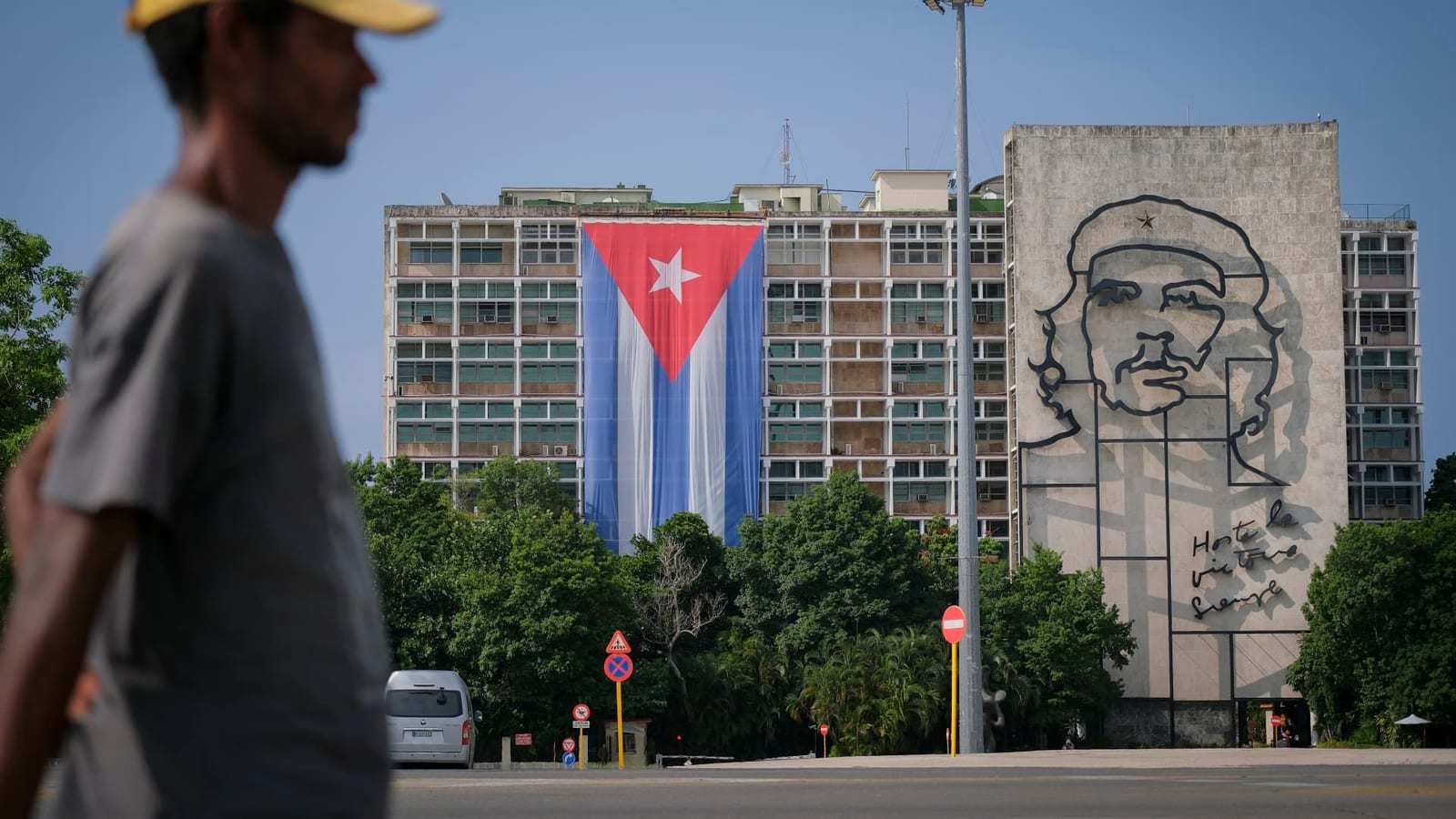
Trump says he wants to 'get Cuba done' before leaving office and would consider military force, as Havana prepares for a possible attack
19h ago
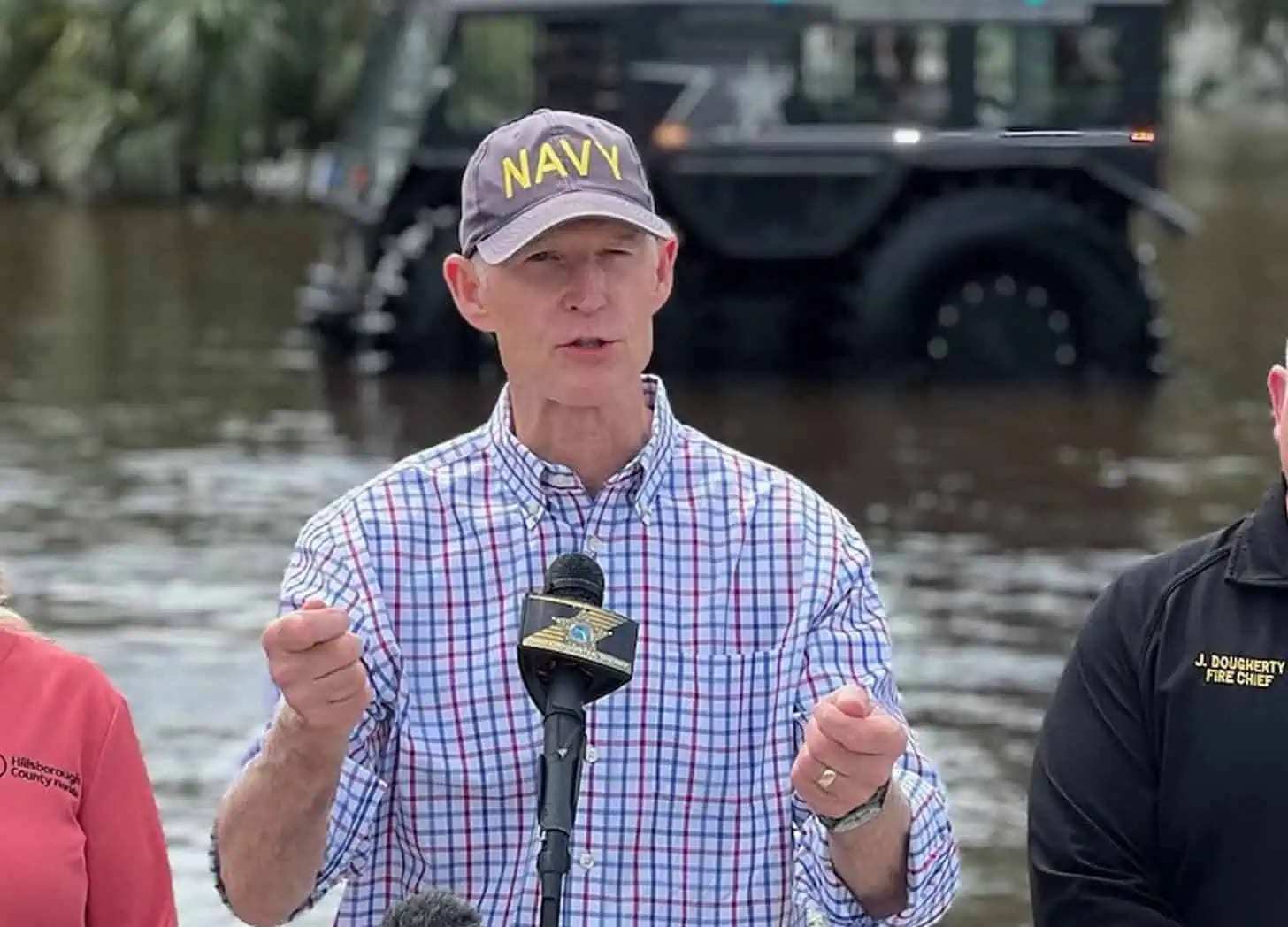
Florida's Congressional Delegation Urges Trump to Approve Disaster Declaration for Nine Counties Hit by Fall Flooding
21h ago
Federal Judge Blocks Sarasota From Releasing Christian Ziegler's Seized Phone Data Despite State Appeals Ruling
22h ago