Florida's College Baseball Powers Miss Omaha in a Rare Down Year for the State
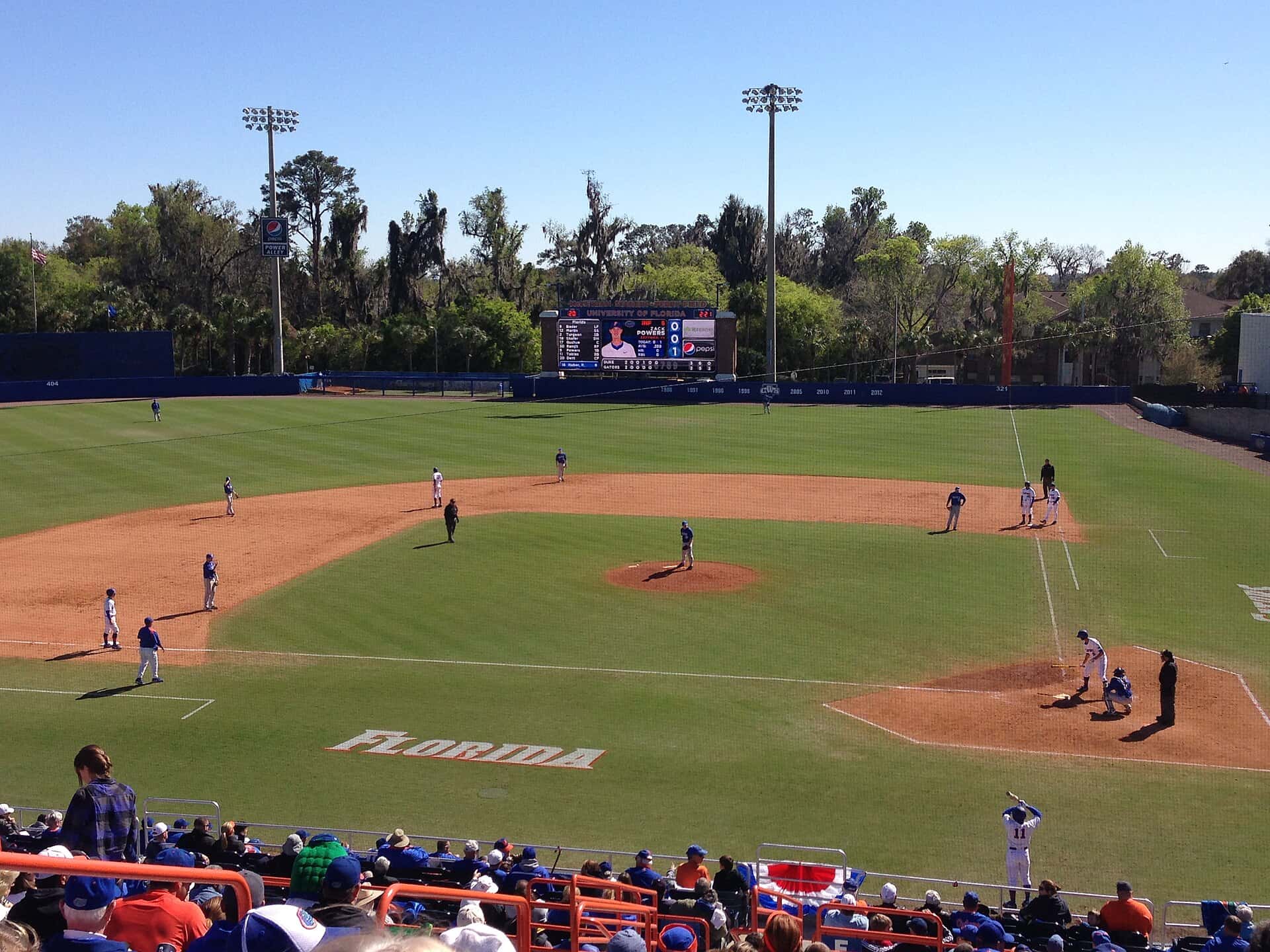
For a state that has long been a powerhouse in college baseball, the 2026 NCAA Tournament delivered a humbling result: none of Florida's flagship programs reached the College World Series. The University of Florida, Florida State, and Miami were all eliminated before Omaha, a rare shutout for a state accustomed to sending multiple teams deep into the postseason and often into the championship picture.
The disappointment was sharpened by how the tournament unfolded. Florida, a national seed that hosted its own regional, was ousted on its home field, while Florida State fell in a hard-fought super regional. Miami, too, saw its season end early, completing a tournament that left the state's most storied programs watching the sport's marquee event from home.
For Florida's passionate college baseball fan bases, the outcome is a reminder of how brutally unforgiving the NCAA Tournament can be, where a single bad weekend can end a promising season. It also sets up a winter of reflection for programs that measure themselves by trips to Omaha and the championships that the trip makes possible.
Florida falls at home
The University of Florida entered the tournament as a national seed, earning the right to host a regional in Gainesville with a path that was supposed to position the Gators for a deep run. Instead, the regional turned into a stunning collapse, with Troy emerging from the bracket to eliminate both the Gators and Miami on Florida's home field.
Florida flashed its offensive firepower during the regional, including a blowout win that showcased the kind of lineup that made the team a national contender. But the double-elimination format punished the Gators when they faltered, and a determined Troy squad capitalized, ending Florida's season in front of its own fans in painful fashion.
For a program with championship pedigree and high expectations every season, an early exit at home is a bitter result. The Gators will spend the offseason evaluating what went wrong and how to return to the level of consistency that has made them one of the sport's elite programs, with the sting of a home-field elimination as motivation.
Florida State comes up short
Florida State carried strong credentials into the postseason and battled deep into the bracket, but the Seminoles ultimately fell in a super regional, denied a trip to Omaha by a St. John's team that seized its opportunity. The series featured the tight margins that define tournament baseball, where a handful of pitches can swing a season.
The Seminoles showed resilience throughout their tournament run, winning elimination games and pushing their series to the brink before coming up just short. That competitiveness offers something to build on, even as the result leaves the program agonizingly close to the College World Series it has reached so many times in its history.
Falling one step from Omaha is a familiar and frustrating place for any tradition-rich program. Florida State will look to take the lessons from a near miss and convert them into a return to the sport's biggest stage, where the Seminoles have long been a fixture and where they aim to compete for a national title.
A rare statewide shutout
What makes 2026 notable is not any single team's exit but the collective absence of Florida's traditional powers from the College World Series. In most years, at least one of the state's marquee programs, and frequently more than one, reaches Omaha, reflecting the depth of talent and resources that Florida baseball commands at the highest level.
The shutout speaks to the growing parity in college baseball, where programs from outside the traditional powers have invested in facilities, recruiting, and coaching to close the gap. Upsets that once seemed unlikely have become more common, and the 2026 tournament offered vivid proof that no program, however storied, is guaranteed a deep run.
For Florida's college baseball ecosystem, which includes not only the three flagship programs but a host of other competitive teams across the state, the result is a wake-up call rather than a crisis. The talent pipeline remains rich, but the tournament demonstrated that translating regular-season success into postseason advancement requires execution when the margins are thinnest.
The road to Omaha changes
The College World Series will proceed in Omaha without a Florida team in the field, an unusual sight for fans accustomed to seeing the state represented on the sport's grandest stage. The event remains the pinnacle of college baseball, drawing enormous crowds and national attention to crown a champion through its distinctive double-elimination format.
The teams that did advance earned their places through grueling regional and super regional rounds, and their presence in Omaha reflects the unpredictability that makes the tournament so compelling. For neutral observers, the field offers fresh storylines, while for Florida fans it underscores the work ahead for their programs to reclaim their customary spots.
The absence of Florida's powers may be temporary, but it provides a clear measuring stick for the offseason. Coaches and players across the state will use the disappointment as motivation, knowing that the path back to Omaha runs through the same demanding tournament that ended their seasons in 2026.
The state's deep talent pipeline
Florida's standing in college baseball is built on one of the richest talent pipelines in the country, with the state consistently producing elite high school players who go on to star at the collegiate and professional levels. That depth of talent is why the state's programs are perennial contenders and why a year without a College World Series participant stands out as such an anomaly.
The warm climate allows for year-round play and development, giving Florida players a competitive edge that has long fueled the success of the state's college programs. Recruiting battles for the best in-state talent are intense, and the flagship programs compete not only with one another but with elite schools from across the country for the players who can make the difference in a tournament run.
That pipeline ensures that the down year is almost certainly temporary. The raw material for success remains abundant, and the programs have the resources, facilities, and coaching to reload quickly. The question is execution in the postseason, where the gap between regular-season excellence and tournament survival can come down to a few decisive moments.
Florida's broader college baseball ecosystem extends well beyond the three flagship programs, with numerous other schools across the state fielding competitive teams. That breadth reflects the depth of interest and talent in Florida and reinforces the expectation that the state will return to prominence on the sport's biggest stage in short order.
What the early exits cost
Beyond the disappointment, early tournament exits carry tangible costs for programs that measure themselves by deep runs. Postseason success aids recruiting, energizes fan bases and donors, and burnishes the reputations that help attract the next wave of talent. A year on the sidelines in June can ripple into the offseason in ways that matter for the programs' futures.
Coaches and administrators will weigh those stakes as they evaluate their teams and chart a course back to contention. For storied programs with championship expectations, the urgency to return to Omaha is real, and the 2026 results will sharpen the focus on the adjustments needed to get there.
Lessons from a humbling tournament
If there is a takeaway from Florida's collective stumble, it is that postseason baseball rewards depth, timing, and the ability to win when an opponent plays its best. Regular-season dominance and gaudy offensive numbers count for little once the tournament begins, where a hot pitcher on the other side or a single defensive lapse can end a season in an afternoon. The state's programs learned that lesson the hard way in 2026.
Pitching depth, in particular, separates the teams that survive tournament weekends from those that go home early. Squads that can roll out multiple dependable arms across three or four games in a few days hold a decisive edge, and the programs that fell short will scrutinize whether they had enough reliable pitching to weather the grind. Building that depth is a central offseason priority.
The mental side of tournament baseball also looms large, as the pressure of win-or-go-home games tests even the most talented rosters. Composure in tight moments, the ability to shake off a bad inning, and steady situational hitting often decide outcomes, and those qualities will be emphasized as Florida's programs prepare to reclaim their customary places among the sport's elite.
Looking to next season
Attention now turns to roster construction, recruiting, and player development as Florida's programs begin building toward redemption. College baseball rosters churn each year through the draft, the transfer portal, and graduation, meaning the teams that take the field next season will look meaningfully different from those that fell short in 2026.
The programs will also evaluate their pitching depth, a frequent difference-maker in the postseason, where teams that can deploy multiple reliable arms over a long tournament weekend hold a significant advantage. Strengthening that area is often the key to converting talented rosters into teams capable of surviving the gauntlet to Omaha.
For Florida's college baseball faithful, the 2026 result is a setback but hardly the end of the state's standing in the sport. The combination of talent, tradition, and resources that has made Florida a perennial force remains in place, and the expectation is that the state's powers will be back in the Omaha conversation sooner rather than later.
For now, Florida fans will turn their attention to the professional ranks and to summer collegiate leagues, where many of the state's players continue to develop. The disappointment of 2026 will linger, but the expectation across the state is that its programs will be back in the thick of the College World Series race when the next season arrives, restoring a presence in Omaha that fans have come to regard as a birthright.
Spotted an issue with this article?
Have something to say about this story?
Write us a letterComments
No comments yet. Be the first to weigh in.
Related Coverage
Nikita Kucherov Scores Twice as Lightning Rally From Two Goals Down to Beat Canucks 4-2
1d ago
Lionel Messi Scores Twice, Inter Miami Beats Atlanta United 3-1 to Hold Second in the East
1d ago
Carter Verhaeghe, Sam Bennett Hat Tricks Power Panthers Past Kraken 8-3 in Record Night
2d ago

Paolo Banchero Scores 24 as Magic Beat Heat 136-115 in Preseason Finale at Kia Center
2d ago