Florida's Cruise Ports Race for Supremacy as PortMiami Builds for Bigger Ships
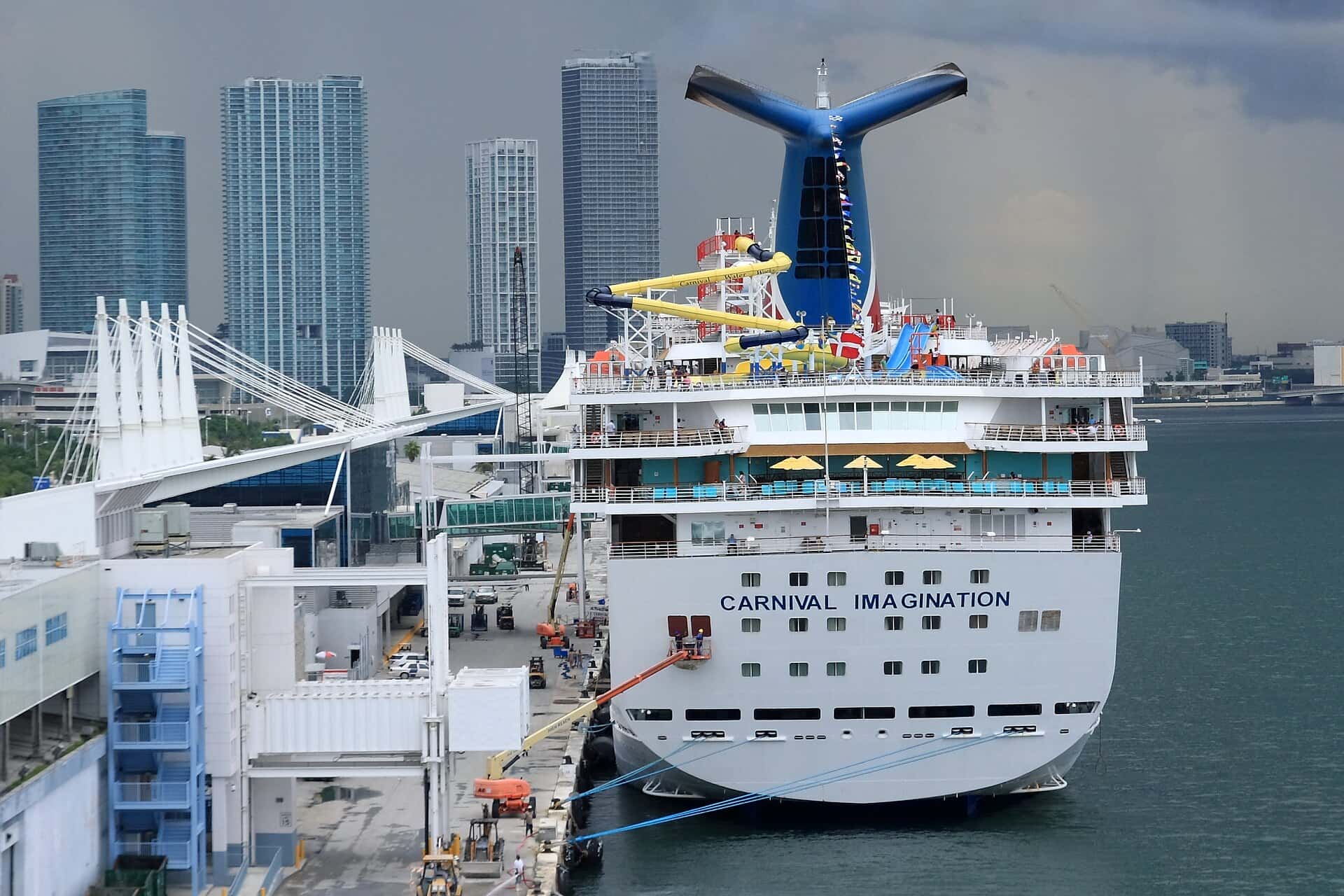
Florida's dominance of the global cruise industry is being reshaped by an intensifying rivalry among its own ports, with PortMiami investing heavily to handle the world's largest ships even as Port Canaveral has surged to edge it in annual passenger volume. The competition between Florida's cruise hubs reflects the extraordinary scale of an industry that anchors the state's tourism economy and makes Florida the undisputed center of cruising worldwide.
The stakes are enormous. Cruising generates billions in economic activity for Florida, supporting jobs at the ports, in the hospitality sector and across the supply chains that provision the ships. As cruise lines deploy ever-larger vessels and add itineraries, Florida's ports are competing and expanding to capture the growth, a contest that is driving major infrastructure investment up and down the coast.
PortMiami builds for the biggest ships
PortMiami, long billed as the cruise capital of the world, is making a major investment to maintain its standing. Construction began earlier in 2026 on Terminal G, a $345 million project designed to accommodate the largest ships in the fleet of Royal Caribbean Group, with the capacity to process roughly 7,000 passengers per ship call. The terminal is scheduled for completion in late 2027.
The investment reflects the trend toward enormous cruise vessels that carry thousands of passengers and require specialized terminal infrastructure to handle the volume of people embarking and disembarking. By building capacity for the largest ships, PortMiami is positioning itself to remain the home port for the marquee vessels that anchor cruise lines' fleets, a key to its long-term competitiveness.
Terminal G is part of PortMiami's broader strategy to retain its leadership through infrastructure that matches the scale of modern cruising. As ships grow larger, ports must invest to accommodate them, and PortMiami's willingness to commit hundreds of millions of dollars signals its determination to stay at the forefront of an industry it has long led.
Port Canaveral's rise
The competitive pressure is real, and it comes from within Florida. Port Canaveral, on the state's east-central coast, has grown into a powerhouse that recently edged PortMiami in annual passenger numbers, an achievement that underscores the shifting dynamics of Florida cruising. While PortMiami remains the largest port by scale and infrastructure, Port Canaveral's rise in passenger volume marks a significant competitive development.
Port Canaveral's success rests on its location and its appeal to cruise lines and passengers alike. Its proximity to the Orlando theme park market makes it a natural fit for travelers combining a cruise with an Orlando vacation, and a steady roster of ships from major lines calls there. The port hosts an array of large vessels, reflecting its growing importance as a homeport for major cruise brands.
That a second Florida port has grown large enough to challenge PortMiami in passenger volume illustrates the overall expansion of the cruise market and Florida's central role in it. Rather than a single dominant hub, Florida now boasts multiple major cruise ports competing for ships and passengers, a sign of the industry's health and of the state's unrivaled position within it.
The Florida angle
The cruise industry is a pillar of Florida's tourism economy, and its concentration in the state is staggering. Florida's ports handle a dominant share of the world's cruise passengers, and the industry's presence supports a vast network of economic activity, from direct port employment to the hotels, restaurants, transportation services and provisioning operations that depend on cruise traffic.
The competition among Florida's ports, far from being a zero-sum contest, reflects and reinforces the state's overall leadership. As ports invest to attract ships and passengers, they expand Florida's total cruise capacity and deepen the industry's roots in the state. The rivalry drives the kind of infrastructure investment, like PortMiami's Terminal G, that keeps Florida ahead of any competing destinations elsewhere.
The industry's economic importance gives the state a major stake in its continued growth. Cruise tourism generates tax revenue, supports tens of thousands of jobs and draws visitors who spend money beyond the ports themselves. The health of the cruise sector is therefore closely tied to the broader Florida economy, making the expansion and competition among its ports a matter of statewide significance.
What it means for Floridians
For Floridians who work in the cruise industry and the businesses that serve it, the expansion and competition mean continued opportunity. The investment in new terminal capacity and the growth in passenger volume support employment at the ports and across the hospitality and provisioning sectors, sustaining a major source of jobs in the regions surrounding the major cruise hubs.
For the regional economies of South Florida and the Space Coast, the cruise ports are economic engines whose growth ripples through their communities. PortMiami's investment strengthens South Florida's economy, while Port Canaveral's rise bolsters the Space Coast and its ties to the Orlando tourism market. The ports' fortunes are interwoven with the prosperity of their surrounding areas.
For Florida residents who cruise, the competition and expansion mean more options and modern facilities. The deployment of large new ships and the construction of terminals to handle them give passengers, including the many Floridians who take cruises, access to the newest vessels and improved embarkation experiences, a consumer benefit of the industry's growth.
The industry's trajectory
The broader cruise industry has been on a strong growth trajectory, with cruise lines adding capacity through new ships and expanding itineraries to meet robust demand. Carnival, Royal Caribbean and other major lines continue to invest in their fleets and in Florida operations, with new sailings and itineraries added from the state's ports, reflecting confidence in continued demand.
That growth drives the infrastructure investment now reshaping Florida's ports. As lines introduce larger ships and more sailings, ports must expand to accommodate them, creating the competitive dynamic visible in PortMiami's Terminal G project and Port Canaveral's rise. The industry's expansion and the ports' investments reinforce each other, propelling Florida's cruise sector forward.
The trajectory points toward continued growth and continued competition among Florida's ports for the ships and passengers driving it. With multiple major hubs investing and expanding, Florida is positioned to extend its dominance of global cruising, capturing the benefits of an industry that shows little sign of slowing. The contest among its ports is, ultimately, a competition to handle a growing pie.
Why ships keep getting bigger
The drive behind PortMiami's Terminal G investment is the cruise industry's relentless trend toward larger ships. Modern cruise vessels can carry several thousand passengers each, and the largest now approach or exceed the capacity of small towns. Cruise lines pursue this scale because larger ships spread fixed costs across more passengers and allow for the elaborate onboard amenities, dining, entertainment and attractions that have become central to the cruise experience and to the industry's marketing.
These megaships, however, require ports capable of handling them, from the physical dimensions of the berths to the capacity to embark and disembark thousands of passengers efficiently. A terminal designed to process roughly 7,000 passengers per ship call, as PortMiami's Terminal G is, reflects the logistical demands of the largest vessels. Ports that cannot accommodate such ships risk losing them to competitors that can, which is why investment in terminal capacity has become a competitive necessity.
The trend toward larger ships also concentrates economic impact at the ports that serve them. A single megaship call brings thousands of passengers, many of whom spend money in the surrounding area before or after their cruise, along with the provisioning and servicing the ship requires. Capturing those calls is therefore economically valuable, giving ports a strong incentive to build the infrastructure that attracts the biggest vessels.
For Florida, the megaship trend reinforces its advantages. The state's established ports, deep cruise line relationships and large nearby populations make it the natural home for the industry's largest vessels. As ships continue to grow, Florida's willingness to invest in the terminals to handle them, exemplified by Terminal G, positions it to remain the center of an industry defined increasingly by scale.
The cruise industry's health is also tied to broader factors that bear on Florida, including consumer demand for travel, fuel costs and the regulatory and public health environment that governs cruising. The sector has demonstrated resilience and a capacity for growth, and its continued investment in Florida ports signals confidence in the state as the foundation of its operations. That confidence translates into the long-term commitments, like the multiyear Terminal G project, that anchor the industry's presence in the state.
For the communities surrounding the ports, the industry's growth brings both opportunity and the responsibility of managing its effects, from traffic and infrastructure demands to the integration of large passenger volumes into local economies. Balancing the economic benefits of cruise tourism with its logistical demands is part of the ongoing work for port cities, even as the overall trajectory of the industry remains a significant positive for the regional and state economies.
What's next
PortMiami's Terminal G is scheduled for completion in late 2027, after which it will be able to handle the largest ships and the thousands of passengers they carry, reinforcing the port's capacity to serve the marquee vessels of the cruise fleet. In the meantime, the competition with Port Canaveral and other Florida ports will continue to shape the distribution of ships and passengers across the state.
For Florida, the expansion and rivalry among its cruise ports promise continued economic benefits and a deepening of the state's leadership in an industry it dominates. The challenge will be sustaining the infrastructure investment and operational capacity to keep pace with ever-larger ships and growing demand. For now, Florida's cruise ports are racing to build for the future, and the state's position at the center of global cruising appears secure.
Spotted an issue with this article?
Have something to say about this story?
Write us a letterComments
No comments yet. Be the first to weigh in.
Related Coverage

Democrat Nicole Locklin Challenges Longtime Rep. Mario Díaz-Balart in Redrawn 26th Congressional District
1h ago

SpaceX Launches Bandwagon-5 Rideshare From Cape Canaveral, Lighting Up a Brief Space Jellyfish Over Florida
18h ago

Kathy Castor and Mike Beltran enter final stretch of a tight race in a redrawn, Trump-leaning Tampa district
23h ago

G20 Summit at Trump National Doral Will Bring Road Closures and a Secret Service Security Zone to Miami-Dade in December
1d ago