Florida's Hunting, Fishing and Camping Sales Tax Holiday Runs Through Dec. 31
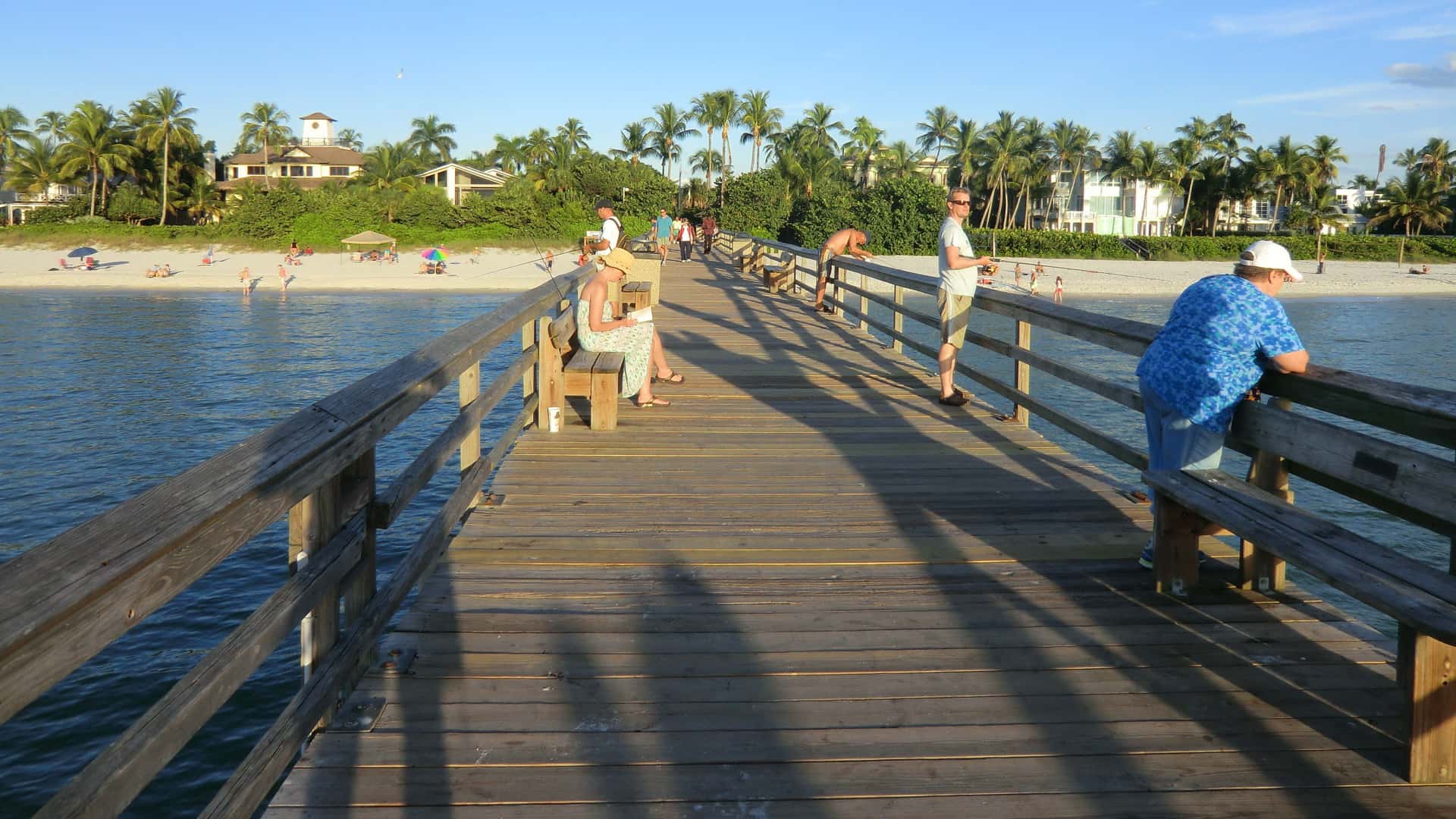
Florida's Hunting, Fishing and Camping Sales Tax Holiday took effect Sept. 1 and runs through Dec. 31, exempting a long list of outdoor equipment from state sales tax for four months. The holiday is unusual in both length and structure: most Florida tax holidays last days or weeks, and most apply price caps across the board. This one runs a third of the year, and it applies no price ceiling at all to hunting equipment including firearms, ammunition, bows and crossbows, while imposing specific dollar limits on fishing tackle and camping supplies.
What qualifies, and at what price
The hunting category is the most permissive. Firearms, ammunition, bows and crossbows qualify for the exemption with no limit on the ticket price, meaning a rifle costing several thousand dollars is exempt on the same terms as a box of shells.
Fishing supplies carry tighter caps. Individual bait and tackle items qualify at $10 or less, or $20 or less when sold as a bundled set. Tackle boxes and tackle bags qualify up to $30. Rods and reels qualify up to $75 each, or $150 for a matched rod-and-reel set sold together.
Camping gear falls in between. Lanterns and flashlights qualify at $30 or less. Camping stoves, portable hammocks, collapsible chairs and sleeping bags are exempt up to $50 each. Tents qualify at $200 or less, the highest cap in the camping category and one that covers most family-sized recreational tents sold at Florida retailers.
What does not qualify
The exemption applies to sales, not to services. Rental of qualifying items is excluded, and so is repair. A family renting camping equipment for a weekend at a state park pays tax on the rental, and a hunter having a firearm serviced pays tax on the repair work.
Location-based exclusions also apply. The holiday does not extend to sales made within a theme park, an entertainment complex, a public lodging establishment or an airport. That carve-out is standard across Florida sales tax holidays and is aimed at captive-audience retail settings where the exemption would function as a windfall rather than as consumer relief.
Retailers apply the caps item by item rather than to a transaction total. A shopper buying four $45 sleeping bags gets the exemption on all four, because each one falls under the $50 ceiling, while a single $60 sleeping bag is fully taxable. That is the mechanic worth understanding: an item priced above its cap is taxed on the entire price, not just on the amount over the limit, which is a common source of confusion at the register.
The fiscal and political context
Florida has leaned heavily on sales tax holidays as a form of tax relief, in part because the state has no personal income tax and therefore fewer levers for delivering visible savings to individual households. Back-to-school, disaster preparedness and recreation-themed holidays have become annual features of the budget, and the Legislature has extended several of them from days into months.
The four-month duration of this holiday effectively converts a temporary exemption into a seasonal policy. From September through December, the state simply does not collect sales tax on a defined category of goods. That is a meaningful revenue decision rather than a promotional gesture, and it is reflected in the state's revenue estimates for the fiscal year.
The unlimited exemption on firearms and ammunition is the provision that has attracted the most political attention. Supporters frame it as removing a tax on a constitutional right and as supporting Florida's hunting economy. Critics note that an uncapped exemption delivers its largest dollar benefit to the highest-value purchases, which is the opposite of how the capped categories are structured.
Timing with hunting season
The Sept. 1 start date is not arbitrary. It aligns with the opening of Florida's fall hunting calendar and with the period when hunters buy licenses, ammunition and equipment. Archery season opens in phases across Florida's hunting zones beginning in late summer, followed by crossbow, muzzleloading gun and general gun seasons on staggered schedules by zone.
The Dec. 31 end date carries the exemption through the December black bear season, for which the Florida Fish and Wildlife Conservation Commission is issuing 215 permits for hunts running Dec. 5 through Dec. 27. It also covers the holiday gift-buying period, when a meaningful share of outdoor equipment purchases occur.
For fishing, the window spans the fall run when Florida's inshore and offshore fisheries are among the most productive of the year, and the camping provisions cover the months when Florida weather is actually pleasant for it, which for most of the state means roughly October through March.
What it means for Floridians
The direct savings are modest per transaction and meaningful in aggregate for households that buy in these categories. Florida's state sales tax rate is 6 percent, with county discretionary surtaxes adding up to another 1.5 percentage points in some counties. On a $200 tent, that is a savings in the range of $12 to $15. On an uncapped firearm purchase, the savings scale with the price.
For Florida retailers, particularly independent outfitters, marinas and bait shops competing against online sellers, the holiday is a traffic driver during a stretch that includes the slowest tourism months in much of the state. Shops in the Panhandle, the Big Bend and inland North Florida see a disproportionate share of the benefit, because that is where hunting activity concentrates.
For state and local governments, four months without sales tax collections on these categories represents forgone revenue that counties feel through the discretionary surtax portion. County budgets that depend on surtax proceeds for infrastructure or transportation absorb a share of the cost of a decision made in Tallahassee.
Practical guidance for shoppers
The Florida Department of Revenue publishes a tax information publication listing qualifying items in detail, and retailers are expected to apply the exemption automatically at checkout. Shoppers who are charged tax on a qualifying item should raise it at the register rather than seeking a refund later, because the correction is far simpler at the point of sale.
Buyers should be aware that the caps apply to the sale price of a single item, not to a shopper's total. Discounts and coupons that bring an item under a cap generally make it eligible, while manufacturer rebates applied after purchase typically do not, because the taxable sale price at the time of the transaction is what governs.
Online purchases from retailers that collect Florida sales tax qualify on the same terms, provided the order is accepted during the exemption period. Shipping and handling charges can affect the calculation when they are part of the taxable sale price, an issue that surfaces most often on items priced just below a cap.
Florida's tax holiday habit
Sales tax holidays have become a fixture of Florida budgeting, and the state now runs more of them, for longer periods, than nearly any other. The annual calendar has included back-to-school holidays, disaster preparedness holidays timed to the start of hurricane season, tool-time holidays aimed at skilled trades, and recreation holidays like this one.
The political appeal is obvious. In a state with no personal income tax, the sales tax is the primary way most households interact with state revenue collection, and suspending it on identifiable categories produces visible, easily communicated relief. A tax cut that a family notices at the register is worth more politically than a comparable reduction delivered through a formula.
Economists are generally more skeptical. The recurring critique is that holidays shift the timing of purchases rather than increasing total consumption, and that some retailers adjust prices upward during the exemption period, capturing a portion of the benefit. Supporters counter that even timing shifts help households manage cash flow, and that the disaster preparedness holidays in particular encourage purchases that produce public benefits.
Who uses this exemption
Florida's outdoor recreation economy is substantial and geographically distinct from its tourism economy. Freshwater and saltwater fishing, hunting on public and private land, camping in state parks and boating support an industry that concentrates in parts of the state most visitors never see.
The state sells more than a million fishing licenses annually and maintains one of the largest recreational fishing economies in the country, with the Gulf and Atlantic coasts, the Everglades, the Keys and the state's inland lakes each supporting distinct fisheries. Hunting is smaller in participation but significant in the North Florida and Panhandle counties where it concentrates.
Those are also the parts of Florida with lower median incomes, which means a sales tax exemption on outdoor equipment reaches households for whom the savings are proportionally more meaningful. That distributional point is one of the stronger arguments for the holiday's design, at least in its capped categories, where the price ceilings direct the benefit toward mid-range rather than premium purchases.
What's next
The holiday runs uninterrupted through Dec. 31, with no intervening reset or reapplication. Retailers report exempt sales through their normal returns, and the Department of Revenue's guidance document remains the operative reference for edge cases.
The Legislature will revisit the structure when it convenes for the next session, and the recurring questions are whether the duration holds at four months, whether the uncapped hunting category survives in its current form, and whether the caps on fishing and camping items are adjusted for price levels that have moved since they were set.
For now, Floridians planning fall outdoor purchases have a defined window and a defined set of rules. The practical advice is to know the cap for the category before shopping, because in this holiday the difference between a fully exempt purchase and a fully taxable one is often a matter of a few dollars on the price tag.
Spotted an issue with this article?
Have something to say about this story?
Write us a letterComments
No comments yet. Be the first to weigh in.
Related Coverage
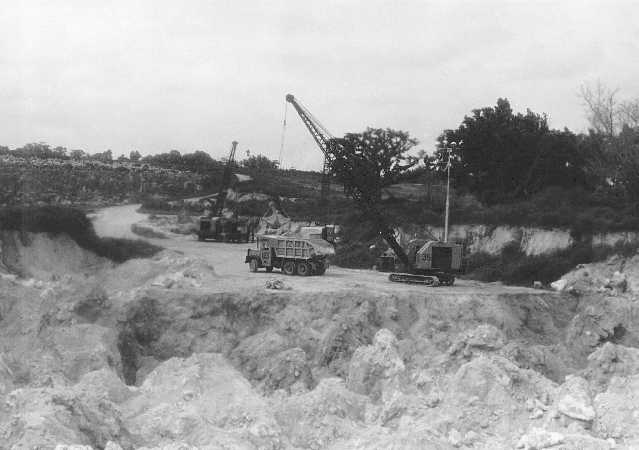
Mosaic to idle South Fort Meade phosphate operation Dec. 8, laying off 199 workers over sulfur shortage
4h ago
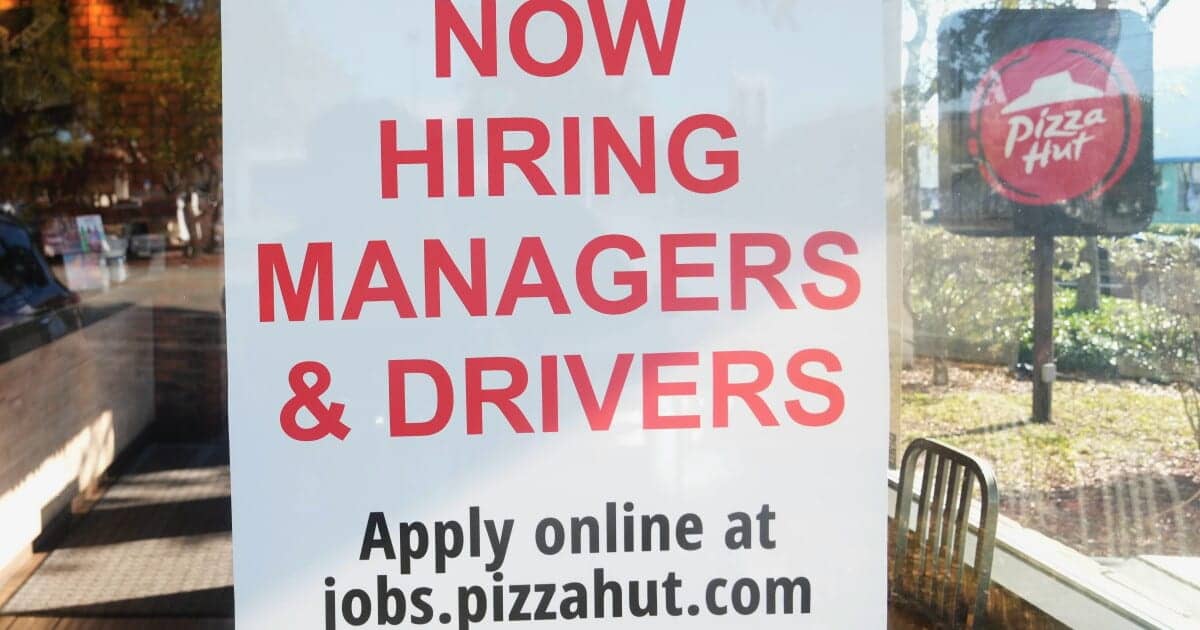
Florida unemployment rate falls to 4.4% in September, fourth straight monthly decline
8h ago

Florida utility regulators attended West Palm Beach retreat where industry-linked group paid their way
2d ago
Clearwater approves interim agreement for $180 million sports complex at The Landings Golf Course
2d ago