Florida's Space Coast Powers Through a Busy June Launch Schedule From Cape Canaveral
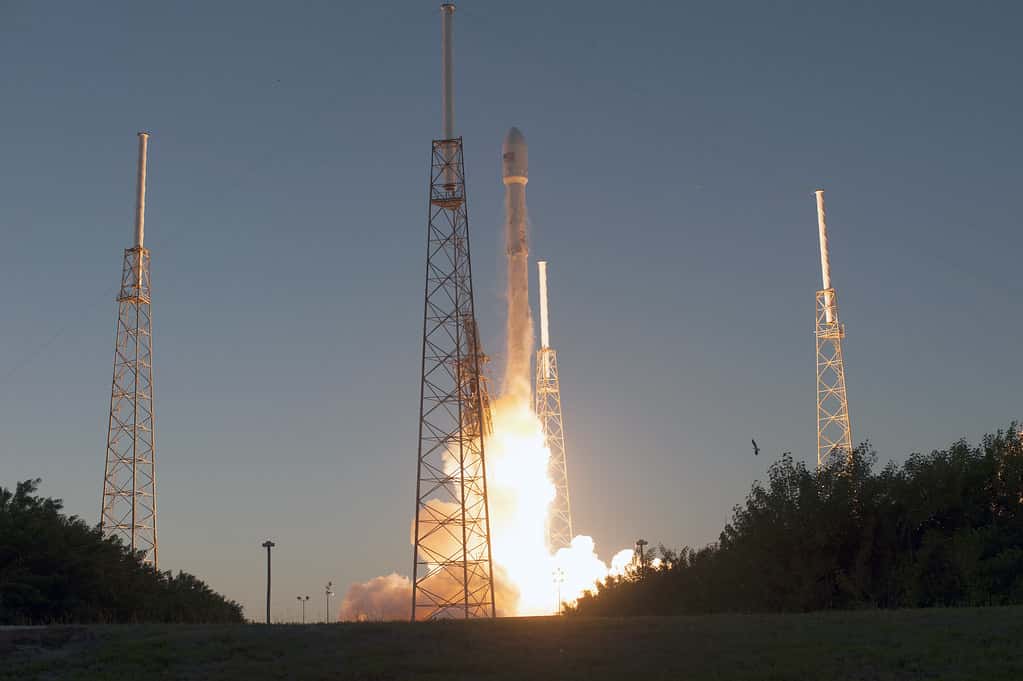
Florida's Space Coast is in the middle of another busy stretch, with a packed June launch schedule from Cape Canaveral underscoring the region's status as the beating heart of the booming commercial space industry. A series of missions, led by SpaceX but reflecting a broader surge in launch activity, keeps Brevard County and the surrounding communities firmly at the center of an industry that has transformed Florida's economy and global standing in spaceflight.
The cadence of launches from Florida has reached levels that would have been unimaginable a generation ago, when the end of the space shuttle program raised fears that the Space Coast might fade into decline. Instead, the rise of commercial spaceflight has revived the region, generating jobs, drawing investment, and turning rocket launches from rare spectacles into routine events that nonetheless still draw crowds to the beaches and causeways.
For Floridians, the steady drumbeat of launches is more than a source of pride. It represents a major economic engine, a magnet for high-technology employment, and a tourism draw that brings visitors to the region to witness rockets thunder into orbit. The June schedule offers a fresh reminder of how central space has become to Florida's identity and its future.
A full June manifest
The June schedule features a range of missions reflecting the diversity of the modern space economy, from communications satellites to constellations designed to expand connectivity around the globe. Among the planned launches are missions carrying satellites for commercial operators seeking to grow their networks, including large and technically ambitious spacecraft that push the boundaries of what can be deployed to orbit.
SpaceX continues to dominate the launch manifest, with its reusable Falcon 9 rockets flying at a pace that has redefined the economics of reaching space. The company's ability to recover and refly its boosters has driven down costs and increased the frequency of launches, making Florida the busiest spaceport in the world and a model for the industry's commercial transformation.
Launch dates in the space business are notoriously fluid, subject to change based on weather, technical readiness, and the complex choreography required to send spacecraft safely into orbit. Floridians who hope to watch a launch in person learn to check schedules frequently, since liftoff times shift often, but the sheer volume of activity means opportunities to see a rocket launch come around regularly.
The economic engine of the Space Coast
The resurgence of launch activity has been a boon for Brevard County and the broader Space Coast economy, supporting thousands of high-paying jobs in engineering, manufacturing, and operations. Companies across the space sector have expanded their footprints in the region, drawn by the infrastructure, the skilled workforce, and the proximity to launch sites that make Florida an ideal base for spaceflight.
The benefits extend well beyond the companies that build and launch rockets. A constellation of suppliers, contractors, and service providers has grown up around the industry, and the influx of workers supports housing, retail, restaurants, and the broader local economy. Universities and technical programs in the state have aligned their offerings to feed the demand for talent that the industry generates.
Tourism is another significant beneficiary, as launches draw visitors who fill hotels and restaurants and spend money throughout the region. The spectacle of a rocket launch has become a bucket-list experience for many travelers, and the consistent schedule of missions gives Florida a unique and renewable attraction that few other destinations can match.
NASA and the broader space effort
While commercial companies dominate the current launch manifest, NASA remains a foundational presence on the Space Coast, with Kennedy Space Center serving as a hub for the agency's exploration ambitions. The partnership between NASA and commercial providers has reshaped how the nation approaches spaceflight, with private companies handling routine launches while the agency focuses on deep-space exploration.
That collaboration has positioned Florida at the center of humanity's renewed push beyond low Earth orbit, including efforts to return astronauts to the Moon and lay the groundwork for eventual missions to Mars. The infrastructure and expertise concentrated on the Space Coast make it indispensable to those ambitions, ensuring the region's relevance for decades to come.
The mix of government and commercial activity gives Florida's space sector a resilience and breadth that protects it against the boom-and-bust cycles that once threatened the region. With multiple companies and agencies relying on the Space Coast's facilities, the industry's foundation is broader and more stable than at any point since the dawn of the space age.
Competition and the future of launch
SpaceX's dominance has not gone unchallenged, as other companies work to field their own rockets and capture a share of the growing launch market. Competitors are developing new vehicles and expanding their operations, and the increasing number of players promises to keep Florida busy as the industry grows and diversifies in the years ahead.
That competition is healthy for the Space Coast, which benefits from activity regardless of which company is launching. A more crowded field of launch providers means more missions, more jobs, and more investment flowing into the region, reinforcing Florida's position as the premier destination for reaching orbit and beyond.
The expansion of launch infrastructure to accommodate this growth is an ongoing project, with facilities being upgraded and built to handle the rising tempo of operations. Managing the increasing frequency of launches, including the logistics, safety, and environmental considerations involved, will be a defining challenge and opportunity for the region as the industry matures.
What it means for Floridians
For residents of the Space Coast and the wider state, the thriving space industry delivers tangible benefits in the form of employment, economic growth, and a sense of participation in one of humanity's grandest endeavors. The industry has helped diversify Florida's economy beyond tourism and agriculture, adding a high-technology dimension that pays well and points toward the future.
The launches also carry an intangible value, inspiring students and residents and reinforcing Florida's identity as a place where the future is being built. Schools across the region incorporate space into their curricula, and the visible presence of the industry encourages young Floridians to pursue careers in science, engineering, and technology.
As the June schedule plays out, Florida's Space Coast will continue to do what it has done for decades: send humanity's machines and ambitions into the sky. The difference now is the pace and the breadth of the activity, which have made Florida not just a participant in the space age but its indispensable hub.
Launch viewing and the visitor experience
One of the distinctive features of life on the Space Coast is the accessibility of launches to the public, with beaches, parks, and causeways offering vantage points where residents and visitors gather to watch rockets climb toward orbit. The spectacle has become a defining attraction of the region, drawing crowds that range from casual onlookers to dedicated enthusiasts who track every mission and travel specifically to witness a liftoff in person.
Local tourism operators have built offerings around the launch schedule, from viewing packages to educational experiences that capitalize on the public's fascination with spaceflight. The visitor complex at the region's space facilities draws large numbers of tourists year-round, and the steady cadence of launches gives travelers a compelling reason to time their visits around the chance to see a rocket leave the pad.
The unpredictability of launch timing, with delays and scrubs a routine part of the business, requires visitors to stay flexible, but the payoff of witnessing a successful launch is the kind of memory that keeps people coming back. For the region, that draw represents a renewable source of tourism that complements Florida's beaches, theme parks, and other established attractions.
Environmental and community considerations
The rising tempo of launch activity has prompted attention to its environmental and community impacts, from noise and traffic on launch days to the broader effects of an expanding industrial footprint. Managing those impacts responsibly is part of the challenge of sustaining the industry's growth without straining the natural areas and communities that surround the launch sites.
The Space Coast sits near sensitive coastal and wildlife habitats, and balancing the demands of an expanding industry with environmental stewardship is an ongoing consideration for officials and companies alike. Efforts to monitor and mitigate the effects of launch operations reflect an awareness that the region's natural assets are part of what makes it valuable and livable.
For the communities that host the industry, the benefits of jobs and economic growth come with the responsibility of planning for the infrastructure, housing, and services that a growing workforce requires. How the region manages that growth will shape the quality of life for residents and the long-term sustainability of the boom that has transformed the Space Coast.
What is next
Looking beyond June, the launch schedule shows no signs of slowing, with missions planned throughout the year that will keep the Space Coast humming. The long-term trajectory points toward even greater activity as commercial constellations expand, new rockets enter service, and exploration programs advance toward their ambitious goals.
Floridians can expect the rhythm of launches to remain a fixture of life on the Space Coast, with all the economic and cultural benefits that come with it. The region's challenge will be to manage its growth wisely, ensuring that the infrastructure, workforce, and communities can support an industry whose ceiling appears higher than ever.
For now, the message from Cape Canaveral is one of momentum. Florida sits at the forefront of a new era in spaceflight, and the busy June manifest is simply the latest chapter in a story that has made the Space Coast a source of jobs, pride, and wonder for the entire state.
Spotted an issue with this article?
Have something to say about this story?
Write us a letterComments
No comments yet. Be the first to weigh in.
Related Coverage

Monroe County Elections Chief Investigating Video of Apparent Armed Federal Agents Outside Keys Early Voting Site
1h ago

Frost and Lee File Bipartisan SLOTHS Act to Ban Sloth Imports After Orlando's Sloth World Deaths
2h ago
Democrat Nicole Locklin Challenges Longtime Rep. Mario Díaz-Balart in Redrawn 26th Congressional District
5h ago

SpaceX Launches Bandwagon-5 Rideshare From Cape Canaveral, Lighting Up a Brief Space Jellyfish Over Florida
21h ago