FSU Softball Earns No. 9 National Seed, Hosts Tallahassee Regional for 12th Consecutive Year
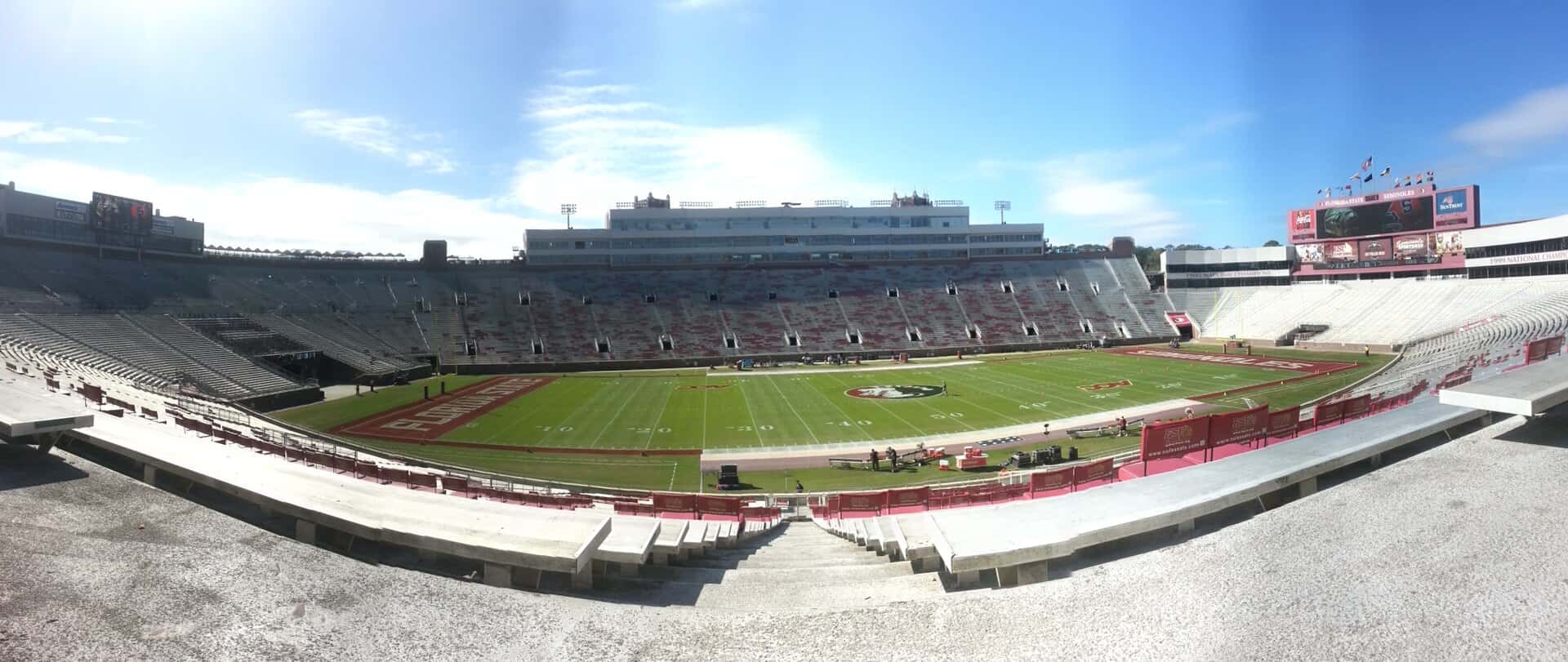
The Florida State Seminoles softball program continued one of the most remarkable streaks in collegiate athletics by earning a No. 9 national seed in the 2026 NCAA Softball Tournament, extending its streak of hosting an NCAA Regional to 12 consecutive seasons. FSU enters the postseason with a 49-8 record and the expectation of advancing deep into the tournament field as the program pursues its third national title and the program's place among softball's elite programs. The Seminoles will host Stetson University, the University of Central Florida, and Jacksonville State University at the Tallahassee Regional, with a potential Super Regional matchup against No. 8 national seed UCLA awaiting if both programs advance.
Twelve Years of Hosting
The achievement of hosting an NCAA Regional for the twelfth consecutive season is a testament to the sustained excellence Florida State has built under head coach Lonni Alameda, who has guided the program since 2011. Hosting status requires finishing in the top 16 nationally and receiving one of the coveted seedings that earns a program the right to run a regional tournament at its home facility. Maintaining that standard for more than a decade, through the inevitable year-to-year roster turnover that characterizes college athletics, requires consistent recruiting success, player development, and competitive performance in the Atlantic Coast Conference's demanding schedule.
JoAnne Graf Field in Tallahassee, the Seminoles' home venue, has become one of the most intimidating settings in college softball for visiting programs that must navigate a hostile home crowd and a program with a deep tradition of postseason success. The Seminoles' players who have come through the program in recent years have all been part of a culture that expects regional hosting as a baseline rather than a goal, a standard that reflects how thoroughly Alameda and the coaching staff have internalized excellence as the program's defining characteristic.
The streak of 12 consecutive hosting appearances is particularly impressive when measured against the broader landscape of college softball programs. Even the most consistently elite programs in the sport have occasionally missed the cut for regional hosting when a difficult schedule or a rash of injuries produced a year with fewer wins than the top-16 threshold requires. FSU's streak suggests a combination of consistent performance above the national median and the recruiting success that provides enough roster depth to sustain competitive play even when injuries or graduation losses thin the lineup.
The 49-8 Record and What It Reflects
Florida State's 49-8 record entering the tournament is a dominant performance by any measure, and the team's record against ACC competition in particular reflects the quality of the opposition Florida State has faced on its way to the tournament. The ACC has been one of the strongest conferences in college softball in recent years, and a 49-8 overall record compiled against a schedule that includes regular season and tournament competition against programs including Virginia Tech, Notre Dame, Louisville, North Carolina, and other ACC powers demonstrates genuine national-caliber ability.
The eight losses over the course of a 57-game schedule represent a rate of failure well below what most programs achieve even in strong years. Softball's format, which uses a pitching circle of only 43 feet from home plate and a ball that moves significantly faster relative to the batter's reaction time than baseball, creates a sport where any given game can be decided by a single dominant pitching performance. FSU's ability to win at a 86 percent rate suggests that the Seminoles are consistently deploying elite pitching alongside an offense that can generate runs against the best pitchers in the country.
Head coach Alameda has pointed to the team's depth in the circle as a primary factor in the season's success. Unlike programs that depend heavily on a single ace pitcher, FSU has deployed multiple pitchers capable of holding top-tier offenses in check, giving the coaching staff flexibility in managing pitch counts and matchups through both the regular season and the demands of the tournament schedule. That depth is a critical advantage in the regional format, where teams play as many as three games in two days and can deplete a thin pitching staff quickly.
The Tallahassee Regional Field
Florida State's three regional opponents, Stetson University from DeLand, UCF from Orlando, and Jacksonville State from Alabama, represent a mix of programs that are formidable in different ways. UCF, which competes in the Big 12 and has built a competitive softball program under its own coaching staff, is the most capable of the three opponents FSU will face and could provide a genuine challenge if the Knights advance to the regional final.
UCF's presence in the Tallahassee Regional creates an all-Florida angle to the early rounds, with in-state rivals meeting in what will be an emotionally charged game for players from both programs who have competed against each other or alongside each other in travel ball and high school competition. Inter-state matchups in the NCAA Tournament frequently produce tightly competitive games that diverge from the seeding expectations, and FSU-UCF encounters have a track record of competitive intensity regardless of the relative positioning of the two programs.
Stetson and Jacksonville State are the lower seeds in the regional field and are expected to face long odds against both Florida State and UCF, but regional upset history in college softball is rich enough that the Seminoles coaching staff will treat each game with the full preparation and respect that any postseason opponent deserves. Every team that reaches the NCAA Tournament has qualified by winning games, and any team can present challenges on a given day when pitching, defense, and timely hitting converge in its favor.
Super Regional Implications
The selection committee paired Florida State with No. 8 national seed UCLA as the potential Super Regional matchup if both programs advance from their respective regionals. The UCLA Bruins, competing at the Westwood campus in Los Angeles, are one of the most storied programs in college softball history and an annual presence among the sport's elite. A potential FSU versus UCLA Super Regional would be one of the most anticipated matchups in the tournament, pitting two programs with a combined dozen or more national championships against each other for a spot in the Women's College World Series.
The location factor matters in a Super Regional, where the higher seed hosts both games of the best-of-three format. With FSU seeded ninth and UCLA eighth, a potential matchup would bring the Seminoles to Los Angeles rather than to Tallahassee, removing the home-field advantage that has been such a consistent asset for FSU in the regional rounds. Road Super Regionals represent the most challenging obstacle for any program in the tournament, and the Bruins at home would be a significant test for even a 49-8 Seminoles team.
Florida State's Championship History
The Seminoles have won two national championships in program history, in 2018 and in 2021, both under Alameda's leadership. The 2021 title came in the first full Women's College World Series to be played at the format's home in Oklahoma City following a 2020 cancellation, and the championship validated Alameda's rebuilding of the program following the departure of several key players from the 2018 team.
The program's consistent top-10 national presence in the years between championships reflects the sustained standard that Alameda has established in recruiting and development. FSU regularly attracts players who are among the top recruits in the country, and the program's ability to develop those players into consistent contributors and All-Americans has been the foundation of both the championships and the consistent hosting streak.
What Fans Should Know About the Regional
The Tallahassee Regional games begin on Friday with a noon first pitch between Florida State and Stetson on ESPNU, giving fans both in Tallahassee and watching nationally a chance to see the Seminoles begin their postseason run. UCF and Jacksonville State will play at 2:30 p.m. on ESPN+. If the expected seeds advance, the regional final would be held on Monday, with the Super Regional round following the weekend of June 6-8.
Tickets for the Tallahassee Regional went on sale through Florida State Athletics following the selection announcement, and demand from the Seminoles' dedicated softball fanbase is expected to fill the stands at JoAnne Graf Field. The Tallahassee softball community has developed a genuine appreciation for the program over the years of hosting, and the combination of a highly seeded home team, in-state rival UCF as one of the opponents, and the stakes of a College World Series berth on the line creates compelling viewing for Florida softball fans across the state.
Florida State's Recruiting Excellence
The foundation of FSU softball's sustained success is a recruiting program that consistently attracts players from Florida's extraordinarily rich youth softball talent pool and from top producing states around the country. Florida produces more elite softball players per capita than virtually any other state, fed by warm weather that allows year-round outdoor play, a dense network of travel ball programs competing at the highest national levels, and a culture in which softball is a primary competitive sport for female athletes beginning in elementary school and continuing through high school and beyond.
Head coach Lonni Alameda has built relationships with youth coaches, travel programs, and families across Florida that give FSU consistent access to the state's top talent. Programs like Ocala Lightning, Florida Bombers, and dozens of other travel organizations in the state have sent players to FSU over the years, creating a network effect in which FSU's success generates interest from players who grew up watching FSU players go to college and succeed, inspiring the next generation to pursue a spot in the program.
The program's academic support resources, Florida State's academic reputation, and the professional opportunities that a high-profile softball program creates for players pursuing coaching, athletic administration, or media careers after their playing days are additional factors that make FSU an attractive destination for players who could compete at multiple programs. The combination of winning, player development, and post-playing career support gives Alameda a compelling recruiting pitch that has sustained the program's top-25 national presence across more than a decade of highly competitive collegiate softball.
Spotted an issue with this article?
Have something to say about this story?
Write us a letterComments
No comments yet. Be the first to weigh in.
Related Coverage
Rays await Guardians or White Sox in ALCS after sweeping Yankees; Game 1 Monday at Tropicana Field
1h ago

John Carlson scores twice, Dennis Hildeby makes 34 saves as Lightning hold off Wild 3-2
2h ago

Winless Dolphins host Bengals at Hard Rock Stadium seeking first win under Jeff Hafley
22h ago
Hurricane Isaias Scrambles Florida Sports: FSU Cancels Pensacola Games, FAMU Moves to Friday
1d ago