Miami Dolphins Open 2026 Training Camp With Rookies Reporting and Roster Battles Looming
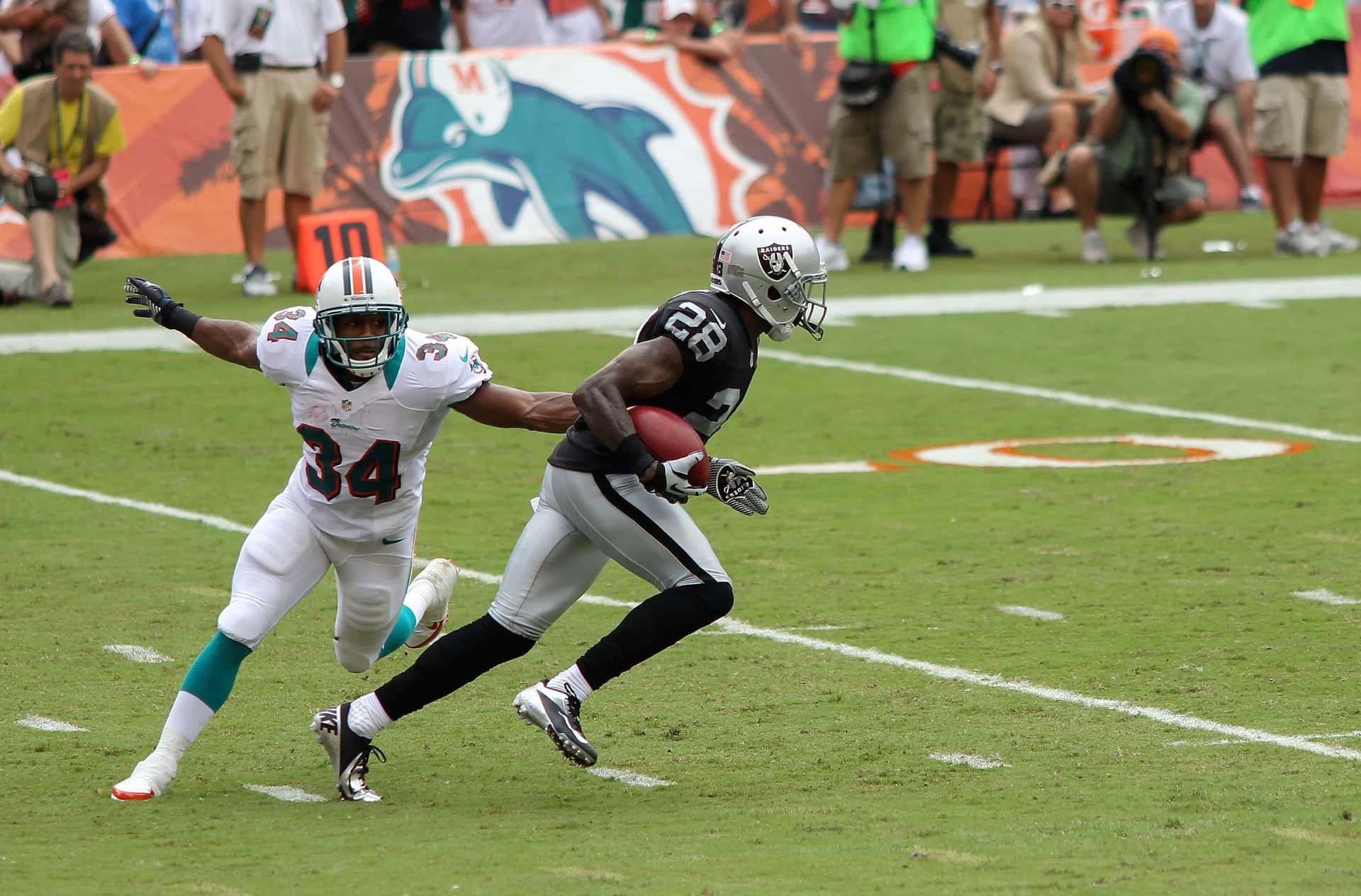
The Miami Dolphins are turning the page to a new season, with the team's 2026 training camp set to open as rookies report to the Baptist Health Training Complex in Miami Gardens. Rookies are due to report July 21 and veterans on July 28, kicking off a stretch of practices that will shape the roster and set the tone for the year ahead.
Fans will get a close look at the team through a series of open practices, beginning with the first public session on Sunday, August 2, held in conjunction with the NFL's Back Together Weekend. The Dolphins have scheduled eight practices open to the public, all free to attend, along with an additional session reserved for season-ticket members.
The camp arrives with familiar questions surrounding the roster, from position battles at several spots to the health and readiness of key players. For a franchise chasing a return to sustained success, the coming weeks in Miami Gardens represent the foundation on which the season will be built.
The camp schedule
The staggered reporting dates, rookies on July 21 and veterans on July 28, follow the standard rhythm of an NFL summer, giving first-year players extra time to acclimate before the full squad assembles. That head start allows the coaching staff to work with newcomers on the playbook and conditioning before the intensity ramps up with the veterans in the building.
The public practices begin August 2 as part of the league-wide Back Together Weekend, a tradition that reopens camps to fans across the NFL. The Dolphins will hold eight open practices at the Baptist Health Training Complex, all free of charge, along with a session set aside for season-ticket members, giving supporters multiple chances to watch the team up close.
A highlight of the schedule is a joint practice with the New York Giants on Thursday, August 20. Joint practices have become a valued part of camp across the league, allowing teams to test themselves against outside competition in a controlled setting and giving coaches a measuring stick beyond the daily work against their own teammates.
Position battles to watch
Every training camp is defined in part by the competitions that unfold across the depth chart, and the Dolphins enter this summer with several spots to sort out. The coaching staff will use the practices and preseason games to evaluate players jockeying for roles, and the decisions made over the coming weeks will determine the shape of the roster on opening day.
The tight end room is among the groups drawing attention, having been reshaped over the offseason. Greg Dulcich leads a remade unit that features a pair of draft picks in Will Kacmarek and Seydou Traore, along with free-agent additions Ben Sims and Cole Turner. How that group sorts out will be one of the storylines to follow as camp progresses.
Beyond the tight ends, the team has released a series of position-by-position previews covering the quarterbacks, running backs, wide receivers, and other groups, underscoring the breadth of competition across the roster. Camp is where those previews give way to practice, and where the players named as candidates for roles must prove they can hold them.
Players under pressure
For certain players, training camp carries added weight. Every roster includes individuals who cannot afford a slow start, whether because they are competing to keep a job, returning from injury, or shouldering heightened expectations after an offseason of change. The early practices often reveal who is ready to seize an opportunity and who has ground to make up.
The margin for error in the NFL is thin, and a strong camp can cement a player's standing while a poor one can cost a roster spot. Coaches watch closely for consistency, conditioning, and command of the scheme, and the players who impress in the daily grind of practice often earn the trust that translates into playing time when the games begin.
The pressure extends to the coaching staff as well, tasked with building a cohesive unit from a roster reshaped by the draft and free agency. Establishing chemistry, particularly among newcomers and returning players, is one of the central challenges of camp, and it is work that must be done before the season's stakes rise.
What it means for the season
Training camp lays the groundwork for everything that follows. The habits, conditioning, and chemistry established in the summer heat of Miami Gardens carry into the regular season, and teams that build a strong foundation in camp are often better positioned to weather the inevitable adversity of a long NFL year.
For the Dolphins, the offseason changes across the roster make the coming weeks especially important. Integrating new players, resolving position battles, and establishing an identity are the tasks at hand, and how the team handles them will offer early clues about its prospects. The preseason games that follow camp will provide the first live tests of the work done in practice.
Fans, meanwhile, will have their first extended look at the team since the previous season ended. The open practices offer a window into the roster's development and a chance to gauge the newcomers and the returning core alike. As the summer unfolds, the sessions in Miami Gardens will begin to answer the questions that hang over every team as a new season approaches.
Building through the offseason
The roster the Dolphins bring to camp was reshaped over an active offseason of drafting and free agency. The tight end room, remade with a mix of draft picks and free-agent additions, exemplifies the kind of turnover that leaves coaches with new pieces to integrate and combinations to test during the summer practices.
Offseason additions arrive with expectations, but training camp is where those expectations meet the reality of competition. Draft picks must prove they can handle the professional game, and free-agent signings must demonstrate that they fit the scheme and can contribute at the level their acquisition anticipated. The coming weeks will begin to sort out those questions across the roster.
Integrating the new arrivals with the returning core is one of the central tasks of camp. Building chemistry and establishing roles takes time, and the practices in Miami Gardens are designed to accelerate that process, giving the coaching staff the opportunity to blend the reshaped roster into a cohesive unit before the season begins.
The fan experience
The Dolphins have made much of camp accessible to their supporters, offering eight free public practices along with a session reserved for season-ticket members. The open practices, beginning with the August 2 session tied to the NFL's Back Together Weekend, give fans a chance to watch the team develop and to connect with a franchise that commands passionate support across South Florida.
Public practices have become a valued tradition, drawing fans who want an early look at the roster and the newcomers who could shape the season. The free access reflects the relationship between the team and its community, and the sessions offer supporters a stake in the summer's work and a reason to make the trip to the training complex.
The joint practice with the New York Giants on August 20 adds another attraction, giving fans a chance to see the Dolphins tested against an outside opponent. Such sessions have grown popular across the league, offering a preview of the competition to come and a measure of how the team stacks up against a different roster before the preseason games begin.
The preseason connection
Training camp flows directly into the preseason schedule, where the work done in practice faces its first live tests against outside competition. The preseason games provide coaches with the opportunity to evaluate players in game conditions, offering a clearer picture of who has earned a place on the roster and who has more to prove.
For players competing for jobs, the preseason games carry heightened significance, as strong performances can secure a roster spot while poor ones can end a bid. The evaluation that begins in camp culminates in the decisions about the final roster, and the preseason serves as the proving ground where those decisions take shape.
The joint practice with the New York Giants adds another dimension to that evaluation, giving the coaching staff a look at their players against a different opponent before the games begin. Such sessions have become valued tools across the league, allowing teams to test their preparation against outside competition in a controlled environment.
The progression from camp through the preseason is designed to have the roster rounding into form as the regular season approaches. Each phase builds on the last, from installing the scheme in practice to executing it in games, and the Dolphins will use the full arc of the summer to prepare for the challenges that await when the games that count begin in the fall.
The road ahead
From the reporting dates in late July through the open practices in August and the joint session with the Giants, the schedule is designed to build the team toward the season opener. Each phase serves a purpose, from installing the playbook to testing it against an outside opponent, and the progression is meant to have the roster rounding into form as the games that count draw near.
The Dolphins remain one of the most closely followed franchises in South Florida, and the passion of their fan base ensures that every development in camp draws scrutiny. The free public practices reflect the connection between the team and its supporters, giving fans a stake in the summer's work and a reason to make the trip to Miami Gardens.
As camp opens, the season stretches ahead full of possibility. The battles that play out over the coming weeks will determine who makes the roster, who earns a starting role, and how the team takes shape. For the Dolphins and their fans, the reporting of the rookies marks the official start of the journey toward the fall.
Spotted an issue with this article?
Have something to say about this story?
Write us a letterComments
No comments yet. Be the first to weigh in.
Related Coverage
Rays await Guardians or White Sox in ALCS after sweeping Yankees; Game 1 Monday at Tropicana Field
1h ago
John Carlson scores twice, Dennis Hildeby makes 34 saves as Lightning hold off Wild 3-2
2h ago
Winless Dolphins host Bengals at Hard Rock Stadium seeking first win under Jeff Hafley
22h ago
Hurricane Isaias Scrambles Florida Sports: FSU Cancels Pensacola Games, FAMU Moves to Friday
1d ago