Marlins' Wild-Card Push Stumbles as Brewers' Walk-Off Completes a Sweep
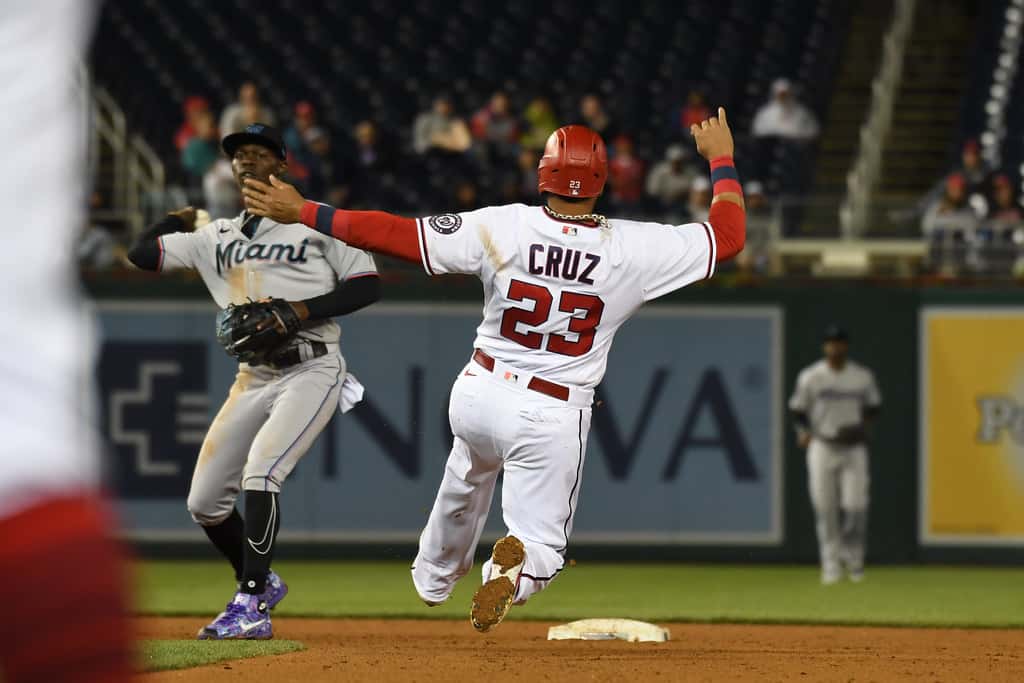
The Miami Marlins were one out from salvaging the final game of a difficult road trip. Instead, they were reminded how quickly a promising season can turn cruel. William Contreras drove a three-run home run into the left-center field seats in the bottom of the ninth inning on Sunday, lifting the Milwaukee Brewers to a 3-1 victory and completing a three-game sweep that has stalled Miami's climb in the National League wild-card race.
For a team that has spent the summer trying to prove its early-season surprise was no fluke, the loss stung on every level. The Marlins had pitched brilliantly, held a lead into the ninth, and looked poised to head home with a split before the bullpen surrendered the game in a matter of pitches. Sweeps are the kind of stretch that can quietly reshape a playoff picture, and this one came at an inopportune time.
How the game slipped away
Miami carried a 1-0 lead into the ninth, built largely on a home run from Esteury Ruiz and a strong outing from its starting pitcher. The Brewers had managed just two hits on the day and had been thoroughly stifled, the kind of game the Marlins have learned to close out during their better stretches this season. Then the ninth inning unraveled with startling speed.
Jackson Chourio opened the frame with a single against Marlins closer Pete Fairbanks, and Brice Turang followed with a walk to put the winning run on base. After a strikeout brought Milwaukee to its final out, Contreras fell behind in the count before turning on a pitch and sending it to left-center, a booming, sudden ending that flipped a 1-0 deficit into a 3-1 Brewers win in an instant.
The sequence was a gut punch precisely because so much had gone right. A team does not often lose a game in which it allows only a handful of hits and leads into the ninth, and the Marlins will replay the final at-bats for days. In a tight wild-card race, the margin between a series split and a sweep can be a single mistake over the plate.
A tough series in Milwaukee
The walk-off capped a series in which the Brewers found a way to win each of the three games, tightening the screws on a Marlins club that had been playing meaningful summer baseball. Milwaukee's ability to grind out victories, including a comeback earlier in the set, exposed the fine margins that separate contenders from pretenders over a long season.
For Miami, the sweep is a setback but not a verdict. The season is long enough that a single bad series in a hostile ballpark does not define a team, and the Marlins have shown resilience in bouncing back from rough patches before. The concern is less about one weekend than about whether the bullpen can be trusted to protect late leads down the stretch.
The Marlins' young starting pitching has been a genuine strength, and Sunday's game was another example: dominant work through the middle innings, wasted by a late collapse. Converting that starting-pitching foundation into wins will require the back of the bullpen to hold up under pressure, an area every contender obsesses over as the trade deadline nears.
Where the wild-card race stands
The National League wild-card picture remains crowded, with several teams clustered within striking distance of the final spots. That density is both an opportunity and a warning for the Marlins: it means they are still very much in the hunt, but it also means that a sweep can cost precious ground in the standings that is difficult to recover.
Every series over the coming weeks carries added weight in a race this tight. Games against fellow contenders swing the standings by two spots at once, and even series against non-contenders can quietly decide a team's October fate. The Marlins cannot afford many more weekends like the one they just endured in Milwaukee.
The looming trade deadline adds another layer of intrigue. A team hovering near a playoff spot must decide whether to add pieces, particularly bullpen help, or to stand pat, and Sunday's loss made the case for reinforcements about as vividly as a single game can. Miami's front office will weigh whether this roster is a genuine contender worth bolstering.
What it means for the Marlins
For a franchise that has spent recent years rebuilding, simply being relevant in July is a marker of progress. A young Marlins team competing for a playoff berth energizes a fan base and validates the organization's long-term plan, even on a weekend when the results did not go their way. The bigger picture remains encouraging.
But contention also raises the stakes of every stumble. The players and coaches understand that a wild-card race is decided in the aggregate, one taut game at a time, and that the difference between playing in October and watching it often comes down to a handful of late innings like Sunday's. The Marlins must turn the page quickly.
The bullpen question
Sunday's loss put a spotlight on the area most likely to determine how far this Marlins team can go: the bullpen. A relief corps that surrenders a lead in the ninth inning of a game the team had controlled is precisely the kind of vulnerability that can sink a playoff push, and it is the sort of problem that keeps managers and front offices awake in July. Miami's relievers have had bright moments this season, but late-inning consistency has been elusive.
The challenge is that bullpens are volatile by nature. A group that looks dominant for a month can spring leaks the next, and even the best closers blow saves. What separates contenders is depth, the ability to withstand an off night from one arm because others can pick up the slack, and reliable late-inning options who can be trusted with a one-run lead in a hostile ballpark.
For a young Marlins club, building that depth is a work in progress. The team's strength has been its starting pitching, and converting quality starts into wins requires a bridge from the rotation to the finish. Sunday's collapse was a vivid illustration of what happens when that bridge gives way, and it will weigh on the front office's thinking as the trade deadline approaches.
A young core learning to win
Beyond the immediate standings, the deeper story of this Marlins season is a young roster learning what it takes to win meaningful games. Contending in July is a new experience for many of these players, and the pressure of a pennant race, with its scrutiny and its razor-thin margins, is different from anything a rebuilding team faces. Losses like Sunday's are painful, but they are also formative.
The best organizations treat these moments as investments. A young team that competes for a playoff spot, even if it falls short, gains experience that pays dividends in future seasons, learning to handle adversity, to close out tight games, and to perform when the results matter. The Marlins' relevance in the second half is itself a marker of how far the franchise has come.
That perspective does not ease the sting of a sweep, and the players and coaches are focused on winning now rather than on long-term development. But for a fan base and a front office that endured leaner years, the fact that these games carry weight at all is a sign of progress, and the lessons of a hard weekend in Milwaukee are part of the maturation of a promising club.
The trade deadline looms
Sunday's loss sharpened a decision the Marlins front office must soon make: whether to buy, sell, or stand pat as the trade deadline approaches. A team clinging to the fringes of a playoff race faces one of the toughest calls in baseball, weighing the cost of adding talent against the risk of mortgaging the future for a run that may fall short.
The case for adding is clear enough after a game like Sunday's. A bullpen that surrendered a late lead is exactly the kind of weakness that contenders address at the deadline, and acquiring reliable relief help could be the difference between reaching October and watching it. But such additions carry a price in prospects, a currency a young, ascending team is often reluctant to spend.
The alternative, standing pat or even selling, would signal a longer view, prioritizing the continued development of a young core over a push that the standings suggest is a long shot. Which path the Marlins choose will reveal how the organization assesses this team, and Sunday's outcome is one more data point in that consequential decision.
What is next
Miami returns to action looking to steady itself and stop the bleeding after the sweep. Getting back to loanDepot park, where the club has generally played better, offers a chance to reset in front of home fans and rebuild momentum before the schedule intensifies.
The season's second half will test whether this Marlins team is built to withstand the pressure of a pennant race. The talent, particularly on the mound, is real. The question is whether they can close out the tight games that a wild-card push demands. A single sweep does not end a season, and the Marlins have shown they can respond to adversity, but the margin in a crowded race leaves little room for extended slumps, and how the team answers this setback will say a great deal about its October ambitions. The Florida Press will continue to follow the Marlins as the race unfolds, tracking each series, each roster decision, and each twist in a wild-card chase that will run all the way to the season's final weeks.
Spotted an issue with this article?
Have something to say about this story?
Write us a letterComments
No comments yet. Be the first to weigh in.
Related Coverage

Rays await Guardians or White Sox in ALCS after sweeping Yankees; Game 1 Monday at Tropicana Field
5h ago

John Carlson scores twice, Dennis Hildeby makes 34 saves as Lightning hold off Wild 3-2
6h ago
Winless Dolphins host Bengals at Hard Rock Stadium seeking first win under Jeff Hafley
1d ago
Hurricane Isaias Scrambles Florida Sports: FSU Cancels Pensacola Games, FAMU Moves to Friday
1d ago