Gators Baseball Season Ends in Gainesville Regional Upset by Troy
For the second straight year, the Florida Gators' baseball season ended on their own field, and this time the disappointment carried an extra sting. As the No. 8 overall national seed and host of the Gainesville Regional, Florida entered the NCAA Tournament with high expectations and the comfort of home. Instead, the Gators stumbled in front of their own crowd, dropping two games to Troy and watching the Trojans punch their ticket out of Gainesville while Florida's promising 41-21 campaign came to an abrupt close.
The regional, held May 29 through June 1, was the 20th NCAA regional in program history and brought Miami, Troy, and Rider to Gainesville alongside the host Gators. A field that included an in-state rival in Miami and a familiar power in Florida set up a weekend the Gators were favored to control. For three days, though, the bracket refused to cooperate, and a team built to make a deep run instead found itself eliminated before the postseason had truly begun.
The result extended a frustrating pattern for one of college baseball's most established programs. It marked the second consecutive season that Florida's run ended in regional play, a sharp contrast to the back-to-back College World Series appearances the Gators made in 2023 and 2024. For a fan base accustomed to deep Junes in Omaha, two straight early exits raise pointed questions about a program that has set a high bar under longtime head coach Kevin O'Sullivan.
A strong start that gave way
The weekend did not begin badly for Florida. The Gators opened with an 8-7 win over Rider, a tight victory that demanded a full effort but kept them on the winning side of the bracket. It was the kind of close game that good teams survive in tournament play, and it set Florida up to take control of the regional with a strong showing in its next outing. The early signs pointed toward the host team asserting itself.
Then came the offensive explosion. In its second game, Florida overwhelmed in-state rival Miami 22-10, a slugfest in which the Gators launched seven home runs. The barrage was a reminder of the lineup's ceiling, a display of the kind of power that can carry a team through a postseason. For a moment, it appeared Florida had found its footing and that the regional would unfold as expected, with the No. 8 national seed steamrolling toward a super regional berth.
The momentum did not hold. The same Troy team Florida needed to beat turned the bracket on its head, knocking off the Gators 16-11 in a high-scoring game that exposed cracks in Florida's pitching. Suddenly the host had to win again to keep its season alive, and the pressure shifted entirely onto a team that had looked dominant just a day earlier. The path that seemed so clear after the rout of Miami had narrowed to a single must-win game.
Troy seizes the moment
In the deciding game, Troy left no doubt. The Trojans handled Florida 10-2, a far more comfortable margin than the back-and-forth scores that had defined the weekend, and the result sent the host team home. After the offensive fireworks earlier in the regional, the Gators' bats went quiet at the worst possible time, and Troy's pitching and timely hitting carried the visitors to the regional title. The upset was complete.
For Troy, the win represented a signature achievement, the kind of result that defines a program's season and earns it a place in the next round. Beating a host team twice in a single regional, especially one seeded as high as Florida, is a substantial accomplishment in college baseball, where home-field advantage and seeding are supposed to carry real weight. The Trojans advanced, having authored one of the more memorable upsets of the tournament's opening weekend.
The two losses to the same opponent will sting for Florida. The 16-11 defeat and the 10-2 elimination came against a team the Gators were expected to handle, and the manner of the second loss, a lopsided margin in a win-or-go-home game, made the exit all the more deflating. A weekend that began with an 8-7 escape and a 22-10 rout ended with the host team watching another club celebrate on its field.
O'Sullivan's program at a crossroads
Kevin O'Sullivan has built Florida into a national power over nearly two decades, and the 2026 season was his 19th at the helm. Under his direction the Gators have become a fixture in the NCAA Tournament and a regular contender for the sport's biggest stage, with the College World Series trips of 2023 and 2024 standing as recent high points. That track record is precisely why the back-to-back regional exits register as such a disappointment.
A 41-21 record is, by most measures, a successful season. Forty-plus wins and a high national seed reflect a program operating at a strong level, and Florida earned the right to host a regional on the strength of that body of work. Yet at a place where the standard is Omaha, regular-season success is judged against postseason results, and two consecutive early exits inevitably invite scrutiny of how a talented roster fell short when the stakes were highest.
The challenge for O'Sullivan and his staff is to translate clear regular-season strength into postseason durability. Florida's offense showed its power in the 22-run outburst against Miami, but the pitching that surrendered 16 runs to Troy proved the difference in the games that mattered most. Sustaining a deep tournament run requires both ends of the game to hold up, and this regional exposed an imbalance that the program will work to address heading into the offseason.
The weight of recent history
The contrast with recent seasons sharpens the disappointment. Just two and three years ago, Florida was playing into June and reaching the College World Series in consecutive trips, the kind of sustained excellence that cements a program's national standing. Those 2023 and 2024 runs raised expectations and reinforced the sense that the Gators belonged among the sport's elite, deep into the postseason every year.
Now the program has seen two straight seasons end in regional play, a step backward from that peak. In a sport where the margins are thin and a single bad weekend can undo months of strong play, even elite programs face years that end earlier than hoped. Still, for Florida, the back-to-back early exits represent a notable cooling from the heights of the College World Series years, and the fan base will be eager to see the trend reversed.
The Gainesville Regional itself carried symbolic weight as the 20th in program history, a marker of how consistently Florida has earned postseason hosting rights. Hosting a regional is an honor reserved for the sport's stronger teams, and Florida's long run of doing so speaks to O'Sullivan's sustained success. That made the loss on home soil, in front of the program's own supporters, all the more difficult to absorb.
The Florida flavor of the regional
The Gainesville Regional carried an unmistakable in-state flavor, with Florida and Miami sharing the bracket in a meeting between two of the most recognizable names in college baseball. The Hurricanes have their own deep tournament history, and seeing the two programs collide in the same regional gave the weekend an added layer of intrigue for fans across the state. Florida's 22-10 win over Miami was, in that sense, a statement against a familiar rival, even as it ultimately did little to alter the regional's outcome.
That in-state subplot is part of what makes the bracket's resolution so striking. Florida emphatically handled Miami, the team many would have viewed as its toughest competition for the regional title, yet still failed to advance. The Gators solved the rival they knew well and fell to the team they were supposed to beat comfortably, an inversion of expectations that captures how unpredictable single-elimination postseason baseball can be. The seeding said one thing; the games said another.
For Florida's broader baseball footprint, the regional reinforced both the state's strength in the sport and its volatility. The Gators and Hurricanes drawing into the same field underscored how much top-tier college baseball talent the state produces, while Troy's run reminded everyone that the gap between elite seeds and hungry underdogs can vanish over three days in late spring. Florida hockey, basketball, and football command much of the state's attention, but the college baseball postseason remains one of its most compelling and unpredictable annual stages.
What's next for Florida baseball
The immediate task for Florida is the familiar offseason work of reloading. College baseball rosters churn constantly through the draft, the transfer portal, and incoming recruiting classes, and the Gators will lose some players while welcoming others. O'Sullivan has navigated those cycles successfully for years, and the program's resources and reputation remain strong assets in rebuilding a roster capable of contending again.
The deeper question is how to fortify the pitching and the postseason poise that proved decisive against Troy. A lineup that can score 22 runs in a tournament game is a foundation worth building on, but the staff will need to find the arms and the consistency to keep the Gators alive when the bats cool. Addressing that balance will be central to ensuring that the next high national seed translates into a deeper June than the last two have produced.
For now, Florida baseball heads into the summer with a 41-21 season and a second straight regional exit to reflect on. The talent and the standard remain, as does the expectation that a program of this stature returns to the College World Series sooner rather than later. The disappointment of the Gainesville Regional will linger, but it also sets the stage for an offseason of recalibration, with the goal of restoring the deep tournament runs that defined Florida baseball just a few years ago. The Gators will be back in the field next spring; the work of getting further begins now.
Spotted an issue with this article?
Have something to say about this story?
Write us a letterComments
No comments yet. Be the first to weigh in.
Related Coverage

C.J. Hicks' Record 96-Yard Fumble Return Sparks USF's 29-2 Homecoming Win Over Kent State
2h ago
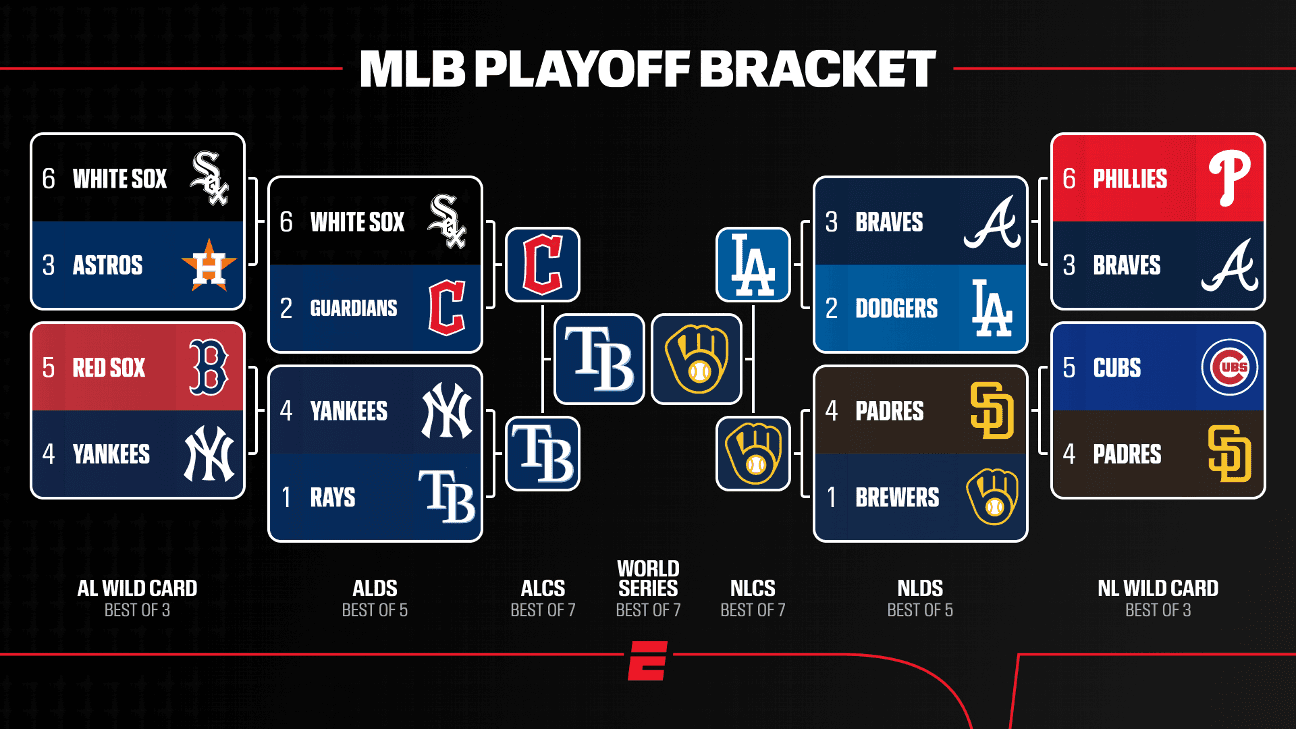
Rays vs. Brewers World Series Preview: Schedule, Tickets and a Guaranteed First-Time Champion
19h ago

Magic Open Sean Sweeney Era Against Hawks at Kia Center With Franz Wagner's Shoulder in Question
22h ago

Heat Open Season vs. Timberwolves as Giannis Antetokounmpo Makes Miami Debut and LaMelo Ball Starts in Minnesota
1d ago