Gators' Season Ends in Stunning Fashion as Troy Wins Gainesville Regional on Florida's Home Field
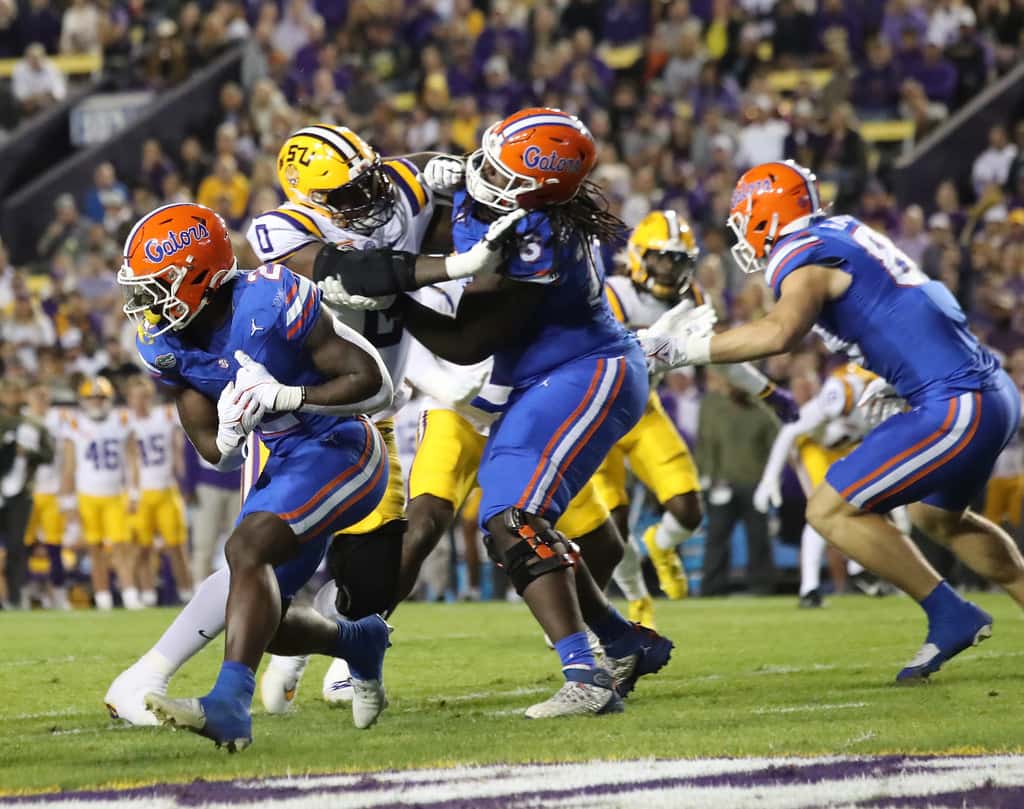
Florida's promising baseball season came to an abrupt and stunning end at Condron Family Ballpark, where Troy knocked off the host Gators 10-2 in a winner-take-all Gainesville Regional final. The loss ended the season for a Florida team that entered the NCAA Tournament as a national seed and was expected to make a deep run toward Omaha.
Instead, it was Troy celebrating on Florida's home field, advancing to the first super regional in program history. The Trojans, who had to navigate the loser's bracket to reach the final, outslugged and outlasted a Florida club that simply could not match their offensive surge over the regional's decisive games.
How the regional unfolded
Florida opened the Gainesville Regional in strong fashion, holding seed as the No. 8 overall national seed and hosting at home. The Gators beat Rider 8-7 in their opener and then unleashed an offensive explosion against in-state rival Miami, winning 22-10 in a game in which Florida hit seven home runs, including five in a single inning.
But the bracket turned. Troy defeated Miami to stay alive and then beat Florida 16-11, forcing a winner-take-all final. In that decisive game, the Trojans completed the upset with a 10-2 victory. Over the final two days of the regional, Troy outscored Florida 26-13, seizing momentum at exactly the wrong time for the Gators.
In the clinching game, Troy's Jabe Boroff delivered the decisive blow, hitting a three-run home run and driving in five runs to power the Trojans past the host team. Florida's pitching could not contain the Troy lineup, and the Gators' bats, so explosive earlier in the regional, went quiet when it mattered most.
A disappointing end for a national seed
For Florida, the result stings precisely because of the expectations that surrounded the program. As the No. 8 overall national seed, the Gators earned the right to host both a regional and, potentially, a super regional, a path designed to favor a run to the College World Series. Hosting on home turf is among the biggest advantages in postseason college baseball.
The Gators marked their 20th NCAA Regional appearance and were hosting a regional for the first time since 2023, underscoring the program's pedigree. Florida has been a fixture in the national conversation in college baseball, and an early exit on home soil represents a significant disappointment for a team with championship aspirations.
The way the season ended, with the offense erupting against Miami before falling flat against Troy, captures the unforgiving nature of NCAA Tournament baseball. The regional format, with its loser's bracket and the possibility of a winner-take-all final, can undo even the most talented teams when a hot opponent catches fire at the right moment.
Troy's historic breakthrough
While the result was a blow for Florida, it was a landmark achievement for Troy. The Trojans reached the super regional round for the first time in program history, a breakthrough for a team that entered the regional as an underdog on the road. Their resilience in the loser's bracket and their offensive firepower in the final two games carried them to the milestone.
Troy advances to face Little Rock, the No. 4 seed that won the Hattiesburg Regional, in a best-of-three super regional with a berth in the College World Series on the line. For a program chasing its first trip to Omaha, the path now runs through that series.
The Trojans' run is the kind of Cinderella story that makes the NCAA Tournament compelling, and their upset of a national seed on the road will stand as one of the signature results of the regional round.
What it means for Florida fans
For Gators fans, the early exit closes a season that carried real championship hope. College baseball has deep roots in Florida, where the warm climate supports year-round play and the state's programs regularly contend on the national stage. An early ouster of one of the state's flagship programs disappoints a passionate fan base accustomed to deep postseason runs.
The loss also reshapes Florida's representation in the postseason. With the Gators out and rival Miami also eliminated in the same regional, the state's college baseball footprint in the remainder of the tournament is diminished, a notable outcome given the strength Florida programs typically bring to the postseason.
Attention now turns to the offseason, where the program will assess what went wrong and reload for next year. Roster turnover, recruiting, and the transfer portal will shape the next edition of Gators baseball as the program seeks to convert its regular-season strength into postseason success.
The unforgiving math of regional baseball
The Gainesville Regional's outcome is a case study in why the NCAA Tournament's regional format is so brutal for favorites. The double-elimination structure means a team can lose once and still survive, but it also gives a hot underdog multiple chances to topple a higher seed. Troy took full advantage, working through the loser's bracket and then beating Florida twice in succession to claim the regional.
For Florida, the format magnified a stretch of poor timing. The Gators looked dominant in their 22-10 rout of Miami, a performance that suggested a team rounding into form at the right moment. But baseball's volatility means that a lineup capable of seven home runs in one game can go cold in the next, and Florida's bats fell silent precisely when the stakes were highest.
Pitching depth often determines regional outcomes, as teams must navigate multiple games in a short span. Troy's ability to score 26 runs over the final two games against Florida exposed the difficulty the Gators had in containing a confident, surging opponent. In a format that rewards the team playing best at the end, momentum proved decisive.
The result is a reminder that regular-season success and a high seed guarantee nothing in the postseason. College baseball's tournament has produced upsets like this one many times, and the Gators became the latest national seed to discover that hosting advantages can evaporate against an opponent that catches fire.
Florida's place in college baseball
College baseball holds a special place in Florida, where the warm climate supports year-round play and the state's programs consistently rank among the nation's best. The Gators, along with in-state rivals like Miami and Florida State, have long been fixtures in the national conversation, and the sport enjoys a passionate following across the state.
Florida's high schools produce a steady stream of talent, and the state's college programs both recruit that talent and draw players from across the country. The depth of baseball in Florida means that postseason disappointments are felt keenly, as fans hold their programs to high standards built on a tradition of success.
The early exits of both Florida and Miami from the Gainesville Regional diminish the state's representation in the remainder of the tournament, an unusual outcome for a state that typically sends multiple teams deep into the postseason. That absence will be felt as the tournament progresses toward Omaha without two of the state's flagship programs.
For the Gators specifically, the loss adds urgency to the offseason and to the program's pursuit of a national title that has remained elusive in recent years. The resources, fan support, and recruiting pull are all in place; converting those advantages into a deep tournament run remains the challenge the program must solve.
What's next
For Florida, the immediate future is the offseason and the work of rebuilding toward another tournament run. For a program with the Gators' resources and history, expectations will again be high heading into next season, and the sting of this early exit will fuel the effort to return to Omaha.
For Troy, the focus is squarely on the super regional against Little Rock and the chance to reach the College World Series for the first time. The Trojans carry the momentum of their regional triumph into the next round, where the higher-seeded team hosts the best-of-three series.
The College World Series is scheduled to take place at Charles Schwab Field in Omaha, and the super regional round determines the eight teams that will compete there. Florida, this year, will be watching from home, its season ended on its own field in one of the regional round's most surprising results.
The offseason ahead will test the program's ability to retain and reload talent in an era when the transfer portal and the changing landscape of college athletics have made roster continuity more difficult than ever. Coaches across college baseball must now manage rosters that can turn over significantly from year to year, and how Florida navigates that environment will shape its prospects for a bounce-back campaign.
For the players who saw their season end against Troy, the loss will sting, particularly for those whose college careers may have concluded. For the underclassmen and incoming recruits, it becomes motivation for the year ahead. Programs with Florida's pedigree are measured by deep postseason runs and national titles, and the early exit only sharpens the focus on returning to that standard. The Gators will spend the coming months determined to ensure that next season ends somewhere other than their own ballpark in the regional round.
The broader college baseball postseason will continue without Florida, as the surviving teams advance through the super regionals toward Omaha. For fans in the state, the College World Series remains compelling viewing even with the Gators absent, and Florida's deep baseball culture ensures that interest in the sport endures regardless of which teams reach the final stage. The state's programs will use the lessons of this postseason to prepare for the next, and the disappointment of an early exit will fuel offseason work in the weight room, on the recruiting trail, and in the transfer portal. For a program with the resources and tradition of Florida, the expectation is always to contend, and the abrupt end to this season will only intensify the determination to return to the postseason stronger and to chase the national title that continues to elude the Gators.
Spotted an issue with this article?
Have something to say about this story?
Write us a letterComments
No comments yet. Be the first to weigh in.
Related Coverage
Winless Dolphins Visit Jets in Week 7 as Jeff Hafley Says Malik Willis 'Should Be Good'
10h ago
Nikita Kucherov Ties Steven Stamkos' Lightning Points Record as Tampa Bay Routs Golden Knights 6-2
13h ago

Florida Bar Places IT Employee on Leave Over Racist, Homophobic Messages Sent to Miami's Damon Wilson II
16h ago

C.J. Hicks' Record 96-Yard Fumble Return Sparks USF's 29-2 Homecoming Win Over Kent State
17h ago