Gators Stunned at Home: Troy Bounces Florida from NCAA Tournament
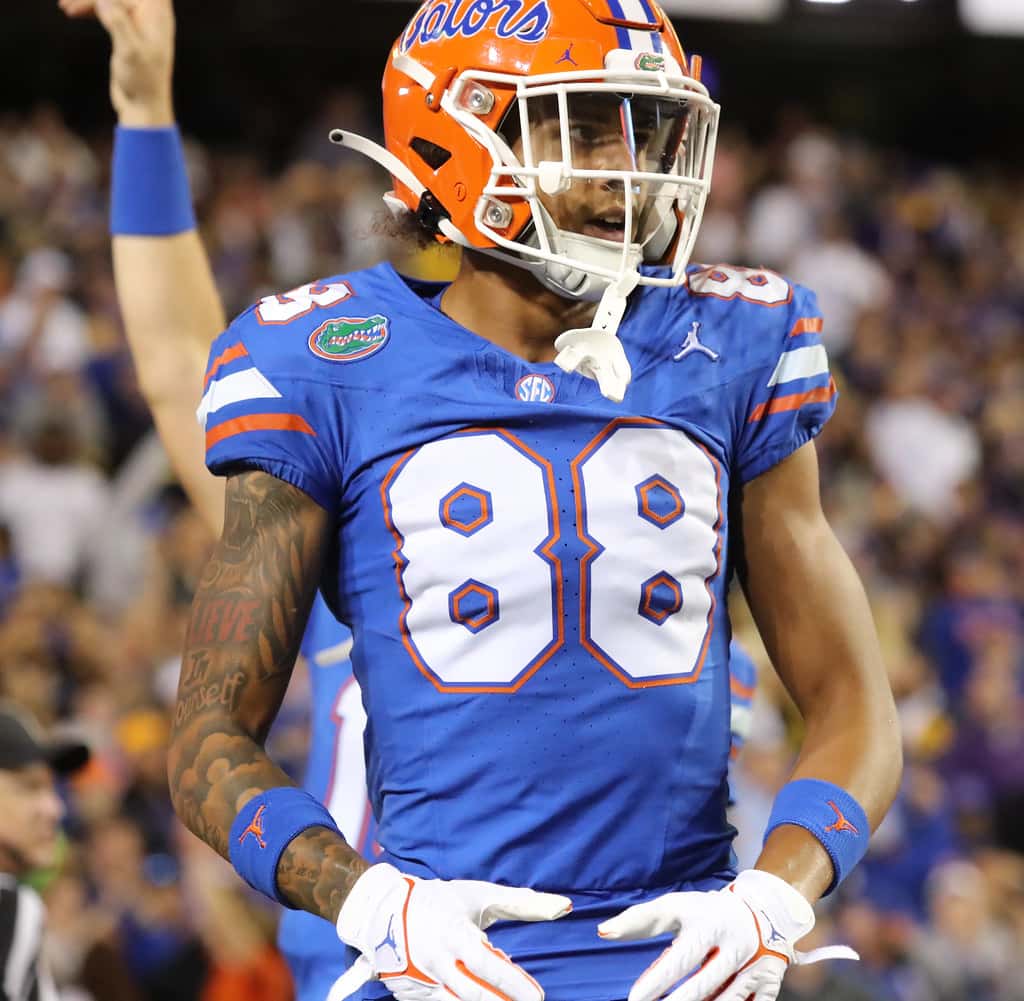
The Florida Gators baseball team suffered a stunning end to a promising season. As the No. 8 overall national seed in the 2026 NCAA Tournament, the Gators were eliminated in their own Gainesville Regional, never reaching the Super Regional round that their seeding and late-season surge had seemed to promise. Troy delivered the decisive blow, beating Florida 10-2 in the regional final around June 1 to 2, 2026, and advancing to a Super Regional for the first time in program history.
The collapse unfolded at Condron Family Ballpark, where Florida hosted a four-team field that included Rider, Troy, and Miami. On paper, the Gators entered with a favorable draw and the comfort of playing in front of their home crowd. Instead, the regional turned into one of the most deflating chapters in recent program memory, as Troy outscored Florida 26 to 13 across the final two days to seize control and never let go.
For a team that had surged late in the regular season and generated genuine College World Series buzz, the early exit landed hard. The 2026 College World Series runs June 12 to 22 at Charles Schwab Field in Omaha, Nebraska, and the Gators will not be there. A program with championship aspirations now faces an offseason of difficult questions instead of a trip to college baseball's biggest stage.
A Top Seed's Stunning Collapse
Earning the No. 8 overall national seed is a significant achievement. It guarantees a team the right to host both a regional and, should it advance, a Super Regional, paths that are designed to reward the season's strongest programs with a smoother road to Omaha. Florida secured exactly that advantage, only to squander it on its own field.
The hierarchy of the NCAA Tournament makes the upset all the more jarring. National seeds are expected to handle regional play, and hosting at home historically tilts the odds in the favorite's direction. For the Gators to fall short in that setting, against a field they were favored to navigate, ranks among the more surprising results of the tournament's opening weekend.
The margin of the elimination game underscored the disappointment. A 10-2 defeat in a winner-take-all regional final is not a narrow heartbreak but a decisive loss, the kind that signals a team was thoroughly outplayed when it mattered most. Florida's season ended not with a close call but with a lopsided scoreboard.
For Gainesville, accustomed to deep postseason runs and national relevance, the outcome stung. A regional hosted at Condron Family Ballpark was supposed to be a launching point toward Omaha. Instead, it became the site of an early and unexpected farewell to a season that had carried real promise.
Troy's Historic Breakthrough
While the result devastated Florida, it represented a landmark moment for Troy. Reaching a Super Regional for the first time in program history is a defining accomplishment for the Trojans, the kind of breakthrough that reshapes a program's identity and national profile. They earned it on the road, in a hostile environment, against a national seed.
Troy's performance over the decisive final two days told the story. Outscoring a top-eight seed 26 to 13 across that stretch is no fluke; it reflects sustained offensive production and the ability to seize momentum and hold it. The Trojans hit, pitched, and competed well enough to overwhelm a favored host on its own diamond.
Upsets of this magnitude are what give the NCAA Tournament its enduring appeal. A program outside the traditional power structure walked into one of college baseball's prominent venues and walked out with a regional title. For Troy's players, coaches, and supporters, the achievement will stand as a signature moment in school history.
The breakthrough also positions Troy for an opportunity it has never before enjoyed. A Super Regional berth places the Trojans two series away from Omaha, a stage that once seemed distant. Whatever follows, the program has already rewritten its postseason record and announced itself on the national scene.
What Went Wrong for Florida
Diagnosing the Gators' collapse begins with the numbers. Being outscored 26 to 13 over the final two days points to breakdowns on multiple fronts. Pitching that could not contain Troy's bats, combined with an offense that managed only two runs in the elimination game, left Florida without the balance needed to survive and advance.
Postseason baseball often magnifies small flaws. A few untimely innings, a stretch of cold hitting, or a shaky outing on the mound can unravel even a talented team in a double-elimination format. The Gators appeared to encounter several of those pitfalls at once, and against a confident opponent, the deficits compounded quickly.
The 10-2 final in the regional championship suggested that Florida could not generate the offense required to climb back once it fell behind. Two runs in a do-or-die game reflects an offense that went quiet at the worst possible time, leaving the pitching staff with no margin for error against a surging Troy lineup.
Momentum, so often decisive in tournament play, swung firmly toward the visitors. Once Troy established control over the final two days, Florida found no answer. For a team that had played its best baseball down the stretch of the regular season, the inability to recapture that form in the postseason will fuel plenty of offseason reflection.
A Season of High Expectations
The disappointment is sharpened by how much promise the Gators carried into the tournament. Florida had surged late in the season, climbing the rankings and drawing College World Series buzz. The momentum suggested a team peaking at the right moment, primed for a deep run through the bracket.
That late-season form was a central reason the selection committee rewarded Florida with the No. 8 overall national seed. Programs do not earn that distinction without a strong body of work, and the Gators had assembled a resume that placed them among the nation's elite entering the postseason.
Expectations in Gainesville are perpetually high. Florida's baseball program has long competed for championships and produced professional talent, and a top-eight seed only raised the stakes. Fans and observers alike anticipated, at minimum, a trip to a Super Regional and a legitimate shot at reaching Omaha.
The gap between those expectations and the actual result is what makes the elimination so deflating. A season that had built toward a potential championship run instead ended in the opening weekend, leaving a sense of unfulfilled potential hanging over the program as the rest of the tournament moves on without it.
The Road to Omaha Goes On Without Florida
College baseball's championship chase continues, and the Gators will watch from the outside. The 2026 College World Series runs June 12 to 22 at Charles Schwab Field in Omaha, Nebraska, the sport's marquee event and the destination Florida had hoped to reach. The Gators' absence is a notable storyline in itself.
Omaha represents the culmination of the entire season, the stage every contender aims for from the first pitch of the year. For a national seed to be eliminated before even reaching a Super Regional means missing that opportunity entirely, a reality that magnifies the sting of the early exit.
Troy, meanwhile, carries Florida's hopes of a Cinderella story forward in a different sense. The Trojans advanced where the Gators could not, and their continued run will serve as a reminder of the regional that got away. The bracket marches on, reshaped by an upset that few saw coming.
For the broader college baseball landscape, Florida's elimination reinforces a familiar truth: seeding offers no guarantees. The tournament's format rewards consistency and execution in the moment, and any team, regardless of its regular-season pedigree, can fall to a hot opponent. The 2026 edition delivered that lesson early.
The Offseason Ahead
Florida now turns to an offseason that arrived sooner than anyone in Gainesville expected. The coaching staff will conduct a thorough review of what unraveled, examining pitching depth, offensive consistency, and the team's preparation for the pressure of postseason play. The 26-to-13 deficit over two days offers a clear starting point for that evaluation.
Roster turnover is inevitable in college baseball, with players moving on to professional opportunities and new talent arriving to fill the gaps. The Gators will need to reload while addressing the specific shortcomings that surfaced in the Gainesville Regional. Building a roster capable of finishing the job in October, or rather June, will be the central task.
The disappointment, while sharp, can also serve as motivation. Programs with championship ambitions often use early exits as fuel, returning the following season with renewed focus. Florida has the resources, tradition, and recruiting base to bounce back, provided the lessons of 2026 translate into tangible improvements.
The transfer portal and the Major League Baseball draft will both shape how quickly that rebound can happen. Florida must decide which contributors to retain, which holes to fill from the portal, and how to replace any draft-eligible players who turn professional. How the staff manages that churn over the coming weeks will go a long way toward determining whether 2027 is a reset or a genuine return to contention.
What's Next
In the immediate term, Florida fans will follow Troy's path through its first Super Regional, an unavoidable reminder of the upset that ended the Gators' season. The Trojans' continued run keeps the Gainesville Regional in the conversation even as Florida's own campaign concludes.
Looking further ahead, the program's attention shifts to recruiting, player development, and the construction of next year's roster. Restoring Florida to championship contention will require addressing the issues exposed in the postseason and ensuring the team is built to handle the moment when it returns to the tournament.
For now, the Gators are left to process a stunning and early end. A top-eight national seed, a home regional, and College World Series buzz gave way to a 10-2 elimination loss and an offseason that began far too soon. The challenge ahead is to turn that disappointment into the foundation for a stronger return.
Spotted an issue with this article?
Have something to say about this story?
Write us a letterComments
No comments yet. Be the first to weigh in.
Related Coverage

C.J. Hicks' Record 96-Yard Fumble Return Sparks USF's 29-2 Homecoming Win Over Kent State
2h ago
Rays vs. Brewers World Series Preview: Schedule, Tickets and a Guaranteed First-Time Champion
19h ago

Magic Open Sean Sweeney Era Against Hawks at Kia Center With Franz Wagner's Shoulder in Question
22h ago

Heat Open Season vs. Timberwolves as Giannis Antetokounmpo Makes Miami Debut and LaMelo Ball Starts in Minnesota
1d ago