Hurricane Center Watches System Off Florida's Atlantic Coast as Rain Returns to the Peninsula

The National Hurricane Center is keeping an eye on a broad area of disturbed weather off the southeastern United States, where forecasters expect a weak low-pressure system to take shape near the coasts of northeast Florida, Georgia, and South Carolina early next week. While the chance of the system organizing into a tropical depression or storm remains low, the disturbance is poised to usher in a wetter, stormier pattern across the Florida peninsula after a stretch of dangerous heat.
For a state that lives much of the year under the shadow of the tropics, the situation is a familiar one: a disturbance worth watching but not yet worth worrying over, arriving in the opening weeks of a season that will demand attention for months to come. The practical consequences for most Floridians will be measured in rainfall and thunderstorms rather than wind, but the episode serves as an early reminder that the calendar has turned to the part of the year when the Atlantic must be watched closely.
What forecasters are watching
According to the hurricane center's tropical weather outlook, the system is expected to develop along the western side of a frontal boundary as it stalls near the Southeast coast. Long-range models suggest the low could begin organizing by early in the coming week, though forecasters give it only a modest chance, around 20 percent, of becoming a tropical cyclone over the next seven days.
Even if the system does acquire some tropical characteristics, forecasters expect it to remain weak. The greater impact for Florida is likely to be rainfall rather than wind, as the disturbance and the surrounding atmospheric pattern funnel moisture across the peninsula, raising the prospect of scattered showers and thunderstorms over a multiday stretch.
Systems that form along a stalled frontal boundary, as this one is expected to, often straddle the line between non-tropical and tropical. Such hybrids can be slow to organize and difficult to classify, which is part of why forecasters monitor them carefully even when the odds of a named storm stay low. The distinction matters less to the average resident than the practical outcome, which in this case is an extended period of unsettled, rainy weather regardless of whether the low ever earns a name.
The hurricane center emphasizes that no tropical cyclone formation is expected in the immediate term, and that the situation bears watching rather than alarm. Forecasters routinely monitor such pre-season and early-season disturbances, most of which never develop into named storms, and they update their outlooks regularly as conditions evolve.
A break from the heat
The incoming pattern follows a period of oppressive heat across Florida, during which feels-like temperatures in parts of the state climbed well into the triple digits and prompted heat advisories. The increased cloud cover, rainfall, and storm activity associated with the disturbance and surrounding moisture should help moderate those extreme readings, offering some relief even as it raises the risk of localized flooding and lightning.
Summer in Florida is defined by this interplay between heat and afternoon thunderstorms, and the current setup represents an intensification of the wet side of that cycle. While rain is welcome after the heat, heavy downpours can cause ponding on roadways and rapid rises in poorly drained areas, and frequent lightning poses a genuine hazard for anyone caught outdoors.
The trade between heat and rain is rarely a clean one. Cloud cover and showers may pull temperatures down from their most dangerous peaks, but the added humidity can leave the air feeling heavy and oppressive in its own right, and the storms that bring relief carry their own hazards. For outdoor workers, who bear the brunt of both extreme heat and sudden storms, the shift in pattern changes the nature of the risk without removing it.
Forecasters and emergency managers typically remind residents that Florida leads the nation in lightning strikes and that afternoon and evening storms can develop quickly. The familiar guidance to seek shelter when thunder roars takes on added importance during an active, moisture-rich pattern like the one now setting up.
The Florida context
The disturbance arrives during the early weeks of the Atlantic hurricane season, which runs from June through November. The season's first named storm formed earlier in June, a reminder that the basin is active even if the headline threats have so far stayed modest. Forecasters had projected a near-normal to slightly below-normal season overall, though they caution that seasonal forecasts say little about whether any individual storm will strike a given area.
For Florida, the most hurricane-exposed state in the nation, the early season is a time to prepare rather than to relax. Emergency officials use the quieter stretches to encourage residents to review evacuation plans, assemble supply kits, and confirm insurance coverage before a genuine threat materializes. The current system, with its low development odds, serves as a low-stakes reminder of the season underway.
The state's geography, with its long coastline and low-lying terrain, makes it vulnerable to both wind and water from tropical systems. Even weak, disorganized systems can produce heavy rain, rip currents, and coastal flooding, which is why forecasters track them closely regardless of whether they earn a name.
That vulnerability is not evenly distributed. Coastal communities face the most immediate threat from surge and surf, while inland areas can suffer from freshwater flooding when heavy rain overwhelms drainage and waterways. A peninsula nearly surrounded by warm water offers tropical systems an abundant source of energy and moisture, and few parts of the state are far enough from the coast to be considered truly safe from a storm's effects.
Understanding the seasonal forecast
Seasonal outlooks like the near-normal to slightly below-normal projection for this year are often misunderstood. They estimate the overall level of activity across the entire Atlantic basin, not the likelihood that a storm will affect any particular stretch of coastline. A quiet season can still produce a single devastating landfall, and an active season can pass with the most dangerous storms curving harmlessly out to sea.
For that reason, forecasters consistently caution residents against taking comfort in a benign seasonal forecast. The number that matters most to any individual community is not how many storms form across the ocean but whether one of them happens to track toward home, a question no seasonal outlook can answer months in advance.
The current disturbance illustrates the point. It is a weak feature with low odds of development, yet it will still bring days of rain and storms to the peninsula, a reminder that meaningful weather impacts do not require a named, headline-grabbing hurricane. Preparedness, in the view of emergency managers, is best treated as a constant rather than a response calibrated to the latest forecast number.
What it means for Floridians
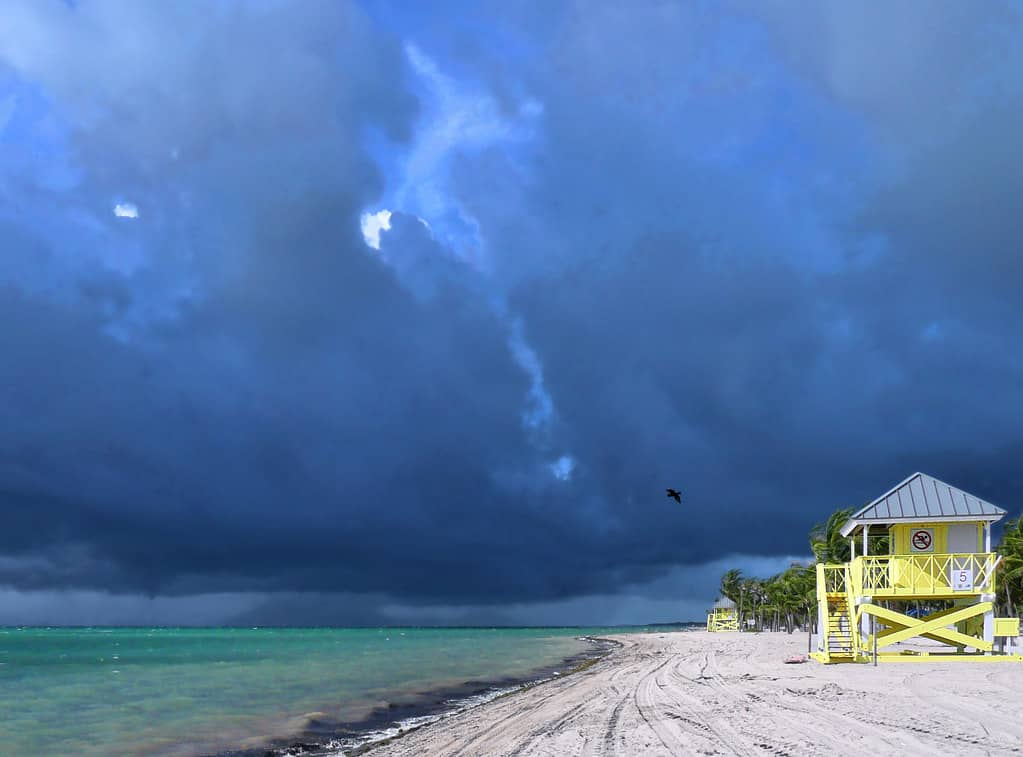
For most residents, the practical takeaway is straightforward: expect more clouds, showers, and thunderstorms over the coming days, plan outdoor activities accordingly, and stay alert for rapidly changing conditions. Beachgoers should pay particular attention to surf and rip current risks, which often increase when a coastal low churns offshore.
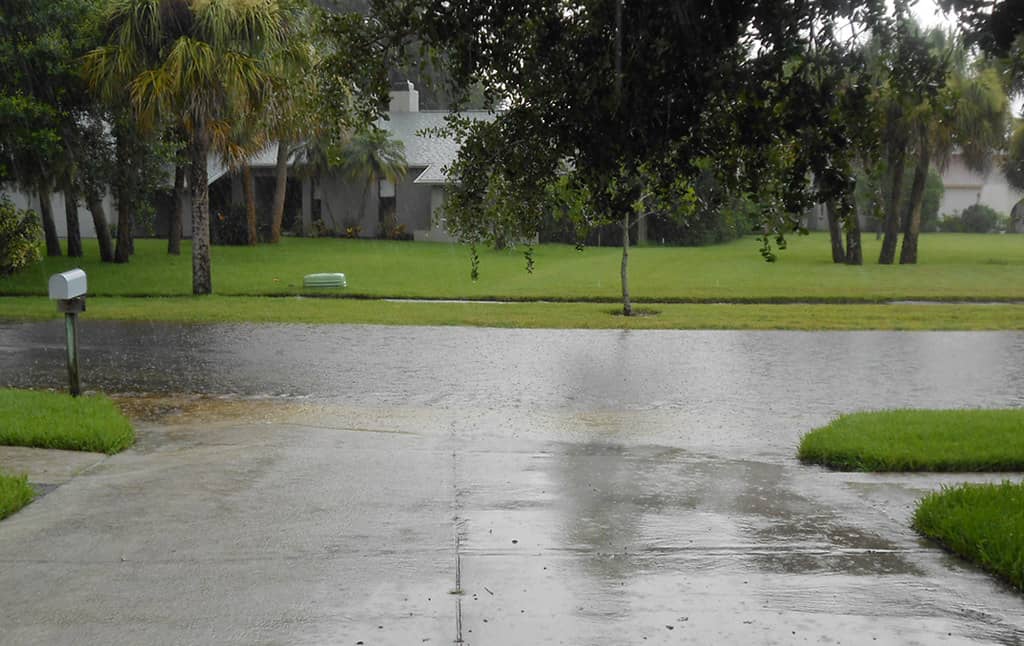
Drivers should be prepared for reduced visibility and slick roads during downpours, and for the possibility of standing water in flood-prone areas. The combination of heavy rain on already saturated ground can lead to localized flooding even from a system that never becomes tropical.
Rip currents deserve particular emphasis because they account for a disproportionate share of weather-related dangers along Florida's beaches, and they can form even on days that otherwise look pleasant. An offshore low can strengthen these currents well before any storm clouds appear over the shore, catching swimmers off guard on what seems an ordinary beach day. Heeding posted flag warnings and lifeguard guidance is the most reliable defense.
There is no need for storm preparations beyond ordinary summer readiness at this stage, given the low development odds and the expectation that any system would remain weak. Still, the episode is a useful prompt for residents to make sure their hurricane plans are in order while the threat level is low.
Tracking the season ahead
The hurricane center will continue issuing tropical weather outlooks at least twice daily, and more frequently when systems warrant, throughout the season. Residents can monitor those updates for the latest assessments of development chances and potential impacts. Local National Weather Service offices also provide detailed forecasts tailored to specific regions.
As the season progresses into its more active late-summer and early-fall peak, the frequency and intensity of systems typically increase. The current disturbance, modest as it is, fits the early-season profile of weak, rain-producing features that test forecasters' models without posing a major threat.
The early portion of the season often features systems like this one, forming close to shore from frontal boundaries rather than the long-tracking storms that emerge from the deep tropics later in the year. As the waters warm and atmospheric conditions grow more favorable through the heart of the season, the character of the threats tends to shift toward those more organized and far-reaching systems, which is why officials treat the quieter early weeks as preparation time.
Emergency management officials encourage residents to sign up for local alert systems and to know their evacuation zones, steps that pay off when a more serious storm eventually appears. The early season offers the time and calm to take those measures deliberately.
What's next
Over the coming days, forecasters will refine their expectations as the low takes shape and the surrounding pattern becomes clearer. Should the system show signs of organizing, the hurricane center would raise its development odds and issue more detailed guidance; if it remains disorganized, attention will shift to the rainfall and storm impacts.
Either way, Floridians can expect a wetter stretch ahead, a familiar feature of the peninsula's summer climate. The episode underscores the value of staying weather-aware during hurricane season, when conditions can shift quickly and even minor systems can disrupt daily routines.
Forecast confidence tends to improve as a system draws closer and more observations become available, so the picture that looks uncertain now should sharpen over the next several days. Residents who keep an eye on official updates rather than relying on early model speculation will have the clearest sense of what to expect as the situation evolves.
For now, the message from forecasters is one of watchfulness rather than worry: a weak system to monitor, rain to expect, and a season to take seriously as Florida moves deeper into the months when the tropics demand attention.
Spotted an issue with this article?
Have something to say about this story?
Write a letter to the editor