Jaguars Set 53-Man Roster Around Healthy Trevor Lawrence in Coen's Second Year
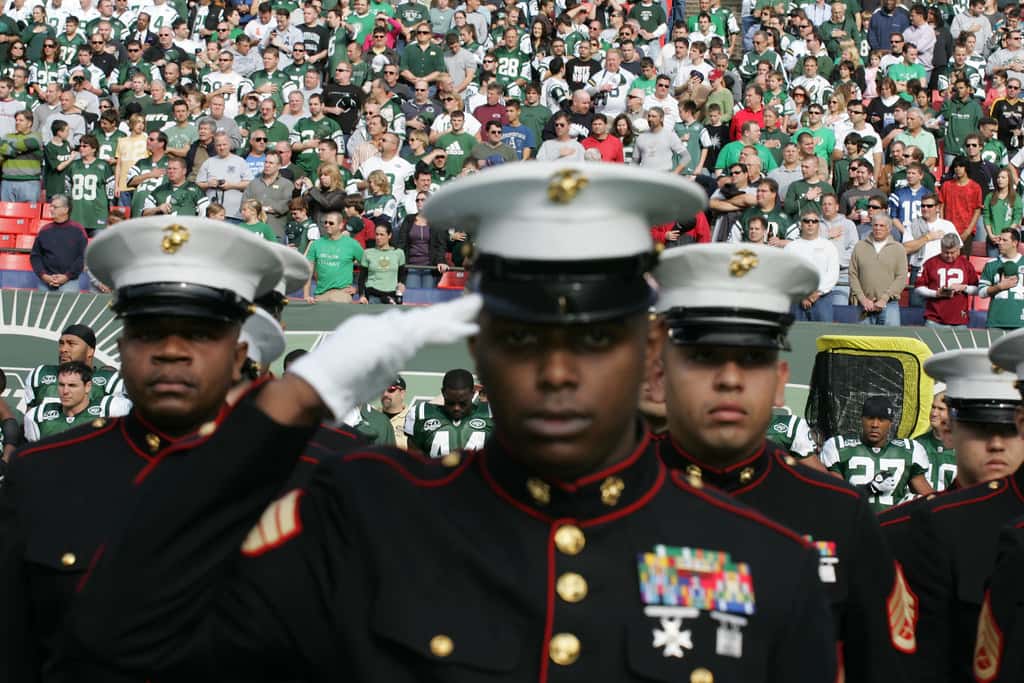
The Jacksonville Jaguars finalized their initial 53-man roster ahead of the NFL deadline, reaching the limit by waiving 25 players, releasing nine others, waiving two injured, and placing two on injured reserve with a designation to return. There were no dramatic surprises on cutdown day, though general manager James Gladstone worked the margins actively.
The roster enters year two under head coach Liam Coen built around a healthy Trevor Lawrence, a retooled offensive line following the Daniel Faalele trade, and a defense with talent distributed across all three levels. Jacksonville also acquired quarterback Quinn Ewers from the Miami Dolphins in exchange for a 2028 sixth-round draft pick, giving the Jaguars a young second quarterback behind Lawrence.
The quarterback room
Trevor Lawrence and Quinn Ewers make up the quarterback group. Lawrence's health is the single most consequential variable in Jacksonville's season, and the phrase that has followed him through the offseason is precisely that: a healthy Trevor Lawrence. Availability has been the gap between what his talent projects and what the franchise has produced.
Acquiring Ewers for a 2028 sixth-round pick is a low-cost move with a defensible logic. Sixth-round picks two drafts out carry little expected value, and a young quarterback who can develop within a system for a season or two is worth more than that in most scenarios. Miami's willingness to move him reflects that team's own roster crunch rather than a judgment on Ewers.
The intrastate element is notable. A Florida NFL team trading a quarterback to another Florida NFL team is uncommon enough to draw attention, and the two franchises are now linked by a transaction that will look either shrewd or irrelevant depending on how Ewers develops.
Lawrence's career arc has followed a pattern common to quarterbacks drafted first overall into difficult situations. He arrived with as much consensus around his talent as any prospect in recent memory, then spent his early seasons in an organization working through coaching changes and roster instability. Evaluating him fairly requires separating what he has controlled from what he has not, and a healthy season behind a rebuilt line is the closest thing to a clean test he has had.
Travis Hunter and the receiver group
Travis Hunter remains one of the most closely watched players in the league because of the two-way role he has carried since college. Jacksonville's roster gives the team six quality options at receiver when Hunter is counted among them, which suggests the offensive side of his usage is real rather than nominal.
Two-way play at the NFL level is genuinely rare, and the reasons are practical rather than philosophical. Snap counts, practice reps, meeting time, and injury exposure all scale with playing both ways, and coaching staffs have historically concluded that a player is worth more as an elite specialist than as a good player at two positions.
Whether Jacksonville sustains the arrangement across a full 17-game season is one of the more interesting questions in the league this year. Early-season usage will indicate how the staff is actually thinking about it, as opposed to how they have talked about it.
Hunter's situation also raises a roster accounting question that is genuinely novel. A two-way player occupies one roster spot while filling two positional needs, which theoretically creates flexibility elsewhere. In practice, teams have to carry adequate depth at both of his positions anyway in case the arrangement proves unsustainable, which means the theoretical savings may not materialize.
General manager James Gladstone's activity on cutdown day is itself worth noting. Front offices differ substantially in how aggressively they work the margins of a roster during the waiver period, and an active approach signals a willingness to keep churning the bottom of the depth chart rather than settling on a group in August. That posture generally serves teams well across a long season.
Rebuilding the offensive line
The offensive line was retooled following the Daniel Faalele trade, and Faalele survived cutdown day to remain on the roster. At 6-foot-8 and 380 pounds, the Minnesota product provides an option at right guard, a position where sheer mass has value in the run game and in pass protection against interior pressure.
Jacksonville carries nine offensive linemen on the active roster, which is a standard allocation. Teams typically keep between eight and ten, balancing the need for positional flexibility against the roster spots those bodies consume.
Line play is the mechanism through which Lawrence's health becomes a controllable variable rather than a matter of luck. Quarterbacks who are hit less get injured less, and a rebuilt line is the most direct investment a team can make in keeping its franchise quarterback upright. That connection is why the line work has been the offseason story in Jacksonville as much as anything at the skill positions.
Interior offensive line has been an underrated determinant of quarterback performance for years. Edge pressure can be schemed around with protection slides and quick game, but pressure up the middle arrives in a quarterback's face before any of those adjustments matter and forces him off his platform. A team investing specifically in guard play, as Jacksonville appears to have done, is addressing the pressure that hurts a passing offense most.
The running back committee
Bhayshul Tuten has emerged as the lead option in the backfield, with Chris Rodriguez Jr., LeQuint Allen Jr., and veteran Ameer Abdullah rounding out a deep committee. That is four backs on the roster, a relatively generous allocation in a league that has increasingly devalued the position.
Committee backfields have become the norm for good reasons. Running back production degrades with workload across a season, the position carries high injury rates, and replacement-level production is more available at running back than at almost any other spot. Spreading carries preserves effectiveness in December.
Abdullah brings the veteran presence in a group that is otherwise young, and veterans in committee backfields often carry value on third down and in pass protection that does not show up in rushing statistics.
Committee backfields also have a salary cap dimension worth naming. Four running backs on rookie or modest veteran contracts frequently cost less in aggregate than one established feature back, and the production difference across a season has narrowed enough that most front offices consider the trade worthwhile. Jacksonville's allocation reflects the leaguewide consensus rather than anything unusual.
Where Jacksonville sits
The Jaguars enter 2026 in the most conventional competitive position of Florida's three NFL teams. They have an established franchise quarterback, a second-year head coach whose systems the roster has now had a full offseason to absorb, and a roster that was actively reshaped rather than stripped down.
Second seasons under a head coach are often where the clearest signal appears. First years involve installation and evaluation. By year two, a staff has its own players and its own systems in place, and results become more attributable to the coaching approach itself.
EverBank Stadium and the Jacksonville market have absorbed a long stretch of difficult seasons, and the fan base's appetite for a competitive year is substantial. Northeast Florida is the smallest of the state's NFL markets, which makes on-field results matter more to attendance and regional attention than in Miami or Tampa.
Northeast Florida's football identity extends well beyond the professional team. The region produces significant high school talent, hosts the Florida and Georgia rivalry game annually, and supports a substantial college following split across programs. The Jaguars operate within that ecosystem rather than dominating it, which is a different market position than the one the Dolphins occupy in South Florida.
The waiver wire and what follows
Twenty-five players waived means twenty-five players exposed to claims from other teams. Jacksonville will lose some of them and will be claiming from other teams' releases in turn. The initial 53 is a starting point, not a finished product.
The two players placed on injured reserve with a designation to return are a meaningful piece of roster management. Those designations allow a player to come back after a set number of games, effectively banking roster capacity for later in the season while opening spots now.
Practice squad construction over the following days determines Jacksonville's depth answers for October and November. Teams that assemble strong practice squads from their own releases have real options when injuries accumulate, and cutdown weekend is where that groundwork gets laid.
Stadium questions have been a persistent backdrop to the franchise's relationship with the city, as they are for most NFL teams operating in older facilities. Those discussions involve public financing, construction timelines, and temporary arrangements during renovation, and they tend to intersect with on-field performance in the public conversation even though the two are largely unrelated.
What's next
The regular season opens in mid-September. For Jacksonville the questions that matter are straightforward: does Lawrence stay healthy, does the rebuilt line hold up, and does Hunter's two-way usage prove sustainable across a full season.
Coen's second year will be judged on whether the roster looks coherent rather than on any single result. Teams in year two of a coaching regime that are heading in the right direction generally show it in situational football, in penalty and turnover margins, and in whether they stay competitive in games they lose.
For Florida football fans, the three NFL rosters now set present three distinct experiments: Miami's youth movement, Tampa Bay's stability at quarterback with a rookie behind it, and Jacksonville's bet that health and a rebuilt line finally let a top draft pick play to his talent.
For the season ahead, the simplest framing is that Jacksonville has removed most of its excuses. The quarterback is healthy, the line has been addressed, the coaching staff is in its second year, and the roster was actively improved rather than stripped. What happens now is more attributable to the football operation than it has been in some time.
Spotted an issue with this article?
Have something to say about this story?
Write us a letterComments
No comments yet. Be the first to weigh in.
Related Coverage
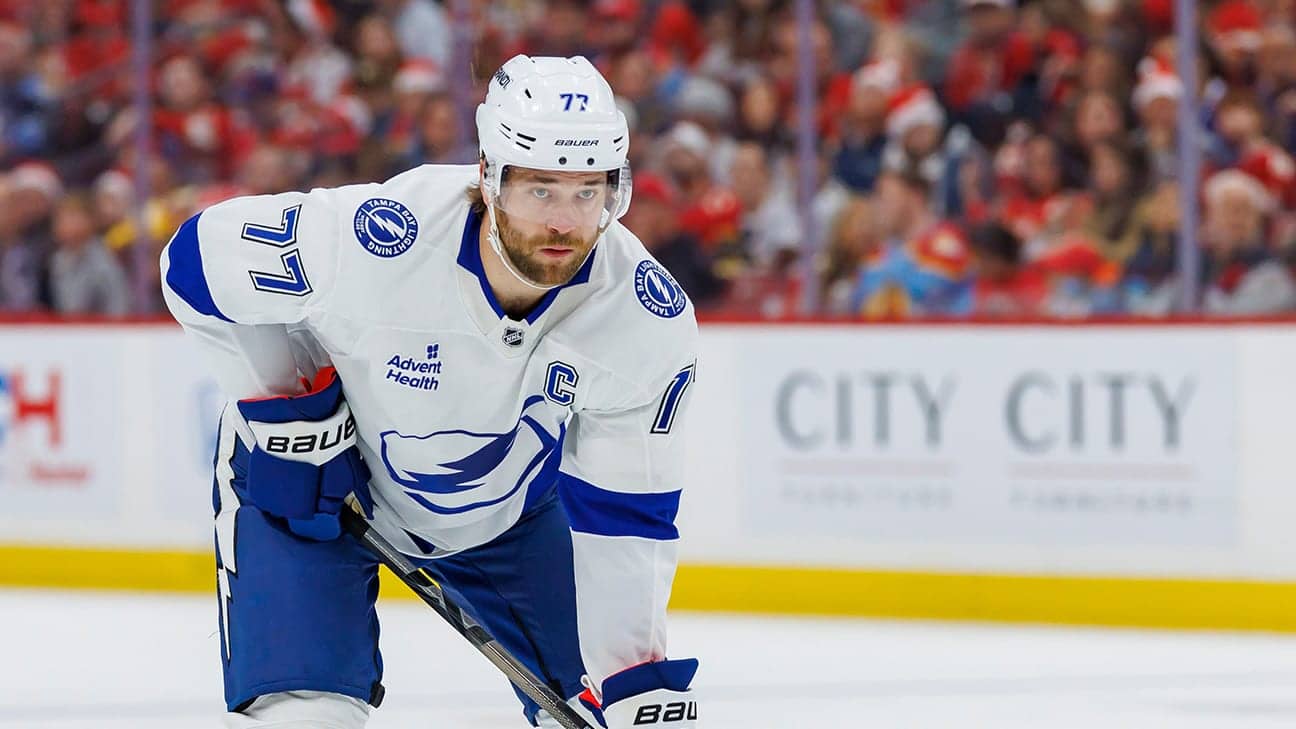
Victor Hedman Scores in Overtime as Lightning Beat Kraken 4-3 for Fifth Win in Six Games
4h ago
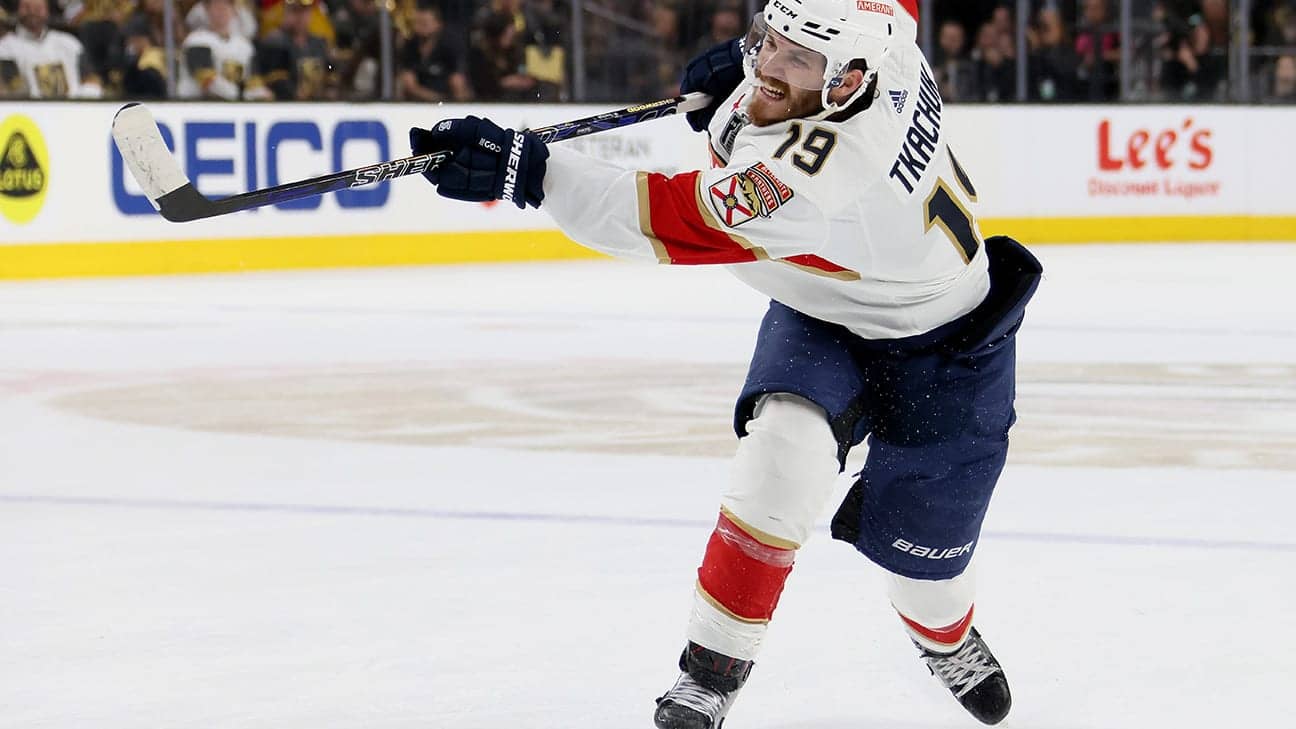
Brady Tkachuk Completes Second Straight Natural Hat Trick in Overtime as Panthers Stun Canucks 3-2
10h ago
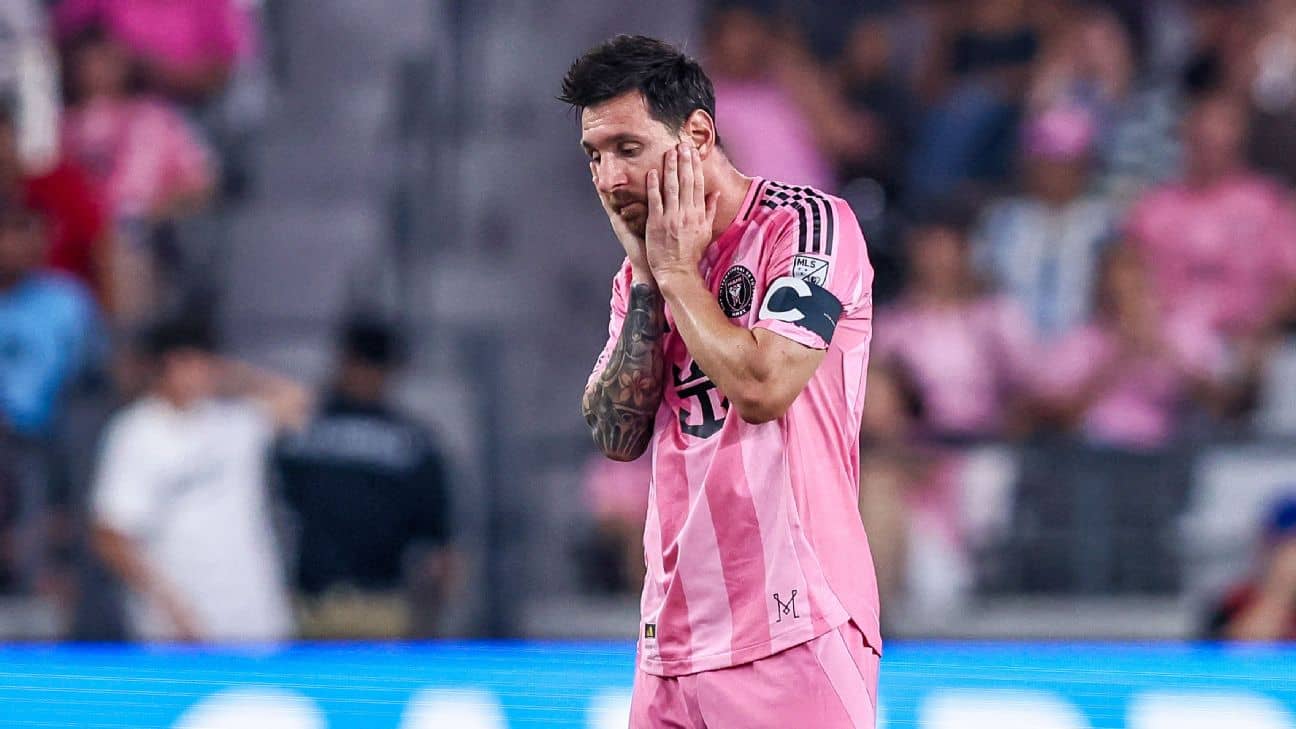
Messi Sets Up De Paul as Inter Miami Beats NYCFC 2-0 and Clinches an MLS Cup Playoff Berth
1d ago
Giannis Antetokounmpo Posts 20, 15 and 9 as Heat Beat Nets 144-128 in Final Home Preseason Game
1d ago