June 1 Brings Dolphins Cap Relief as Miami Moves On From the Tua Tagovailoa Era
The flip of the calendar to June 1 marked a significant milestone in the Miami Dolphins' offseason, formalizing the salary cap consequences of the franchise's stunning decision to part ways with quarterback Tua Tagovailoa. The move splits a record dead-cap charge across two seasons and gives Miami flexibility as it reshapes a roster entering a new era at the game's most important position.
The Dolphins released Tagovailoa in March, designating the move as a post-June 1 cut, a mechanism that allows teams to spread the financial hit over two years rather than absorbing it all at once. With June 1 now passed, those cuts formalized, allowing Miami to split the dead cap charges between 2026 and 2027 and unlock cap space for the current season.
The mechanics of the move
By designating Tagovailoa's release as a post-June 1 cut, the Dolphins were able to defer a portion of the salary cap pain into the following year. The release carries an NFL-record dead cap hit, reported at roughly $99 million, an extraordinary figure that underscores the magnitude of the decision to move on from a player the franchise had once built around.
The post-June 1 designation softens the immediate blow by splitting that charge across the 2026 and 2027 seasons. On June 1, the savings officially came into effect, giving Miami additional room under the cap to address other roster needs even as it carries the substantial dead money associated with the release.
The financial picture remains striking. The Dolphins owe Tagovailoa a significant sum in guaranteed money for 2026 even as he plays elsewhere, a reminder that the decision to release him was costly. Such an arrangement, paying a large guarantee to a quarterback no longer on the roster, reflects how heavily the franchise was committed to him before the split.
Tua's new home
Tagovailoa did not remain a free agent for long. After the Dolphins announced his release, he signed with the Atlanta Falcons on a one-year deal worth a minimum salary, choosing a destination where he could compete for a starting job. The modest contract stands in contrast to the guarantees Miami is still paying, an unusual situation created by the structure of the release.
In Atlanta, Tagovailoa has been taking the bulk of the first-team snaps at quarterback during the Falcons' organized team activities while Michael Penix Jr. recovers from surgery on his left knee. The opportunity gives the veteran a chance to demonstrate he can lead an offense and reestablish his value after his time in Miami ended.
For Tagovailoa, the move represents a fresh start after years as the face of the Dolphins' offense. His tenure in Miami featured flashes of high-level play but was also marked by injury concerns, and his departure closes a chapter that had defined the franchise's recent direction.
Miami's path forward
For the Dolphins, the formalization of the cap relief is part of a broader reset. Moving on from a franchise quarterback, even at significant cost, signals an organization willing to make difficult decisions to chart a new course. How Miami fills the void at quarterback and uses its newfound cap flexibility will define the next phase of the franchise's competitive window.
The Dolphins have continued their offseason work through OTAs, the voluntary practices that allow teams to install schemes and evaluate personnel ahead of training camp. Those sessions take on added importance for a team navigating a transition at quarterback and reshaping its roster.
The substantial dead cap, even when split across two years, constrains the franchise's spending and complicates roster building. Front office decisions in the coming months will reflect the balancing act between absorbing the cost of the Tagovailoa release and assembling a competitive team for the 2026 season.
What it means for Florida fans
For Dolphins fans across South Florida and the state, the developments mark the definitive end of the Tagovailoa era and the beginning of an uncertain new chapter. The franchise's decision to absorb a record dead-cap hit underscores how committed the organization is to changing direction, even at considerable expense.
The quarterback position will be the central storyline for Miami heading into training camp and the season. Fans will be watching closely to see how the Dolphins address the most important role on the roster and whether the team can remain competitive in a demanding AFC.
The Dolphins remain one of Florida's marquee professional franchises, and their fortunes draw intense attention statewide. The combination of a record dead-cap charge and a reshaped roster makes the 2026 season a pivotal one for a fan base eager to see the team contend.
The anatomy of a record cap hit
The roughly $99 million dead-cap charge associated with Tagovailoa's release is staggering in the context of the NFL's salary cap system, representing the largest such hit in league history. Dead money refers to salary cap charges that remain on a team's books for a player who is no longer on the roster, typically resulting from guaranteed money and prorated signing bonuses that accelerate when a contract is terminated.
The magnitude of the figure reflects how heavily the Dolphins had invested in Tagovailoa, with substantial guarantees built into his contract. When a team releases a player with that much guaranteed money remaining, the financial consequences are severe, and the post-June 1 designation is one of the few tools available to soften the immediate impact by spreading it across two seasons.
Carrying that much dead money, even split between 2026 and 2027, constrains the franchise's flexibility and complicates the task of building a competitive roster. Every dollar tied up in a player no longer on the team is a dollar unavailable to sign or retain active contributors, making the decision to release Tagovailoa a costly bet on a new direction.
The situation illustrates the high stakes of quarterback contracts in the modern NFL, where teams commit enormous resources to the position in hopes of securing long-term stability. When those bets do not pan out as hoped, the financial fallout can hamstring a franchise for years, a reality the Dolphins are now navigating.
The quarterback question looms
With Tagovailoa gone, the most pressing question facing the Dolphins is who will lead the offense. The quarterback position is the most important in football, and how Miami addresses it will largely determine the team's competitiveness in 2026 and beyond. The uncertainty places enormous scrutiny on the franchise's plans.
Teams navigating a quarterback transition face difficult choices among developing a young prospect, signing a veteran, or some combination of approaches. Each path carries risk, and the Dolphins' decision will reveal much about the organization's vision and timeline. The OTAs and training camp will offer the first glimpses of how the competition takes shape.
The stakes are heightened by the competitive demands of the AFC, which features a number of strong teams and accomplished quarterbacks. To contend in that environment, the Dolphins need stable, effective play at the position, making the resolution of the quarterback question central to their hopes.
For a fan base that endured the drama of the Tagovailoa era and its expensive conclusion, the path forward at quarterback is the storyline that matters most. The coming months will begin to answer whether Miami's bold reset can deliver the stability and success that have eluded the franchise in recent years.
What's next
The Dolphins will continue their offseason program through OTAs and into mandatory minicamp before training camp opens later in the summer. Those sessions will offer the first real glimpses of how the post-Tagovailoa roster takes shape and who emerges in the quarterback room.
The cap flexibility unlocked on June 1 gives the front office room to maneuver, and how Miami deploys that space will be a key indicator of the team's plans for the season. Roster moves in the coming weeks will fill out the picture.
For now, the Dolphins have turned the page on a defining era, accepting a historic financial cost to do so. The season ahead will reveal whether the bold reset positions Miami for a return to contention or signals a longer rebuild for one of Florida's most storied sports franchises.
The Tagovailoa saga also offers a broader lesson about the risks of building a franchise around a single player at a premium position. The Dolphins committed heavily to their quarterback and ultimately absorbed a record financial penalty when the relationship ended, a cautionary tale for teams weighing similar long-term commitments. How Miami rebuilds from that experience will be instructive for the league as a whole.
For the franchise and its supporters, the immediate task is to move forward and assemble a team capable of competing despite the constraints. The dead-cap burden, the quarterback uncertainty, and the demands of a tough conference all present challenges, but they also create an opportunity for the organization to chart a new and potentially more sustainable path. The 2026 season will be the first real measure of whether the Dolphins' decisive break from the Tagovailoa era marks the beginning of a successful new chapter or the start of a longer climb back to contention.
As the offseason progresses, the Dolphins will face a series of decisions that compound the significance of the Tagovailoa departure, from how they allocate their available cap space to how they structure the roster around whoever emerges at quarterback. Each move will be scrutinized by a fan base that has experienced the highs and lows of recent seasons and that is hungry for sustained success. The franchise's leadership understands the stakes, having made one of the boldest and most expensive decisions in recent NFL history. Whether that gamble pays off will become clearer as the team takes the field, but the willingness to absorb a record financial penalty signals an organization committed to change. For South Florida and for Dolphins fans across the state, the 2026 season represents a fresh start, and the anticipation surrounding it reflects both the uncertainty and the hope that a new era brings.
Spotted an issue with this article?
Have something to say about this story?
Write us a letterComments
No comments yet. Be the first to weigh in.
Related Coverage
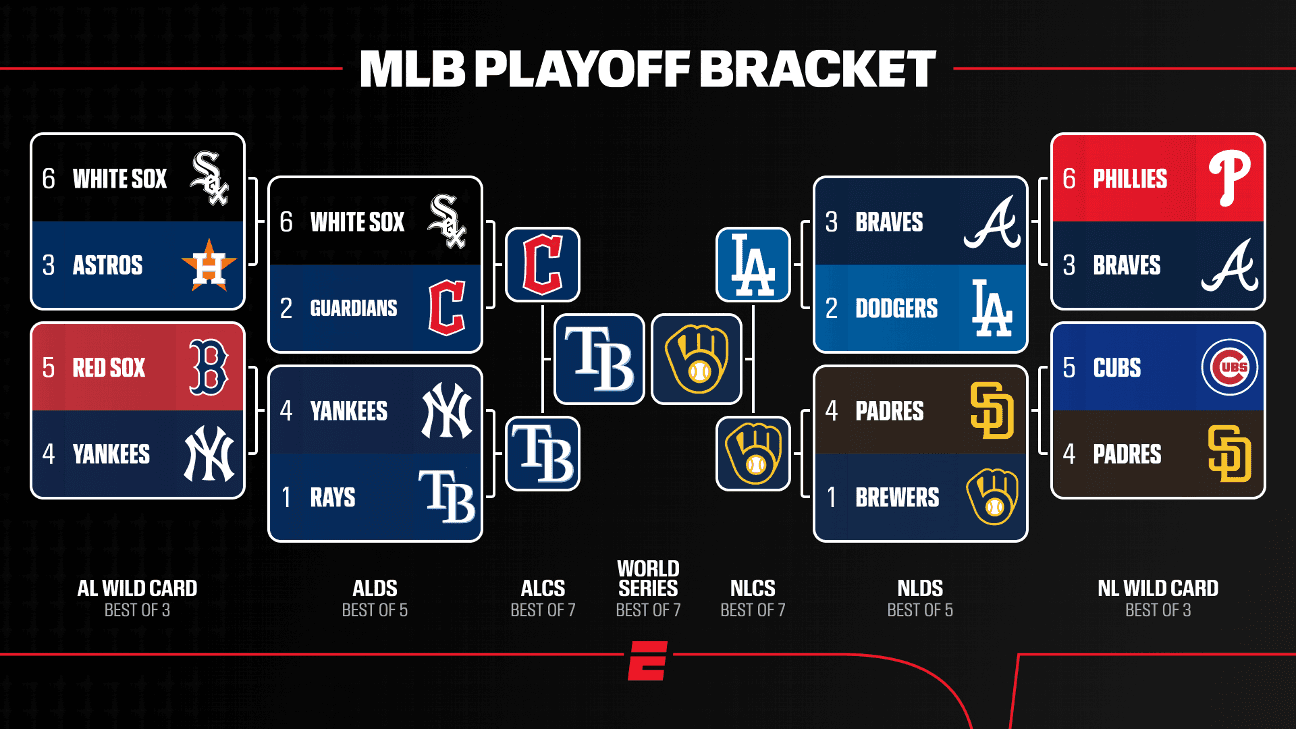
Rays vs. Brewers World Series Preview: Schedule, Tickets and a Guaranteed First-Time Champion
8h ago

Magic Open Sean Sweeney Era Against Hawks at Kia Center With Franz Wagner's Shoulder in Question
10h ago

Heat Open Season vs. Timberwolves as Giannis Antetokounmpo Makes Miami Debut and LaMelo Ball Starts in Minnesota
13h ago
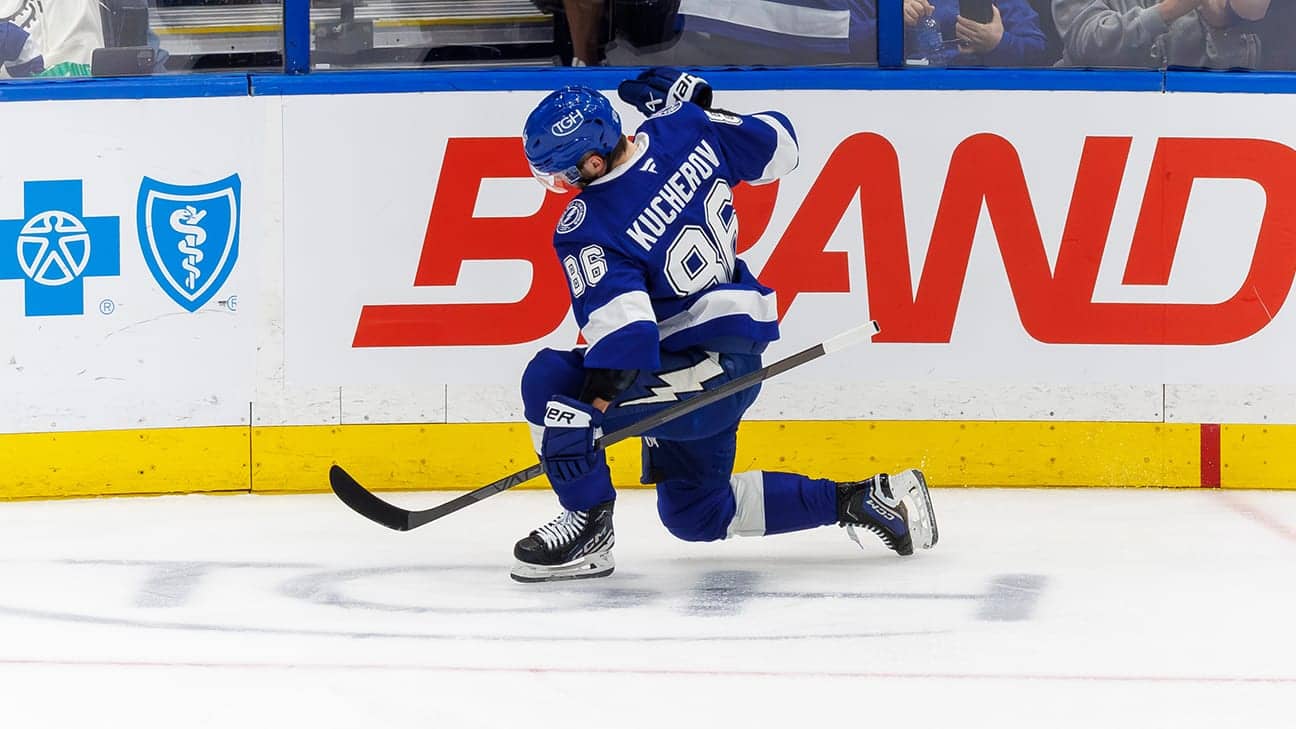
Nikita Kucherov Scores Twice as Lightning Rally From Two Goals Down to Beat Canucks 4-2
2d ago