King Tides Set Record at Port Everglades Gauge, Flooding Streets From Fort Lauderdale to Miami Beach
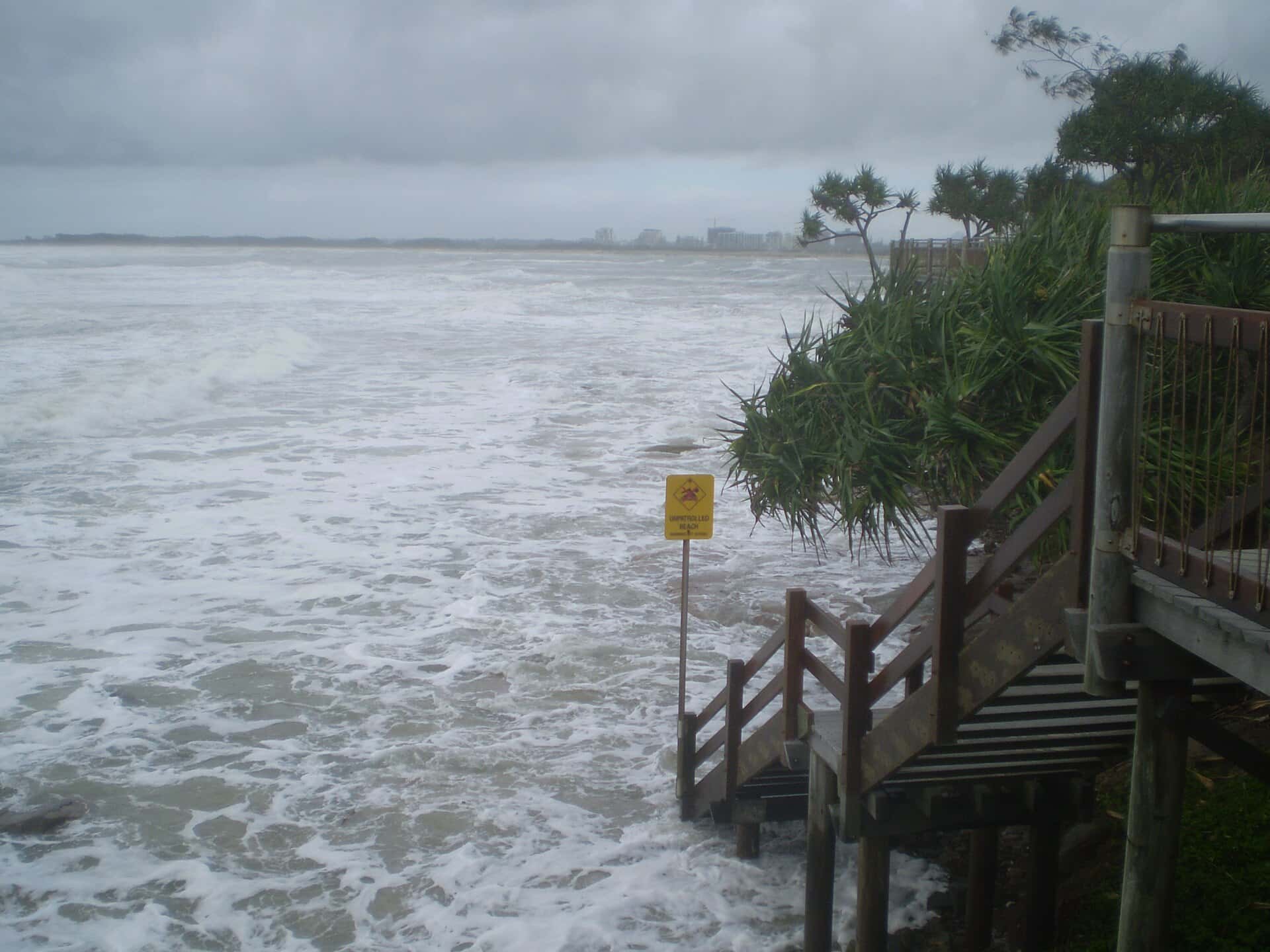
South Florida's first major king tide cycle of the fall pushed saltwater into streets across Broward and Miami-Dade counties over the past several days, and the high tide on Sunday, Sept. 27, set a record at the NOAA tide gauge at Port Everglades. Fort Lauderdale officials said the reading was the highest elevation recorded since the gauge was installed in February 2018, topping the water level measured during Hurricane Nicole in November 2022.
The flooding came with no hurricane in sight. As of Thursday, Oct. 1, the National Hurricane Center reported no tropical cyclones in the Atlantic basin. Instead, the high water was driven by astronomical tides tied to the late September full moon, combined with persistent onshore winds and rounds of heavy rain that the National Weather Service in Miami said kept coastal flood advisories in place for much of the week.
Record reading at Port Everglades
Fort Lauderdale's chief resilience officer, Nancy Gassman, said Sunday morning's tide reached the highest level logged at the Port Everglades station in its eight-year record, according to local reports. The station is part of NOAA's National Water Level Observation Network and is one of the primary gauges coastal managers in Broward County use to track flooding trends.
Surpassing the Hurricane Nicole mark is notable because Nicole made landfall on Florida's Atlantic coast as a hurricane in November 2022, driving storm surge and heavy surf along the coast from the Treasure Coast to Volusia County. That a clear-sky tidal event could exceed the water level from a landfalling storm, even at a single gauge well to the south of Nicole's core, underscores how much sea level and seasonal tide heights now shape flooding in South Florida.
National Weather Service Miami meteorologist Robert Molleda described the event as above average, according to coverage of the flooding, and said he had not heard reports of water entering homes or businesses. The flooding was concentrated on low-lying roads, seawalls, parks and parking areas along the Intracoastal Waterway and the barrier islands.
Scientists at Florida Atlantic University and the South Florida Water Management District have noted that king tides are a natural part of the annual tidal cycle, but that higher baseline sea levels mean the same astronomical tides now produce more frequent and deeper nuisance flooding than they did a few decades ago.
Where the water showed up
Fort Lauderdale police closed a roughly two-mile stretch of State Road A1A at the height of the flooding, according to local reports, as saltwater pooled across the beachfront roadway. Neighborhoods along the Las Olas Isles and other finger islands off the New River and the Intracoastal saw water bubble up through storm drains, a hallmark of tidal flooding in areas where drainage pipes empty into tidal waters.
In Hollywood, the Broadwalk sat under several inches of water during peak tides, and in Miami Beach water crept nearly to street level along parts of Collins Avenue, according to local news coverage. Miami Beach has spent years raising roads and installing pumps and backflow valves in its lowest neighborhoods, and city crews typically deploy portable pumps during king tide periods.
Coastal flood advisories issued by the National Weather Service Miami office covered Broward and Miami-Dade counties through midday Tuesday, Sept. 29, with a separate advisory for the Middle and Lower Florida Keys, according to forecasts posted during the event. Advisories were also in place along parts of the Palm Beach County coast, where West Palm Beach and Lake Worth Beach have historically seen flooding along the Lake Worth Lagoon during king tides.
Heavy rain made matters worse in some spots. When downpours coincide with high tide, stormwater has nowhere to drain, and roads that would otherwise clear within an hour can stay flooded much longer. Forecasters said rain chances were building across South Florida late in the week as the region moves through the last weeks of the rainy season.
Why king tides are higher this fall
King tides are the highest predicted tides of the year. They occur when the moon is at or near perigee, its closest point to Earth, and the sun, moon and Earth are aligned near a new or full moon. In South Florida, the fall months add another factor: ocean water is warmest and the Gulf Stream tends to slow slightly, which raises local sea level for several weeks.
The South Florida Water Management District publishes an annual king tide forecast to help local governments and residents prepare. The district's 2026 forecast highlights several more high-tide windows before the end of the year, including periods in October, November and December, according to agency and local forecasts.
Wind direction also matters. A persistent northeast or east wind pushes water toward the coast and into inlets, adding inches to the predicted tide. Forecasters said that combination of onshore winds, astronomical tides and seasonal sea level contributed to the higher-than-expected readings over the weekend.
Long-term data show the trend clearly. Tide gauges at Key West and Virginia Key show sea level several inches higher than in the late 20th century, and regional planning documents prepared by the Southeast Florida Regional Climate Change Compact project continued rise in coming decades. Each inch of higher baseline water means more streets cross the threshold into flooding during routine high tides.
Saltwater and vehicles
Officials in Fort Lauderdale and other coastal cities routinely warn drivers to avoid flooded roads during king tides, and that advice was repeated this week. Saltwater is far more corrosive than rainwater, and even a short drive through a few inches of it can coat brake lines, wiring and undercarriage parts with salt that accelerates rust.
Driving through flooded streets also creates wakes that push water toward homes, garages and businesses. Several South Florida cities have posted no-wake signs on low-lying streets during king tide periods, and police may close roads, as Fort Lauderdale did on A1A, when water gets too deep.
Drivers who cannot avoid saltwater are generally advised by mechanics and insurers to rinse the underside of their vehicles with fresh water as soon as possible. Comprehensive auto insurance policies typically cover flood damage to vehicles, but drivers with liability-only coverage may have no protection if a car is ruined.
Residents who park in low-lying lots or on the street in flood-prone neighborhoods have been urged to move vehicles to higher ground, such as municipal garages, ahead of predicted high tides. Some coastal cities have offered parking in public garages during king tide periods, and residents can check city websites for those arrangements.
Local government response
Fort Lauderdale has invested heavily in tidal valves, raised seawalls and stormwater upgrades in recent years, particularly after the record April 2023 rainfall flood that inundated parts of the city. The city's resilience office tracks king tide flooding and asks residents to report problem areas so crews can target repairs.
Broward County has adopted a minimum seawall elevation standard for properties along tidal waterways, and many waterfront owners have been required to raise or repair seawalls that allow water to overtop or seep through. County and city officials say tidal flooding through low seawalls and failing drainage connections is a major contributor to nuisance flooding in residential neighborhoods.
Miami-Dade County and Miami Beach, along with municipalities such as Hollywood and Hallandale Beach, have pursued road elevation projects, pump stations and backflow preventers on outfalls. Those systems are designed to keep tidal water from flowing backward through storm drains into streets.
In the Florida Keys, Monroe County has studied road elevation projects in neighborhoods that flooded for weeks during the extreme king tides of 2019. County officials have said elevating vulnerable roads is expensive and requires long-term financing, and that the most vulnerable roads may need to be prioritized.
Hurricane season is not over
While the weekend flooding was not storm related, forecasters are reminding residents that the Atlantic hurricane season runs through Nov. 30 and that October has historically produced significant storms affecting Florida. Late-season systems often form in the western Caribbean and Gulf, and a tropical system arriving during a king tide period would push storm surge on top of already elevated water levels.
The National Hurricane Center reported no active tropical cyclones in the Atlantic on Thursday morning. The agency issues its tropical weather outlook four times daily, and residents can check it for any areas of disturbed weather that could develop in the coming week.
Emergency managers in Broward and Miami-Dade counties encourage residents to keep hurricane kits stocked through the end of the season and to know their evacuation zone, which is based on storm surge risk. King tides offer a preview of which streets are most vulnerable when water levels rise.
- Avoid driving through standing saltwater; rinse vehicles that are exposed.
- Move cars from low-lying lots before predicted high tides.
- Check storm drains and backflow valves on private property.
- Report flooded streets to city resilience or public works offices.
What's next
The current king tide cycle is easing as the moon moves away from its full phase, but forecasters say elevated water levels can still produce isolated minor coastal flooding around high tide for several more days. Residents should check the National Weather Service Miami forecast for any new coastal flood advisories.
More king tide windows are expected in October and November, and some forecasts suggest the highest predicted tides of the year could arrive near the late October full moon, depending on wind, rain and drainage conditions at the time. Cities typically post high-tide times and expected trouble spots on their websites and social media accounts before each cycle.
Fort Lauderdale officials are expected to review data from this week's event, including the Port Everglades record, as they plan future seawall and drainage projects. Broward County and neighboring governments also use high-water observations from residents and gauges to refine flood maps and decide which neighborhoods should move up the list for tidal valves, raised roads and pump stations. The record reading is likely to become part of the city's case for continued investment in flood protection along its most vulnerable shoreline.
Spotted an issue with this article?
Have something to say about this story?
Write a letter to the editorComments
No comments yet. Be the first to weigh in.
Related Coverage
Florida's First Fall Cold Front Delivers Cooler Air and Strong Coastal Winds as a Nor'easter Develops Offshore
4d ago

Tropical Storm Hanna Forms Far From Florida as Atlantic Stays Hurricane-Free
6d ago

Hurricane Season Enters Its Final Weeks With Six Named Storms and No Atlantic Hurricanes
Sep 23
Soggy September: More Than 10 Inches of Rain Swamps Palm Beach County as Flood Risk Lingers
Sep 21