Marco Rubio Defends State Department Budget as Florida's Own Takes the Stand on Hemisphere Policy
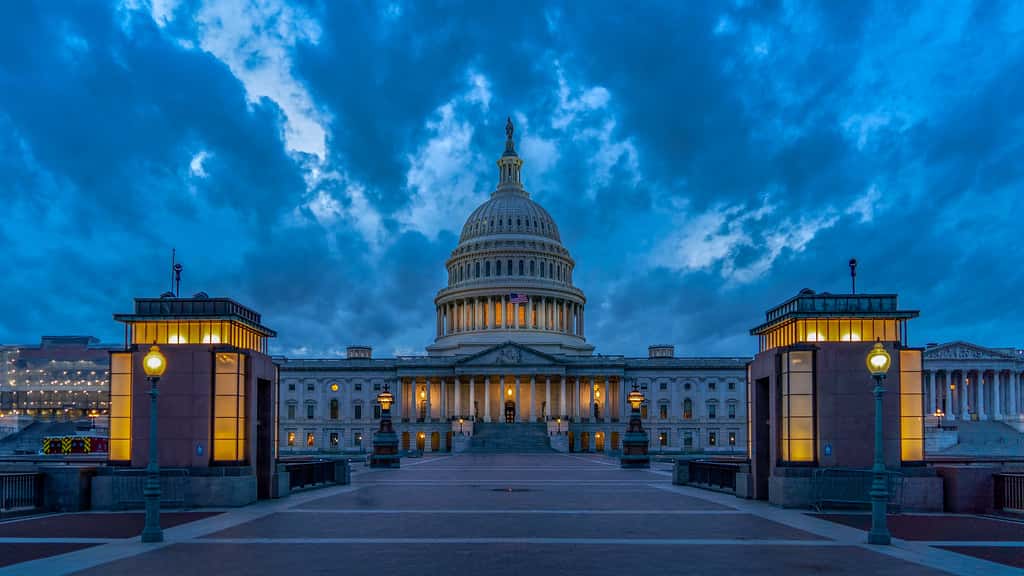
Secretary of State Marco Rubio, the former longtime U.S. senator from Florida, returned to Capitol Hill on June 3, 2026, to defend the State Department's fiscal year 2027 budget request, a high-stakes appearance for the most powerful Floridian in American foreign policy. Rubio testified before the House Foreign Affairs Committee and before Senate committees, laying out a vision of diplomacy built around what he called the national interest.
For Florida, the testimony carried a resonance that few other states can claim. Rubio is the state's own, a Cuban-American who rose from West Miami to represent Florida in the U.S. Senate for 14 years before ascending to the nation's top diplomatic post. His handling of Western Hemisphere policy, from Cuba to Venezuela to the wider region, lands directly on the doorstep of South Florida's vast diaspora communities, whose families, businesses and homelands are bound up in the decisions he now makes.
The hearing marked Rubio's first congressional testimony since the start of the recent Iran war, giving lawmakers their first formal opportunity to question him about a turbulent stretch of global events. Across his appearances, Rubio defended the budget request and framed his tenure as a record of significant achievement set against difficult and unresolved challenges.
The National-Interest Framing
At the center of Rubio's testimony was a declaration that U.S. foreign policy under his leadership is focused squarely on the national interest. He described that interest in terms of military and economic security and sovereignty, casting diplomacy as a tool to advance concrete American priorities rather than abstract goals. The framing reflects the worldview Rubio carried into the State Department from his years as a foreign-policy voice in the Senate.
That emphasis on sovereignty and security signals continuity with the priorities Rubio championed as a senator, when he built a reputation as a hawk on adversaries and a defender of American interests abroad. As the nation's chief diplomat, he is now responsible for translating those instincts into the day-to-day conduct of foreign relations, a shift from advocacy to execution that the budget hearings put on full display.
The fiscal year 2027 budget request is the vehicle through which much of that vision is funded. The State Department's budget shapes everything from diplomatic staffing and embassy operations to foreign assistance and the programs that project American influence around the world. Defending the request before skeptical lawmakers is a recurring test for any secretary of state, and Rubio used the platform to tie spending choices to his national-interest theme.
Budget testimony is rarely just about numbers. It is an occasion for a secretary of state to set out priorities, answer for controversies and make the case for the resources needed to carry out the administration's foreign policy. For Rubio, the June 3 hearings offered a chance to define his tenure on his own terms before a national audience and the lawmakers who control the department's funding.
The appearance also placed Rubio in a familiar setting from an unfamiliar seat. For 14 years he sat on the questioner's side of these hearings as a senator from Florida, pressing administration officials on their foreign-policy choices. Now he answered the questions himself, a role reversal that lent the testimony an added measure of scrutiny as former colleagues weighed his stewardship of the department against the standards he once set for others.
A Record of Successes and Hard Challenges
Rubio characterized his roughly 16 to 17 months leading the State Department as a history of significant successes alongside difficult challenges. That balanced framing acknowledged both accomplishments and the unresolved problems that continue to test American diplomacy, a candid posture for a sitting secretary appearing before a divided Congress.
Among the successes he cited was the de-escalation of a conflict between India and Pakistan, two nuclear-armed rivals whose tensions carry global stakes. Easing a confrontation between the two powers ranks among the more consequential diplomatic outcomes a secretary of state can claim, and Rubio pointed to it as evidence that his approach was producing tangible results on the world stage.
Rubio also expressed optimism about a potential resumption of nuclear talks with Iran, even as he acknowledged a shaky ceasefire. The prospect of renewed negotiations over Iran's nuclear program represents one of the most delicate threads in American foreign policy, and his cautious hopefulness signaled that the administration sees a diplomatic path forward despite the fragility of the current pause in hostilities.
The Iran thread loomed especially large because the hearing was Rubio's first congressional testimony since the recent Iran war began. Lawmakers across the political spectrum have pressed for answers about the conflict's origins, conduct and aftermath, and Rubio's appearance gave them a chance to probe the administration's strategy directly from the official most responsible for managing the diplomatic fallout.
Why Rubio's Diplomacy Matters to Florida
No state watches Rubio's foreign policy more closely than Florida, and the reason is rooted in the makeup of its population. South Florida is home to large Cuban, Venezuelan, Nicaraguan and Haitian diaspora communities, many of whose members fled authoritarian governments and economic collapse in their home countries. For these families, U.S. policy toward Latin America is not an abstraction but a force that shapes the fate of relatives and homelands they left behind.
Rubio's own story is interwoven with that community. The son of Cuban immigrants, he grew up in West Miami and built his political career in part on a hard line toward the communist government in Havana. His ascent from a South Florida upbringing to secretary of state makes him a figure of immense symbolic weight for the region's exile communities, who see in him a reflection of their own histories and aspirations.
His stances on Cuba, Venezuela and the broader region carry direct weight for South Florida families, trade and immigration. Decisions about sanctions, diplomatic recognition, migration policy and economic engagement reverberate through Miami's neighborhoods, where remittances, travel restrictions and the fates of political prisoners are matters of daily concern. Few national officials hold as much sway over issues so personal to so many Floridians.
That connection cuts both ways. Florida's diaspora communities have long been a political force, and their expectations shape the pressures Rubio faces as he conducts hemisphere policy. As secretary of state, he must balance the hard-line instincts that animated his Senate career with the practical demands of diplomacy, all while a vocal Florida constituency watches every move toward Havana, Caracas and Managua.
The economic dimension is just as tangible for the state. South Florida functions as a commercial hub for the Americas, with Miami serving as a gateway for trade, finance and travel across the hemisphere. Policies on sanctions, tariffs and diplomatic relations ripple through the region's banks, shipping firms and family-owned businesses, meaning Rubio's decisions touch not only the emotions of the diaspora but the livelihoods of Floridians whose work is tied to Latin American commerce.
The Budget Stakes
The fiscal year 2027 request that Rubio defended will help determine the scope of American diplomacy in the years ahead. Foreign-assistance levels, embassy operations and the programs that support allies and counter adversaries all hinge on the funding Congress ultimately approves. The hearings were the opening round in a negotiation that will play out as lawmakers weigh the administration's priorities against their own.
For Florida's diaspora communities, the budget debate is more than a Washington exercise. Funding decisions touch programs related to democracy promotion, humanitarian aid and engagement across Latin America, areas of intense interest to constituencies with deep ties to the region. How Rubio allocates and defends those resources offers a concrete measure of how the administration's stated priorities translate into action close to home.
The testimony also illustrated the broader balancing act at the heart of Rubio's job. A budget built around military and economic security and sovereignty must still leave room for the diplomacy, alliances and assistance that sustain American influence. Reconciling those demands, before a Congress that controls the purse strings, is among the central tasks of his tenure, and the June 3 hearings put that challenge on public view.
Lawmakers from both parties have their own priorities to defend, and the budget process will test how much of Rubio's vision survives the negotiation. Some members press for robust foreign assistance and democracy programs, while others favor leaner spending focused tightly on security. Where the final numbers land will shape the tools Rubio has at his disposal, and Florida's congressional delegation, attuned to hemisphere issues, is likely to weigh in on the choices that bear on Latin America.
What's Next
With his testimony delivered, the fiscal year 2027 budget request now moves into the hands of Congress, where House and Senate committees will shape, contest and ultimately decide the funding levels for American diplomacy. The hearings before the House Foreign Affairs Committee and the Senate panels were the first step in a process likely to stretch across months of negotiation and revision.
The diplomatic threads Rubio highlighted will continue to unfold beyond the hearing room. The fragile Iran ceasefire and the possibility of resumed nuclear talks remain in flux, and any movement on those fronts will draw intense scrutiny from lawmakers and the public alike. His claimed success in easing tensions between India and Pakistan will be measured against whether that de-escalation holds.
For Florida, the through-line is the outsized role one of its own now plays on the world stage. As Rubio steers American foreign policy through a period of war, fragile ceasefires and high-stakes diplomacy, the state's diaspora communities will keep watching his every decision on Cuba, Venezuela and the hemisphere, knowing that the choices of Florida's former senator continue to land closest of all on the families he once represented.
Spotted an issue with this article?
Have something to say about this story?
Write a letter to the editor