Messi Hits Historic MLS Milestone as Inter Miami Surges Into the World Cup Break
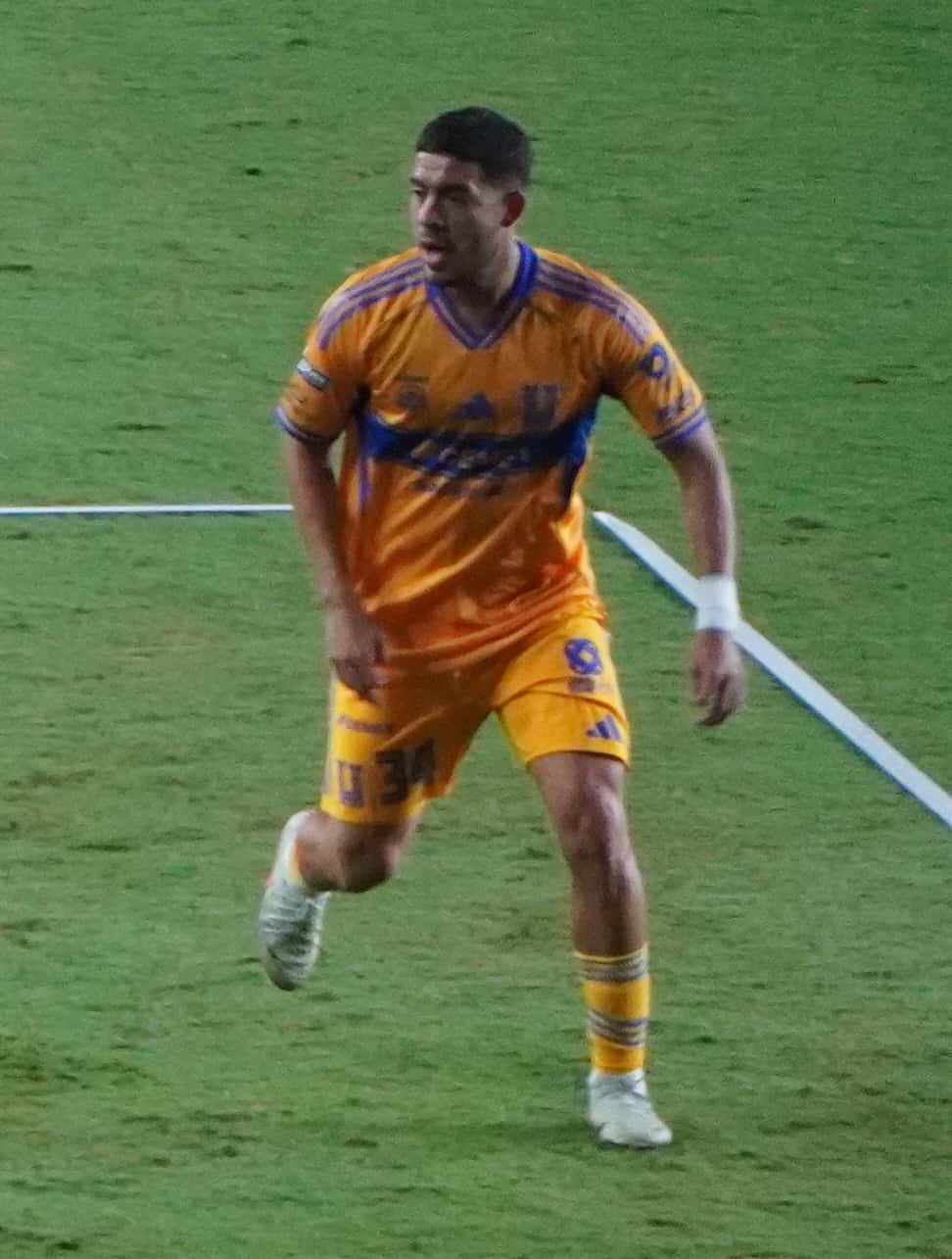
Lionel Messi continues to rewrite the Major League Soccer record book, reaching 100 regular-season goal contributions faster than any player in league history during a scorching stretch for Inter Miami. The Argentine superstar hit the milestone in his third season with the club, a testament to his sustained brilliance in a league he has transformed since arriving, and he did it while in the kind of form that should worry both MLS opponents and the rest of the world ahead of the 2026 World Cup.
Messi's recent run has combined individual milestones with the kind of match-defining performances that have become his signature in South Florida. He led Inter Miami to a thrilling comeback victory over FC Cincinnati, contributing two goals and an assist and forcing an own goal in a 5-3 win, and reached the 100-contribution mark in a victory over Toronto. With the season pausing for the World Cup, Miami sits near the top of the Eastern Conference, second and within striking distance of the lead.
A record-setting pace
Becoming the fastest player to 100 regular-season goal contributions in MLS history is a remarkable marker even by Messi's standards. Goal contributions combine goals and assists, and reaching the century mark faster than anyone before him underscores both his scoring and his playmaking, the dual threat that has made him the centerpiece of Inter Miami's attack since his arrival.
The milestone came in a 4-2 win over Toronto FC in which Messi contributed a goal and two assists, a typically complete performance. That blend of finishing and creating has defined his MLS tenure, and the record reflects how consistently he has produced across his time with the club. For a player who arrived as the most decorated in the sport's history, continuing to set records in a new league speaks to his enduring level.
This season alone, Messi has piled up goals and assists, leading the league in goal contributions and sitting near the top of the scoring chart. His individual numbers have driven Inter Miami's offense, and his presence continues to elevate the players around him, a ripple effect that has made the club one of the most watched teams in North American soccer.
An injury scare, then relief
Messi's brilliant stretch came with a moment of anxiety. He left a match midway through the second half, and the sight of the 38-year-old superstar departing raised immediate fears, both for Inter Miami and for Argentina with the World Cup approaching. Inter Miami initially described the issue as left hamstring muscle fatigue, the kind of vague diagnosis that can presage anything from a minor knock to a serious problem.
The relief came quickly. Tests confirmed that Messi suffered only discomfort and avoided a serious injury, and he is set to be available for Argentina ahead of the World Cup. For a player whose health is paramount both to his club and to his national team's title hopes, the clean bill of health was significant news, removing a cloud that had briefly hung over both teams.
The episode was a reminder of the delicate balance involved in managing a player of Messi's age and importance. Inter Miami and Argentina must weigh the desire to have him on the field against the need to keep him fresh and healthy for the moments that matter most. The fact that the scare resolved without serious injury allowed both to proceed with their plans intact.
The Florida context
Messi's arrival fundamentally changed the profile of soccer in South Florida and across the United States, and Inter Miami has been at the center of that transformation. The club has become a global attraction, drawing attention and crowds that would have been unimaginable before his signing, and his continued excellence keeps Miami in the spotlight of the international game.
The impact extends beyond the field. Messi's presence has elevated the commercial profile of MLS, and Inter Miami's prominence has contributed to the league's rising valuations and visibility. South Florida, with its deep ties to Latin American soccer culture, has proven an ideal home for the Argentine, and the region has embraced him as few markets could.
With the 2026 World Cup set to be held in part in North America, including matches in the region, the intersection of Messi, Inter Miami and the global tournament gives South Florida a central place in a landmark soccer year. The club's strong position and Messi's form heading into the break add to the anticipation surrounding a summer in which the sport will command unprecedented attention in the United States.
The race in the East
On the field, Inter Miami enters the World Cup break second in the Eastern Conference, within striking distance of the lead. That position reflects a strong campaign powered by Messi's production and supported by his teammates, and it leaves the club well placed to contend when play resumes. The break offers a chance to rest and reset before the stretch run.
The Eastern Conference is competitive, and Miami's standing reflects both its quality and the challenge ahead. Sitting just behind the leaders, the club is in control of its own destiny but cannot afford complacency. The second half of the season will determine whether Inter Miami can convert its strong position into a top seed and a deep playoff run.
Messi's health and form will be central to that effort. His availability after the World Cup, and the physical toll of a demanding summer, will shape what Inter Miami can achieve in the season's decisive months. The club's fortunes are tied as closely to its talisman as any team's are to a single player.
What it means for fans
For Inter Miami supporters and soccer fans across Florida, Messi's milestone and his return to health are cause for celebration. Watching the greatest player of his generation continue to set records in MLS is a privilege that the South Florida market has embraced, and his form heading into the break promises an exciting second half.
For the broader sport in the region, Messi's presence continues to grow soccer's footprint, inspiring young players and drawing new fans. The combination of his individual achievements, Inter Miami's competitiveness and the looming World Cup has made South Florida a focal point of the soccer world, a status that benefits the game's development across the state.
The Messi effect on American soccer
Messi's impact on soccer in the United States extends far beyond Inter Miami's results. His arrival was a watershed moment for Major League Soccer, instantly elevating the league's global profile and drawing attention from audiences and media that had never followed it before. The ripple effects have touched television viewership, attendance, merchandise sales and the commercial valuation of clubs across the league, with the benefits extending well beyond his own team.
The phenomenon is particularly pronounced in South Florida, a region with deep cultural ties to soccer and a large population connected to Latin America, where the sport is woven into daily life. Messi's presence has resonated powerfully in that market, transforming Inter Miami into a global brand and filling stadiums wherever the team plays. The club has become a destination for fans and a magnet for attention in a way few American sports franchises achieve.
The timing of Messi's tenure also intersects with a landmark period for soccer in North America, as the continent prepares to host the World Cup. The convergence of the sport's biggest star playing in the United States and the world's biggest tournament coming to the region has created unprecedented momentum for soccer in a country where it has long competed for attention with established sports. Florida sits at the center of that moment.
For the long-term development of the sport, Messi's influence may prove most significant in inspiring a new generation of young players and fans. The visibility he brings introduces the game to audiences who might not otherwise engage with it, and the infrastructure and interest his presence generates could outlast his playing career. Whatever Inter Miami achieves on the field, the broader effect on American soccer is part of his legacy in the region.
The supporting cast around Messi will also shape how far Inter Miami can go. While the Argentine drives the attack, soccer is a team sport, and the contributions of his teammates determine whether the club can sustain success across the demands of a full season. The players around Messi have risen to the occasion in key moments, including the comeback win over Cincinnati, and their continued development is essential to the team's ambitions in the Eastern Conference and beyond.
The World Cup break introduces a complicating variable for the club. While the pause allows players to rest, it also scatters the roster, with Messi and others joining their national teams for the tournament. Reintegrating those players after an intense summer of international competition, and managing the physical toll it takes, will be a delicate task for Inter Miami as it prepares for the resumption of the MLS season and its push toward the playoffs.
The club's front office also faces decisions about how to build around Messi for the stretch run, including potential roster moves and the management of the squad through a demanding schedule. The choices made during this period will influence whether Inter Miami can convert its strong position into a deep playoff run, and they reflect the broader challenge of constructing a competitive team around a singular talent whose presence shapes every aspect of the organization.
What's next
The coming months promise a convergence of storylines, from Messi's pursuit of further milestones to Inter Miami's push in the Eastern Conference to the World Cup itself. For fans, it adds up to one of the most compelling soccer summers the region has experienced, with the sport's biggest star at the center of it all.
Spotted an issue with this article?
Have something to say about this story?
Write us a letterComments
No comments yet. Be the first to weigh in.
Related Coverage

Magic Open Sean Sweeney Era Against Hawks at Kia Center With Franz Wagner's Shoulder in Question
1h ago
Heat Open Season vs. Timberwolves as Giannis Antetokounmpo Makes Miami Debut and LaMelo Ball Starts in Minnesota
3h ago
Nikita Kucherov Scores Twice as Lightning Rally From Two Goals Down to Beat Canucks 4-2
2d ago
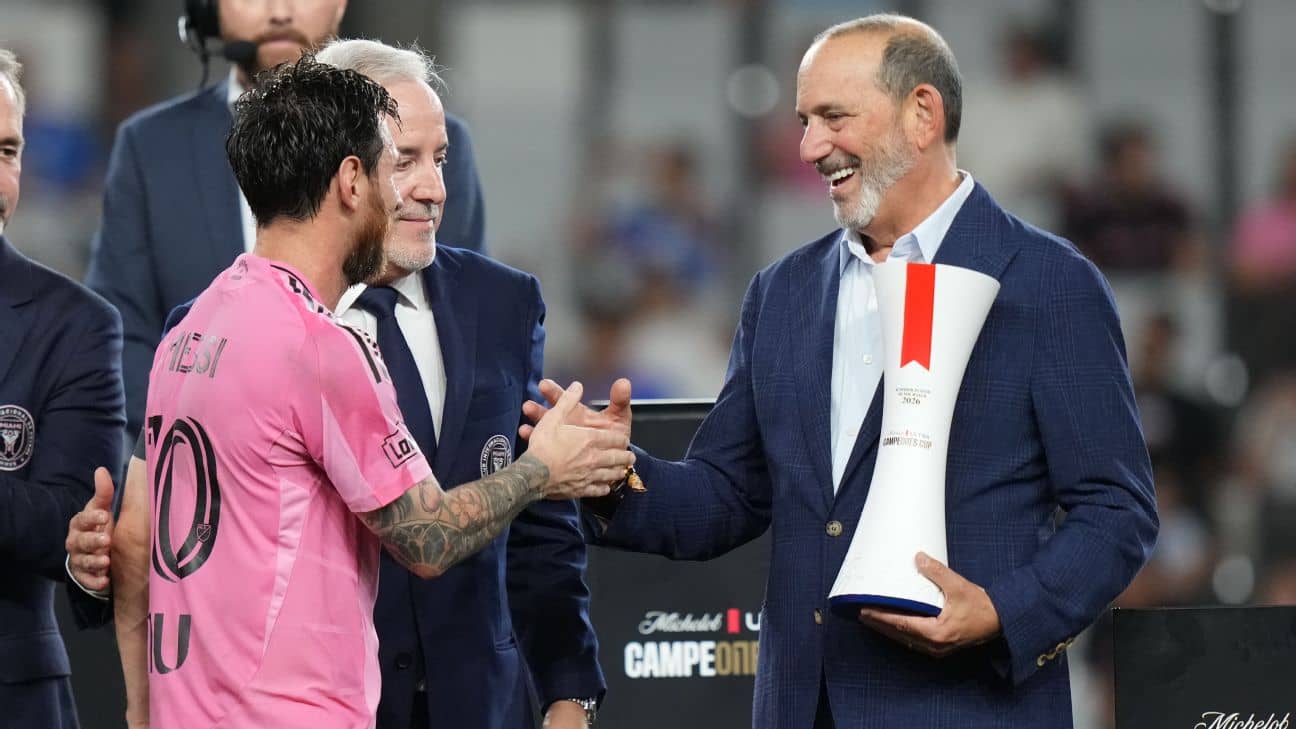
Lionel Messi Scores Twice, Inter Miami Beats Atlanta United 3-1 to Hold Second in the East
2d ago