Miami Braces for the World Cup: $650 Million in Economic Activity, Federal Security Dollars and Visa Worries
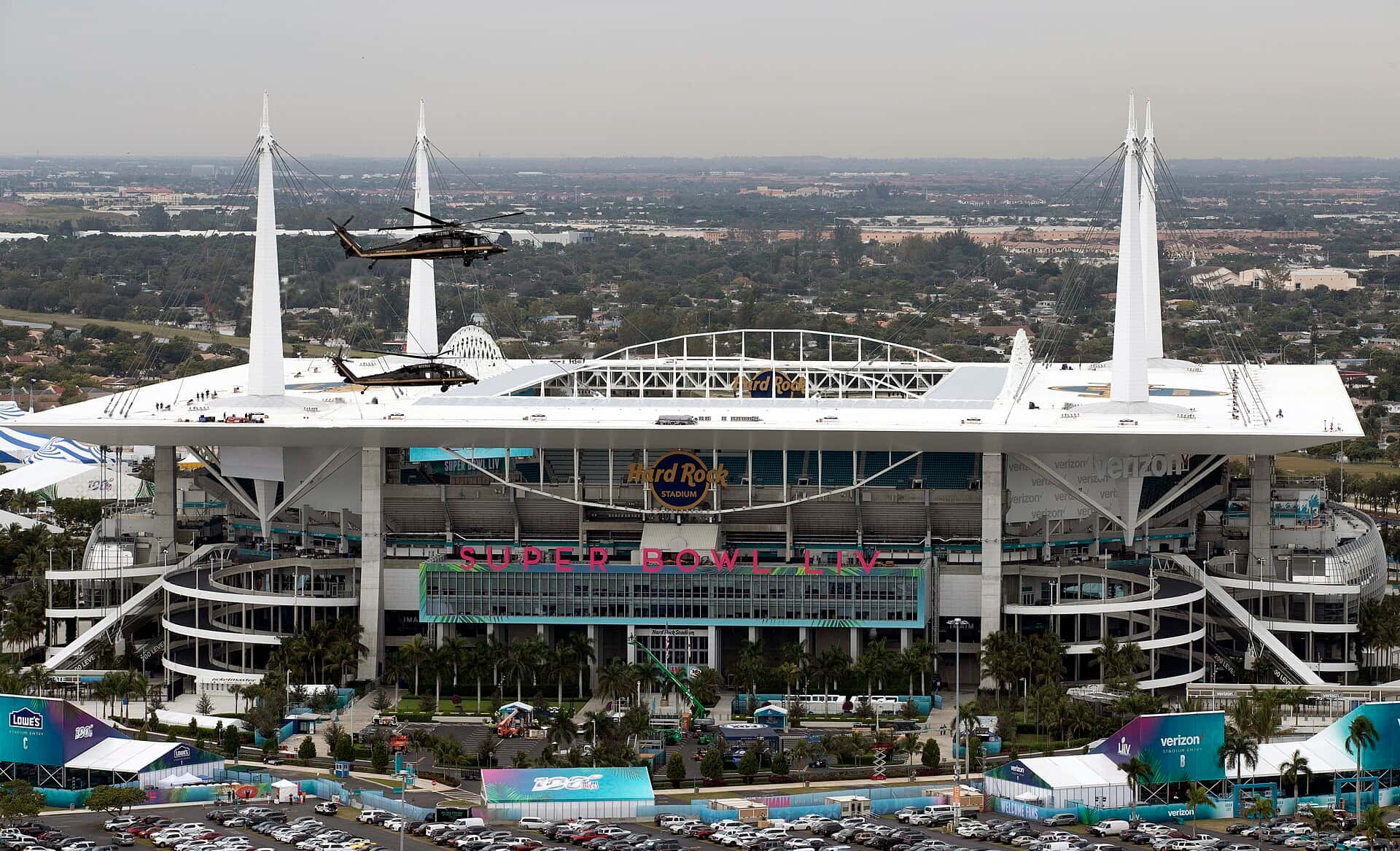
As the 2026 FIFA World Cup arrives in South Florida, Miami is bracing for a tournament that promises a substantial economic windfall, demands an unprecedented security effort, and raises questions about whether immigration and visa hurdles will keep some international fans away. With seven matches scheduled at Hard Rock Stadium, the region sits at the intersection of opportunity and challenge as the world's biggest sporting event comes to town.
The economic stakes
The economic impact of the World Cup in Miami is projected to be significant. The seven matches at Hard Rock Stadium are predicted to generate more than $650 million in direct economic activity, a figure that reflects spending on tickets, hotels, restaurants, transportation, and the broad array of commerce that accompanies a global event.
Analysts have noted that the impact will likely stretch well beyond hotel rooms, restaurant tabs, and the gates of the stadium itself. By creating public gathering spaces and fan events in downtown Miami, the tournament extends the experience beyond ticket holders, opening opportunities for small businesses, restaurants, retailers, and sponsors to benefit even on days without matches.
Researchers at Florida International University and elsewhere have examined how the benefits could reach beyond tourism into broader economic and reputational gains for the region. Hosting matches places Miami on a global stage, with potential long-term payoffs in visibility and investment that extend past the tournament's final whistle.
The security challenge
Staging the World Cup also presents an enormous security undertaking. The tournament is a 48-team, 104-match event spread across 16 cities in the United States, Mexico, and Canada, making it larger in scale and footprint than any previous edition and posing what officials have described as an unprecedented security challenge.
Federal resources are flowing to support that effort. The Federal Emergency Management Agency has distributed $625 million to the U.S. host cities to bolster security, with an additional $250 million directed toward tracking and neutralizing suspect drones, a modern threat that adds complexity to securing large outdoor venues.
For Miami, coordinating security across federal, state, and local agencies is a central part of the preparation. The scale of the crowds, the international profile of the event, and the range of potential threats require extensive planning to keep players, fans, and the broader community safe throughout the tournament.
Visa and immigration concerns
One of the looming uncertainties is whether international fans will be able to attend in the numbers organizers hoped. Current U.S. immigration procedures and visa delays may be discouraging some international visitors, and a number of host cities reported potential shortfalls in projected international turnout as of the spring.
That concern is particularly relevant for Miami, whose appeal as a host city rests in part on its connections to soccer-loving nations around the world. If visa hurdles prevent fans from those countries from traveling, the anticipated economic benefits could fall short of projections, and the atmosphere at matches could be affected.
The tension highlights how immigration policy, a defining issue in Florida and nationally, intersects with the practical realities of hosting a global event. The same enforcement environment that shapes the state's politics also influences whether the world's fans can reach the stadiums where their teams play.
What it means for South Florida
For South Florida residents and businesses, the World Cup represents a major opportunity. Hotels, restaurants, retailers, transportation providers, and event vendors stand to benefit from the influx of visitors and the attention the tournament brings. The projected economic activity could provide a meaningful boost to the regional economy.
The event also showcases Miami to a worldwide audience, reinforcing its identity as an international city and potentially attracting future tourism and investment. The reputational value of hosting matches, including a quarterfinal and the third-place playoff, extends the benefits beyond the immediate spending.
At the same time, residents will navigate the practical effects of hosting, including heightened security, increased traffic, and the logistical demands of accommodating large crowds. Balancing the benefits with the disruptions is part of the host-city experience.
The broader picture
Miami Gardens, the community that is home to Hard Rock Stadium, finds itself in the global spotlight as a World Cup host, a notable arc for an area that grew up around the stadium. The tournament brings international attention to the community and the broader region hosting the matches.
The combination of economic promise, security demands, and visa uncertainty captures the complexity of staging a mega-event in the current environment. Miami's experience will be one measure of how well U.S. host cities can deliver on the tournament's potential while managing its challenges.
As one of the U.S. host cities, Miami is part of a continent-spanning effort that represents the largest World Cup in history. The region's performance as a host carries implications for how South Florida is perceived on the world stage.
Coordinating an unprecedented security effort
Securing a World Cup match in Miami requires coordination across federal, state, and local agencies, each bringing different responsibilities and capabilities. The scale of the event, with large crowds, an international profile, and high visibility, demands planning that integrates law enforcement, emergency management, and security specialists into a unified operation.
The federal contribution is substantial. The distribution of $625 million by the Federal Emergency Management Agency to U.S. host cities, along with an additional $250 million directed toward countering drone threats, underscores the level of resources being marshaled. That funding supports the personnel, equipment, and technology needed to protect venues and the surrounding areas.
The drone dimension reflects a modern security challenge. Unauthorized drones can pose threats to large outdoor gatherings, and the dedicated funding for tracking and neutralizing suspect drones illustrates how security planning has evolved to address emerging risks alongside traditional concerns like crowd management and access control.
Host cities have drawn on experience from previous major events to inform their preparations. Stadiums and regions that have hosted championships, large concerts, and other major gatherings bring institutional knowledge to the task, though the World Cup's scale and international footprint present challenges beyond most prior events.
For Miami, the security operation is a defining test of its capacity to host an event of this magnitude. Executing it successfully, keeping players, fans, and the community safe across multiple matches, is essential not only for the tournament itself but for the region's reputation as a venue for global events.
Beyond the stadium gates
Much of the World Cup experience in Miami will play out beyond Hard Rock Stadium itself. Organizers and the host committee have planned public gathering spaces and fan events in downtown Miami, extending the tournament's reach to people without match tickets and spreading the economic activity across the region rather than concentrating it at the venue.
Those fan zones and watch parties are a hallmark of modern World Cups, drawing crowds to public viewing areas and creating opportunities for restaurants, retailers, and vendors to benefit. For a city with Miami's nightlife and cultural scene, the tournament offers a natural fit for the kind of communal celebration that surrounds the event globally.
The influx of international visitors also tests the region's hospitality and transportation infrastructure. Hotels, ride-share services, public transit, and the airport all face heightened demand during the tournament, and how smoothly the region handles the logistics will influence both the visitor experience and Miami's reputation as a host.
Local businesses have an opportunity to capitalize on the global audience, but capturing the benefit requires preparation. Restaurants, shops, and service providers that cater to the diverse international crowd, including in multiple languages, stand to gain the most from the visitors drawn by the matches.
What's next
With matches running from mid-June through the July 18 third-place playoff, Miami's role as a host will play out over the coming weeks. The economic returns, the effectiveness of the security operation, and the level of international attendance will all become clearer as the tournament unfolds.
For South Florida, the World Cup is both a showcase and a test. The region has the chance to capture a substantial economic and reputational boost, provided the security holds and the fans arrive. As the world watches, Miami's handling of the tournament will shape its legacy as a global sports destination.
Spotted an issue with this article?
Have something to say about this story?
Write a letter to the editor