Miami-Dade Regains the Dade-Collier Airport Land and Pushes for Permanent Everglades Protection
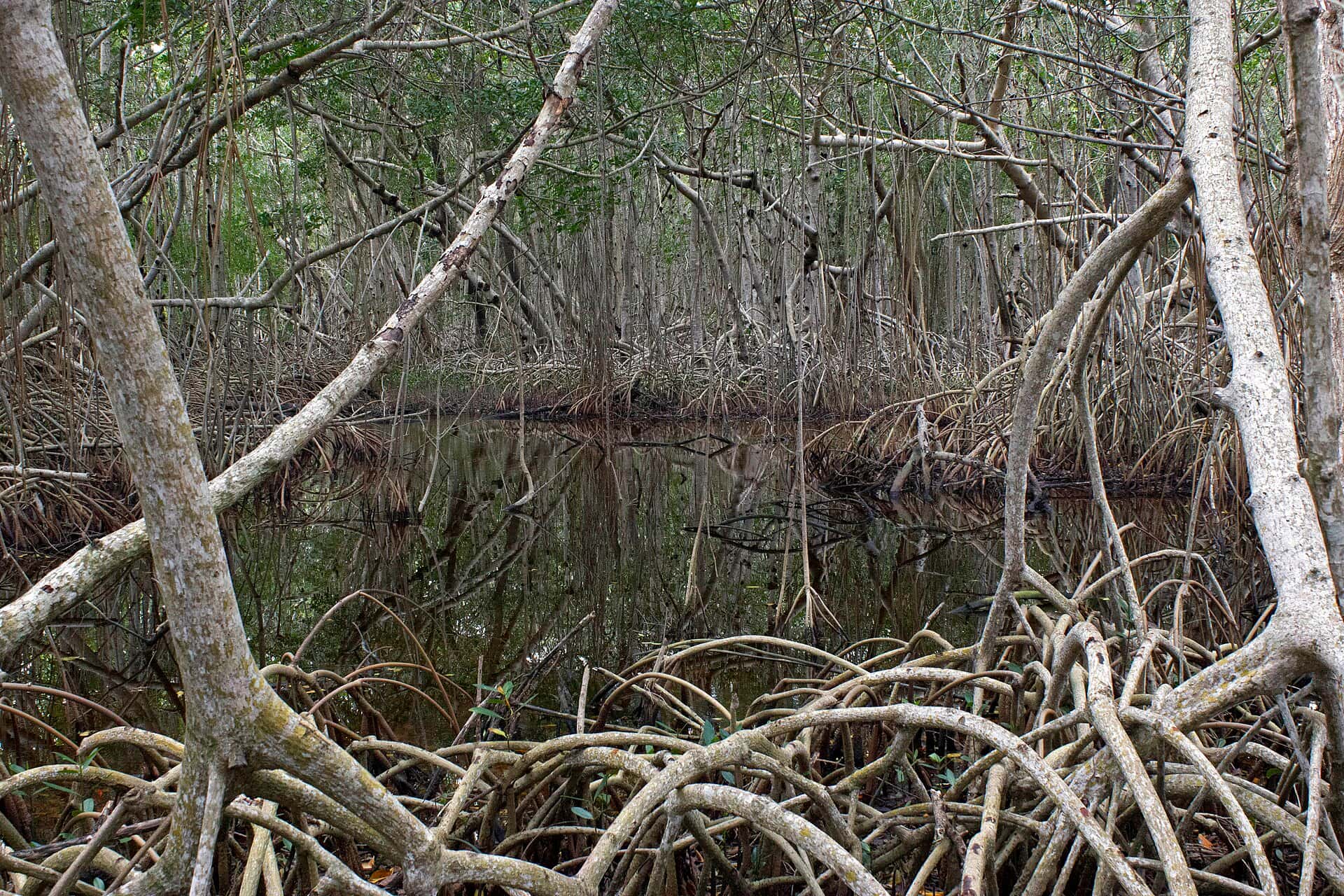
Miami-Dade County has formally regained control of the Dade-Collier Training and Transition Airport property, the nearly 25,000 acre county owned parcel deep in the Everglades that the state used to operate the immigration detention facility known as Alligator Alcatraz. The handover followed the state's termination of operations at the site.
The Florida Division of Emergency Management notified Mayor Daniella Levine Cava in an August 7 letter that the state's mission at the property was complete and that the division would return control at the end of the inspection day. The county announced the completed handover on August 11, with the mayor calling it an important turning point for Miami-Dade and for the Everglades.
Levine Cava has announced her intent to pursue permanent protection of the property, and the county says it is advancing work toward the potential sale or transfer of all or part of the parcel for conservation and ecological restoration. That would convert a decades old aviation property into protected land within one of the most heavily invested ecosystem restoration efforts in the country.
What the property is
The Dade-Collier Training and Transition Airport sits in the middle of the Everglades along Tamiami Trail, straddling the boundary region between Miami-Dade and Collier counties. It was built in the late 1960s as the first runway of what was intended to be a massive commercial jetport, a project that would have made it the largest airport in the world at the time.
The jetport was stopped by one of the earliest major environmental campaigns in Florida history. Opposition centered on the damage a commercial airport of that scale would inflict on the Everglades watershed and on Big Cypress, and the project was abandoned after a single runway had been completed. The runway remained in use for pilot training, which is the function the facility has served since.
The property has been county owned throughout. Its location, isolated, accessible by a single highway, and surrounded by wetlands, is exactly what made it attractive as a detention site and is also what makes it ecologically significant. It sits within the hydrological system that Everglades restoration is designed to repair.
The abandoned jetport is frequently cited as the origin point of the modern Everglades protection movement, and the possibility of converting the remaining parcel to conservation closes a loop that opened more than fifty years ago.
How the site was used
The state stood up the detention facility at the property in a matter of days during the summer of 2025, operating it under state emergency management authority in coordination with federal immigration enforcement. President Donald Trump toured the site shortly before it opened.
Officials announced a temporary closure in June, transferring all detainees to other facilities and citing hurricane season safety at a location in the middle of a wetland with limited evacuation routes. Governor Ron DeSantis announced on June 25 that the facility had served its purpose and would close, and the state later filed evidence in federal court that the site was in fact closed, after a judge required proof.
The facility drew litigation on multiple fronts, including an environmental lawsuit that produced a court order directing operations to wind down, and separate challenges concerning conditions and detainee access to counsel. The governor's office has characterized the facility as a success, citing the volume of removals processed through it.
The site's closure and the return of the property to the county resolve the immediate operational question. The litigation history and the disputes over cost, including the substantial state expenditure on construction and operations, remain matters of public record and continuing scrutiny.
The restoration context
The Comprehensive Everglades Restoration Plan is the framework governing federal and state efforts to restore water flow through the system. It is among the largest ecosystem restoration undertakings ever attempted, and its central objective is to move water south through the historic flow path rather than diverting it east and west to tide.
Land is the binding constraint on much of that work. Reservoirs, stormwater treatment areas and flow way projects all require acreage, and acquiring land in South Florida is expensive and slow. A nearly 25,000 acre parcel already in public ownership, sitting within the relevant landscape, is an unusual asset.
Whether the Dade-Collier property serves a direct engineering function in restoration or serves primarily as protected habitat is a technical question that would be resolved through the standard review process involving the South Florida Water Management District, the Army Corps of Engineers and the state Department of Environmental Protection.
Either outcome has value. Preventing future development on a parcel of that size within the Everglades landscape is itself a conservation result, independent of whether the land hosts a restoration project.
What it means for Floridians
The Everglades supplies drinking water to a large share of South Florida's population through the Biscayne Aquifer, which is recharged by the surface water system. Restoration is a water supply program as much as an environmental one, and residents of Miami-Dade, Broward and Monroe counties have a direct interest in it.
The system also functions as flood protection. Wetlands absorb and slow water during heavy rainfall, and the capacity of the greater Everglades to hold water affects flood risk in developed areas to the east during storm events.
Saltwater intrusion into coastal wellfields is a persistent and growing problem in South Florida, driven by sea level rise and by reduced freshwater head pressure in the aquifer. Restoring freshwater flow is one of the principal tools available to slow it.
The Everglades also anchors a tourism economy. Everglades National Park, Big Cypress National Preserve and associated recreational activity generate visitor spending across South Florida, and the condition of the ecosystem is what the visitors come for.
Local impact across the state
Miami-Dade County holds title to the property and will make the decision about its disposition, subject to whatever approvals a sale or transfer requires. The county commission would be involved in any conveyance, and the process would proceed through the county's standard real property procedures.
Collier County and Southwest Florida have an interest as well, given the property's location near the county line and the hydrological connection through Big Cypress. Water management decisions in the western Everglades affect both coasts.
Statewide, the outcome matters as a precedent for how publicly owned land inside the Everglades landscape is treated. Florida has invested heavily in restoration through state appropriations, and the Legislature has funded reservoir and treatment projects that are moving through construction.
The Florida congressional delegation has a role in the federal side of restoration funding, which flows through Army Corps appropriations. Members representing South Florida districts have historically worked across party lines on Everglades funding, and the pace of federal appropriations is a persistent constraint on project delivery.
The original jetport fight
The campaign that stopped the Everglades jetport in 1969 and 1970 is frequently cited as a founding episode of modern American environmental politics. Opposition brought together conservation organizations, scientists and eventually federal officials, and the project was halted after one runway was built.
The fight also produced Big Cypress National Preserve, established in 1974 in part to protect the area from the development the jetport would have induced. The preserve now covers a substantial portion of the watershed north and west of Everglades National Park.
The agreement that ended the jetport project limited the facility to training use and constrained its expansion, which is why the site has remained a single runway with minimal supporting infrastructure for more than fifty years.
What conservation would require
Converting the property to permanent protection involves more than a decision by the county. The mechanism matters: a fee simple transfer moves title to a conservation agency, while a conservation easement leaves the county as owner but permanently restricts uses.
Funding is the other constraint. Florida Forever is the state's land conservation program, and federal acquisition would proceed through the relevant land management agency with appropriated funds. Either route requires appraisal, negotiation and, for public purchases, appropriation.
Restoration of the runway area itself would be a separate undertaking. Removing pavement and restoring hydrology on a developed site is technically feasible and has been done elsewhere in Florida, but it is expensive and would require its own design, permitting and funding process.
The water management picture
The South Florida Water Management District operates the canal, levee and pump system that controls water movement across the region. That system was built primarily for flood control and water supply, and restoration involves modifying it to restore more natural flow patterns.
Water moving south through the Everglades has historically been constrained by Tamiami Trail, the east west highway that runs directly past the Dade-Collier property. Bridging sections of that road to allow water to pass beneath has been among the higher profile restoration projects.
The property's location adjacent to that corridor is part of what gives it restoration relevance. Land near the flow path has value for the system whether or not it hosts a specific engineered project, because keeping it undeveloped preserves options.
What is next
The county is advancing work toward the potential sale or transfer of all or a portion of the property for permanent conservation. That process involves valuation, identification of a receiving entity, whether a state agency, a federal agency or a conservation organization, and the negotiation of terms.
Permanent protection typically takes the form of either fee simple transfer to a conservation agency or a conservation easement that restricts development while leaving title with the county. Which mechanism is used affects cost, timeline and the degree of protection.
Environmental litigation concerning the site's use may continue to shape the record even though operations have ceased, and the underlying legal questions about the facility's authorization and environmental review remain in the courts. For the land itself, the practical question now is whether the county follows through on conversion to conservation, and how quickly.
Spotted an issue with this article?
Have something to say about this story?
Write a letter to the editorComments
No comments yet. Be the first to weigh in.
Related Coverage

Record King Tides and Heavy Rain Swamp South Florida Streets as Water Managers Warn the Season Peaks Oct. 27
23h ago

Florida's loggerhead sea turtles set preliminary nesting record
2d ago
Florida Anglers Get a 14-Day Fall Atlantic Red Snapper Season Starting Oct. 9
4d ago

King Tides Swamp South Florida Streets and Shut Down Two Miles of A1A
5d ago