Miami-Dade Tax Collector returns nearly $9 million in unused fees to county public schools
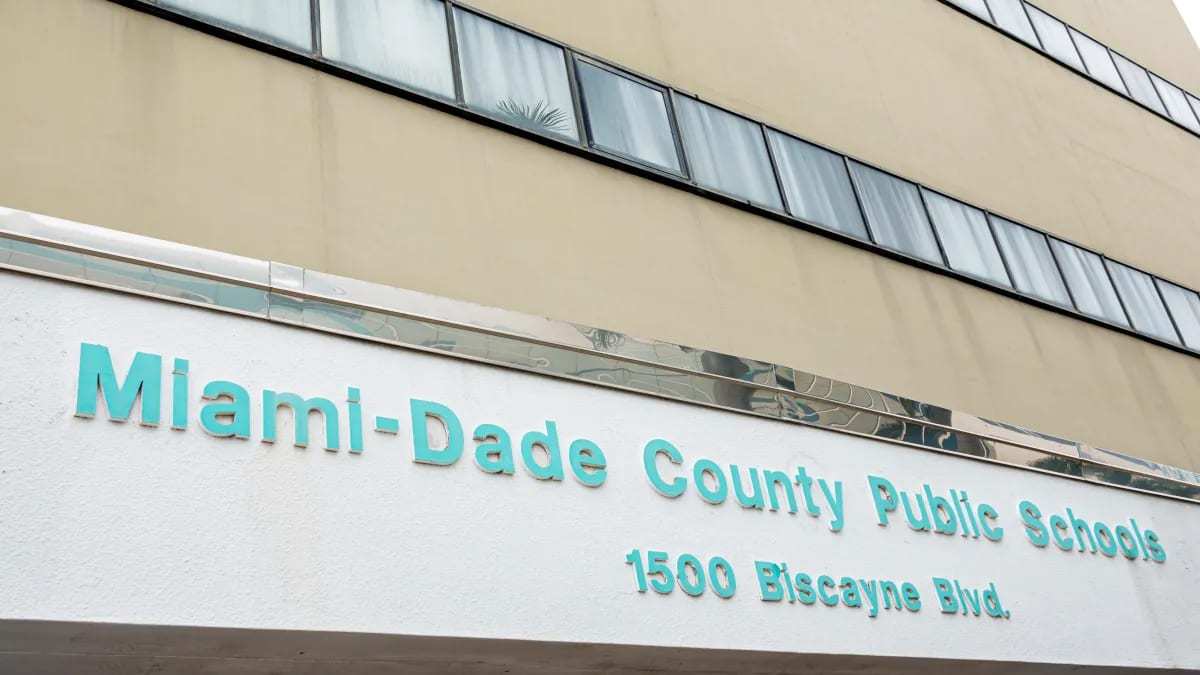
The Miami-Dade Tax Collector's office is returning $8,995,000 in unused fees to Miami-Dade County Public Schools, money left over after the office covered its own operating expenses. Tax Collector Dariel Fernandez announced the return on Friday, Nov. 27, and said the district can use the money to support students and teachers. The payment arrives as Florida's largest school district is managing a steep enrollment drop and warning of difficult budget decisions ahead.
The announcement was first reported by NBC6, and the Tax Collector's office posted its own release describing the money as operational savings returned to the district.
Why the money is going back
A county tax collector in Florida is funded largely through fees and commissions charged to the local governments it collects taxes for, including the school board. The Miami-Dade office has said it is funded through statutory service fees and a 2 percent commission authorized by state law, and that its budget returns a majority of that commission to the county and other taxing authorities, according to a statement on the office's funding model. When the office ends the year with more than it needed to operate, state law requires it to give the surplus back.
Under Section 218.36 of the Florida Statutes, a tax collector holding excess fee income must return it to each governmental unit in proportion to the share of the office's total fee income that unit paid. NBC6 noted that the law requires leftover money to be distributed to the agencies that paid fees to the office, which is why a large share flows back to the school district, one of the biggest taxing authorities on Miami-Dade's property tax bills.
Fernandez said the returned funds were left over after the office covered its operating expenses. NBC6 reported that the announcement did not include a breakdown of the fees or a timeline for the transfer.
A pattern of returns from a newly independent office
The return is part of a broader effort by Fernandez to highlight savings in an office that only recently became independent of county government. Fernandez, a Republican, won the 2024 general election with about 55.7 percent of the vote and took office on Jan. 7, 2025, as the county's first elected tax collector after a 2018 state constitutional amendment converted the post from an appointed county job into an elected constitutional office.
For fiscal year 2025, his office reported returning more than $15.2 million in unused fees, including $13.7 million to the county's general fund, according to a release published by Community Newspapers. In November 2025, the office returned $962,384 in unused fees to The Children's Trust, the county's dedicated children's services taxing district. More recently, the office said it had returned 73 percent of its commission revenues, more than $104.6 million, to the county and other public agencies.
The school district stands to benefit in another way next year. A 2026 state law allows a tax collector to waive the commission on voted school millages, according to a Florida Department of Revenue bulletin, and the Miami-Dade office has said that waiving those commissions will produce about $13 million in savings for fiscal year 2026-27, according to a release from the office.
A district under budget pressure
Nearly $9 million is a small slice of the district's spending, but it lands at a tight moment. The Miami-Dade County School Board unanimously adopted a $7.4 billion budget for 2026-27 on Sept. 9, and board members warned that cuts were likely during the year, WLRN reported.
The central problem is enrollment. District and state figures cited by WLRN showed 18,910 fewer students at the start of the school year than at the end of 2025-26, a bigger decline than the budget assumed. Florida funds school districts largely on a per-student basis, so fewer students means less state money.
The district has already been trimming. Halfway through the 2025-26 school year, the board cut the budget by $89 million, and before the September budget hearing it voted to reorganize central office roles, a move estimated to save $1.6 million, according to WLRN. Interim chief financial officer Margarita Betancourt told the board a $40 million reserve could ease some of the strain. Board chair Mari Tere Rojas asked the superintendent to bring a budget plan to the board after enrollment counts were updated in October.
Superintendent Rafael Villalobos, a 30-year district veteran and former South Region superintendent whom the board selected unanimously in July and who started in September, told reporters that all of the district's dollars have to go back into schools, describing a consolidation of district, central staff and schools.
How the money can be used
The Tax Collector's office framed the return as money to support students and teachers. Because it comes back as surplus fee revenue rather than a grant for a specific program, spending decisions rest with the School Board and district administration. The district had not announced a specific use for the money as of the weekend.
The property tax backdrop
The return also comes weeks after Florida voters reshaped local property taxes. Amendment 3, the homestead property tax measure on the Nov. 3 ballot, passed with more than 62 percent of the unofficial vote, above the 60 percent required, FOX 13 reported. The expanded exemption rises to $150,000 in 2027 and $250,000 in 2028 for non-school levies, while school district property taxes were carved out of the new exemption. That carve-out spares school budgets from the direct hit expected by cities and counties, though local governments across Miami-Dade will be reworking their own budgets as the changes take effect Jan. 1, 2027.
What's next
The School Board will decide how to fold the $8,995,000 into its 2026-27 spending plan as it weighs the enrollment-driven cuts board members have warned about. The Tax Collector's commission waiver on voted school millage, if carried out as described, would keep additional money with the school system in the coming fiscal year. Fernandez's office is also expected to continue announcing year-end returns to the other agencies that pay its fees.
Sources
Spotted an issue with this article?
Have something to say about this story?
Write us a letterComments
No comments yet. Be the first to weigh in.
Related Coverage

FSU Students Are Far More Tolerant of Political Disagreement Than They Think Their Peers Are, Survey Finds
1d ago

GAO report: 57% of Florida kindergartners missed the readiness benchmark in 2024-25
4d ago

Some Classes Will Stay on Hillsborough College's Dale Mabry Campus During Rays Stadium Construction, Reversing Part of Off-Site Plan
4d ago

Broward Schools Fired 285 Teachers Over Certification Lapses This Year After a State Audit Found Nearly a Quarter Out of Compliance
5d ago