New Cuba Sanctions Put Florida's Diaspora at the Center of a Hardening U.S. Policy
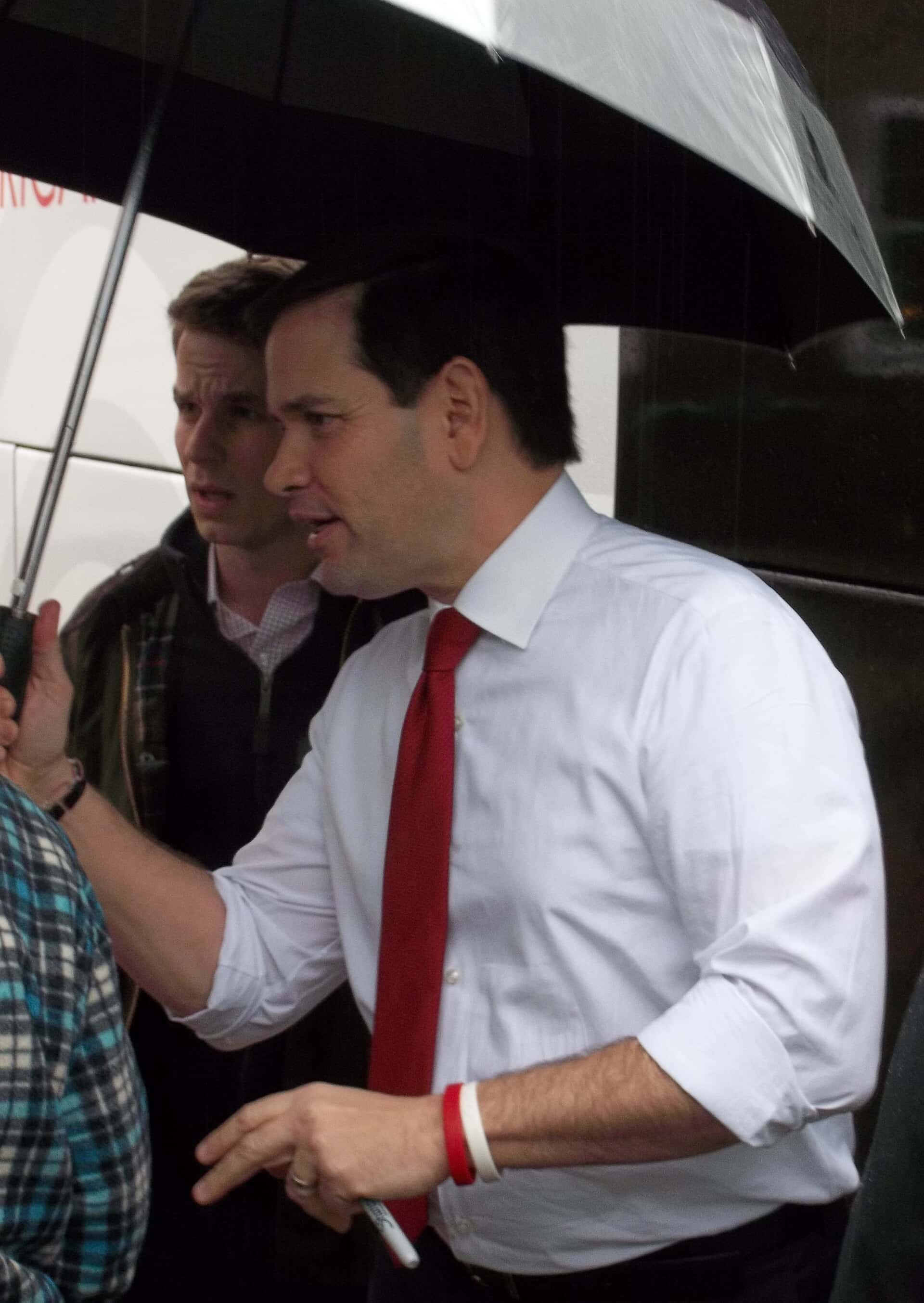
A hardening U.S. posture toward Cuba and Venezuela is placing Florida's politically powerful diaspora communities squarely at the center of American foreign policy. Secretary of State Marco Rubio, a Florida political figure who long represented the state in the Senate, has announced new sanctions on Cuba as part of a maximum-pressure campaign, deepening Washington's confrontation with the island's government and resonating deeply across South Florida.
The developments unfold against the backdrop of a dramatic U.S. intervention in Venezuela earlier in 2026, in which American forces helped oust the country's president. The intertwined campaigns against both governments carry profound significance for the hundreds of thousands of Cuban Americans and Venezuelan Americans who have made Florida their home and who wield substantial influence in the state's politics.
The new sanctions
Rubio announced sanctions targeting a powerful Cuban military-linked conglomerate, arguing that the entity controls a vast portfolio of assets the administration characterized as illicit, valued at billions of dollars. The action represents an escalation of the long-running U.S. pressure campaign aimed at the Cuban government and its economic structures.
The administration paired the punitive measures with a humanitarian overture, with Rubio stating that the United States had offered substantial humanitarian aid to Cuba, including food and medical supplies. He criticized the Cuban government, however, contending that it was preventing such aid from reaching the population, framing the regime rather than U.S. policy as the obstacle to relief.
The sanctions fit within a maximum-pressure strategy that the secretary of state has championed, aimed at squeezing the Cuban government economically. The approach builds on decades of U.S. policy that has relied on embargo, financial sanctions, and diplomatic isolation to pressure the island, an approach long shaped by Florida's diaspora politics.
The Venezuela connection
The Cuba campaign is closely linked to events in Venezuela. Following the U.S. intervention that ousted the Venezuelan president, the flow of oil from Venezuela to Cuba was disrupted, with reporting indicating that shipments to the island were cut off amid the upheaval. Cuba had relied on Venezuelan oil, and the disruption compounds the economic pressure on Havana.
The connection illustrates how the two campaigns reinforce each other. Pressure on Venezuela weakens a key Cuban ally and supplier, while the broader strategy targets two governments that Washington and many in Florida's diaspora have long opposed. The combined effect intensifies the economic strain on Cuba.
For Florida's Venezuelan American community, the intervention in their homeland carries its own profound weight, touching families with direct ties to the country's turmoil. The dual focus on Cuba and Venezuela makes Florida's diaspora communities central stakeholders in two of the administration's most consequential foreign policy initiatives.
The Florida diaspora's influence
Florida's Cuban American community has long exercised outsized influence over U.S. policy toward the island. Concentrated heavily in South Florida, the community has been a driving force behind the hardline approach embraced by administrations of both parties over six decades. That political power gives Florida an unusual degree of sway over a major area of foreign policy.
Rubio himself embodies that connection. A Cuban American from Florida, he rose through state and national politics with deep ties to the diaspora before becoming the nation's top diplomat. His leadership on Cuba policy reflects the alignment between his background, his Florida base, and the administration's strategy.
Yet the politics are not without internal tension. The issue of Cuban migration has created friction within the governing coalition, pitting the anti-communist Florida diaspora, which has historically welcomed Cuban migrants, against immigration hard-liners who seek to deport some of those same individuals or their family members. That tension complicates the politics of a community that is both a force for the pressure campaign and affected by broader immigration policy.
What it means for Floridians
For Florida's Cuban and Venezuelan American communities, the developments are deeply personal, touching on the fate of their homelands and the well-being of family members who remain there. The hardening policy aligns with long-held aspirations among many in the diaspora for political change in both countries, while the humanitarian dimensions raise concerns about the toll on ordinary people.
The tension over migration adds a layer of complexity for Florida families. Communities that support pressure on the Cuban and Venezuelan governments may simultaneously worry about the immigration status of relatives and neighbors, illustrating the cross-pressures that shape the politics of the diaspora.
For Florida more broadly, the centrality of its diaspora to national foreign policy underscores the state's distinctive role in shaping how the United States engages with Latin America and the Caribbean. The decisions made in Washington reverberate powerfully through South Florida's neighborhoods and political life.
A legacy of diaspora politics
The influence of Florida's diaspora communities on U.S. policy toward Cuba stretches back more than six decades, to the waves of migration that followed the Cuban revolution. Generations of Cuban Americans have built lives in South Florida while maintaining intense interest in the fate of their homeland, and their political engagement has made them a force that politicians of both parties court and heed.
That engagement has shaped a remarkably consistent U.S. approach centered on embargo, sanctions, and isolation aimed at pressuring the Cuban government. While debates have periodically arisen about whether engagement might prove more effective, the hardline approach has largely prevailed, reflecting the priorities of a politically active diaspora concentrated in a crucial swing state.
The Venezuelan American community, more recently established but rapidly growing in Florida, has added its voice to the region's diaspora politics. Driven from their country by economic collapse and political turmoil, Venezuelan Americans have brought their own urgent concerns about their homeland, and their growing numbers have increased their political weight in the state.
The combined influence of these communities gives Florida an outsized role in shaping how the United States approaches Cuba and Venezuela. Rubio's prominence as the nation's top diplomat, rooted in that diaspora and in his Florida political career, embodies the connection between the state's communities and national foreign policy.
The human stakes
Behind the policy debates lie profound human stakes for families divided between Florida and the countries in question. The economic pressure campaigns, while aimed at governments, inevitably affect ordinary people, and the dispute over humanitarian aid highlights the difficulty of squeezing a regime without harming the population that lives under it.
For Cuban and Venezuelan families in Florida, developments in their homelands are not abstract policy questions but matters that touch relatives, friends, and the prospects for eventual reunification or return. The hardening U.S. posture stirs hope among those who long for political change while raising concerns about the immediate hardships that economic pressure can impose.
The migration dimension adds further complexity, as families navigate the tension between supporting pressure on the governments they oppose and worrying about the immigration status of relatives who have fled. That tension, playing out within the diaspora itself, illustrates the difficult crosscurrents that define the politics of these communities.
For Florida, the human dimension ensures that foreign policy toward Cuba and Venezuela remains deeply personal and intensely local. The decisions made in Washington land directly in South Florida's communities, where the consequences are felt in families and neighborhoods rather than merely in the abstractions of diplomacy.
What's next
The trajectory of the pressure campaign will depend on how the Cuban government responds to the new sanctions and the loss of Venezuelan oil, and on whether the economic strain produces the political changes the administration seeks. The situation remains fluid, with significant uncertainty about the outcome.
The humanitarian dimension will also bear watching, as the dispute over aid delivery highlights the human stakes of the standoff. How that plays out could shape both the policy and its reception among Florida's diaspora communities.
For Florida, the issues will remain prominent given the diaspora's influence and personal investment. The intertwined fates of Cuba and Venezuela, and the U.S. policies aimed at both, will continue to command attention in a state where foreign policy toward the region is also intensely local politics.
The economic ripple effects within Florida also bear watching. South Florida's economy is deeply connected to Latin America and the Caribbean through trade, finance, travel, and the remittances that families send to relatives abroad. Shifts in U.S. policy toward Cuba and Venezuela can affect those connections, influencing everything from money transfers to the prospects for business activity once political conditions change. The region's role as a commercial gateway to the hemisphere gives it a particular stake in how relations evolve.
The political dimension will remain salient as well, especially with elections on the horizon. Candidates seeking support in Florida have long calibrated their positions on Cuba and Venezuela to the priorities of the diaspora, and the heightened focus on both countries ensures that foreign policy toward the region will feature prominently in the state's political debates. For a community that has shaped U.S. policy for generations, the current moment represents another chapter in a long and consequential engagement.
How the situation evolves will depend heavily on the resilience of the governments under pressure and on the durability of the U.S. strategy. The Cuban government has weathered decades of economic isolation, and whether the latest measures, combined with the disruption of Venezuelan oil, produce a different outcome remains an open question. The administration is betting that the accumulated pressure will eventually force change, while skeptics question whether the approach can succeed where similar efforts have not. For Florida's diaspora communities, the stakes of that gamble are deeply personal, tied to the prospects for their homelands and the well-being of relatives who remain. As the policy unfolds, South Florida will remain both a driving force behind the strategy and a place where its human consequences are felt most directly, ensuring the issue stays at the forefront of the state's political and civic life.
Spotted an issue with this article?
Have something to say about this story?
Write us a letterComments
No comments yet. Be the first to weigh in.
Related Coverage
SpaceX Posts $4.4 Billion Profit on $14.6 Billion Revenue as Starship Readies for Florida Pads
54m ago

NOAA Weighs Reopening Part of Florida's Rare Oculina Bank Coral Reef to Shrimp Trawling
2h ago

Monroe County Elections Chief Investigating Video of Apparent Armed Federal Agents Outside Keys Early Voting Site
3h ago

Frost and Lee File Bipartisan SLOTHS Act to Ban Sloth Imports After Orlando's Sloth World Deaths
4h ago