Orlando Theme Park Wars Intensify as Disney Regains Footing Against Universal's Epic Universe
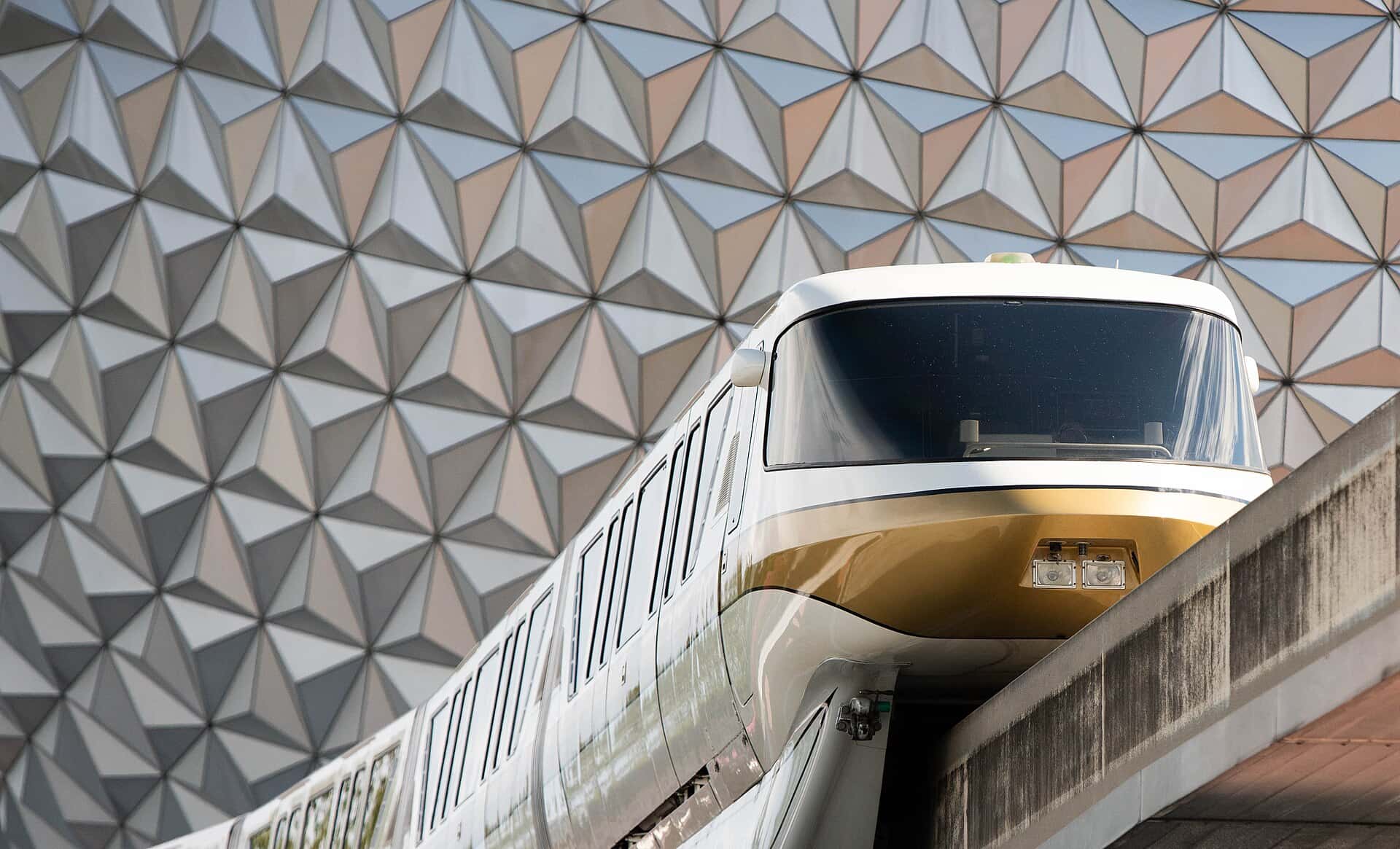
Roughly a year after Universal Orlando opened Epic Universe, its largest new theme park in decades, Walt Disney World is sounding more confident about its competitive standing heading deeper into 2026. The shift matters far beyond the turnstiles of Central Florida's resort corridor. The rivalry between the two dominant operators shapes hotel occupancy, restaurant traffic, airport arrivals and tens of thousands of jobs across the Orlando metropolitan area, a region whose economy rises and falls with the fortunes of its theme parks.
In recent earnings communications, Disney leadership signaled that it expects the headwinds tied to softer international visitation and the arrival of Epic Universe to ease in the coming quarters. The company's chief financial officer, Hugh Johnston, indicated in substance that Disney anticipates lapping those impacts as the calendar turns, a framing that suggests the most disruptive stretch of the new competitive dynamic may be behind the company. Disney also pointed to bookings at its Florida resort pacing up strongly, a leading indicator that executives watch closely.
For Central Florida, the contest is not a zero-sum story. Both companies continue to invest, hire and build, and the broader Orlando market has historically grown when its anchor attractions compete hardest. Yet the change in tone from Disney, paired with Universal's aggressive multiyear expansion plans, marks a new phase in a decades-long contest that has defined the region's identity and its paycheck.
A Year After Epic Universe Reshaped the Map
When Universal opened Epic Universe, it represented one of the most significant single additions to the Orlando theme park landscape in a generation. The park gave Universal a third major gate in the market and, just as importantly, a reason for visitors to extend their stays on the Universal side of town rather than treating it as a one-day add-on to a Disney-centered trip. That structural change is what unsettled the established order.
In the months that followed, Disney's commentary acknowledged real pressure. International visitation, a high-margin segment for the Florida resort, had softened, and the debut of a marquee competitor pulled some attention and spending toward Universal. Those two forces overlapped, making the comparison periods especially difficult for Disney's parks division.
Now, with roughly a year of Epic Universe operations on the books, Disney's posture has changed. By signaling that it expects to lap the international and Epic-related impacts, the company is telling investors and the Central Florida tourism industry that it sees a path back to steadier growth. The confidence is not a declaration of victory so much as a statement that the initial shock has been absorbed and that demand for its Florida product remains durable.
The practical takeaway for the region is that the market did not contract when Universal expanded. It enlarged. More marquee capacity drew more visitors overall, and the question shifting into the back half of 2026 is how those visitors distribute their nights and dollars between the two resort complexes.
Universal Keeps Pressing Its Advantage
Universal has shown no inclination to slow down after Epic Universe. Permit filings have hinted at a possible new attraction within Epic Universe's Dark Universe land, a sign that the company intends to keep adding reasons to visit rather than coasting on the opening-year buzz. Continued investment in a park's early life is a familiar strategy in the theme park business, where fresh attractions drive repeat visitation and justify multiday tickets.
The ambitions extend well beyond a single new ride. Universal has signaled multiple new parks and expansions over the next five years, a pipeline that puts genuine competitive pressure on Disney and reshapes the long-term outlook for Central Florida's tourism capacity. For a region that depends on a steady flow of new reasons to travel, that pipeline translates into construction jobs, operational hiring and sustained demand for hotels and services.
Routine refurbishments also remain part of the rhythm of both resorts, and they offer a small window into how the parks manage their lineups. At Universal Studios Florida, the MEN IN BLACK Alien Attack ride was closed from June 1 through June 16, with a reopening scheduled for June 17. Such closures are ordinary maintenance rather than competitive moves, but for visitors planning summer trips they underscore the importance of checking attraction availability before locking in dates.
Taken together, Universal's expansion strategy reflects a company that views Epic Universe as a foundation rather than a finish line. The competitive pressure that Disney acknowledged is unlikely to fade, even if Disney's specific year-over-year comparisons grow easier.
What the Rivalry Means for Central Florida's Economy
Few regional economies in the United States are as closely tied to a single industry as Central Florida's is to tourism. The theme parks anchor a web of employment that includes hotel staff, restaurant workers, transportation providers, retail employees and the construction trades that build each new attraction. When the parks invest, the ripple effects reach far into Orange and Osceola counties and beyond.
The competition between Disney and Universal tends to amplify those effects. A resort racing to keep pace with a rival builds more, hires more and markets harder, and the surrounding economy captures the spillover. Tax collections tied to hotel stays and sales help fund local services, and the visitor traffic supports small businesses that would never appear on a park map.
The current moment, with Disney expressing renewed confidence and Universal expanding aggressively, points toward continued investment from both sides. That is generally favorable for regional employment, though it also keeps the local labor market tight and pressures housing in a metro area already wrestling with affordability. The same forces that fill job openings also draw new residents who need places to live.
For local leaders, the dynamic is a reminder of both the strength and the concentration of Central Florida's economy. Robust theme park competition supports growth, but the region's heavy reliance on a single sector means that national travel trends and consumer spending shifts carry outsized weight here compared with more diversified economies elsewhere in the state.
How Visitors Are Changing Their Orlando Trips
One of the clearest effects of Universal's expansion is a shift in how families plan their Orlando vacations. For years, the default itinerary for many out-of-state visitors was a week or more built almost entirely around Disney, with other attractions treated as optional side trips. That assumption is eroding.
Increasingly, families weigh split vacations that divide their time between the two resorts, or even Universal-first trips that flip the traditional script. Epic Universe gave Universal enough new capacity to justify several days on its own, which changes the math for travelers deciding where to spend their limited time and budget. The result is a more contested visitor, one whose loyalty neither company can assume.
That competition tends to benefit consumers. When two operators chase the same families, the pressure shows up in promotions, ticket structures, hotel packages and the pace of new attractions. Visitors gain more options and, often, more value, even as the overall cost of an Orlando vacation remains a significant expense for most households.
The practical advice for travelers planning a 2026 trip is to compare both resorts directly rather than defaulting to one. Checking attraction schedules, including refurbishment closures like the MEN IN BLACK ride's June downtime, and weighing multiday or split-stay options can meaningfully change the experience and the price of a Central Florida vacation.
Why International Visitation Still Matters
The international segment that weighed on Disney's recent results deserves particular attention because of how much it shapes Central Florida's tourism economy. Overseas visitors tend to stay longer and spend more per trip than many domestic travelers, which makes shifts in international demand especially consequential for the region's hotels, restaurants and parks.
Disney's signal that it expects international headwinds to ease is therefore significant beyond its own balance sheet. A recovery in overseas visitation would lift the entire Orlando market, benefiting Universal and the broader hospitality sector along with Disney. The two rivals compete fiercely for the same travelers, but both depend on a healthy pipeline of long-haul tourists to fill their most profitable rooms and reservations.
Currency fluctuations, global economic conditions and travel sentiment all influence how many international visitors make the trip to Florida in any given year. Those factors sit largely outside the control of either company, which is part of why Disney framed its outlook in terms of lapping the impacts rather than declaring them resolved. The hope is that the comparisons grow easier and that demand recovers, not that the underlying forces have vanished.
For Central Florida, the international question is a reminder that the theme park rivalry plays out against a global backdrop. The competition between Disney and Universal is intense, but both are exposed to the same external currents that determine how many travelers ultimately choose Orlando.
What's Next for Orlando's Theme Park Battle
The back half of 2026 will test how durable Disney's renewed confidence proves to be. If the company's bookings continue pacing up and the international and Epic-related comparisons ease as expected, Disney will have demonstrated that it can absorb a major competitive shock and return to steadier footing. If demand softens, the optimism expressed in recent communications will face a sterner test.
Universal, for its part, appears committed to maintaining pressure. The hints of a new attraction in Epic Universe's Dark Universe land and the broader signal of multiple parks and expansions over the next five years suggest a company intent on widening its share of the Orlando visitor's time and budget. That sustained investment will keep the rivalry sharp regardless of how Disney's quarterly numbers move.
For Central Florida, the most likely outcome is continued growth driven by two operators unwilling to cede ground. That dynamic supports jobs and investment across the region, even as it keeps pressure on housing and the local labor market. The competition that defines Orlando shows no sign of cooling.
Visitors planning trips in the months ahead stand to benefit most. With both resorts adding attractions, refining packages and competing for the same families, the case for comparing options and considering split or Universal-first itineraries has never been stronger. The theme park wars that have long shaped Central Florida are entering a new and energetic chapter, and the region's economy will move with them.
Spotted an issue with this article?
Have something to say about this story?
Write us a letterComments
No comments yet. Be the first to weigh in.
Related Coverage

Florida AG Investigates Insurer Over Clauses That Void Claims When Homeowners Hire a Public Adjuster
5h ago

Port of Palm Beach's $43 Million Plan to Draw Bigger Cruise Ships Puts Palm Beach Neighbors on Alert
1d ago

Fort Lauderdale Has $12.4 Million in Flood Recovery Grants, but Few Homeowners Are Applying
1d ago

Florida Gas Prices Hold at $4.08 as Diesel Tops $6 Again; Oil Dips After Trump's Russia Sanctions Waiver
2d ago