Orlando's Theme Park War Turns Into a Fight Over Attendance Numbers
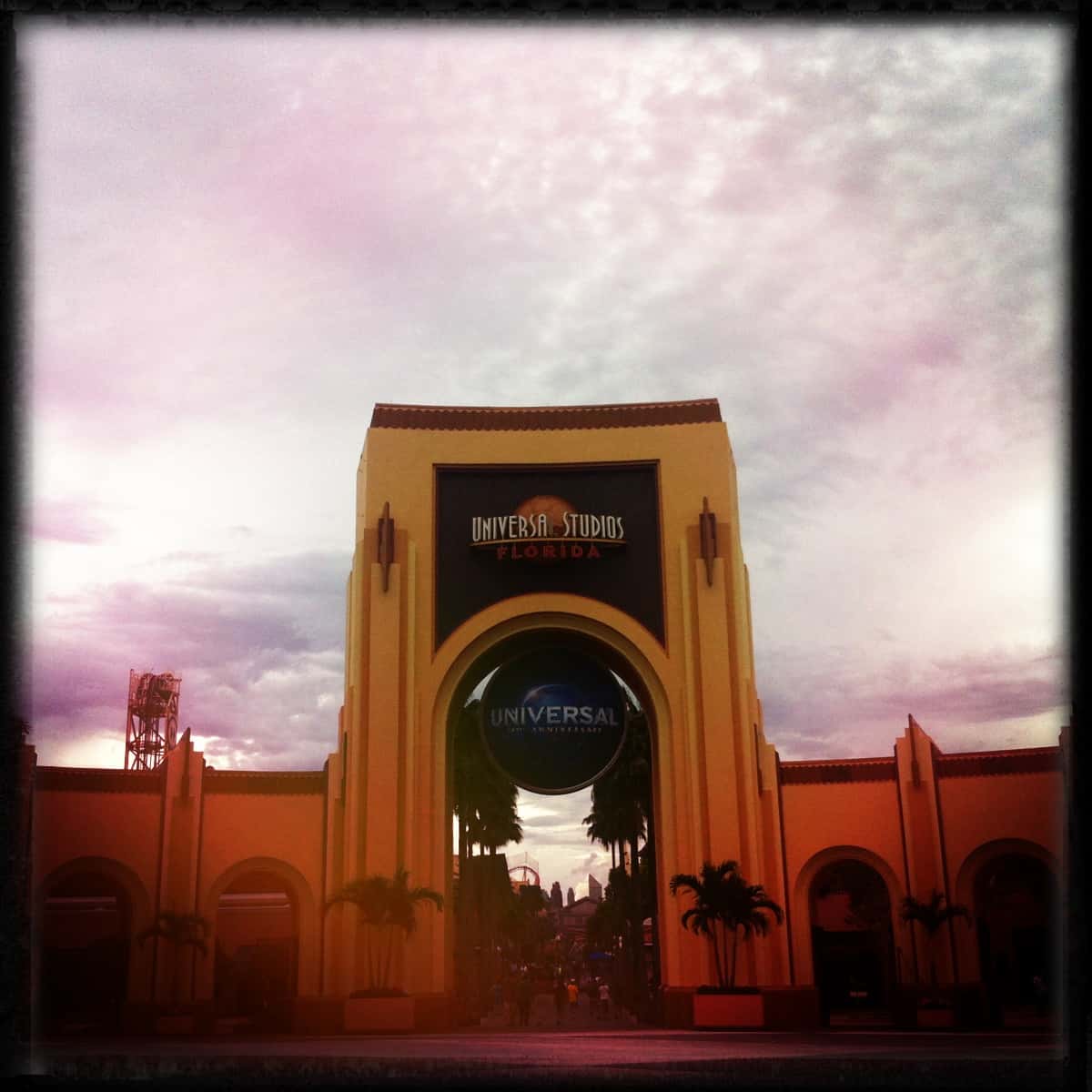
The competition between Central Florida's two largest theme park operators has moved from ride announcements to earnings calls, with Universal acknowledging softening summer attendance in Orlando while Disney executives publicly describe strong results at Walt Disney World.
Universal parent company executives told investors that Orlando attendance began softening in June and remained under pressure as the third quarter opened, though they said Epic Universe continues to perform as expected and to generate strong guest spending. Comcast co-chief executive Mike Cavanagh pointed to weaker consumer sentiment and higher travel costs as possible temporary factors.
Disney offered a different characterization. Chief Financial Officer Hugh Johnston said Walt Disney World posted very strong attendance for the quarter and told CNBC the results were somewhat different from what investors would have seen from the competitor down there. Johnston also said Disney World bookings are pacing up strongly.
What each company said
Epic Universe, which opened in 2025 as Universal Orlando's fourth gate, represented the largest single theme park investment in Central Florida in decades. Its first full year of operation has been closely watched as a test of whether a new park expands the total Orlando market or redistributes existing visitors.
Universal's framing has emphasized per-guest spending rather than raw attendance, a metric that captures how much visitors spend on tickets, food, merchandise and premium access products. Strong spending with softer attendance produces a different financial picture than the reverse.
Disney's framing has emphasized attendance and forward bookings. Forward bookings are a leading indicator, reflecting reservations already on the books for future periods, and companies typically cite them when they want to signal confidence about coming quarters.
The broader Orlando tourism picture
Central Florida's tourism economy is the largest employment cluster in the region and one of the largest in the state. Orange County's tourist development tax collections, which are levied on short-term lodging, function as one of the most direct public measures of visitor volume and spending.
The industry has been navigating a shift in consumer behavior since the pandemic-era travel surge normalized. Higher airfare, elevated hotel rates and increases in the cost of park admission and premium add-ons have all raised the total price of an Orlando vacation relative to several years ago.
Both operators have responded with pricing and product strategies aimed at different segments, including date-based ticket pricing, annual pass structures that vary by blockout calendar, and paid line-skipping products that generate revenue independent of attendance growth.
Why the disagreement matters
Public companies describe their results in language chosen for investors, and competing characterizations of the same market are common when two firms measure different things. Universal is discussing a new park in its first full year against an opening-year comparison; Disney is discussing a mature resort against prior-year performance.
Independent crowd tracking, including wait time data compiled by third-party services, has shown lower average wait times at Epic Universe during August and September than during the park's opening months. Wait times are an imperfect proxy for attendance, since they are also affected by ride capacity and operational efficiency.
Universal has noted that its operational efficiency at Epic Universe has improved, which independently reduces wait times even at constant attendance. Disentangling the two effects is not possible from public data alone.
What it means for Floridians
For Florida residents, softer crowds translate into a more manageable park experience, particularly during periods that historically drew heavy visitation. Both operators sell Florida resident ticket products and annual passes, and those offerings tend to expand when operators want to fill capacity.
For the roughly 150,000 people employed in Central Florida's hospitality and attractions sector, attendance trends bear directly on scheduling and hiring. Theme park operations, hotels, restaurants and transportation services all staff to expected visitor volume.
For Orange and Osceola county governments, tourist development tax revenue funds convention center operations, destination marketing and, under Florida statute, certain infrastructure and sports facility uses. Sustained changes in visitor volume affect those budgets.
Local impact across the state
Central Florida carries the largest concentration of theme park capacity in the world, and the region's hotel inventory, restaurant sector and airport traffic are calibrated to it. Orlando International Airport passenger volumes track visitor patterns closely.
Tampa Bay's attractions sector, including Busch Gardens Tampa Bay, competes for some of the same visitors and often benefits when Orlando visitors extend trips to add a second destination. The Interstate 4 corridor connecting the two markets carries substantial visitor traffic.
Southwest and South Florida draw a different visitor mix weighted toward beaches, boating and cruise departures. Those markets are less directly affected by theme park attendance shifts, though statewide tourism marketing through Visit Florida promotes the destinations collectively.
How Epic Universe changed the market
Epic Universe opened in 2025 as Universal Orlando's fourth gate, joining Universal Studios Florida, Islands of Adventure and the Volcano Bay water park. The addition changed Universal's product from a two-day destination into something closer to a full-week itinerary.
That shift is the strategic point. Orlando visitors historically allocated the majority of their park days to Disney's four theme parks, with Universal capturing a shorter portion of the trip. A fourth Universal gate makes a Universal-only vacation viable in a way it previously was not.
Disney responded before Epic Universe opened, announcing expansion projects across its Walt Disney World parks that will come online over the next several years. Those announcements included new lands and attractions at multiple parks, representing the largest expansion commitment the resort has made in years.
The competitive dynamic has historically benefited Central Florida overall. Each major addition by one operator has tended to expand the total market rather than simply shift share, though whether that pattern holds in a period of consumer caution is the open question this year.
The economics of a theme park vacation
The total cost of an Orlando family vacation has risen substantially over the past decade, and the increase runs across every component. Airfare, hotel rates, park admission, in-park food and merchandise, and rental cars have all moved upward.
Both operators have added paid line-skipping products, which change the economics of a visit. A family that would previously have paid admission and waited in standby lines now faces a choice between longer waits and additional per-person charges that can approach the cost of admission itself.
Date-based pricing means the same ticket costs different amounts depending on when it is used, with peak holiday periods priced well above value seasons. That structure smooths attendance across the calendar and lets operators capture more revenue from visitors with inflexible travel dates.
Annual passes serve a different function, drawing Florida residents who visit frequently and spend on food and merchandise rather than admission. Both operators offer resident pricing tiers, and those programs have historically expanded when operators want to fill capacity during softer periods.
What the numbers do and do not show
Neither Disney nor Universal publishes attendance figures for individual parks. The numbers that circulate publicly come from industry estimates produced by consulting firms, which use methodologies that are not fully disclosed and that carry meaningful uncertainty.
Wait time data, compiled by third-party services from park-published queue times, offers a more granular but noisier signal. Wait times respond to attendance but also to how many attractions are operating, staffing levels and the distribution of visitors across a park during the day.
Company disclosures in earnings materials typically discuss attendance in directional terms, described as up or down against a prior period, rather than in absolute numbers. Those descriptions are accurate but limited, and they permit the kind of divergent characterization both companies offered this quarter.
Hotel occupancy and tourist development tax collections provide independent regional measures. Those figures capture the whole Orlando visitor economy rather than any single operator, which makes them useful for assessing the market but not for comparing companies.
The workforce behind the parks
Central Florida's attractions sector employs a workforce numbering in the tens of thousands across the two major operators alone, before accounting for hotels, restaurants, transportation and the supply chain that serves them.
Much of that employment is covered by collective bargaining agreements, and wage negotiations at the major operators have drawn regional attention in recent years. Base wage levels at the parks influence the broader Central Florida labor market, since they set a reference point for competing employers.
Housing costs in the Orlando region have risen substantially, and the gap between service sector wages and housing expense has been a persistent regional policy concern. Local governments have pursued affordable housing initiatives with varying scale and success.
Attendance fluctuations affect scheduling more immediately than headcount. Operators respond to softer periods by reducing hours rather than through layoffs in most circumstances, which shifts the impact onto individual workers' earnings.
Tourism's place in the state economy
Tourism is among Florida's largest industries, generating substantial sales tax revenue that supports the state budget in a state with no personal income tax. That structure makes state finances more sensitive to visitor spending than in most states.
Visit Florida, the state's destination marketing organization, promotes the state as a whole rather than any individual attraction, and its funding has been a recurring subject in legislative budget deliberations.
Tourist development taxes, levied at the county level on short-term lodging, fund destination marketing, convention facilities and, under specific statutory provisions, certain other uses including sports facilities. Orange County collects among the largest amounts in the state.
Beyond theme parks, Florida's tourism economy includes beaches, cruise departures from PortMiami, Port Everglades and Port Canaveral, the Keys, natural attractions including state and national parks, and a substantial business and convention travel segment.
What's next
Both companies will report results again in the coming quarter, which will provide the next data point on whether Orlando softness persisted through the late summer and into the fall. The fall period includes Halloween events at both resorts, which have become significant revenue drivers.
Orange County publishes tourist development tax collections monthly, offering an independent read on lodging demand that does not depend on either company's characterization. Those figures lag by several weeks.
Capital plans on both sides remain in motion. Universal has continued development work at its Orlando property, and Disney has announced expansion projects across its Walt Disney World parks that will come online over the next several years.
Spotted an issue with this article?
Have something to say about this story?
Write a letter to the editorComments
No comments yet. Be the first to weigh in.
Related Coverage
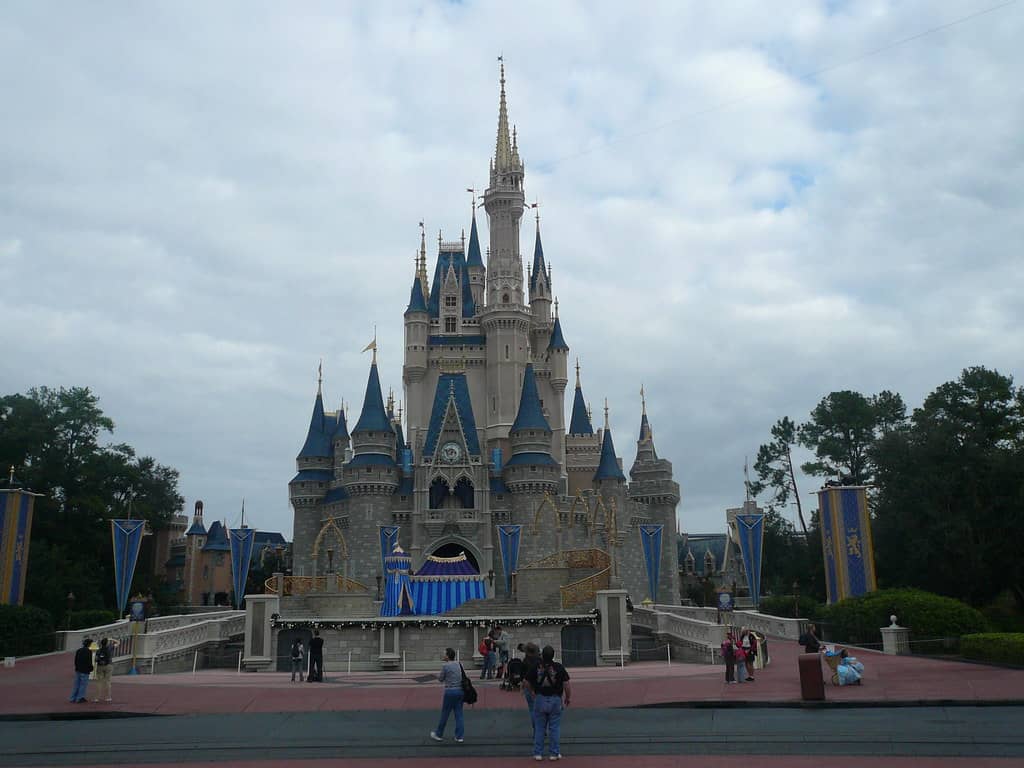
Walt Disney World turns 55 with Lakeshore Lodge reservations opening Oct. 8
2d ago

Disney Cruise Line Sets Oct. 7 Reveal for Disney Believe Homeport
4d ago

Orlando's Theme Park Market Cools Even as Epic Universe Fills Its First Full Year
Sep 26
Orlando's Theme Park Balance Shifts as Universal's Epic Universe Reshapes the Market
Sep 25