Rays Lead AL East Despite Detroit Sweep as Stadium Plan Advances
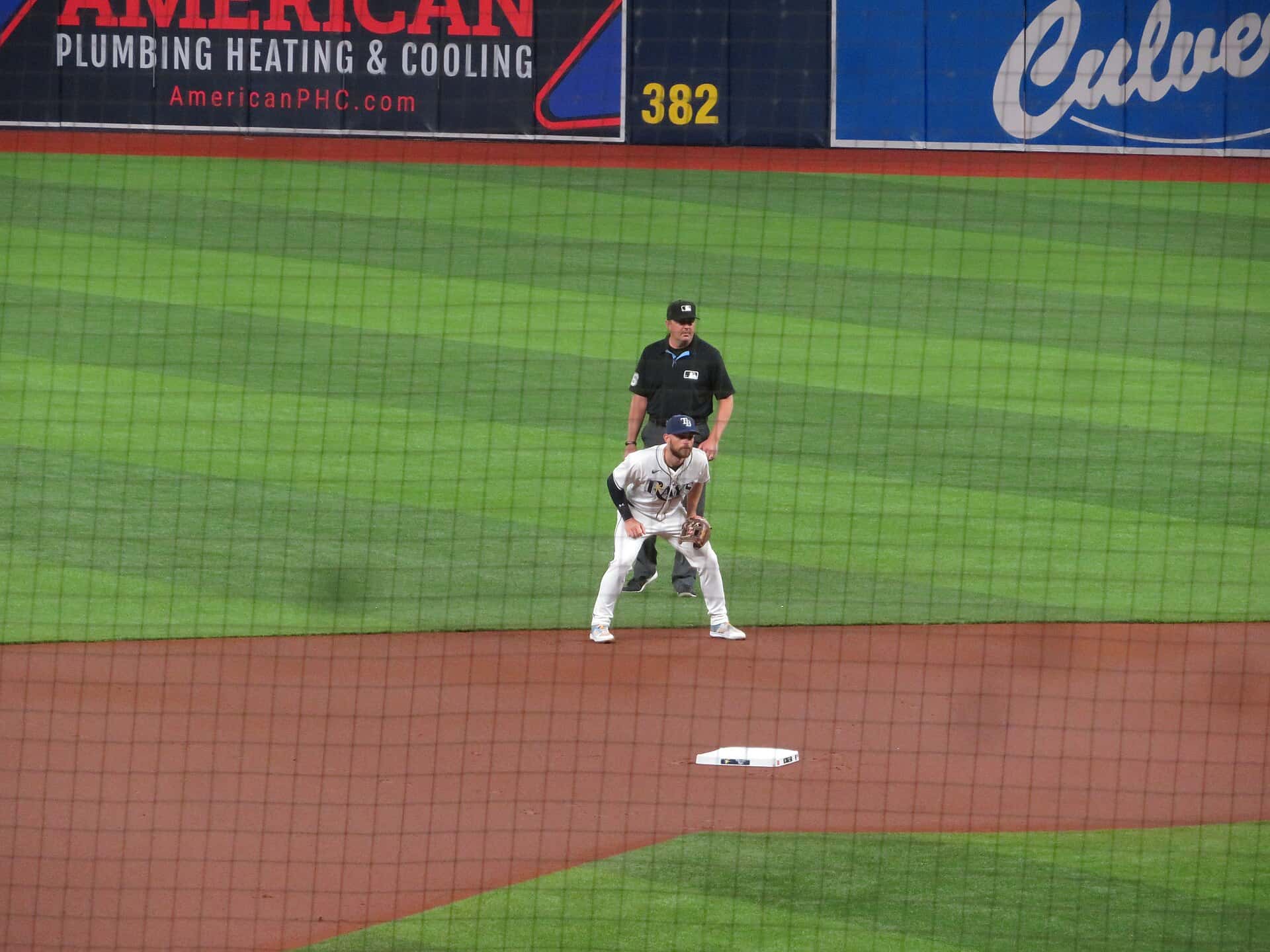
The Tampa Bay Rays remain in first place in the American League East as of early June 2026, holding a record of roughly 36-23 even after the Detroit Tigers handed them back-to-back losses to close out their previous series. The setbacks did little to dislodge a club that has spent the season near the top of one of baseball's toughest divisions, and the Rays turned the page quickly, hosting the Miami Marlins from June 5 to June 7. Off the field, the franchise's long-running stadium saga took a significant step forward in May with a non-binding agreement on a proposed $2.3 billion ballpark in West Tampa.
The combination of on-field success and a tangible stadium path marks a notable moment for a franchise that has long faced questions about both its roster's staying power and its future home. Leading the AL East deep into the season validates the team's competitiveness, while the stadium memorandum offers the clearest sign yet of where the Rays may eventually play. For the Tampa Bay region, the two storylines together capture a franchise navigating a pivotal stretch.
The recent losses to Detroit served as a reminder that even a first-place team can be undone on any given night, particularly against an opponent capable of putting the ball over the fence in bunches. Yet the standings still favored Tampa Bay, and the broader picture pointed to a season of genuine promise paired with off-field developments years in the making.
First Place in a Brutal Division
Sitting at approximately 36-23 in early June, the Rays have established themselves at the top of the AL East, a division that routinely features several of the sport's most formidable teams. Holding first place through the opening months of the season reflects the consistency Tampa Bay has shown, and it places the franchise in strong position as the schedule moves toward its midpoint.
The AL East has long been one of baseball's most demanding divisions, and leading it carries weight. For the Rays, a club that has built its identity on roster depth and shrewd development, the record represents a payoff for the approach that has defined the organization. Maintaining that edge against divisional rivals will be the test of the coming months.
A first-place perch also raises expectations for the remainder of the season. With a record several games above .500, the Rays have given themselves a cushion, though the division's competitiveness means no lead is secure. The team's ability to bounce back from the Detroit losses will factor into whether it can hold the top spot.
The position the Rays occupy is notable given the franchise's approach, which has long emphasized roster depth, development, and efficiency over heavy spending. Leading the AL East despite that model reinforces the organization's reputation for getting more from its resources than many of its better-financed rivals. For Tampa Bay, the early-season standing is both a validation and a challenge to sustain.
The Tigers Hit Back
Detroit dealt the Rays consecutive defeats to close their series. In the first game on June 1, the Tigers won a high-scoring 10-9 contest in which they hit five home runs, with Dillon Dingler accounting for two of them. The slugfest tested Tampa Bay's pitching and showed how quickly Detroit's lineup could turn a game with the long ball.
The Tigers followed with an 8-0 shutout on June 2, a far more lopsided result. Gleyber Torres opened the game with a leadoff home run, and Detroit added homers from Wenceel Perez and Riley Greene to pull away. The combination of the leadoff blast and the additional power proved too much for the Rays, who were held off the scoreboard entirely.
The back-to-back losses underscored the challenge of facing a team riding hot bats. Five home runs in one game followed by a multi-homer shutout the next represented exactly the kind of stretch that can trouble any pitching staff. For the Rays, the series offered lessons even as their grip on first place held.
Tampa Bay's quick return to action against the Marlins gave the team an immediate chance to respond. The intrastate series provided a fresh start after the Detroit results, and a strong showing at home would help reaffirm the form that carried the Rays to the top of the division.
A $2.3 Billion Ballpark Takes Shape
The most consequential development for the franchise's future came off the field. In May 2026, Hillsborough County, the city of Tampa, and the Rays reached a non-binding memorandum of understanding for a proposed $2.3 billion ballpark on the Hillsborough Community College Dale Mabry campus in West Tampa. The agreement marks the clearest movement yet toward a permanent home for the team within Hillsborough County.
The financial structure spreads responsibility across the parties involved. The Rays would be responsible for roughly $1.27 billion plus any cost overruns, while the county would contribute about $796 million and the city about $180 million. Officials emphasized that the plan would not involve new taxes, a point likely to feature prominently as the proposal advances through further stages.
The MOU is non-binding, meaning it sets out a framework rather than finalizing the deal. Considerable work would remain to convert the understanding into binding agreements, but the document establishes the key terms, including the West Tampa site and the division of costs. For a franchise whose stadium future has been uncertain for years, the memorandum represents meaningful progress.
Locating the proposed ballpark on the Dale Mabry campus would place it in West Tampa, shifting the team's geographic center within the region. The choice of site reflects the negotiations among the county, the city, and the franchise, and it signals where the parties envision the team's long-term home.
The assurance of no new taxes is likely to remain a focal point as the proposal advances. Public financing of sports venues frequently draws debate, and the pledge that the plan would avoid new taxes addresses one of the most common objections to such projects. How the contributions from the county and city are ultimately sourced will be a matter of ongoing public interest as the framework moves toward binding agreements.
Crossing the Bay From St. Petersburg
The proposed West Tampa site would mark a meaningful geographic shift for a franchise that has played its entire existence at Tropicana Field in St. Petersburg. Moving across the bay to Hillsborough County would relocate the team's home to the Tampa side of the metropolitan area, a change with implications for the fan base, the region's identity, and the daily logistics of attending games.
For decades, the Rays have been anchored in Pinellas County, and the prospect of a new home in West Tampa reorients the franchise within the broader Tampa Bay region. The Dale Mabry location places the proposed ballpark in a part of the area with its own established character, and the move would reshape where fans travel to watch the team. The geographic shift is among the most consequential aspects of the plan.
The change also carries symbolic weight for a region whose two anchor cities, Tampa and St. Petersburg, have at times competed for civic prominence. Situating the team in West Tampa would represent a notable realignment after years of the franchise being identified with St. Petersburg. The arrangement involving Hillsborough County and the city of Tampa underscores that the next chapter is envisioned on the Tampa side of the bay.
How supporters across the wider region respond to the relocation will be part of the story in the years ahead. A new home in West Tampa offers modern facilities and a fresh start, but it also asks longtime fans to adjust to a different location, a dynamic that often accompanies major stadium moves.
A Divided Vote on the Path Forward
The memorandum cleared its initial governmental hurdles, though not without dissent. Hillsborough County commissioners approved the MOU by a vote of 5-2, while the Tampa City Council approved it by a narrower 4-3 margin. The split votes reflected the debate surrounding a project of such scale and cost, even with the assurance of no new taxes.
The close council vote in particular illustrated that the proposal faces scrutiny. A 4-3 result indicates a meaningful bloc of opposition or hesitation, and it underscores that the path from a non-binding understanding to a completed ballpark will require continued negotiation and persuasion. Public projects of this magnitude often draw careful examination of their financial terms.
For supporters, the approvals represented the green light needed to keep the process moving. Securing affirmative votes from both the county commission and the city council allowed the framework to advance, setting the stage for the next phases of planning and agreement. The margins, however, served as a reminder that the project's momentum is not unopposed.
What's Next for the Franchise
The timeline tied to the proposed ballpark points to a target opening by 2029. That date aligns with the franchise's current situation at Tropicana Field, where the use agreement runs through the 2028 season. The sequencing would allow the team to remain at its existing home until a new venue is ready, assuming the project stays on schedule.
Bridging the gap between the 2028 conclusion of the Tropicana Field agreement and a 2029 opening leaves little margin, making the pace of progress important. Converting the non-binding memorandum into binding agreements, completing design and construction, and clearing any remaining approvals would all need to proceed efficiently to meet the target. The coming months and years will reveal whether the timeline holds.
On the field, the Rays will look to maintain their position atop the AL East while the stadium process unfolds. The home series against the Marlins offered an early opportunity to rebound from the Detroit losses, and the broader season will test whether Tampa Bay can sustain its first-place form against a demanding division.
For the Tampa Bay region, the twin storylines of a contending team and an advancing ballpark plan make this a defining stretch for the franchise. A first-place club playing toward a possible new home in West Tampa gives fans both immediate excitement and a longer-term vision, even as the stadium proposal works through the steps still ahead.
Spotted an issue with this article?
Have something to say about this story?
Write us a letterComments
No comments yet. Be the first to weigh in.
Related Coverage

Florida Bar Places IT Employee on Leave Over Racist, Homophobic Messages Sent to Miami's Damon Wilson II
2h ago

C.J. Hicks' Record 96-Yard Fumble Return Sparks USF's 29-2 Homecoming Win Over Kent State
3h ago
Rays vs. Brewers World Series Preview: Schedule, Tickets and a Guaranteed First-Time Champion
21h ago

Magic Open Sean Sweeney Era Against Hawks at Kia Center With Franz Wagner's Shoulder in Question
1d ago