Rays Roll Past Marlins in Citrus Series as Tampa Bay Holds AL East Lead
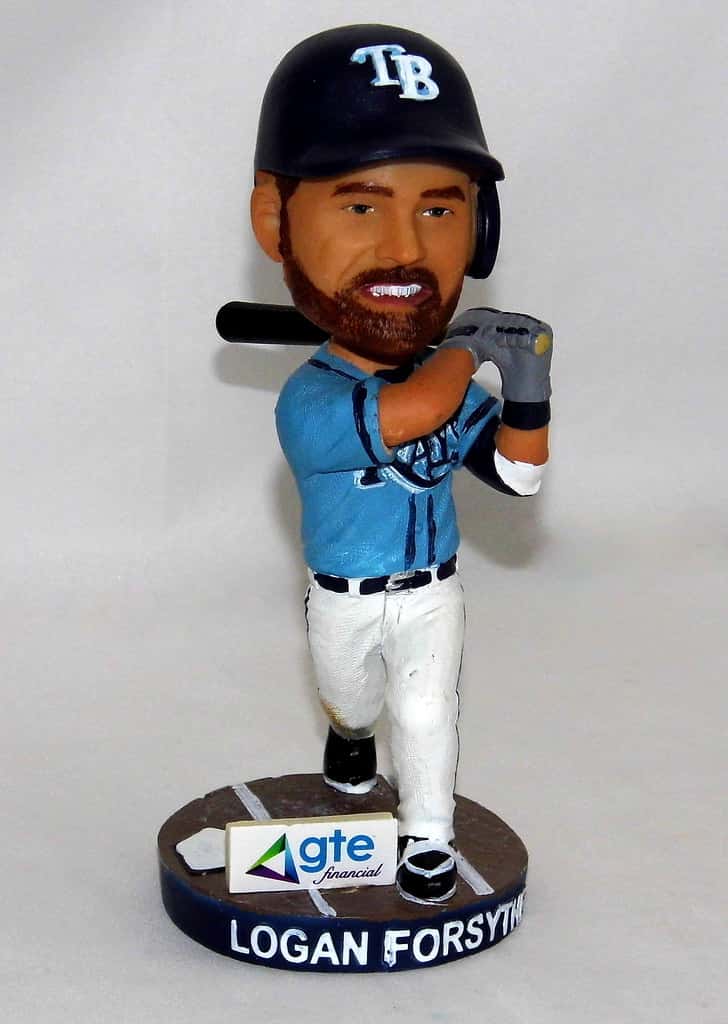
The Sunshine State's two big-league baseball teams met again on June 5, 2026, and the result followed a script that has become familiar this season. The Tampa Bay Rays traveled south to loanDepot park in Miami and overwhelmed the Marlins 6-0 in the latest edition of the interleague 'Citrus Series,' a one-sided night that underscored the gap between the two clubs at this point in the year. For the Rays it was another efficient, pitching-driven win in a season full of them. For the Marlins it was another reminder of how far they remain from contention.
The headline belonged to Tampa Bay starter Drew Rasmussen, who carved through the Miami lineup with the kind of poise that has defined the Rays at their best. Rasmussen allowed just one hit over seven dominant innings, surrendering nothing and giving his bullpen a quiet, low-stress finish to a road game. On a night when the offense provided a comfortable six-run cushion, his outing was the centerpiece, a clinic in command and tempo that left little for the Marlins to counter.
The victory carried weight beyond the box score. As of June 5 and into June 6, the Rays stood 37-23 and atop the American League East, a position that reflects one of the better starts in the franchise's recent history. The two Florida teams were scheduled to meet again on June 6, extending a rivalry that, while modest in postseason stakes, carries real meaning for fans who follow baseball on both coasts of the state. The Citrus Series remains one of the few regular chances to see the Rays and Marlins share a field.
Rasmussen sets the tone on the mound
Pitching has been the engine of Tampa Bay's season, and Rasmussen's performance in Miami fit that identity precisely. Allowing a single hit across seven innings is the kind of line that wins games almost by itself, and it spared the Rays the wear of a long night for their relievers. By the time the later innings arrived, the game's outcome was largely settled, a luxury that good starting pitching provides and that the Rays have enjoyed more often than not in 2026.
For Rasmussen individually, the outing represented the kind of healthy, sustained effectiveness that has not always been guaranteed in his career. He has dealt with injury interruptions in the past, and a deep, clean start against an in-state opponent is a marker of where his form sits. The Rays have long built their pitching staffs on a mix of value acquisitions, smart usage, and development, and a starter spinning seven near-perfect innings is the payoff that approach is designed to produce.
The broader staff context matters too. Tampa Bay has built its reputation on getting outstanding mileage from arms that other organizations might overlook or deploy differently, and the Rays' run prevention has been a consistent strength through the first third of the season. A shutout on the road, anchored by a starter going seven, is exactly the formula that has kept the club in first place. It is not flashy baseball, but it is durable, and durability over a long season is how leads are built.
A Rays season living up to expectations
At 37-23, the Rays have positioned themselves as one of the American League's stronger teams through roughly two months of play. A record that strong this deep into the schedule reflects more than a hot streak; it points to a roster that has avoided prolonged slumps and a pitching staff that has held up. For a franchise that perennially operates with one of the sport's leaner payrolls, that kind of standing is a testament to player development and roster construction rather than spending power.
It is worth being precise about what the standing means. Sitting first in the AL East in early June is a current position, not a clinched division title and not a guaranteed playoff berth. The New York Yankees were close enough that a prolonged Tampa Bay slump would matter, and the AL East has historically been one of baseball's most competitive divisions. A division lead in June is an encouraging foundation, but the Rays still have a long road ahead, and the margin over the chasing Yankees leaves no room for complacency.
Still, the early evidence is promising for a team that has made a habit of outperforming expectations. The Rays have repeatedly reached the postseason in recent years despite financial constraints that would sink less disciplined organizations, and a strong first third of 2026 suggests the formula remains intact. Maintaining the lead will require the pitching to stay healthy and the offense to remain consistent, but the club has shown it can compete with deeper-pocketed rivals when those pieces align.
The Marlins search for traction
On the other side of the ledger, the Marlins entered the series in a far less enviable position. At roughly 29-35 and fourth in the National League East, Miami has spent the season fighting to stay relevant in a division that has not offered many breaks. The shutout loss to the Rays was emblematic of a club that has struggled to string together the kind of consistent run that lifts a team out of the standings' lower tier.
The Marlins have long operated as one of the sport's smaller-budget franchises, and the path forward has typically run through young talent and pitching development rather than expensive free-agent splashes. That approach has produced flashes of promise in recent seasons, but it has also meant uneven results and stretches like the current one, where the offense goes quiet and the losses pile up. Being held to one hit at home is a low point, the kind of night that tests a young roster's resolve.
For Miami, the larger questions are about direction. A team sitting below .500 in early June faces a familiar set of decisions as the season wears on, weighing how to develop its younger players against the standings reality. The Marlins' fan base has endured several rebuilding cycles, and another season hovering in the division's lower half raises the same patience-testing concerns. The Citrus Series loss does not change the trajectory, but it crystallizes how much work remains.
A rivalry shaped by geography
The Citrus Series is not a postseason showdown, but it occupies a meaningful place on Florida's sports calendar. It is one of the rare occasions when the state's two major-league franchises, separated by interleague boundaries and by the width of the peninsula, meet on the same diamond. For fans in Tampa Bay and Miami, the matchup offers bragging rights and a chance to measure two clubs that rarely cross paths during the regular grind.
The two franchises have followed very different arcs. The Rays have built a reputation as one of baseball's smartest operations, repeatedly contending despite payroll limitations and developing a pipeline of pitching and position talent that keeps the team relevant year after year. The Marlins, owners of two World Series titles in their history, have been more cyclical, alternating between rebuilds and brief windows of contention without sustaining the kind of consistent success their cross-state counterparts have managed lately.
This season's editions of the series have highlighted that contrast. With the Rays atop their division and the Marlins below .500, the games carry an uneven feel, though the in-state pride remains real for supporters on both sides. The June 6 rematch gave Miami a quick chance to respond at home, but the broader picture, a confident Tampa Bay team against a struggling Miami club, framed the meeting from the first pitch.
Context behind the ballparks
The 2026 season arrives against an unusual recent backdrop for the Rays' home situation. Tampa Bay's ballpark circumstances have been atypical in recent times following prior hurricane damage to Tropicana Field, a disruption that has shaped the franchise's logistics and added a layer of uncertainty to its day-to-day operations. The details have evolved over time, but the broad point is that the Rays have navigated their home arrangements through a complicated stretch while continuing to win on the field.
That the club has remained competitive amid those off-field complications speaks to the organization's stability and focus. Baseball teams can be thrown off course by far less, yet the Rays have continued to produce strong results, a credit to a front office and clubhouse that have kept their attention on the games. For a franchise accustomed to doing more with less, the steadiness has been notable even as the broader venue picture remains a topic of ongoing interest in Tampa Bay.
The Marlins, for their part, play in a fixed and modern home at loanDepot park, a retractable-roof venue built to handle Miami's heat and summer storms. The ballpark has hosted marquee events and offers one of the more weather-proof environments in the sport. On this night, though, the comforts of home did little for the Marlins, who managed just a single hit in front of their own crowd as the Rays controlled the game from start to finish.
What's next for both Florida clubs
For the Rays, the immediate task is straightforward: keep winning and protect the division lead. A 37-23 start has put Tampa Bay in command of the AL East for now, but the Yankees loom close behind, and the long summer ahead will test the club's pitching depth and offensive consistency. If Rasmussen and the rest of the staff continue at their current level, the Rays will remain a difficult team to pass, though nothing about a June standing is settled.
For the Marlins, the road is steeper. Sitting at roughly 29-35 in early June, Miami faces a familiar climb and a familiar set of choices about how to balance the present against the future. The team's young core will need to develop quickly for the season to bend in a more positive direction, and stretches like the Citrus Series shutout only sharpen the urgency. The franchise's fans have seen rebuilds before and know that patience is often the price of the Marlins' approach.
The two clubs will continue their seasons on separate tracks, the Rays chasing a postseason berth and the Marlins working toward respectability and growth. Their paths will cross only rarely the rest of the way, which is part of what gives the Citrus Series its flavor. For now, the scoreboard told a clear story: a confident, pitching-rich Tampa Bay team holding its lead, and a Miami club still searching for the form that would make the rivalry a closer one. The next chapter unfolds over the long months of summer baseball still to come.
Spotted an issue with this article?
Have something to say about this story?
Write us a letterComments
No comments yet. Be the first to weigh in.
Related Coverage

C.J. Hicks' Record 96-Yard Fumble Return Sparks USF's 29-2 Homecoming Win Over Kent State
2h ago
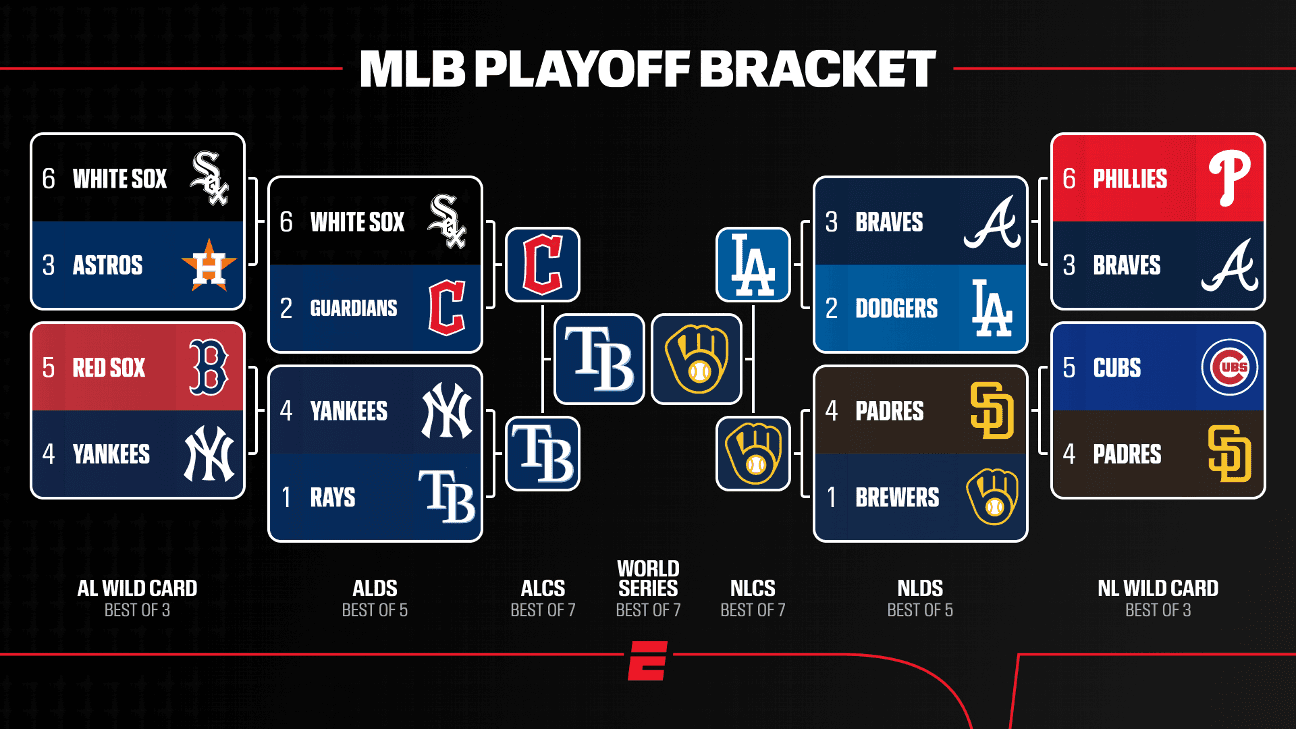
Rays vs. Brewers World Series Preview: Schedule, Tickets and a Guaranteed First-Time Champion
19h ago

Magic Open Sean Sweeney Era Against Hawks at Kia Center With Franz Wagner's Shoulder in Question
22h ago

Heat Open Season vs. Timberwolves as Giannis Antetokounmpo Makes Miami Debut and LaMelo Ball Starts in Minnesota
1d ago