Rays Surge to the Top of the American League as Marlins Search for Footing
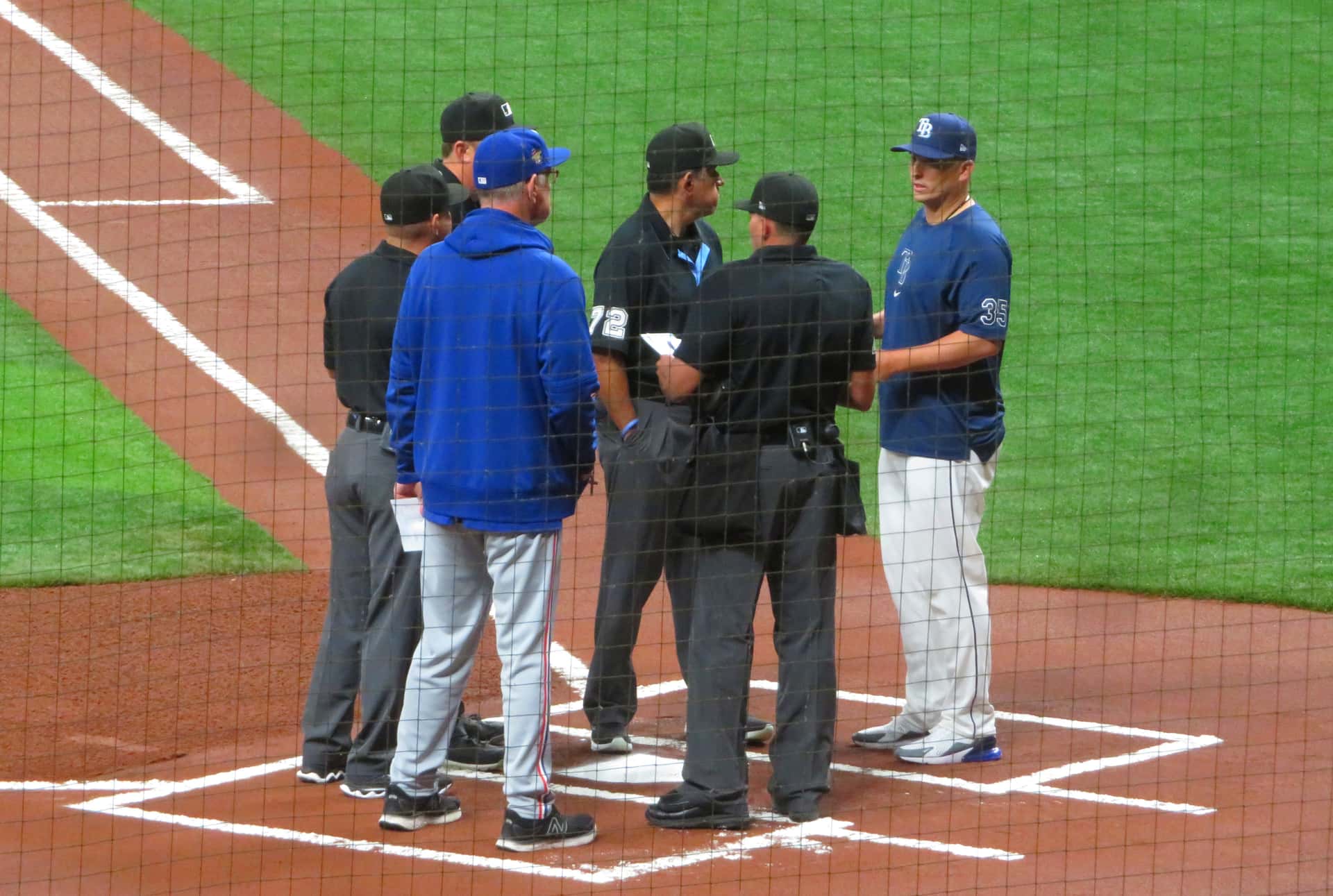
Florida's two Major League Baseball franchises are headed in opposite directions a third of the way through the 2026 season. The Tampa Bay Rays have surged to the top of the American League standings with a 36-20 record, while the Miami Marlins continue to search for their footing at 26-34, leaving the state with one contender and one club facing a long summer.
The contrast highlights the Rays' knack for fielding competitive teams and the Marlins' ongoing struggle to build a consistent winner. As the season moves toward its midpoint, Tampa Bay has established itself among baseball's elite while Miami works to climb out of an early hole.
The Rays' hot start
At 36-20, the Rays own one of the best records in all of baseball and lead the American League. The strong start reflects the organization's familiar formula of competitive, well-constructed rosters that consistently outperform their modest payroll relative to the sport's biggest spenders.
Tampa Bay has long been one of baseball's most efficient operations, leaning on player development, analytics, and roster flexibility to remain competitive year after year. The 2026 edition has translated that approach into one of the league's premier records, positioning the franchise for another postseason push.
A 16-game cushion over .500 this early in the season provides a meaningful foundation. While baseball's long schedule guarantees nothing, the Rays have given themselves a strong base from which to compete for a division title and a playoff berth as the season progresses.
The Marlins' struggles
For the Miami Marlins, the season has unfolded far less favorably. At 26-34, the club sits well below .500 and faces the challenge of climbing back into contention. The record reflects the difficulties of a franchise that has struggled to sustain success and build a stable, winning roster over time.
The Marlins have long contended with challenges including attendance struggles and the perennial difficulty of competing in a division and league that feature deep-pocketed rivals. Building and maintaining a competitive team has proven elusive for the South Florida club, and the 2026 start reflects those ongoing hurdles.
A losing record this early does not end a season, but it places the Marlins in the position of needing a significant turnaround to factor into the playoff picture. The coming months will test whether the club can find traction or whether 2026 becomes another rebuilding campaign.
The Florida baseball landscape
Florida occupies a distinctive place in baseball, hosting two Major League franchises as well as serving as the spring home for roughly half the league through the Grapefruit League. The state's warm climate and deep baseball culture make it a year-round hub for the sport at every level.
The divergent fortunes of the Rays and Marlins reflect the broader reality that success in baseball requires sustained organizational excellence. Tampa Bay's consistency stands in contrast to Miami's volatility, and the gap between the two franchises this season illustrates how difficult it is to build a perennial winner.
Both clubs also navigate stadium and market challenges that shape their long-term outlooks. The business of baseball in Florida, including questions about facilities and fan engagement, forms a backdrop to the on-field results and influences each franchise's trajectory.
What it means for Florida fans
For Rays fans, the strong start offers genuine excitement and the prospect of meaningful September and October baseball. A team atop the American League gives the Tampa Bay area a contender to rally behind as the season heats up, and the early success builds anticipation for a postseason run.
For Marlins fans, the season has been a test of patience. A 26-34 record dampens hopes for a playoff push, though baseball's long season leaves room for improvement. The fan base will be watching to see whether the club can string together wins and inject momentum into the second half.
For the state's broader baseball community, having one of its teams atop the league standings is a point of pride. The Rays' success keeps Florida prominently in the national baseball conversation, even as the Marlins work to rejoin the contender ranks.
The Rays' winning formula
The Rays' success this season is no accident but the product of an organizational philosophy that has made the franchise a model of efficiency. Operating with one of the smaller payrolls in the sport, Tampa Bay has consistently fielded competitive teams by emphasizing player development, data-driven decision-making, and creative roster construction. The approach has allowed the club to compete with franchises that spend far more.
That model relies on identifying undervalued talent, developing players through a strong minor league system, and deploying them in ways that maximize their contributions. The Rays have become known for innovations in how they use pitchers and position players, often pioneering strategies that other teams later adopt. The 2026 start suggests the formula is working once again.
Sustaining success with limited resources requires constant adaptation, as the club must regularly make difficult decisions about which players to keep and which to trade. The Rays have shown a willingness to move popular players to maintain financial flexibility and acquire future value, a strategy that can frustrate fans but has kept the team competitive over the long term.
Whether the current edition can maintain its torrid pace over the full season remains to be seen, but the strong foundation reflects the organizational strengths that have defined the franchise. The Rays have repeatedly demonstrated an ability to contend, and their hot start positions them to do so again in 2026.
The Marlins' search for stability
The Marlins' struggles, by contrast, reflect the difficulty the franchise has faced in building sustained success. Despite moments of brilliance, including a World Series title in the club's history, Miami has often cycled through rebuilds and roster overhauls without establishing the kind of consistent competitiveness that the Rays have achieved. The 26-34 start fits a pattern of inconsistency.
Attendance has been a persistent challenge for the Marlins, complicating the financial picture and the club's ability to invest in talent. Building a winning team and a loyal fan base are intertwined, and the franchise has struggled to break the cycle in which losing seasons dampen attendance, which in turn constrains resources.
The path forward for the Marlins likely involves continued emphasis on player development and patience as young talent matures. Turning around a franchise requires time and stability, and the club's leadership faces the task of charting a course that can eventually produce sustained contention rather than fleeting flashes.
For now, the contrast between the state's two franchises is stark, with the Rays demonstrating what organizational excellence can achieve and the Marlins illustrating the challenges of building a winner. Both stories will continue to unfold over the course of the season, shaping the baseball landscape in Florida.
What's next
As the season advances toward its midpoint and the trade deadline approaches, the Rays' strong position could make them buyers looking to bolster a playoff push, while the Marlins' struggles raise questions about their direction. Those organizational decisions will shape both clubs' second halves.
The teams will also meet during the season, including an in-state matchup that gives fans a chance to see the state's two franchises square off directly. Such games add a local rivalry flavor to the schedule and draw extra attention from Florida baseball followers.
For now, the standings tell the story: the Rays are flying high atop the American League while the Marlins look to turn their season around. The remaining months will determine whether Tampa Bay can sustain its excellence and whether Miami can mount a comeback in 2026.
The summer months will test both clubs in different ways. For the Rays, the challenge is sustaining their high level of play over the grind of a long season and navigating the inevitable injuries and slumps that test every contender. For the Marlins, the task is finding a spark that can pull them back toward respectability and lay a foundation for the future, even if a playoff run proves out of reach this year.
For Florida's baseball fans, the divergent paths of the two franchises offer plenty to follow as the season progresses. The Rays provide the excitement of a contender chasing a deep postseason run, while the Marlins offer the longer-term drama of a franchise searching for stability and a path back to relevance. Together, the two clubs ensure that Florida remains a meaningful part of the baseball landscape throughout the summer, with storylines that will hold the attention of fans across the state as the season heads toward its decisive stretch.
As the trade deadline approaches, the contrasting positions of the two clubs will likely shape their strategies in opposite directions, with the Rays positioned to add talent for a playoff push and the Marlins weighing whether to sell veteran pieces for future assets. Those decisions will offer further insight into each franchise's trajectory and ambitions. For Florida's baseball community, the season ahead promises drama on multiple fronts, from the Rays' pursuit of a deep October run to the Marlins' efforts to rebuild toward better days. The state's two franchises, however different their current fortunes, both contribute to Florida's rich baseball tradition, and their stories will continue to captivate fans through the heat of the summer and into the pennant races that will determine how the 2026 season is ultimately remembered.
For now, Florida baseball fans have a contender to celebrate in the Rays and a rebuilding project to monitor in the Marlins, a combination that ensures the sport remains a lively topic across the state. The months ahead will test both clubs and reveal much about their respective directions, but the early returns have already given the Tampa Bay area reason for optimism and the Miami faithful reason for patience. However the season unfolds, the state's two franchises will keep Florida engaged in the national pastime through the dog days of summer and the drama of the stretch run.
Spotted an issue with this article?
Have something to say about this story?
Write us a letterComments
No comments yet. Be the first to weigh in.
Related Coverage

C.J. Hicks' Record 96-Yard Fumble Return Sparks USF's 29-2 Homecoming Win Over Kent State
2h ago
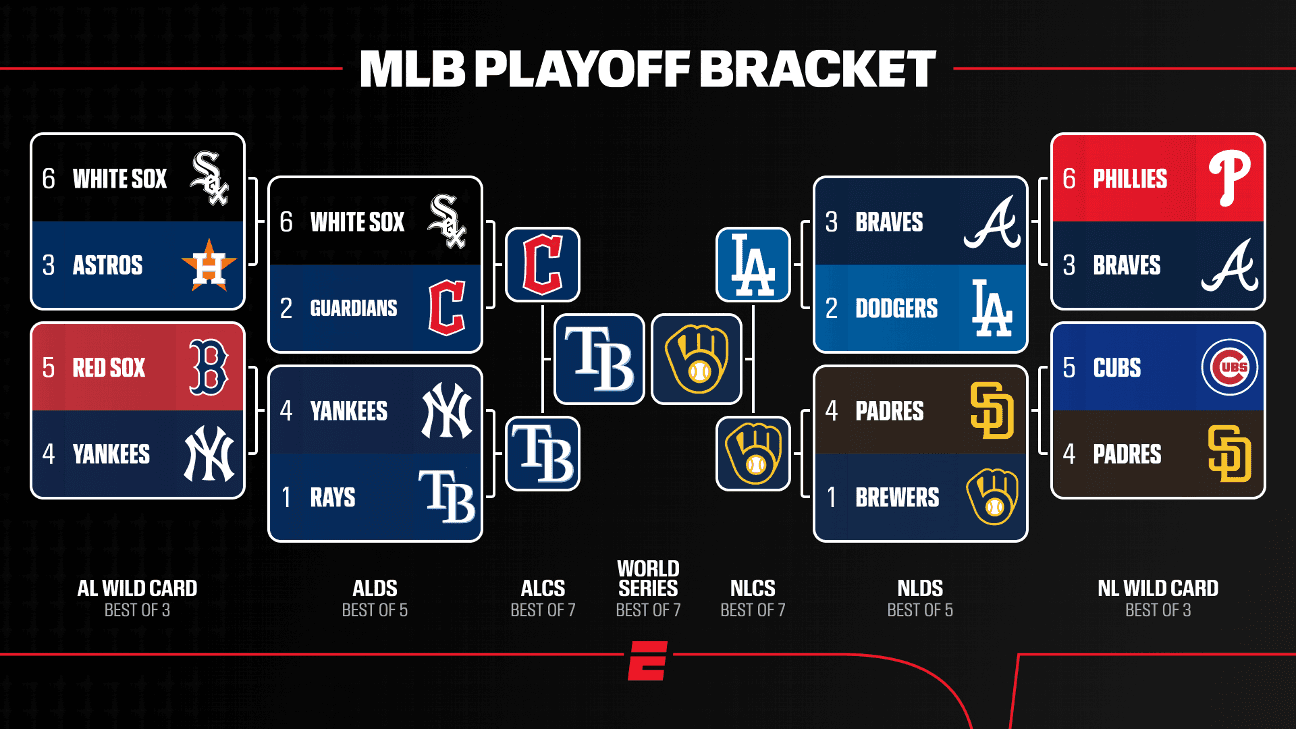
Rays vs. Brewers World Series Preview: Schedule, Tickets and a Guaranteed First-Time Champion
19h ago

Magic Open Sean Sweeney Era Against Hawks at Kia Center With Franz Wagner's Shoulder in Question
22h ago

Heat Open Season vs. Timberwolves as Giannis Antetokounmpo Makes Miami Debut and LaMelo Ball Starts in Minnesota
1d ago