Rays Surge Toward Miami as Florida MLB Rivalry Renews at loanDepot park
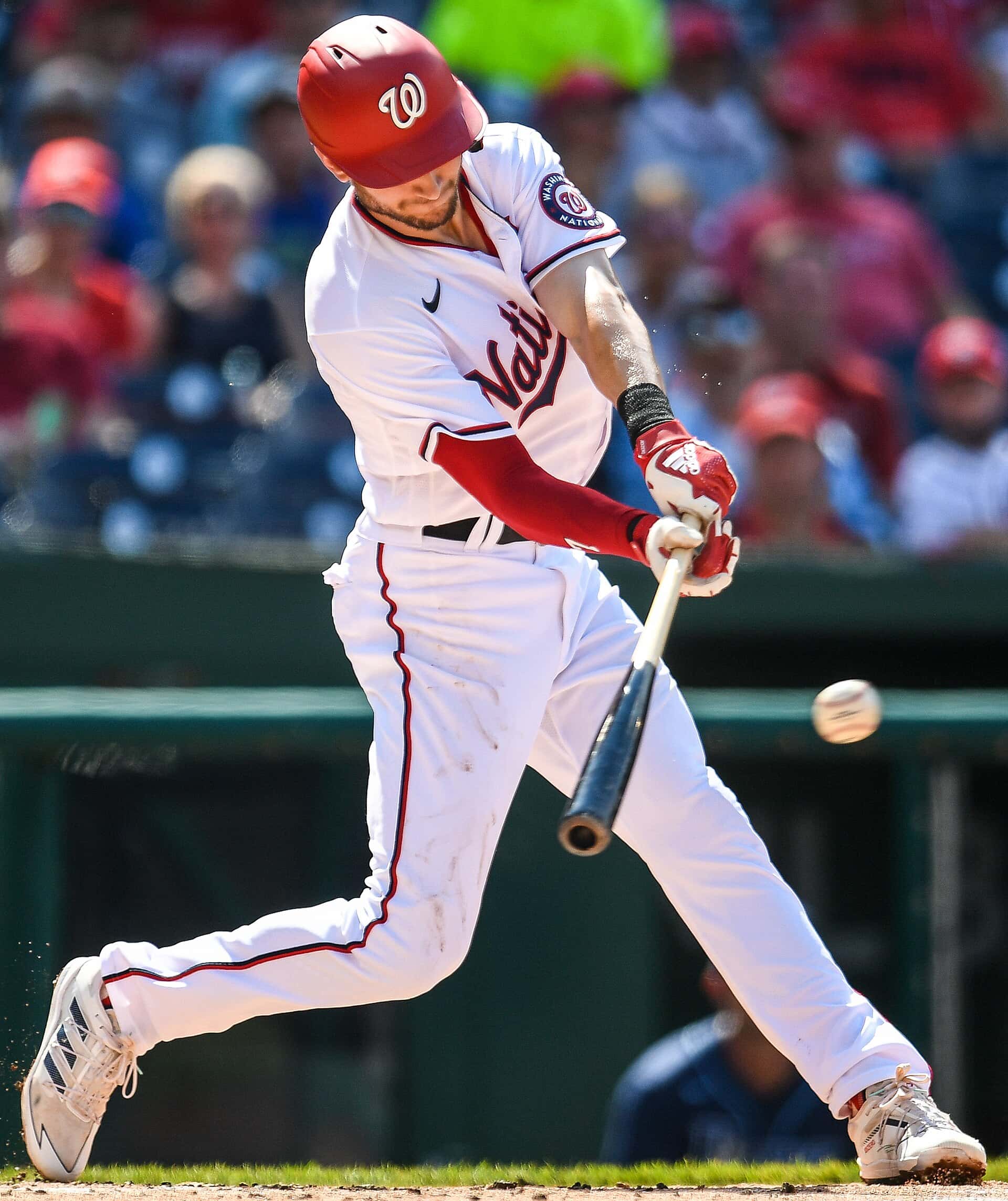
The Tampa Bay Rays arrived at loanDepot park in Miami this weekend not as the scrappy underdog Florida baseball fans have grown used to, but as one of the best teams in the sport. With a record of 34-15 entering Sunday, June 7, the Rays sat in first place in the American League East, carrying the kind of standing that turns an in-state interleague series into something more than a regional curiosity. The finale of the three-game set against the Miami Marlins capped a weekend that put Florida's baseball rivalry back under the lights.
For the Marlins, the series offered a measuring stick. Miami entered Sunday at 24-29, fourth in the National League East, a club still searching for traction in a season that has not gone to plan. The gap in the standings between the two clubs, ten games of separation in the win-loss column, framed the matchup as a contrast between a team riding momentum and one trying to find it.
Interleague play between the Rays and Marlins has long carried a particular flavor in Florida, where the two franchises share a state but rarely share a spotlight. The clubs play in different leagues and different metropolitan markets, yet they compete for the same fans, the same television audiences, and the same claim to the Sunshine State's baseball identity. A weekend series in June, with one team surging, gave that quiet rivalry a louder voice.
The result of Sunday's finale will be recorded in the standings, but the larger story of the weekend was the trajectory of the two clubs. The Rays' position atop the AL East has been one of the season's genuine surprises, and a trip to Miami offered an early-summer showcase of just how far Tampa Bay has come.
The Rays' surprising rise
A 34-15 record through roughly a third of the season is the mark of a contender, and for the Rays it represents a leap that few outside the organization predicted. Tampa Bay has built its reputation on doing more with less, leaning on player development, pitching depth, and roster flexibility to remain competitive against bigger-spending rivals. This season, that formula has carried the club to the top of one of baseball's toughest divisions.
The AL East has historically been a gauntlet, home to perennial powers with deep payrolls and national followings. For the Rays to lead it in early June speaks to a team that has not only kept pace but pulled ahead. The standing is a statement that Tampa Bay belongs in the conversation among the league's elite, at least through the season's first two months.
Sustaining such a pace is the challenge that now defines the Rays' season. A long campaign tests depth, health, and consistency, and the standings in June rarely match the standings in September without continued strong play. Still, the foundation Tampa Bay has built, anchored by balanced contributions across the roster, gives the club a credible case as more than an early-season mirage.
For Florida baseball, the Rays' rise is a welcome headline. A state with two major league franchises has spent much of the past decade watching both clubs navigate rebuilding stretches and uncertain attendance. A first-place team in June, traveling across the state to face its in-state counterpart, is exactly the kind of story that draws attention back to the diamond.
Yandy Diaz anchors a potent lineup
At the center of the Rays' offense is Yandy Diaz, whose production has placed him among the most valuable hitters in the league. Entering the series, Diaz was batting .326 with 11 home runs and a .933 OPS that ranked 11th in Major League Baseball. Those numbers describe a complete offensive player, one who combines a high batting average with genuine power and the on-base skills that anchor a lineup.
Diaz's blend of contact and power makes him a difficult matchup for opposing pitchers. A hitter who reaches base at a high clip and drives the ball with authority forces pitchers into uncomfortable decisions, and his presence shapes the way opponents approach the entire Tampa Bay order. His .933 OPS reflects the dual threat he poses every time he steps to the plate.
For a team leading the AL East, having a steadying offensive force is essential, and Diaz has filled that role. His consistency gives the Rays a reliable anchor in the middle of the lineup, a player whose at-bats raise the floor of the offense even on nights when other bats go quiet. That dependability is a significant part of why Tampa Bay has stayed atop the division.
A series in Miami offered Diaz a stage in front of a Florida audience, the kind of in-state showcase that lets one of the state's best players perform close to home. Whatever the outcome of any single game, his season to date has made him one of the faces of the Rays' surprising run and a central reason for their place in the standings.
The Marlins look for footing
For the Marlins, the season has been a search for consistency. A record of 24-29 places Miami below .500 and fourth in the NL East, a position that reflects a club still working to establish itself. The series against the Rays arrived as a chance to test the team against one of the league's best, and to measure how far the gap runs between Miami and a true contender.
One bright spot for the Marlins has been Otto Lopez, whose .333 batting average ranked second in all of Major League Baseball entering the series. Lopez has paired that elite contact with five home runs and an .831 OPS, emerging as a productive everyday presence in a lineup looking for steady contributors. His ability to hit for average has made him one of the more reliable bats in the Miami order.
Lopez's emergence offers the Marlins something to build around, a player whose performance has cut against the broader struggles of the season. A high batting average sustained into June is no fluke, and Lopez has given Miami a reason to believe it has identified a piece worth keeping at the center of its plans going forward.
The broader task for the Marlins remains turning individual bright spots into team results. A club below .500 in June still has time to change its trajectory, but doing so requires the kind of sustained play that has so far eluded Miami this season. A series against the surging Rays underscored both how far the club has to climb and what it is measuring itself against.
Sandy Alcantara's comeback story
Sunday's finale featured Sandy Alcantara on the mound for the Marlins, a name that carries weight in Miami and across the sport. Alcantara has been one of the most accomplished starters of his generation, and his presence on the mound represents a comeback narrative that has given Marlins fans something to follow even through a difficult season. Entering the start, he carried a 3-3 record and a 4.00 ERA.
For a pitcher of Alcantara's pedigree, the season has been about reestablishing form and rhythm. The numbers he brought into Sunday, a balanced record and a mid-range ERA, describe a starter working his way back rather than one fully returned to peak dominance. That arc, the gradual rebuilding of a frontline arm, has been one of the more compelling subplots of Miami's year.
Drawing a matchup against the first-place Rays gave Alcantara a meaningful test. Facing a lineup anchored by hitters like Yandy Diaz offers a clear gauge of where a pitcher stands, and a strong outing against quality competition can do as much for confidence as it does for the standings. The assignment placed Alcantara opposite one of the league's hottest teams.
On the other side, the Rays sent Griffin Jax to the mound, a pitcher carrying a 1-3 record and a 3.30 ERA into the start. The ERA suggests a pitcher who has performed better than his win-loss record indicates, a common gap for starters on any team. The matchup of Jax against Alcantara framed the finale as a contrast of two arms at different points in their seasons.
What a Florida rivalry means
The Rays and Marlins occupy a peculiar space in the landscape of sports rivalries. They share a state but not a division, a region but not a league, and they meet only in the interleague format that brings them together for a handful of games each year. That structure keeps the rivalry from boiling over the way divisional matchups do, yet it preserves a distinct in-state flavor.
For Florida fans, the appeal lies in the proximity. A series that pits Tampa Bay against Miami brings the state's two franchises into direct competition, a rare chance for fans on both coasts to see their teams measured against a local counterpart. The geography turns an otherwise routine interleague series into a matter of state bragging rights.
This season, the dynamic carried extra weight because of the disparity between the clubs. The Rays' first-place standing set against the Marlins' sub-.500 record gave the series a clear narrative: a surging team from the Gulf Coast traveling to face a rebuilding club in South Florida. The contrast sharpened the stakes of a rivalry that often simmers quietly.
Baseball in Florida has long competed for attention against the state's deep roster of sports interests, from football to hockey to the international draw of soccer. A weekend that put two major league teams head to head, with one of them leading its division, offered the sport a moment in the Florida spotlight that it does not always command.
What's next
With the interleague series complete, both clubs return to their respective league schedules and the long grind of the summer. The Rays will look to protect their lead in the AL East, a task that grows more demanding as rivals adjust and the season wears on. Holding first place into June is an accomplishment; holding it through the heat of July and August is the real test of a contender.
The Marlins, meanwhile, face the work of climbing back toward contention in the NL East. A club below .500 in early June still has runway to change its season, but it must convert flashes from players like Otto Lopez and the steadying presence of Sandy Alcantara into sustained team success. The months ahead will determine whether Miami can find the footing the season has so far denied it.
For Florida baseball fans, the weekend served as a reminder that the state's two franchises are heading in different directions, at least for now. The Rays carry the momentum of a surprising rise, while the Marlins carry the questions of a team still searching. Both stories will continue to unfold across a long summer.
The next chapter for each club arrives in the daily rhythm of the season, where standings shift and narratives evolve game by game. Whatever Sunday's finale at loanDepot park decided in the win column, the larger picture, a Rays team atop its division and a Marlins club seeking its identity, will frame the rest of Florida's baseball summer.
Spotted an issue with this article?
Have something to say about this story?
Write us a letterComments
No comments yet. Be the first to weigh in.
Related Coverage

C.J. Hicks' Record 96-Yard Fumble Return Sparks USF's 29-2 Homecoming Win Over Kent State
31m ago
Rays vs. Brewers World Series Preview: Schedule, Tickets and a Guaranteed First-Time Champion
17h ago

Magic Open Sean Sweeney Era Against Hawks at Kia Center With Franz Wagner's Shoulder in Question
20h ago

Heat Open Season vs. Timberwolves as Giannis Antetokounmpo Makes Miami Debut and LaMelo Ball Starts in Minnesota
22h ago