FEMA Sends Florida $94 Million for Hurricane Repairs and Storm Hardening as Panhandle Awaits Isaias Decision
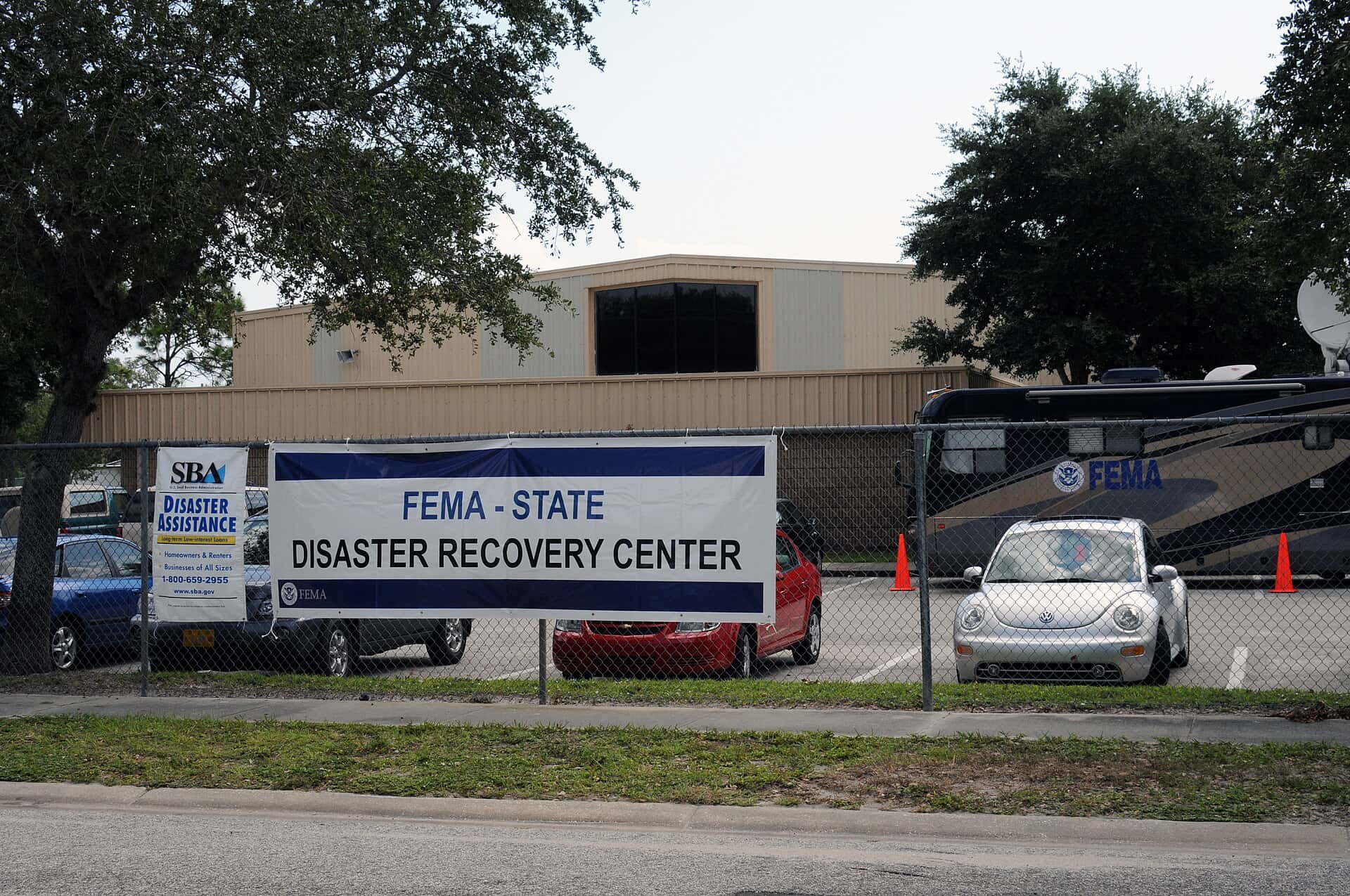
The Federal Emergency Management Agency is sending more than $94 million to Florida for 121 projects to pay for cleanup and repairs from past hurricanes and to harden buildings against future storms, the agency announced Thursday, Oct. 22. The money flows to counties, utilities, cities and hospitals from Pinellas and Sarasota to Orlando and the Suwannee Valley, much of it reimbursing work done after the back-to-back hurricanes of 2024.
The awards arrive as the Panhandle waits on a separate federal decision: Gov. Ron DeSantis' request for a major disaster declaration after Hurricane Isaias, which would unlock new FEMA aid for 15 counties.
Where the repair money is going
About $79 million of the package comes through FEMA's Public Assistance program, which reimburses state and local governments and certain nonprofits for debris removal, emergency response and permanent repairs to damaged infrastructure. FEMA highlighted four of the largest awards in its release:
| Recipient | Amount | Use | Storms |
|---|---|---|---|
| Pinellas County | More than $11 million | Debris removal, emergency protective measures and operations | Helene, Milton |
| Sarasota County | Nearly $8 million | Road repairs, emergency response, recreational repairs including Manasota Key Beach restoration | Ian, Idalia, Debby, Helene, Milton |
| Orlando Utilities Commission | More than $7 million | Permanent repairs to electrical distribution system | Milton |
| Suwannee Valley Electric Cooperative | More than $5 million | Replacing nearly 180 utility poles and 70 transformers | Debby |
The list reflects how many storms some Florida communities have absorbed in a short span. Sarasota County's award covers damage from five hurricanes: Ian in 2022, Idalia in 2023 and Debby, Helene and Milton in 2024.
The Orlando Utilities Commission award pays for poles, transformers and other parts of the electric system damaged when Milton crossed Central Florida in October 2024. The Suwannee Valley Electric Cooperative, which serves rural North Florida, is being reimbursed for repairs after Debby made landfall in the Big Bend in August 2024.
Hazard mitigation: building for the next storm
More than $15 million in the package comes from the Hazard Mitigation Grant Program, which funds projects meant to prevent or reduce damage from future disasters. FEMA's examples include:
- More than $5 million to the state of Florida for statewide residential projects, including elevating, acquiring, demolishing and rebuilding flood-prone homes.
- Nearly $1 million for wind-resistance upgrades and backup power at fire stations and public buildings, including the Port Richey Fire Department and the city's administration and police department buildings, designed to withstand winds up to 151 mph.
- Nearly $700,000 for wind protection at health care facilities, including impact-resistant entry doors at the Johns Hopkins All Children's Hospital outpatient care center in St. Petersburg.
- More than $400,000 for the town of Longboat Key to plan and design drainage improvements that would reduce flood risk in the Sleepy Lagoon neighborhood.
Part of a steady stream of reimbursements
The Florida money is part of more than $896 million FEMA announced for more than 620 projects nationwide. It continues a series of large awards to the state this year. On Sept. 29, FEMA announced more than $116 million for 88 Florida projects, including nearly $44 million to Manatee County for emergency response and debris removal after Milton and Debby, more than $46.4 million for statewide residential mitigation and more than $761,000 to strengthen six Miami-Dade County fire stations against hurricane winds. In July, the agency announced more than $47 million for Florida resilience and recovery projects.
Public Assistance reimbursements often arrive years after a storm because local governments must document costs and FEMA must review and approve each project. That lag is why money is still flowing in 2026 for Ian, which struck Southwest Florida in September 2022.
Panhandle still waiting on Isaias declaration
None of the new money is tied to Hurricane Isaias, which made landfall near Destin earlier this month as a Category 2 storm. On Oct. 16, DeSantis announced that Florida had requested a major disaster declaration from President Donald Trump, seeking Public Assistance for 15 counties: Bay, Calhoun, Escambia, Franklin, Gadsden, Gulf, Holmes, Jackson, Jefferson, Liberty, Okaloosa, Santa Rosa, Wakulla, Walton and Washington. The state also asked for Individual Assistance, which provides direct aid to residents, in Bay, Escambia, Gulf, Holmes, Okaloosa, Santa Rosa, Walton and Washington counties.
"We are requesting Public and Individual Assistance to help support Panhandle residents," DeSantis said in the announcement. On Oct. 19, he said he had spoken with the FEMA director and that the request was being processed. "We anticipate that will happen relatively soon," he said, according to News4JAX. As of Thursday, no approval had been announced.
In the meantime, the state has completed about 1,900 response missions, distributed more than 350,000 meals and 33,000 tarps, and received nearly 300 temporary housing applications from Escambia, Okaloosa, Santa Rosa and Walton counties, DeSantis said.
New tool to buy flood insurance online
FEMA also launched an option this week that lets people buy a National Flood Insurance Program policy entirely online. The tool, on FloodSmart.gov, was announced Oct. 20 and is available to anyone in the almost 22,700 communities that participate in the program. Users enter basic information about their building to get a quote, then can buy a policy online in a few minutes or pass the quote to an insurance agent. The site can also provide contact information for three licensed agents in the user's state.
"With this new digital tool, you can get a quote and buy a flood insurance policy in a matter of minutes," FEMA Administrator Cameron Hamilton said in the agency's release. FEMA tied the launch to the White House's America First Resilience Strategy.
The program matters more in Florida than anywhere else. The NFIP provides about $1.2 trillion in coverage for roughly 4.4 million policyholders nationwide, and Florida has more policies than any other state. Standard homeowners policies do not cover flood damage, and new NFIP policies generally carry a 30-day waiting period before coverage takes effect, so buyers cannot wait for a storm to form. Hurricane season runs through Nov. 30.
What's next
Florida's Division of Emergency Management will pass the newly approved Public Assistance and mitigation dollars through to the local governments and agencies doing the work. In the Panhandle, counties such as Okaloosa are fronting Isaias costs from their own reserves while they wait for Trump to act on the major disaster declaration. If it is approved, residents in the eight Individual Assistance counties would be able to apply directly to FEMA for help.
Spotted an issue with this article?
Have something to say about this story?
Write us a letterComments
No comments yet. Be the first to weigh in.
Related Coverage

DeSantis' map was built to flip four Florida House seats to the GOP. Here's where the races stand
55m ago
Blue Origin Seeks FAA Approval for Up to 50 New Glenn Launches a Year From Cape Canaveral
2h ago
Second Kennedy Space Center Contractor Plans Layoffs as NASA Brings Work In-House
21h ago

RFK Jr. Brings Medical School Nutrition Push to Orange Park as UF, LMU and Jacksonville Programs Sign On
21h ago