Rick Scott Breaks With Trump on Venezuela, Putting South Florida's Diaspora at the Center of the Fight
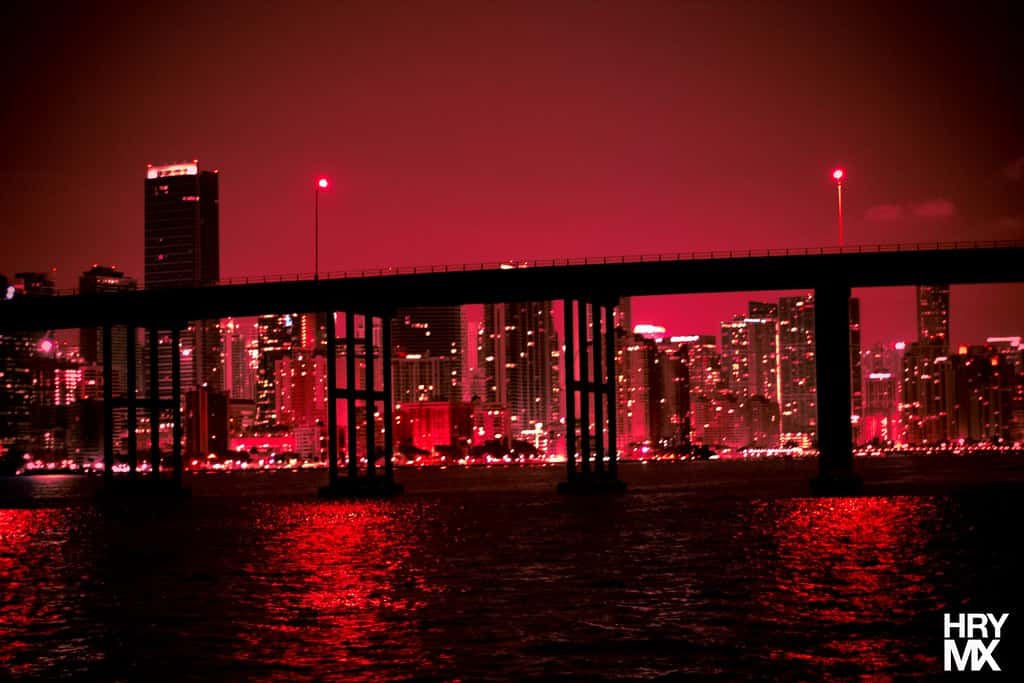
South Florida, home to one of the largest Venezuelan diaspora communities in the United States, finds itself at the heart of a widening rift inside Washington over how to deal with Venezuela. Sen. Rick Scott of Florida publicly broke with the Trump administration's Venezuela policy in May 2026, rejecting the recognition of Delcy Rodriguez as Venezuela's leader and, in reported remarks, calling her the head of a cartel and "despicable." The dispute lands directly in neighborhoods from Doral to Miami-Dade, where U.S. policy toward Caracas is felt in personal terms.
The break is notable because it pits a Florida senator against an administration that includes another Floridian, Secretary of State Marco Rubio, a longtime Venezuela hard-liner whose department is now carrying out a diplomatic opening. The result is a public airing of disagreement among prominent Florida figures over one of the most emotionally charged foreign policy questions for the state's residents.
For the hundreds of thousands of Venezuelans and Venezuelan-Americans who have built lives in South Florida, the stakes are not abstract. Questions of recognition, sanctions, and protections for those already in the United States shape families, finances, and futures. The senator's stance has thrust those concerns squarely into the national debate.
What Scott Said
According to reported remarks, Scott rejected Washington's recognition of Delcy Rodriguez as Venezuela's leader and described her in blunt terms, calling her the head of a cartel and "despicable." Those comments, attributed here as reported rather than as a verbatim interview, represent a sharp public departure from the administration's posture.
The significance lies in the source. Scott is a sitting Republican senator from the state most directly affected by Venezuela policy, and his willingness to break openly with the administration signals that the issue cuts across the usual lines of party loyalty. For a community that has watched U.S. policy shift over the years, a senator's vocal objection carries weight.
It is worth underscoring that the policy debate itself remains contested, with reasonable arguments on multiple sides about how best to pressure or engage the government in Caracas. The point here is not to adjudicate that debate but to convey that a leading Florida voice has staked out a position at odds with Washington's current course.
The break also carries a regional dimension that is hard to overstate. When a senator from Florida challenges the administration on Venezuela, the dispute is no longer a distant matter of diplomacy but a live issue for constituents who track these questions closely. Scott's words traveled quickly through a community that pays unusual attention to the language Washington uses about the government in Caracas.
The Pressure on Marco Rubio
Scott's stance puts particular pressure on Secretary of State Marco Rubio. Rubio built much of his foreign policy identity as a Venezuela hard-liner, yet his department is now charged with executing the administration's diplomatic opening, a posture that sits uneasily with that history. The tension between a hard-line reputation and a softer official line is precisely where Scott's criticism bites.
For South Florida, the Rubio dimension is impossible to ignore. Two of the state's most prominent Republicans, one in the Cabinet and one in the Senate, are now visibly on different pages over an issue that animates the region's politics. That divergence gives local voters a rare, public window into how the policy is being contested at the highest levels.
How Rubio navigates the gap between his past and his present role will be watched closely in Miami-Dade. The community has long looked to him as an advocate, and the question of whether the administration's opening can be reconciled with that history is now part of the regional conversation.
Why Doral Feels It First
Few places embody the stakes like Doral, the Miami-Dade city so closely associated with Venezuelan migration that it is often called "Doralzuela." The nickname reflects the density of Venezuelan-owned businesses, restaurants, and families that have reshaped the area. When Washington debates recognition or sanctions, Doral is among the first communities to feel the reverberations.
Across Miami-Dade more broadly, the Venezuelan diaspora ranks among the largest in the country. That concentration means national policy decisions translate quickly into local consequences, whether in remittances sent home, the prospects for relatives still in Venezuela, or the broader sense of whether the United States stands with or apart from the government in Caracas.
The emotional charge is real. For many residents, the question of who is recognized as Venezuela's legitimate leader is bound up with personal histories of displacement and loss. A senator's public rejection of recognizing Rodriguez resonates against that backdrop in a way that a distant policy memo never could.
Doral's local economy adds another layer to the stakes. The businesses that gave the city its nickname are tied, directly and indirectly, to the fortunes of the broader Venezuelan community, including those still arriving and those sending support to relatives abroad. Shifts in Washington's posture can influence the confidence and stability of that local ecosystem, making the policy debate a matter of livelihoods as much as ideology.
A Broader Cuban-American Context
The Venezuelan community does not sit in isolation. South Florida is also home to a large Cuban-American population, and the two diasporas often share a deep skepticism of leftist governments in the region. Policy toward Caracas is frequently read alongside policy toward Havana, and shifts on one front are felt across both communities.
That overlap amplifies the political stakes for any official navigating the issue. A move perceived as too accommodating toward an authoritarian government can draw criticism from constituencies that have built their political identity around opposition to such regimes. Scott's hard line speaks to that audience directly.
For the region as a whole, the convergence of Venezuelan and Cuban-American sentiment makes Venezuela policy a defining test. Officials know that their positions will be measured not only on foreign policy merits but on how they land with communities for whom these questions are deeply personal.
That shared sensibility also gives South Florida outsized influence on the national conversation. Because the region concentrates so many voters with firsthand stakes in policy toward Caracas and Havana, its reaction can shape how candidates and officials across both parties calibrate their positions. The local mood, in other words, reverberates well beyond Miami-Dade.
Sanctions and TPS in the Balance
Beyond recognition, two practical levers loom large for South Florida: sanctions and Temporary Protected Status, or TPS. Sanctions shape the economic relationship with the government in Caracas and ripple into the lives of families connected across borders. TPS determines whether many Venezuelans already in the United States can remain and work legally.
These tools are where the recognition debate becomes concrete. A diplomatic opening could imply shifts in sanctions policy, while the status of TPS affects whether community members face stability or uncertainty in their daily lives. For residents, these are not background details but immediate concerns about work, family, and the ability to stay.
Because the facts here center on the recognition dispute rather than specific new sanctions or TPS decisions, those policy levers are best understood as the broader stakes surrounding the debate. The community will be watching closely for any concrete moves that follow from the larger disagreement now playing out in Washington.
The uncertainty itself carries a cost. Families who do not know whether protections will hold or whether sanctions will tighten must plan their lives around questions that have no settled answers. For many in South Florida, the recognition fight is significant not only for its symbolism but for the practical signals it sends about the direction of policies that touch them where they live and work.
That uncertainty also reaches into routine decisions that most households take for granted. Whether to sign a lease, accept a job, or invest in a small business can hinge on whether someone expects to remain in the country legally, and the status of TPS bears directly on those calculations for many Venezuelans in the region. When the broader policy direction is unsettled, even residents with secure footing may feel the weight of the unknown, because the same debate that determines recognition can shape the protections and economic conditions that surround them. In that sense, the dispute now playing out in Washington is read in South Florida less as a question of diplomacy alone and more as a set of signals about stability, signals that the community has learned to parse closely over years of shifting policy toward Caracas.
A Public Split Among Florida Republicans
What makes this episode unusual is the visibility of the split among Florida's own. Scott's break with the administration, and the implicit pressure it places on Rubio, exposes a disagreement that might otherwise have stayed behind closed doors. For a state where Venezuela policy is a frontline issue, that transparency is consequential.
The disagreement also complicates any assumption that Florida's Republican leaders speak with one voice on the matter. Voters in South Florida now have a clear example of two prominent figures charting different courses, which may shape how the community evaluates each of them going forward.
Presented neutrally, the divide reflects genuine differences over strategy toward an authoritarian government, not a simple personality clash. Both the hard-line and the engagement approaches have advocates, and the public nature of this split lets South Floridians weigh those approaches in real time.
For a region where Venezuela policy can decide elections, the visibility of the disagreement is itself a development worth noting. It signals that the issue is contested even among allies who share a broad worldview, and it ensures that the next phase of the debate will play out in public view rather than behind closed doors. South Florida, as so often on this subject, sits at the center of that conversation.
What's Next
The immediate question is whether the administration's diplomatic opening proceeds despite Scott's public objection, and how Rubio's State Department manages the gap between that opening and the senator's hard line. South Florida will be watching for any concrete shifts in recognition, sanctions, or the treatment of Venezuelans already in the United States.
For the diaspora, the practical concerns remain front and center. Families connected to Venezuela will track whether the dispute translates into changes that affect them directly, from the economic pressure of sanctions to the legal stability tied to TPS. Those are the measures by which the community is likely to judge the outcome.
In the meantime, the episode has cemented South Florida's role as the emotional and political center of the national Venezuela debate. With a senator openly breaking ranks and a Florida-born Secretary of State at the helm of diplomacy, the region's voice in this argument has rarely been louder, and the next moves out of Washington will be felt first in Doral and across Miami-Dade.
Spotted an issue with this article?
Have something to say about this story?
Write a letter to the editor