Rookie Jalon Daniels Wins Bucs Backup Job as Tampa Bay Sets 53-Man Roster
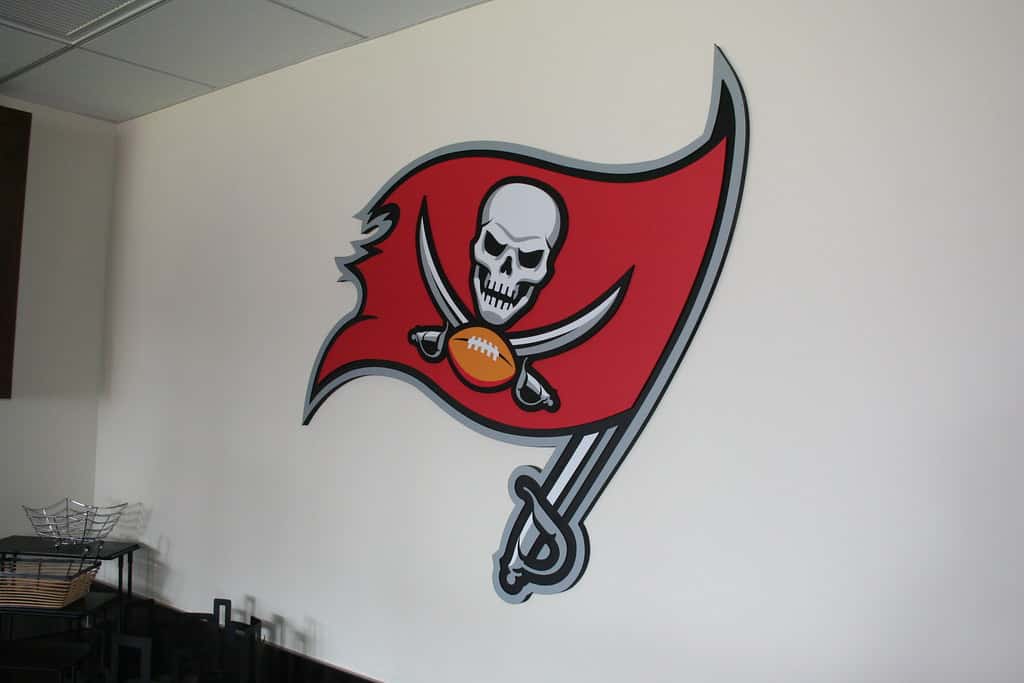
The Tampa Bay Buccaneers reached the NFL's 53-man limit ahead of Sunday's deadline with a decision at quarterback that will define the depth chart behind Baker Mayfield: rookie Jalon Daniels won the backup job, and the Buccaneers released both Jake Browning and Connor Bazelak.
Choosing a rookie over an experienced backup is a meaningful statement about how the organization views Daniels, and about how it assesses the risk profile behind a starter who has been durable. Browning in particular had NFL regular season starting experience, which is the commodity backup quarterbacks are usually retained for.
Backup quarterback is the roster spot that draws the least attention in August and the most in November. Every season, several NFL teams discover that the player they penciled in as insurance is the player deciding their season, and the decisions made on cutdown weekend look very different in hindsight depending on whether that discovery happened to them.
The quarterback decision
Backup quarterback is a position where teams normally prize the known over the promising. The job description is to be ready to play competently on short notice within an offense built for someone else, and prior NFL reps are the most direct evidence a player can do that.
Tampa Bay went the other direction. Keeping Daniels means the coaching staff believes his ceiling and his command of the offense outweigh the experience Browning would have provided. It also means the Buccaneers are willing to accept a steeper drop-off if Mayfield misses time early in the season, before a rookie has accumulated meaningful practice reps against NFL looks.
Releasing both veterans rather than one is the part that removes ambiguity. A team hedging its bet keeps a veteran third quarterback or stashes one on the practice squad. Cutting Browning and Bazelak together indicates a settled decision rather than a competition that could reopen.
The economics also favor the decision in a way that is easy to overlook. Veteran backup quarterbacks command salaries that consume real cap space for a player the team hopes never takes a meaningful snap, while a rookie on a first contract costs a fraction of that. For a team carrying significant money at other positions, converting a backup quarterback salary into flexibility elsewhere is a defensible allocation even accepting the added risk.
Baker Mayfield and the offense
Mayfield's tenure in Tampa Bay has been the stabilizing development of the franchise's post-Brady period. After a career that included stops in multiple cities, he found a system and a supporting cast in Tampa that produced consistent play, and the Buccaneers have built their offensive identity around him.
That stability is why the backup decision carries the risk profile it does. An offense tailored to a specific starter is harder for a replacement to run, and the more a system is calibrated to one quarterback's strengths, the more disruptive an injury becomes. Rookie backups face that problem in its sharpest form.
Mayfield's durability record is the mitigating factor, and it is presumably central to how the front office weighed the decision. Teams with quarterbacks who play full seasons can afford to develop a backup. Teams whose starters miss time cannot.
Practice structure is where a rookie backup either develops or does not. Second-team reps against the starting defense are the closest approximation to game speed available during a week, and how a staff distributes those reps between the starter's preparation and the backup's development is a genuine tradeoff. Teams that protect developmental reps generally end up with usable backups. Teams that do not tend to find out the hard way.
What the rest of the roster looks like
The Buccaneers' cutdown produced the usual mix of expected releases and marginal calls. Jake Browning and Connor Bazelak were the highest-profile names among the quarterbacks, and the broader roster reduction followed the pattern every team works through in the final days of August.
The 53-man limit forces genuinely difficult choices at the back of the roster, where the difference between the 53rd player kept and the first player released is frequently a special teams role or a positional depth requirement rather than raw talent. Many of those players clear waivers and return on the practice squad within days.
Practice squad construction is the quiet part of cutdown weekend that matters more than it appears. Teams that assemble deep practice squads have real answers when injuries hit in October, and the players who fill those spots are often ones the team just released and hoped to keep.
Mayfield's path to Tampa Bay is also part of why the franchise reads its own situation the way it does. A quarterback who was drafted first overall, changed teams multiple times, and then found a system that fit represents a lesson the organization learned expensively: fit and continuity matter as much as raw evaluation. That experience plausibly informs a willingness to develop a young quarterback inside the building rather than importing one.
What it means for Tampa Bay
The Buccaneers enter 2026 as a franchise with an established starting quarterback, which is more than most of the NFC can say and more than either of Florida's other NFL teams can claim with the same confidence. That is the foundation the season rests on.
The Daniels decision is a bet on development. If it works, Tampa Bay has a young quarterback learning the system behind a competent starter, which is the most cost-effective way any NFL team can build quarterback depth. If Mayfield misses significant time, the season likely turns on how quickly a rookie can absorb an offense he has been running against second-team defenses.
Raymond James Stadium has been a difficult venue for visiting teams during the Buccaneers' recent competitive stretch, and the fan base's expectations have risen accordingly. Tampa Bay is not in a rebuild, which raises the stakes on roster decisions like this one.
Special teams value is what decides most of the final roster spots, and it is the least-discussed part of cutdown weekend. A backup linebacker or safety who covers kicks well is more valuable to a team than a marginally better player at the same position who cannot, because the special teams snaps are guaranteed and the defensive snaps may never come. Roster decisions that look puzzling from the outside frequently resolve on that basis.
Waiver claim priority is determined by the reverse order of the previous season's standings, which means teams that finished poorly get first access to players released by teams that finished well. A club coming off a competitive season sits near the back of that order and generally has to wait, taking whatever clears the entire league. That ordering is a small structural disadvantage that competitive teams absorb every year at this point on the calendar.
The Florida NFL landscape in 2026
All three Florida NFL teams set their rosters this weekend, and the contrast is instructive. Miami built the league's youngest roster around an unsettled quarterback room. Jacksonville enters year two under head coach Liam Coen with Trevor Lawrence healthy. Tampa Bay has the most settled starting quarterback situation of the three.
That gives Buccaneers fans a reasonable claim to the most stable outlook among Florida's NFL franchises entering the season, with the caveat that stability at quarterback does not by itself produce wins. Roster quality, coaching, and health across a 17-game schedule all intervene.
The three teams' fortunes matter to each other in a practical sense as well. Florida is a large market with divided allegiances, and statewide interest in the NFL season rises when multiple local teams are competitive. A year in which one team contends and two rebuild produces a different regional conversation than a year in which all three are relevant.
The NFC South has been among the league's most volatile divisions, with the standings reordering substantially from year to year and division titles won with modest records. That volatility cuts both ways for Tampa Bay: it means a strong season can produce a division title without requiring dominance, and it means a mediocre one can drop the team out of contention faster than the roster's quality would suggest.
What's next
The waiver period following cutdown reshuffles rosters across the league, and Tampa Bay will be both claiming and losing players in that process. The 53 players on the initial roster are rarely the 53 who take the field in Week 1.
Daniels enters the season with a defined role and a clear developmental path: take first-team reps when the starter rests, absorb the offense, and be prepared for a scenario nobody wants. Rookie backups who never play are a success story, not a wasted roster spot.
The season opens in mid-September, and the early schedule will determine how much margin the Buccaneers have. A team with a settled quarterback and an unsettled backup situation wants to start fast, bank wins while healthy, and avoid ever finding out what the depth chart looks like in a live game.
Injury reporting through the week will also matter more than usual for a team in this configuration. Any listing involving the starting quarterback becomes a story rather than a routine note, because the drop-off behind him is the season's defining risk. Tampa Bay's front office made a decision that puts a premium on Mayfield's availability, and the injury report is where that bet gets settled week by week.
The broader lesson from around the league is that these bets are evaluated only in retrospect and only when they are tested. Teams that carry a rookie backup and never need him are indistinguishable from teams that made the right call, and the ones that need him and lose games because of it are second-guessed for years. Tampa Bay has accepted that asymmetry knowingly.
Spotted an issue with this article?
Have something to say about this story?
Write us a letterComments
No comments yet. Be the first to weigh in.
Related Coverage
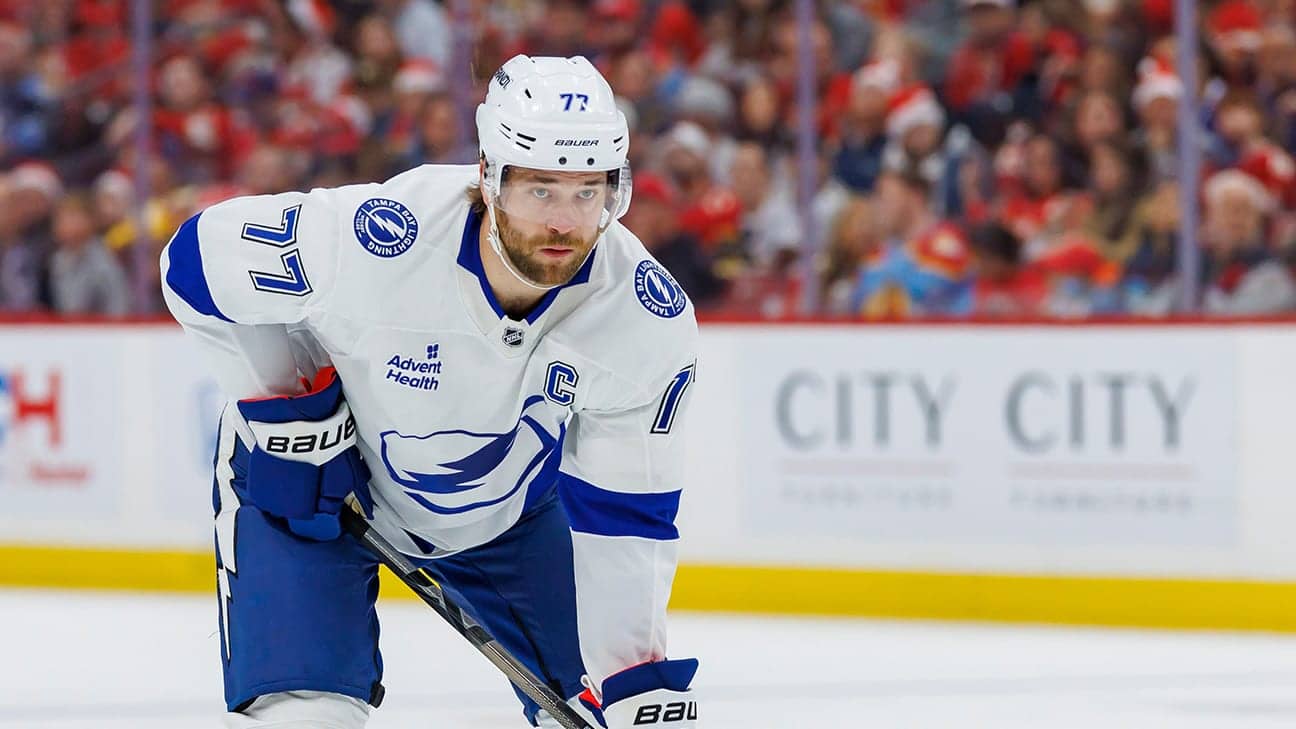
Victor Hedman Scores in Overtime as Lightning Beat Kraken 4-3 for Fifth Win in Six Games
7h ago
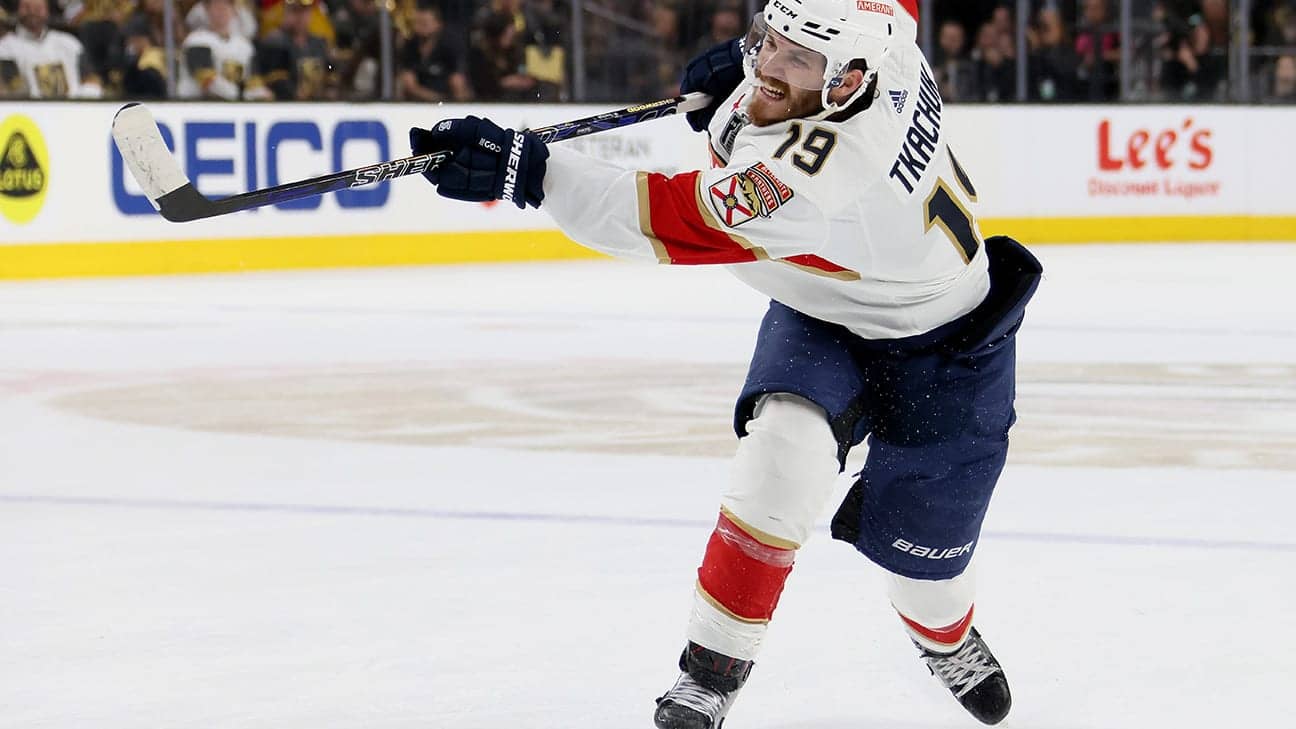
Brady Tkachuk Completes Second Straight Natural Hat Trick in Overtime as Panthers Stun Canucks 3-2
13h ago
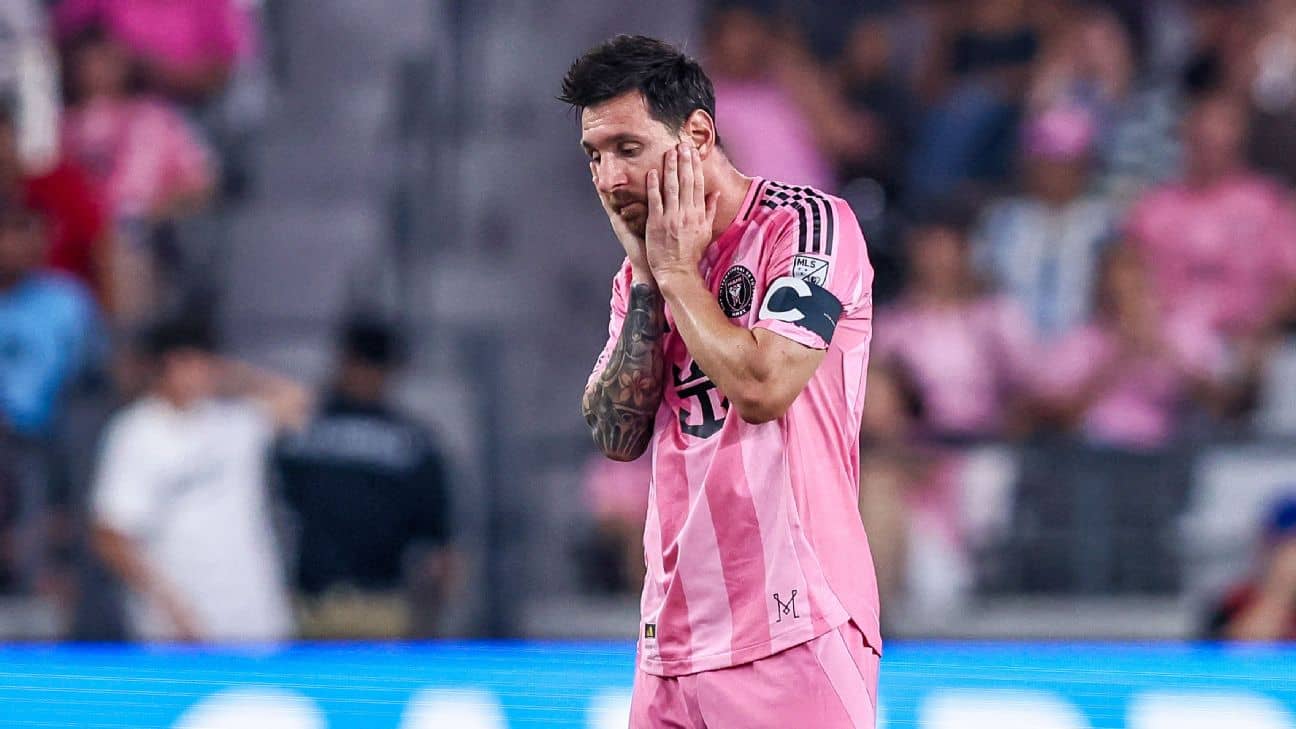
Messi Sets Up De Paul as Inter Miami Beats NYCFC 2-0 and Clinches an MLS Cup Playoff Berth
1d ago
Giannis Antetokounmpo Posts 20, 15 and 9 as Heat Beat Nets 144-128 in Final Home Preseason Game
1d ago