Royal Caribbean and Carnival Cut 2026 Outlooks as Iran-War Fuel Costs Bite Florida's Ports
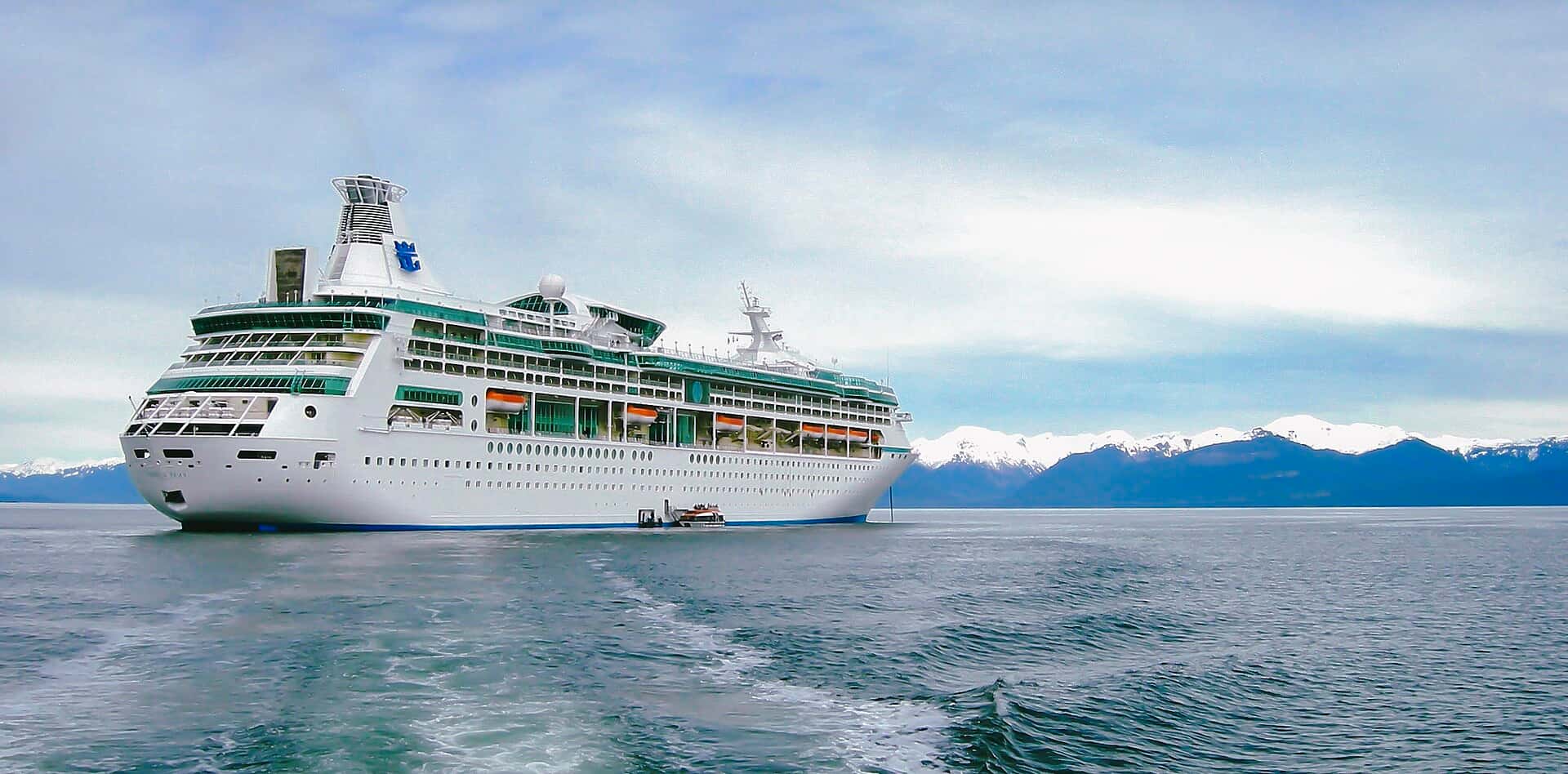
The world's largest cruise companies are warning that the Iran war is driving up the cost of moving their ships, and the fallout lands directly on Florida, the cruise capital of the world. Royal Caribbean has lowered its 2026 profit forecast, citing higher fuel costs tied to the conflict that has roiled global oil markets. The move is a flashing signal for a state whose ports and tourism economy are woven into the fortunes of the cruise industry, from the terminals of South Florida to the workforce that keeps them running.
Royal Caribbean revised its adjusted earnings per share to about $17.10 to $17.50 for 2026, down from an earlier projection of roughly $17.70 to $18.10. The company pointed to a sharp jump in fuel expenses, reporting an increase of roughly $1.3 billion versus its earlier projections. The downgrade reflects how a war thousands of miles away can reach into the balance sheets of companies headquartered and operating along Florida's coast, where the cruise business is one of the region's signature industries.
For Florida, the stakes are unusually concrete. The state's major cruise ports, including PortMiami, Port Everglades, Port Canaveral, and Port Tampa Bay, serve as headquarters, homeports, and operating hubs for the industry and rank among the region's most important employers. When the cost of running cruise ships climbs, the pressure works its way through Florida's tourism economy, raising the possibility of higher fares for travelers and tighter conditions for the businesses and workers who depend on a thriving cruise sector.
Royal Caribbean trims its forecast
The heart of Royal Caribbean's announcement is a reduction in what the company expects to earn this year. By moving its adjusted earnings-per-share guidance down to about $17.10 to $17.50 from an earlier $17.70 to $18.10, the company acknowledged that rising costs are eating into profits it had counted on. Guidance figures like these are closely watched by investors as a barometer of a company's health, and a downward revision signals that conditions have shifted since the earlier outlook was set.
The single biggest factor behind the change is fuel. Royal Caribbean reported a roughly $1.3 billion increase in fuel expenses compared with its earlier projections, a substantial sum that reflects how much more it now costs to power a global fleet of large ships. Cruise vessels consume enormous quantities of fuel, and even a moderate rise in prices translates into a steep increase in total spending across an operating year.
Company leadership put a finer point on the impact. CEO Jason Liberty said current spot fuel prices would add about $0.62 per share in costs this year, a figure that helps explain the size of the guidance cut. Spot prices reflect the cost of buying fuel on the open market at current rates, and when those rates spike, the expense flows quickly into a company's projections.
The revision marks a notable shift in tone for a company that had been charting a steady course. Earlier in the planning cycle, the higher guidance suggested confidence in a strong year. The downgrade does not erase that optimism entirely, but it injects a dose of caution, acknowledging that external forces beyond the company's control have changed the math.
The fuel shock behind the numbers
The cost pressure traces back to the war that has destabilized the Middle East and the global energy market. Oil prices have risen more than 35% since the Iran conflict began, a surge fueled by disruptions around the Strait of Hormuz and attacks on oil and transport facilities in the region. The Strait of Hormuz is one of the world's most critical chokepoints for the movement of oil, and any threat to its traffic ripples across global markets within days.
For an industry that runs on fuel, a 35% jump in oil prices is a significant blow. Cruise lines must power not only propulsion but also the hotels at sea that their ships effectively are, complete with restaurants, pools, entertainment, and climate control for thousands of passengers and crew. That appetite for energy makes the sector especially sensitive to swings in the price of oil.
Companies try to soften these shocks through hedging, a financial strategy of locking in fuel prices in advance to guard against sudden spikes. Royal Caribbean is about 60% hedged for 2026, meaning a majority of its fuel costs are protected from the latest run-up. That cushion limits the damage, but it does not eliminate it, which is why the unhedged portion of the company's fuel needs still drove a multibillion-dollar cost increase.
The disruptions are not abstract. With the Strait of Hormuz caught up in the conflict and oil and transport facilities in the region under attack, the market has priced in real risk to the flow of energy. That risk premium is what has pushed oil higher and, in turn, raised the cost of every voyage that departs from Florida's ports.
A tale of two companies on fuel exposure
The fuel shock does not hit every cruise company equally, and the difference between the two largest operators is striking. A measure known as fuel sensitivity captures how much a company's profits would change if fuel costs moved by a set amount. By that measure, a 10% change in fuel cost per metric ton would cut Carnival's 2026 net income by about $145 million, compared with about $57 million for Royal Caribbean.
That gap means Carnival is considerably more exposed to fuel swings than its rival, at least by this metric. The larger the sensitivity figure, the harder a company is hit when prices rise and the more it benefits when they fall. For Carnival, the roughly $145 million sensitivity underscores the scale of the risk that the Iran war has introduced to its 2026 results.
The contrast helps explain why investors and analysts watch hedging strategies and cost structures so closely. Two companies operating in the same business and sailing from the same Florida ports can experience very different financial consequences from the same market shock, depending on how much fuel they use, how they have hedged, and how their operations are structured.
For Florida, the implication is that the entire industry concentrated along its coast faces pressure, but not in identical ways. The state's ports host both operators and many others, and the varying degrees of exposure across companies shape how the broader cruise economy absorbs the fuel shock and what it might mean for fares and operations in the months ahead.
Florida, the cruise capital under pressure
Few places on earth are as tied to the cruise industry as Florida, which bills itself as the cruise capital of the world. The state's lineup of major ports, PortMiami, Port Everglades, Port Canaveral, and Port Tampa Bay, functions as the beating heart of the global cruise business, serving as homeports where ships are based and as hubs where companies run their operations. Together they handle a vast share of the passengers who set sail each year.
That concentration makes Florida unusually sensitive to the industry's financial health. The ports are major employers, supporting jobs that range from terminal workers and longshoremen to the broad ecosystem of hotels, restaurants, transportation services, and suppliers that cater to cruise travelers. When the industry thrives, that activity flows through the regional economy. When costs squeeze the companies, the ripple can run the other way.
Higher fuel costs and any resulting fare increases would land squarely on Florida's tourism economy. Cruise travelers spend money not only on their voyages but also in the communities around the ports, before and after they sail. If rising prices dampen demand or push some travelers to scale back, the effects would extend well beyond the cruise lines themselves to the many Florida businesses that rely on a steady stream of visitors.
The headquarters and operating presence of the major lines add another layer of exposure. With so much of the industry's corporate and logistical footprint anchored in Florida, the state has a direct stake in how these companies navigate the fuel shock. Decisions made in response to higher costs, from pricing to scheduling, reverberate first and most strongly in the places where the ships call home.
Strong demand offers a counterweight
Despite the cost pressure, the cruise industry is not sounding an alarm about its customers. Royal Caribbean said demand remains strong, with bookings at record prices exceeding the prior year. That resilience offers an important counterweight to the fuel-driven hit to profits, suggesting that travelers are still eager to sail even as the companies grapple with higher operating costs.
Robust demand matters because it gives the companies room to maneuver. When bookings are strong and prices are setting records, the revenue side of the ledger can help offset rising expenses on the cost side. That dynamic is part of why Royal Caribbean's guidance cut, while real, did not amount to a dramatic retreat. The company is absorbing a fuel shock from a position of healthy consumer interest.
For Florida, the strength of demand is reassuring news amid the cost worries. Full ships and record fares translate into the kind of activity that keeps the state's ports busy and its cruise-dependent workforce employed. As long as travelers keep booking, the foundation of Florida's cruise economy remains solid even as the companies manage the fallout from the war.
Still, the situation underscores a delicate balance. The companies are leaning on strong demand to cushion a fuel shock driven by a conflict whose trajectory remains uncertain. How long oil prices stay elevated, and whether the industry passes more of those costs on to travelers, will shape what comes next for the cruise lines and for the Florida ports and communities that rise and fall with them.
Spotted an issue with this article?
Have something to say about this story?
Write us a letterComments
No comments yet. Be the first to weigh in.
Related Coverage

SpaceX Posts $4.4 Billion Profit on $14.6 Billion Revenue as Starship Readies for Florida Pads
54m ago

NOAA Weighs Reopening Part of Florida's Rare Oculina Bank Coral Reef to Shrimp Trawling
2h ago

Monroe County Elections Chief Investigating Video of Apparent Armed Federal Agents Outside Keys Early Voting Site
3h ago

Frost and Lee File Bipartisan SLOTHS Act to Ban Sloth Imports After Orlando's Sloth World Deaths
4h ago