Saharan Dust Keeps Atlantic Quiet to Start Florida's 2026 Hurricane Season, but Forecasters Urge Vigilance
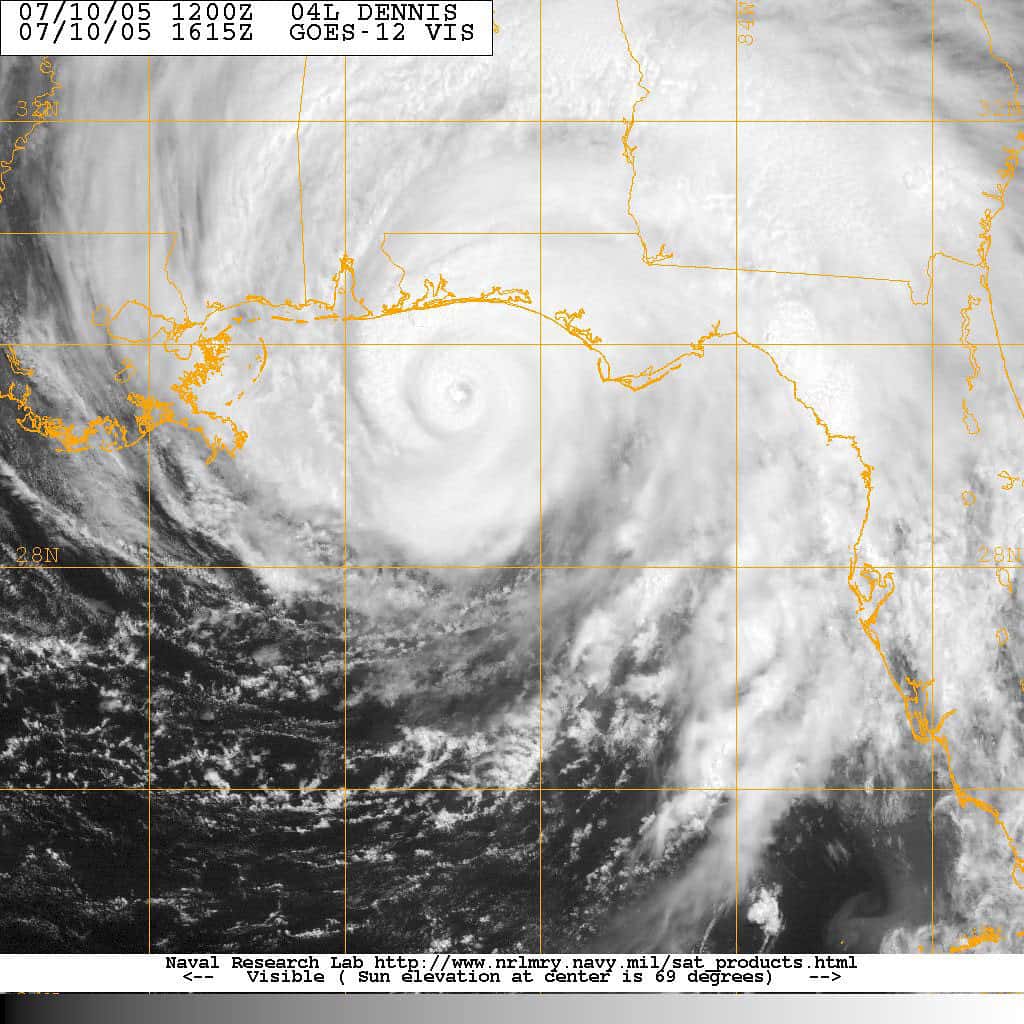
Florida's 2026 Atlantic hurricane season has opened with a stretch of unusual calm, as a massive plume of Saharan dust blankets the tropical Atlantic and suppresses the conditions storms need to form. As of late June, forecasters are not expecting any tropical development over the following seven days, a quiet start that offers Florida a reprieve even as meteorologists caution that the heart of the season is still weeks away.
The lull is welcome news for a state that bears the brunt of Atlantic storms, but emergency managers and forecasters are using the quiet period to deliver a familiar warning: a slow start does not guarantee a slow season, and Florida residents should use the calm to prepare rather than relax. The basin's favorability for storms is expected to improve as summer wears on.
What the Saharan dust is doing
Each year, vast quantities of dry, dusty air lift off the Sahara Desert in Africa and drift westward across the Atlantic Ocean. This Saharan Air Layer is dry and stable, and it contains ingredients that work against tropical storm formation. The dry air chokes off the moisture that developing systems require, while the associated stability limits the upward motion of air that thunderstorms and tropical systems depend on to organize and intensify.
In late June 2026, a large plume of Saharan dust has settled over the Atlantic's main development region, the stretch of ocean where many of the season's strongest storms typically take shape. The result has been a notably quiet basin for this point in the calendar, with tropical development not anticipated in the near term.
Saharan dust is a normal feature of early hurricane season, and its influence tends to fade as summer progresses. The plumes are typically most active from late spring into midsummer, then diminish, which is one reason the Atlantic often grows more active in August and September even when June and July are quiet.
The broader 2026 outlook
The quiet start aligns with seasonal forecasts that have called for a below normal year. Federal forecasters predicted a below normal 2026 Atlantic hurricane season, citing a developing El Nino in the Pacific along with other factors. El Nino conditions tend to increase wind shear over the Atlantic, which can tear apart developing storms and limit overall activity.
At the same time, forecasters have noted that ocean temperatures in the Atlantic are expected to run slightly warmer than normal, a factor that can support storms when other conditions allow. The competing influences, a storm suppressing El Nino against warmer waters, contribute to the forecast for a below normal but not inactive season. The seasonal outlook called for a range of named storms, with a portion expected to become hurricanes and a smaller number major hurricanes.
Forecasters emphasize that seasonal totals say little about individual storms or about Florida's specific risk. A below normal season can still produce a catastrophic landfall, and it takes only one storm hitting a populated area to make a season devastating for the communities affected. The basin's overall favorability is expected to improve into August as waters warm and the Saharan dust subsides.
The Florida context
No state is more exposed to Atlantic hurricanes than Florida. Its long coastlines, dense coastal population and low lying geography make it uniquely vulnerable, and the state has endured a series of damaging storms in recent years. Hurricane preparedness is woven into the rhythm of Florida life from June through November, and the early calm provides an opportunity to get ready before conditions become more dangerous.
The state's recent storm history looms over every season. Damaging hurricanes have battered communities across Florida, straining the insurance market, displacing residents and prompting extensive rebuilding. That history is a constant reminder that the quiet stretches between storms are the time to prepare, not to let down one's guard.
Florida's emergency management agencies maintain year round readiness and ramp up public messaging during the season. The current quiet period is precisely the window officials encourage residents to use for assembling supplies, reviewing evacuation plans and confirming insurance coverage before any threat appears on the horizon.
What Floridians should do now
Emergency managers consistently advise residents to prepare early, and a quiet basin is the ideal time to do so. That means building or refreshing a disaster supply kit with water, nonperishable food, medications, batteries and important documents, enough to sustain a household for several days without power or access to stores.
Residents should also know their evacuation zone and have a plan for where to go if an order is issued. Evacuation orders in Florida are zone specific, meaning that when officials call for evacuations, they typically apply to particular zones rather than to entire counties. Understanding which zone a home falls in, and what the local plan is, can save critical time when a storm approaches.
Reviewing insurance coverage is another priority, particularly given Florida's challenging property insurance market. Homeowners should confirm what their policies cover, understand that flood damage generally requires separate flood insurance, and be aware that there is often a waiting period before new coverage takes effect, which is why preparation before a storm is essential.
Why a quiet start can mislead
History offers a clear warning against reading too much into a slow start. Some of the most destructive hurricane seasons on record began quietly, only to turn ferocious as conditions shifted later in the summer and into the fall. The Atlantic's peak activity historically arrives well after the season's June 1 opening, which means a calm June and July say little about what August, September and October may hold.
The reason lies in the seasonal cycle of conditions that govern storm formation. Early in the season, factors like Saharan dust and cooler waters can suppress development, but as summer progresses, ocean temperatures climb, the dust diminishes and the atmosphere becomes more conducive to storms. The window of greatest risk for Florida typically opens in the latter part of the season, precisely when the early calm has faded from memory.
This pattern is why emergency managers grow uneasy when a quiet start breeds complacency. Residents who conclude from a slow June that the season will be uneventful may neglect preparation, leaving themselves vulnerable when activity ramps up. The historical record is full of examples of single storms causing catastrophic damage in seasons that were otherwise unremarkable, reinforcing that totals matter far less than individual landfalls.
The role of El Nino and ocean heat
The 2026 season is being shaped by competing climate influences that forecasters watch closely. A developing El Nino in the Pacific Ocean tends to increase wind shear over the Atlantic, the change in wind speed and direction with height that can tear apart developing storms and limit their intensity. Strong El Nino conditions are generally associated with less active Atlantic seasons, a key factor behind the below normal forecast.
Working against that suppressing influence are Atlantic ocean temperatures running slightly warmer than normal. Warm water is the fuel that powers hurricanes, providing the heat and moisture that allow storms to form and strengthen. When waters are unusually warm, storms that do develop can intensify rapidly, a phenomenon that has become a growing concern as it leaves less time for communities to prepare before landfall.
The interplay between these forces, a storm suppressing El Nino against storm fueling warm waters, contributes to the uncertainty in any seasonal forecast. Forecasters can assess the broad odds, but they cannot predict where or whether individual storms will form and strike. That inherent uncertainty is why preparation, rather than reliance on seasonal totals, remains the foundation of hurricane safety in Florida.
What's next
For now, the Saharan dust and the developing El Nino are keeping the Atlantic quiet, and no tropical development is expected in the immediate term. Forecasters will continue to monitor the basin closely, watching for the seasonal shift that typically arrives later in the summer as the dust diminishes and ocean temperatures climb.
The pattern is expected to grow more conducive to storms as the season progresses toward its traditional peak in late summer and early fall. That is when Florida historically faces its greatest risk, and when the preparations made during quiet periods like the present one pay off.
The message from forecasters and emergency officials is consistent: enjoy the calm, but use it wisely. A quiet June is no guarantee of a quiet season, and the time to prepare is before the first storm threatens. Florida residents who take advantage of the current lull will be far better positioned when the Atlantic inevitably becomes more active in the months ahead.
Preparation extends beyond supplies and evacuation plans to financial and logistical readiness. Documenting belongings, keeping copies of important records in a safe and accessible place, and understanding the terms of insurance coverage are all steps that pay off if a storm strikes. Because new insurance policies and changes to coverage often involve waiting periods, the time to address gaps is well before any threat appears, another reason the quiet weeks of early season are so valuable.
Households with special considerations, including those with elderly members, young children, people with medical needs or pets, should plan accordingly. Knowing the locations of shelters that accommodate specific needs, ensuring an adequate supply of medications, and arranging transportation in advance can make a critical difference when an evacuation order is issued. Planning for these circumstances ahead of time reduces the stress and risk of a last minute scramble.
Ultimately, the quiet start to the 2026 season is an opportunity rather than a guarantee. Florida's vulnerability to hurricanes is a permanent feature of life in the state, and the calm that Saharan dust and a developing El Nino have brought is temporary by nature. The residents who treat this period as a window for preparation, rather than a reason for complacency, will be the ones best equipped to weather whatever the rest of the season brings.
Spotted an issue with this article?
Have something to say about this story?
Write a letter to the editor