Sen. Rick Scott Breaks With Trump on Venezuela, Demands Sanctions Against Delcy Rodriguez
Scott Publicly Splits With Trump on Venezuela Policy
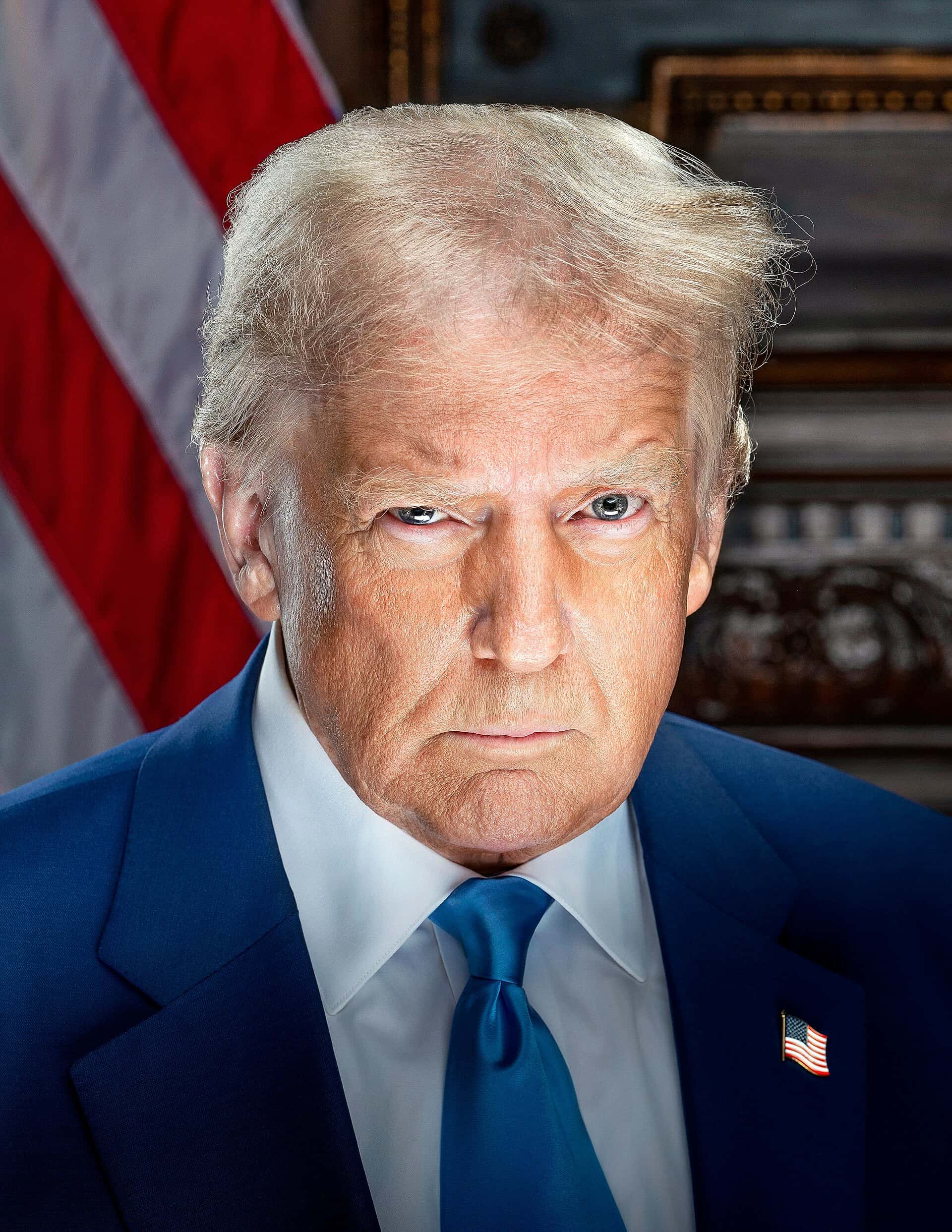
Florida Sen. Rick Scott broke publicly with the Trump administration's Venezuela policy in May 2026, issuing a sharp rebuke of decisions that removed a senior Venezuelan official from U.S. sanctions lists and formally recognized her as head of state. The break was notable for its directness and its timing, coming from a senator who has generally been among the Republican caucus's most consistent supporters of President Trump's agenda on domestic and foreign policy questions alike.
Scott's comments targeted Delcy Rodriguez, a top figure in the Venezuelan government led by Nicolas Maduro. In a post on the social media platform X, Scott wrote that Rodriguez is "NOT the president of Venezuela, she's the head of a cartel. She's despicable." The post represented the kind of blunt, unequivocal language that Scott has used throughout his political career on issues involving authoritarian governments in Latin America, but applying it to someone the Trump administration had formally recognized and praised marked a significant moment of intra-party friction.
The administration's decision to remove Rodriguez from the Treasury Department's Office of Foreign Assets Control sanctions list in April 2026 came after formally recognizing her as Venezuela's head of state in March. President Trump had praised Rodriguez in public remarks following the diplomatic recognition, describing her in terms that stood in stark contrast to the characterization Scott offered in his X post. The disconnect between Trump's praise and Scott's condemnation drew attention both in Washington and among the South Florida Venezuelan diaspora community that both politicians have courted for years.
The Sanctions Decision That Sparked the Conflict
The Trump administration's removal of Rodriguez from OFAC sanctions was framed by administration officials as part of a broader diplomatic engagement strategy with the Venezuelan government. The formal recognition of Rodriguez as head of state in March 2026 was presented as a practical acknowledgment of the existing political reality in Caracas, where Maduro's government has maintained control despite years of international pressure, economic sanctions, and a sustained opposition movement backed by the United States and its allies.
For Scott, that framing was unacceptable. The senator has built a significant portion of his political identity around opposition to authoritarian governments in Cuba, Venezuela, and Nicaragua, reflecting the priorities of his state's large Cuban American and Venezuelan American communities. Any diplomatic softening toward the Maduro government, in Scott's view, represents a betrayal of the Venezuelan people who have suffered under the regime's mismanagement, repression, and corruption. The removal of individual sanctions against senior officials he considers personally responsible for human rights abuses was a step too far.
Scott's demands in the aftermath of the sanctions removal were specific and public. He called for the United States to immediately reinstate sanctions against Rodriguez, to demand the release of all political prisoners held by the Maduro government, and to insist on free and fair elections as a condition of any further diplomatic engagement. The three demands reflected the standard platform of Venezuelan opposition advocates and the diaspora communities that have been among the most vocal critics of any normalization of relations with Caracas.
The Death of Victor Hugo Quero Navas
Scott's criticism of the Trump administration's Venezuela policy intensified in May 2026 following the death of Venezuelan political prisoner Victor Hugo Quero Navas, who died while in government custody. The circumstances of Quero Navas's death prompted Scott to escalate his public campaign for sanctions reinstatement, accusing the chavismo regime of having "kidnapped, tortured, isolated, and murdered" the prisoner. The language was direct and accusatory, placing personal responsibility for the death on the government leadership.
Scott used the death of Quero Navas to draw a direct line between the Trump administration's diplomatic recognition of Rodriguez and the regime's continued detention and mistreatment of political prisoners. His argument was straightforward: diplomatic recognition and the removal of sanctions send a signal to the Maduro government that repression carries no cost in terms of its relationship with the United States, and that signal emboldens continued human rights abuses. The death of a political prisoner in the weeks after the administration's recognition decision provided a concrete and tragic illustration of the consequences Scott argued would follow from the policy shift.
The Quero Navas case drew attention beyond Scott's office, with human rights organizations that track political detention in Venezuela documenting the prisoner's case and the circumstances of his death. Venezuela has been cited by Amnesty International, Human Rights Watch, and the United Nations Human Rights Council for systematic mistreatment of political detainees, and the death of Quero Navas fit a pattern that international observers had documented across multiple high-profile cases in recent years.
Scott's Letter to Rubio on Colombia
Alongside his public campaign on Venezuela, Scott sent a separate letter to Secretary of State Marco Rubio requesting a detailed report on State Department actions to support electoral integrity in Colombia ahead of upcoming elections in that country. The letter reflected Scott's broader concern about democratic backsliding and electoral manipulation across Latin America, a region where he has argued the United States must maintain active engagement to protect democratic institutions and resist authoritarian influence.
The Colombia letter was distinct from but related to Scott's Venezuela concerns. Colombia shares a border with Venezuela and has been significantly affected by the political and economic crisis in its neighbor, including a massive influx of Venezuelan refugees that has strained Colombian social services and created political tensions within the country. The integrity of Colombian elections, from Scott's perspective, is part of a broader regional picture in which authoritarian forces are actively working to expand their influence through electoral manipulation, disinformation, and institutional capture.
Scott's request for a State Department report on Colombia represents congressional oversight pressure on executive branch foreign policy. By formally requesting the report, Scott created a paper trail requiring the administration to articulate its strategy for supporting Colombian democratic institutions before the elections, rather than after any potential controversy about the results.
The Florida Venezuelan Diaspora and Political Context
Scott's willingness to break publicly with Trump on Venezuela is inseparable from the political demographics of the state he represents. Florida is home to the largest Venezuelan diaspora community in the United States, concentrated primarily in Miami-Dade and Broward counties in South Florida. The Venezuelan American community in Florida has grown substantially over the past decade as the political and economic crisis in Venezuela accelerated emigration, and it represents a politically active and organized constituency that votes at high rates and cares deeply about U.S. policy toward Caracas.
The Venezuelan diaspora's political preferences in Florida are overwhelmingly opposed to any normalization of relations with the Maduro government. Many community members fled Venezuela because of political persecution, economic devastation, or both, and they have family members who remain in Venezuela under conditions they describe as desperate. For this community, the removal of sanctions against senior Venezuelan officials is not an abstract foreign policy question but a personal affront with direct implications for the people they left behind.
Scott has cultivated this community carefully throughout his political career, and his public break with Trump on Venezuela policy can be understood in part as a reflection of the political relationships he has built with Venezuelan American leaders and organizations in South Florida. The senator's positions on Venezuela align closely with the community's advocacy priorities, and maintaining that alignment required him to speak out even when it put him at odds with a president from his own party.
Cuban American Voters and the Broader Anti-Authoritarian Coalition
Beyond the Venezuelan diaspora, Scott's Venezuela stance reflects the priorities of Florida's Cuban American community, which numbers more than one million voters and has been a defining force in the state's politics for decades. Cuban American voters in Florida have historically been among the most vocal opponents of communist and authoritarian governments in the Western Hemisphere, a position rooted in the direct experience of families who fled or suffered under the Castro regime in Cuba and who view any diplomatic accommodation of similar governments elsewhere as a dangerous precedent.
The Cuban American community in South Florida has watched the evolution of U.S. policy toward Venezuela with particular attention, given the ideological and political connections between the Cuban government and the Maduro administration in Caracas. Cuba has been a crucial partner and advisor to Maduro's government, providing intelligence, security services, and political guidance in exchange for Venezuelan oil. For Cuban Americans, Venezuelan authoritarianism is not a separate issue from Cuban authoritarianism but a direct extension of it, making U.S. policy toward Venezuela a matter of intense personal concern.
Scott's anti-authoritarian posture on Venezuela and Cuba has given him credibility with this broader coalition of Latin American diaspora voters, a standing that has proven electorally valuable. His willingness to break with Trump publicly on Venezuela signals to these communities that he will not subordinate their core concerns to party loyalty.
Scott and Rubio: Two Floridians on Opposite Sides
The Scott-Trump split on Venezuela carries an additional layer of significance because the administration's Venezuela policy falls primarily under the authority of Secretary of State Marco Rubio, himself a Florida Republican and a longtime ally of Scott's. Rubio is Cuban American and has built his political career around opposition to authoritarian governments in Cuba, Venezuela, and Nicaragua. His willingness as Secretary of State to remove sanctions against Rodriguez and formally recognize her as head of state represented a notable evolution from the positions he advocated during his Senate career.
Scott's letter to Rubio requesting a Colombia report was directed at his longtime ally and fellow Florida Republican, adding a personal dimension to the foreign policy disagreement. The two senators built parallel careers in Florida politics and share deep roots in the South Florida communities most invested in Latin American democracy issues. The fact that Scott found it necessary to formally request a State Department report from Rubio on Colombia underscores the degree to which the two men are operating within different constraints in their current roles.
Rubio, as Secretary of State, must balance the ideological commitments he expressed as a senator against the diplomatic and strategic realities of managing U.S. relationships across a complex region. Scott, still in the Senate, faces no such constraint and can maintain positions consistent with those he has held throughout his political career and that align with the priorities of his Florida constituency. The dynamic between the two Floridians illustrates a broader tension between ideological purity and executive branch pragmatism that often surfaces in the relationship between senators and their former colleagues who join administrations.
What the Break Signals for Florida Republicans
Scott's public disagreement with Trump on Venezuela is not the first time a Florida Republican has pushed back on a specific administration policy, but it is one of the more visible instances of intra-party friction on a foreign policy question that touches directly on Florida's political demographics. The episode raises questions about how Florida Republicans will navigate situations where the Trump administration's diplomatic decisions conflict with the priorities of the state's Latin American diaspora communities.
For Scott specifically, the Venezuela episode demonstrates a willingness to absorb the political cost of publicly breaking with a popular Republican president on an issue where he believes the policy is wrong and where his constituents are directly affected. Whether that posture reflects a broader strategic calculation about his Senate career, his relationship with Florida's Latin American communities, or his personal convictions about authoritarian governance is a question that analysts in both parties will assess going forward.
The test for Scott's position will come in whether he follows through on his public demands with legislative action. Senators have tools beyond statements to pressure executive branch foreign policy: amendment votes, holds on nominations, and conditions attached to legislation the administration needs. How aggressively Scott deploys those tools in the coming months will determine whether his Venezuela break represents a firm policy commitment or a moment of public positioning that fades without sustained follow-through.
Spotted an issue with this article?
Have something to say about this story?
Write us a letterComments
No comments yet. Be the first to weigh in.
Related Coverage

Florida Voters Face Few New Rules on Nov. 3 as Other GOP States Roll Out Citizenship and ID Laws
12h ago

Florida Leads the Nation in ICE Detainer Arrests as Local Police Take a Growing Role, New Data Show
12h ago
Federal Government Again Asks Miami Judge to Toss Lawsuit by Nearly 1,000 Cubans With I-220A Papers
13h ago
Alvaro Pulido, Alex Saab's Longtime Partner, Heads to Miami Federal Court After Arrest in Venezuela Bribery Case
13h ago