Citizens Property Insurance Rate Cuts Take Effect for Florida Homeowners

Citizens Delivers Its First Rate Cut Since 2015
Citizens Property Insurance Corporation, Florida's state-backed insurer of last resort, is delivering premium reductions to the vast majority of its policyholders at renewals beginning June 1, 2026. The lower rates, approved by the Florida Office of Insurance Regulation, mark the first decrease the company has issued since 2015, ending a long stretch in which Citizens customers saw their premiums climb year after year. For households that have watched their insurance costs rise steadily, the reversal represents a notable turn.
The statewide average reduction comes in at about 8.7%, according to Citizens. Multiperil homeowners policies, which bundle coverage for a range of perils, are seeing an average decrease of 8.8%, while wind-only policies, which cover only hurricane and windstorm damage, are declining by about 5.5% on average. The gap between the two reflects the different risk profiles of the coverage types and the varying pressures on each part of the market.
More than 330,000 policyholders across all 67 Florida counties are seeing decreases at renewal, the company said. Of those, more than 150,000 are receiving cuts of 10% or greater, a substantial reduction for households that have absorbed years of rising insurance costs. The breadth of the decreases, touching every county in the state, signals that the relief is not confined to a single region or type of property.
The rollout represents a marked shift for an insurer that has spent recent years managing rapid growth and mounting rate pressure. For policyholders receiving renewal notices this summer, the change arrives as a rare piece of good news in a market long defined by escalating premiums, and it gives state leaders a concrete result to point to as evidence that recent reforms are taking hold.
How Much Homeowners Will Save
The savings vary by policy type, location, and coverage, but the averages point to broad relief across the company's book of business. The 8.7% statewide average blends the larger cuts on multiperil homeowners policies with the smaller reductions on wind-only coverage, producing a decrease that reaches most renewing customers to some degree. For a typical policyholder, the reduction translates into meaningful savings on an annual bill that had grown considerably in recent years.
South Florida is seeing the largest reductions of any region. Broward County policyholders are receiving average cuts of about 14.1%, and Miami-Dade County customers are seeing average decreases of about 14.0%, both well above the statewide figure. Those two counties, home to dense populations and large concentrations of Citizens policies, stand to benefit most visibly from the new rates as their renewals arrive.
The larger reductions in South Florida reflect the region's high concentration of policies and its history of elevated rates. For households in Broward and Miami-Dade that have faced some of the steepest premiums in the state, double-digit percentage cuts represent a significant change at renewal, easing a cost burden that had become a central concern for many homeowners in the region.
The distribution of savings across all 67 counties underscores the statewide reach of the reductions. While the size of the cut differs from one area to the next, the company said the decreases extend from the largest metropolitan markets to smaller rural counties, meaning homeowners well beyond South Florida will also see relief, even if the reductions there are smaller than the double-digit cuts in Broward and Miami-Dade.
Why Rates Are Falling Now
Officials attribute the reductions to a series of Florida insurance reforms enacted in recent years that were designed to reduce litigation and stabilize the property insurance market. The DeSantis administration and state regulators have pointed to those changes as the driving force behind the improved conditions that made a rate cut possible for the first time in roughly a decade.
According to the company and regulators, the reforms curbed the excessive litigation that had burdened Florida insurers and inflated costs across the market. As legal expenses eased and the broader market steadied, the financial pressures that had pushed rates upward began to relax, opening the door to decreases. Officials have described the reduction in lawsuits as a central factor in restoring balance to the market.
Citizens framed the rate cut as a direct outcome of that stabilization. The company said the improved market allowed it to seek lower rates through the regulatory process, and the Office of Insurance Regulation approved the reductions that took effect starting June 1. The approval marked the culmination of a process that state leaders had pointed to as a test of whether the reforms would produce tangible savings for homeowners.
State leaders have presented the decrease as evidence that the reforms are working as intended. In their framing, a stabilized market and reduced litigation created the conditions for the first Citizens rate cut in roughly a decade, with private insurers also returning to parts of the state. That return of private capacity, officials said, is another sign that the market is recovering after a period of upheaval.
Florida Premiums Remain Among the Highest
Even with the reductions, Florida homeowners continue to pay some of the highest property insurance premiums in the country. The cuts lower bills from an elevated baseline, and many households will still face costs well above the national average once the new rates take effect. The relief is real, but it arrives on top of years of increases that had pushed Florida to the front of national rankings for insurance expense.
The state's exposure to hurricanes, its dense coastal development, and years of rising rebuilding costs have all contributed to Florida's high premiums. A single year of decreases, while significant, does not erase the cumulative increases that policyholders have absorbed over the past several years, and the structural factors that make Florida an expensive place to insure a home remain firmly in place.
Analysts and consumer advocates have cautioned that the reductions should be viewed in that broader context. A cut of 8.7% on average is genuine relief, but it follows a stretch of steep increases, and the underlying risks that drive Florida premiums have not disappeared. Observers have noted that the durability of the improvement will depend on factors that lie beyond any single rate filing.
The balance is important for homeowners weighing what the change means for their budgets. The lower rates ease pressure at renewal, yet the state's status as one of the most expensive property insurance markets in the nation is unlikely to shift on the strength of a single year. For many households, the cut softens a heavy cost without fundamentally changing the affordability picture they have faced.
Shrinking the Insurer of Last Resort
Alongside the rate reductions, Citizens has worked to reduce its policy count through depopulation, a process in which private insurers assume policies from the state-backed company. Reducing the number of policies Citizens holds has been a central goal for state leaders concerned about the insurer's financial exposure in the event of a major storm.
As Florida's insurer of last resort, Citizens is intended to serve homeowners who cannot find coverage in the private market. When the private market contracts, the company's policy count tends to swell, increasing the risk that a major storm could require broad assessments to cover claims. That dynamic has made the size of Citizens a recurring concern for regulators and policymakers.
Depopulation efforts aim to move policies back to private carriers as market conditions improve. According to state officials, the return of private insurers and the transfer of policies out of Citizens are signs that the reforms are drawing capacity back into the Florida market, reversing the trend that had swelled the company's rolls during the market's most turbulent stretch.
A smaller policy count reduces the potential for the kind of statewide assessments that can follow a catastrophic storm. Keeping Citizens lean is therefore tied to the broader goal of stabilizing costs, and the depopulation push runs parallel to the rate reductions taking effect this year, forming part of a coordinated effort to shrink the state's exposure while easing premiums for those who remain.
What the Cuts Mean for the Market
The rate decrease is being read as a signal about the direction of Florida's property insurance market as a whole. A reduction from the state-backed insurer, approved by regulators, suggests conditions have improved enough to reverse years of upward pressure, at least for the current cycle, and market watchers have taken it as an encouraging indicator after a difficult stretch.
Because Citizens is a large and closely watched player, its pricing often reflects broader trends across the market. The company's move to lower rates, combined with the return of private carriers to parts of the state, has been cited as evidence that the market is regaining some stability after a turbulent period marked by insurer insolvencies and sharp premium increases.
Still, the market's health depends on factors outside any single company's control, including hurricane activity and the cost of reinsurance that insurers buy to protect themselves against major losses. A severe storm season could quickly alter the outlook, and the durability of the current improvement will be tested over time as Florida moves through hurricane season.
For now, the combination of lower rates, a shrinking Citizens policy count, and renewed private competition points to a market in a steadier position than in recent years. Whether that stability holds will shape what homeowners pay in the seasons ahead, and both regulators and policyholders will be watching closely to see if the current relief marks a lasting shift.
What's Next for Florida Policyholders
The reductions take effect at renewals starting June 1, 2026, meaning policyholders will see the changes as their individual renewal dates arrive through the year. Households should review their renewal notices carefully to understand how the new rates apply to their specific policies and coverage, since the savings depend on factors particular to each property.
Because the size of the cut varies by location and policy type, the impact will differ from one homeowner to the next. Those in South Florida counties such as Broward and Miami-Dade may see the largest reductions, while customers elsewhere will see decreases closer to the statewide average or smaller. Understanding where a given policy falls within that range will help homeowners gauge the relief they can expect.
Homeowners currently insured through Citizens may also encounter depopulation offers from private carriers as insurers continue returning to the market. Evaluating those offers alongside the new Citizens rates is likely to be part of the decision-making for many policyholders this year, as they weigh the terms and pricing of private coverage against the reduced rates now available through Citizens.
Looking ahead, the durability of the relief will hinge on continued market stability and the state's exposure to storms. For the current renewal cycle, though, the decreases mark a turning point after years of increases, and policyholders across all 67 counties are positioned to feel the effect at their next renewal, giving Florida homeowners a measure of relief that had been absent from the market for the better part of a decade.
Spotted an issue with this article?
Have something to say about this story?
Write us a letterComments
No comments yet. Be the first to weigh in.
Related Coverage

Bern's Steak House, South Howard Businesses Sue Tampa to Halt $100 Million Flood Relief Project
3h ago
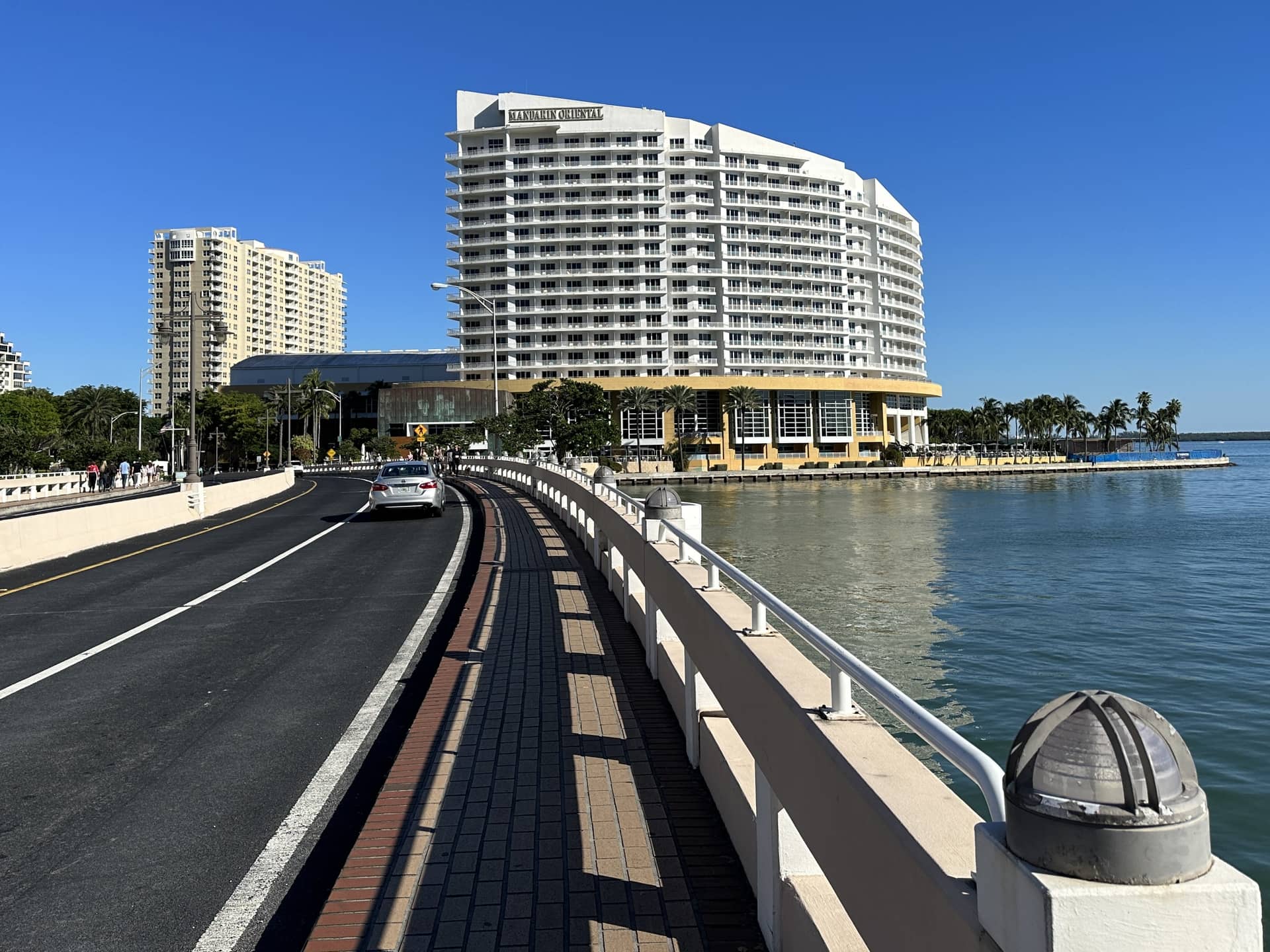
Swire Breaks Ground on Mandarin Oriental Towers on Brickell Key After Selling More Than $1.7 Billion in Condos
22h ago

Seminole Tribe Sues DraftKings and CEO Jason Robins in Broward, Calling Its Florida Prediction Markets an Illegal Sportsbook
22h ago

Jacksonville council members weigh relief for high JEA bills as utility says it isn't ready for a hyperscale data center
1d ago