SpaceX Keeps Florida's Space Coast Launching at a Record Pace With 50th Starlink Mission of 2026
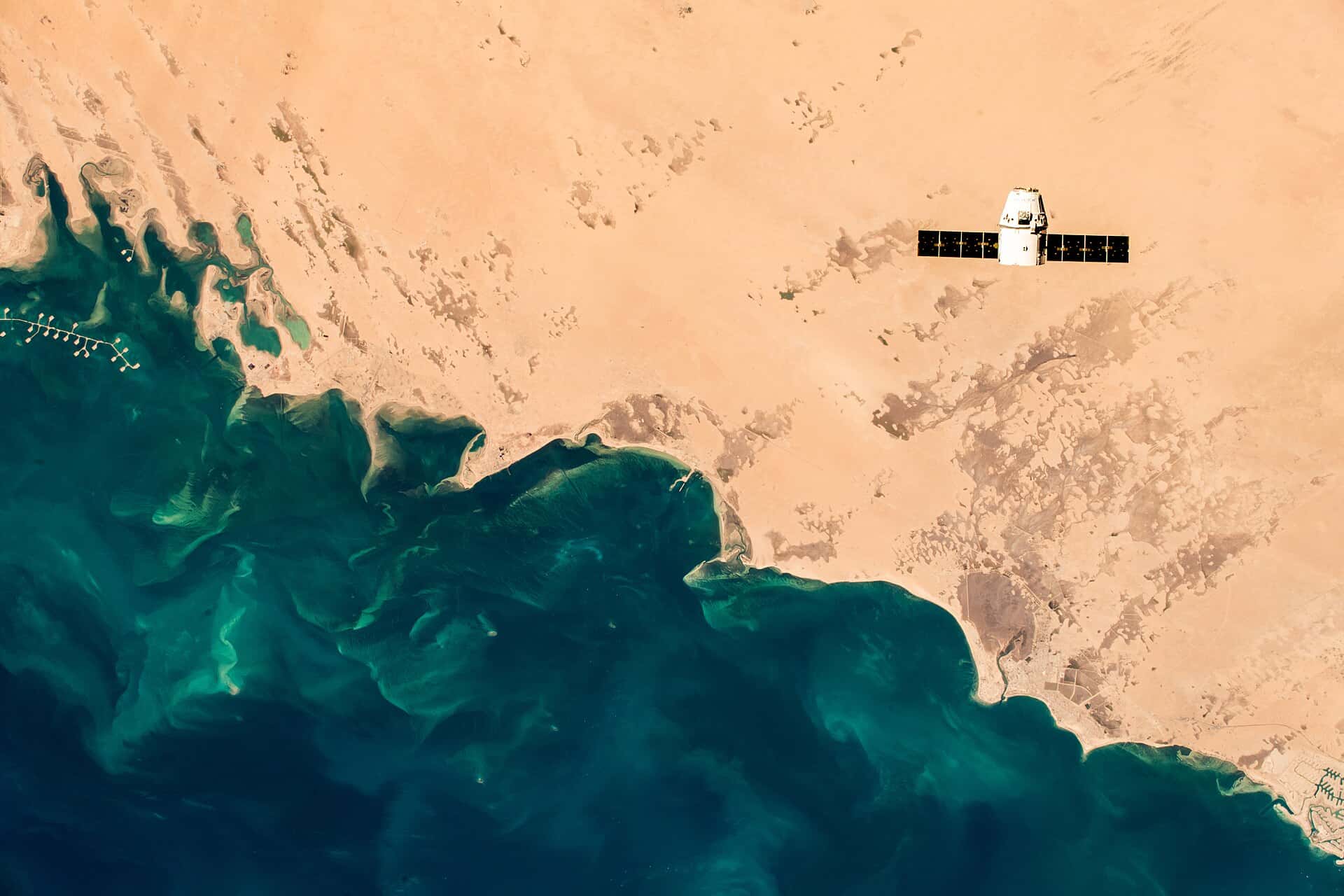
SpaceX has pushed Florida's Space Coast to another milestone, launching its 50th Starlink mission of 2026 in late May as the company's relentless launch cadence continues to reshape the economy and identity of Central Florida's eastern shore. The Falcon 9 flights, departing from Cape Canaveral and the Kennedy Space Center, have become so routine that they barely interrupt daily life along the coast, even as they cumulatively represent one of the most intense periods of spaceflight activity in history.
The pace is staggering by any historical measure. Reaching 50 Starlink missions before the midpoint of the year, on top of other commercial, government and crewed flights, reflects an operational tempo that would have been unimaginable a generation ago. For Florida, that cadence translates into jobs, investment and a renewed prominence in the global space economy that the state has worked to cultivate.
The latest launches
SpaceX marked its 50th Starlink mission of 2026 with a Falcon 9 launch carrying a batch of Starlink satellites to low Earth orbit, with the rocket's first-stage booster, a veteran of many prior flights, returning to land on a droneship at sea. The reuse of boosters, now routine for SpaceX, is central to the economics that make such a high launch rate possible, allowing the company to fly the same hardware many times over.
The milestone flight came amid a steady stream of activity. In the same late-May period, SpaceX launched additional Starlink satellites on a separate Falcon 9 from Cape Canaveral, illustrating how the company sometimes conducts multiple missions within days of one another. That rapid turnaround is the hallmark of an operation that has industrialized access to orbit.
Each Starlink launch adds satellites to the company's expanding broadband constellation, which delivers internet service around the world. The constellation's growth requires a continuous flow of launches, and Florida's facilities, alongside the company's West Coast site, provide the launch capacity to sustain it. The Space Coast has become the primary engine of that expansion.
The Florida angle
Florida's Space Coast, anchored by Cape Canaveral Space Force Station and the Kennedy Space Center in Brevard County, has experienced a dramatic resurgence driven largely by SpaceX's activity. After the end of the Space Shuttle program left questions about the region's future, the rise of commercial spaceflight has transformed the area into one of the busiest launch sites on the planet, supporting a growing aerospace workforce and ecosystem.
The economic impact ripples through the region. Launch operations support direct employment at the spaceports and at SpaceX, while the broader aerospace sector draws suppliers, contractors and related businesses to the area. The state has actively courted the space industry, and the high launch cadence is the most visible evidence of the strategy paying off, with Brevard County's economy increasingly tied to the rhythm of rocket launches.
Beyond direct economic activity, the launches have become a cultural and tourism draw. Spectators gather along the coast to watch liftoffs, and the frequency of launches has made witnessing one a feasible part of a visit to the area. The Space Coast's identity is now inseparable from the steady stream of rockets departing its pads, a transformation that has reshaped how the region sees itself and markets itself to the world.
The reusability revolution
The extraordinary launch rate is made possible by SpaceX's pioneering of rocket reusability. The milestone Starlink mission featured a first-stage booster flying for the sixteenth time, a level of reuse that dramatically lowers the cost and increases the frequency of launches. Recovering and reflying boosters, once considered impractical, has become standard practice and is the foundation of the company's high tempo.
Reusability changes the economics of spaceflight fundamentally. Rather than discarding an expensive rocket after a single use, SpaceX recovers its boosters on droneships and at landing zones, refurbishes them and flies them again, spreading the cost of the hardware across many missions. That approach is what allows the company to sustain a launch rate measured in dozens of flights per year from Florida alone.
The implications extend beyond SpaceX's own operations. The demonstration that rockets can be reused repeatedly has reshaped the entire launch industry and the expectations placed on it, and it underpins the broader expansion of activity at Florida's spaceports. The reusability revolution is the technical achievement that makes the Space Coast's record cadence possible.
What it means for Floridians
For residents of the Space Coast, the launch cadence is both an economic engine and a feature of daily life. The aerospace sector provides high-quality jobs and anchors the regional economy, while launches themselves have become a familiar part of the landscape, visible and audible across a wide area. The region's prosperity is increasingly linked to the continued growth of commercial spaceflight.
For the broader Florida economy, the space sector represents a high-value industry that diversifies a state economy long dependent on tourism, agriculture and real estate. The state's investment in courting aerospace companies has positioned Florida at the center of the commercial space era, with benefits that extend to education, technology and workforce development across the region.
For Floridians more generally, the Space Coast's resurgence is a source of pride and a tangible connection to the cutting edge of technology. The frequency of launches has made the once-extraordinary feat of reaching orbit a regular occurrence in their backyard, a reminder of the state's enduring role in the nation's space program and its growing place in the commercial space economy.
The bigger picture
The Starlink launches are part of a broader expansion of activity at Florida's spaceports that includes crewed missions, national security launches and major NASA programs. The Kennedy Space Center remains a hub for human spaceflight, and the region's pads host a range of operators beyond SpaceX, making the Space Coast a comprehensive center of American spaceflight rather than a single-company operation.
That diversity strengthens the region's long-term prospects. While SpaceX's Starlink missions drive the raw launch numbers, the presence of multiple programs and operators provides resilience and breadth, ensuring that the Space Coast's importance does not rest on any single endeavor. The combination of commercial, civil and defense activity has made the region indispensable to the nation's access to space.
The trajectory points toward continued growth. As satellite constellations expand, as crewed exploration advances and as new operators come online, the demand for launch capacity is likely to keep rising, and Florida is positioned to capture much of it. The 50th Starlink mission of 2026 is a marker along a path of sustained expansion.
What the launch cadence means for the coast
The sheer frequency of launches has changed the rhythm of life along Florida's Space Coast in ways large and small. Where a rocket launch was once a rare event that drew national attention, liftoffs now occur with such regularity that many residents barely pause for them. That normalization is itself a marker of how thoroughly the region has been transformed into an industrial-scale gateway to orbit.
The high tempo also places demands on the infrastructure and workforce that support it. Sustaining dozens of launches a year requires a substantial workforce of engineers, technicians and support staff, along with the facilities to process rockets and payloads at pace. The region has built up that capacity, and the continued growth of launch activity depends on maintaining and expanding it to keep up with rising demand.
There are challenges that accompany the growth as well. The frequency of launches must be managed alongside other uses of the airspace and the surrounding area, and the recovery operations at sea and on land add logistical complexity. Coordinating an ever-increasing number of launches while maintaining safety and reliability is an ongoing operational challenge that the spaceports and operators must continually address.
For the broader region, the launch cadence has become a defining feature of its identity and economy. The Space Coast markets itself around its spaceflight activity, and the steady stream of launches draws visitors, supports businesses and anchors a high-value industry. The transformation from a region uncertain about its future after the shuttle era to one launching at a record pace is among the most striking economic turnarounds in the state.
The growth of the commercial space sector has also reshaped Florida's economic development strategy, with the state actively working to attract aerospace companies, suppliers and the skilled workforce they require. Educational institutions in the region have expanded programs aligned with the industry's needs, building a pipeline of talent to sustain the sector's growth. That alignment of industry, education and economic policy has reinforced the Space Coast's transformation and positioned it for continued expansion.
The benefits extend to the state's broader reputation as a hub for high-technology industry. A thriving space sector signals that Florida can support advanced, innovation-driven enterprises, an image that can attract other technology companies and diversify an economy long associated primarily with tourism and real estate. The Space Coast's success thus contributes to a wider effort to broaden the foundations of Florida's economy.
What's next
SpaceX shows no sign of slowing its cadence, and the Space Coast can expect the steady stream of launches to continue through the year, adding to an already historic total. Each mission expands the Starlink constellation and reinforces Florida's position as the busiest gateway to orbit in the country.
For Florida, the continued growth of the space sector promises ongoing economic benefits and a deepening identity as a center of the commercial space age. The challenge will be sustaining the infrastructure, workforce and regulatory environment to support an ever-increasing tempo of operations. For now, the Space Coast is launching at a record pace, and the 50th Starlink mission of 2026 is the latest evidence of a region remade by the new era of spaceflight.
Spotted an issue with this article?
Have something to say about this story?
Write us a letterComments
No comments yet. Be the first to weigh in.
Related Coverage

SpaceX Launches Bandwagon-5 Rideshare From Cape Canaveral, Lighting Up a Brief Space Jellyfish Over Florida
6h ago

Kathy Castor and Mike Beltran enter final stretch of a tight race in a redrawn, Trump-leaning Tampa district
10h ago
G20 Summit at Trump National Doral Will Bring Road Closures and a Secret Service Security Zone to Miami-Dade in December
12h ago

Florida's Brazilian voters head back to the polls for Oct. 25 presidential runoff as corruption dominates the race
13h ago