SpaceX Keeps Up Relentless Cape Canaveral Launch Pace as Space Coast Economy Soars
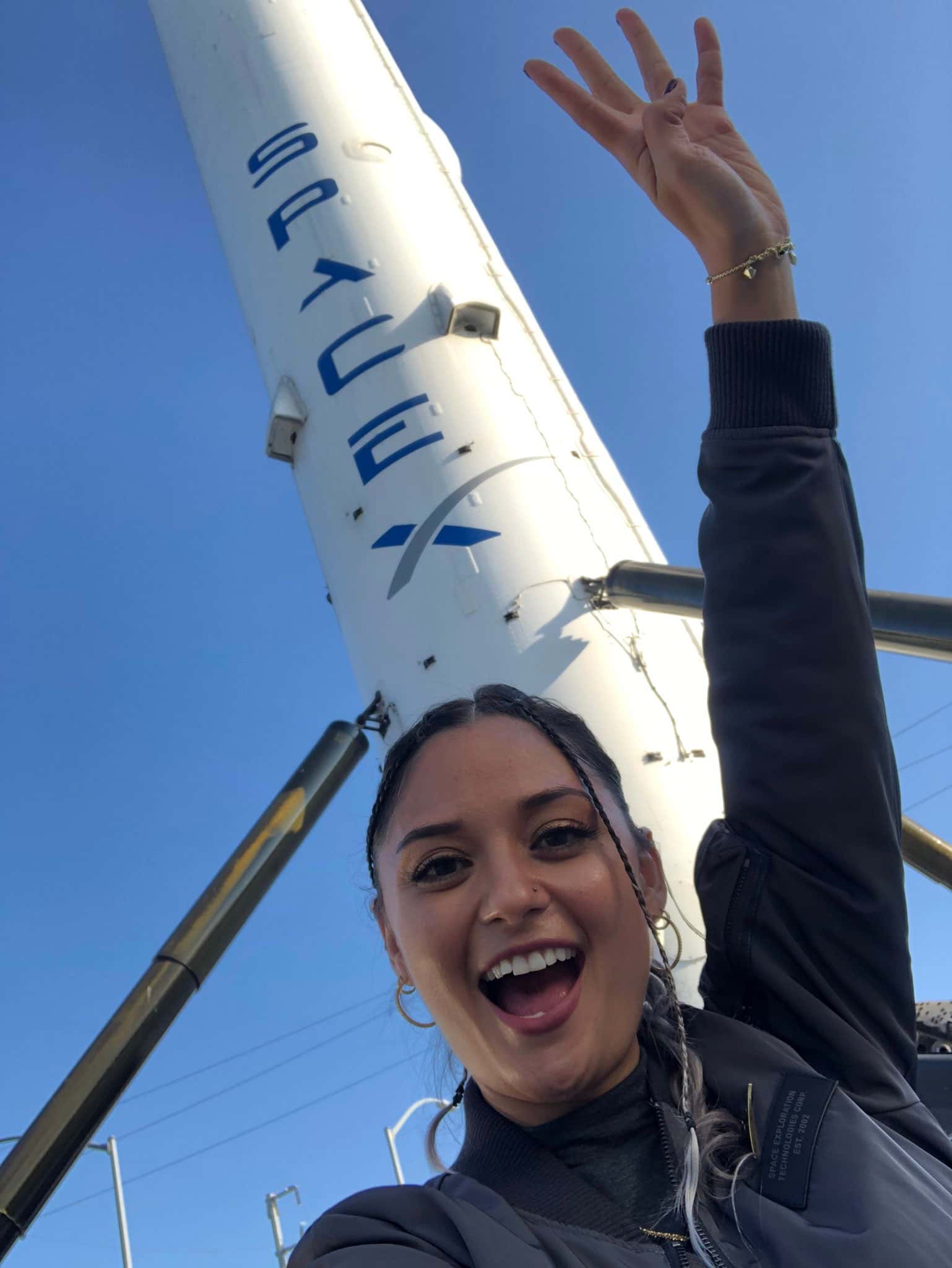
The rockets keep flying off Florida's Space Coast. SpaceX is maintaining a relentless launch cadence from Cape Canaveral, sending batches of Starlink internet satellites into orbit on a near-weekly basis, with another launch on the calendar for June 3. The steady drumbeat of liftoffs has become routine, but the economic and strategic significance of that activity for Florida is anything but ordinary.
The recent run of missions illustrates the pace. SpaceX launched 29 Starlink satellites from Cape Canaveral Space Force Station on May 29, part of a string of launches that included a Memorial Day mission and earlier flights in the month. The frequency has turned the stretch of Florida's Atlantic coast into the busiest spaceport on Earth.
A relentless cadence
The numbers tell the story of an operation running at remarkable speed. SpaceX's Falcon 9 rockets lift off from Space Launch Complex 40 at Cape Canaveral, with the company adding 29 broadband satellites to its low Earth orbit constellation on the May 29 mission alone. Roughly eight and a half minutes after liftoff, the rocket's first stage booster routinely lands on a drone ship stationed offshore for recovery and reuse.
That reusability is central to the cadence. By landing and refurbishing boosters rather than discarding them, SpaceX has driven down the cost and turnaround time of launches, enabling a frequency that would have been unthinkable a decade ago. The upcoming June 3 launch from the Cape, with additional missions slated for the following days, reflects how routine the operation has become.
The Starlink missions, which build out a megaconstellation providing global internet coverage, account for much of the volume. But the same infrastructure and workforce support a range of launches, making Cape Canaveral and the adjacent Kennedy Space Center the beating heart of American spaceflight.
The Space Coast economy
For Florida, the launch cadence translates into jobs, investment, and economic momentum along the Space Coast in Brevard County. The region has experienced a sustained boom as commercial spaceflight has expanded, with SpaceX and other operators driving demand for skilled workers, supporting businesses, and infrastructure.
The frequency of launches supports a deep ecosystem of aerospace engineering, manufacturing, and services. Each mission requires teams to prepare rockets, manage launches, recover boosters, and process payloads, sustaining a high-skill workforce that anchors the local economy. The growth has rippled into housing, retail, and tourism as the area attracts workers and visitors drawn by the spectacle of frequent launches.
Space tourism has itself become a draw. Launches that were once rare events now occur often enough that spotting a liftoff has become part of the region's identity, bringing visitors to viewing areas along the coast and reinforcing Florida's brand as the center of American space activity.
Florida's strategic role
Beyond the economic benefits, the launch activity cements Florida's strategic importance to the nation's space ambitions. Cape Canaveral's geography, with its proximity to the equator and clear launch corridors over the Atlantic, has long made it the preferred site for American launches. The current boom builds on that legacy.
The buildout of the Starlink constellation also carries broader implications, providing internet connectivity that reaches remote areas and serves as critical infrastructure. Florida's spaceports are the launch point for that expanding network, placing the state at the center of a transformative shift in global communications.
The state has actively courted the space industry, recognizing its value as a high-wage, high-growth sector that diversifies an economy long dependent on tourism and real estate. The sustained launch cadence is the clearest evidence of that strategy paying off, with Florida firmly established as the nation's launch capital.
What it means for Floridians
For residents of the Space Coast, the launch boom means economic opportunity and a distinctive regional identity built around spaceflight. The jobs and investment tied to the industry support communities across Brevard County and contribute to the broader Florida economy.
For Floridians statewide, the activity reinforces the state's outsized role in the American space program and the commercial space industry. The launches are a source of pride and a tangible symbol of Florida's place at the forefront of a frontier industry.
The frequent launches also offer a shared spectacle. Residents and visitors across a wide swath of the state can often see rockets streak across the sky, a regular reminder of the extraordinary activity unfolding on Florida's coast. That visibility connects everyday Floridians to the larger story of space exploration playing out in their state.
The reusability revolution
The relentless pace of launches from Cape Canaveral would not be possible without the reusability that has transformed the economics of spaceflight. By recovering and refurbishing rocket boosters rather than discarding them after a single use, SpaceX has dramatically reduced the cost per launch and shortened the time between missions. That innovation underpins the cadence now on display along Florida's coast.
The recovery operations are themselves a feat of engineering, with boosters returning to land on drone ships stationed offshore in the Atlantic. The May 29 mission saw a booster touch down on a drone ship roughly eight and a half minutes after liftoff, a routine that has become almost commonplace but remains a remarkable technical achievement. The recovered hardware is then prepared for future flights.
This approach has reshaped expectations across the space industry, pushing competitors to pursue their own reusable systems and driving down the overall cost of reaching orbit. The implications extend to a wide range of activities, from deploying satellite constellations to supporting crewed missions, and Florida sits at the center of the transformation.
For the Space Coast, the reusability revolution means a sustained, high-volume launch business rather than the sporadic activity of earlier eras. That steady demand supports the workforce and infrastructure that have grown up around the industry, anchoring the region's economy in a way that occasional launches never could.
A crowded and growing launch market
While SpaceX dominates the current launch cadence, Florida's spaceports host a growing roster of operators and missions. The state has positioned itself to capture activity from across the expanding commercial space sector, including other launch providers and a range of government and commercial payloads. The diversity of activity strengthens the Space Coast's long-term prospects.
The buildout of satellite constellations like Starlink represents a major source of demand, but the launch market encompasses much more, from national security missions to scientific spacecraft and the infrastructure for future crewed exploration. Florida's facilities and expertise make it the natural home for much of that activity, reinforcing its central role.
State efforts to support the space industry have included investments in infrastructure and workforce development aimed at sustaining Florida's competitive position. Recognizing the sector's value as a high-wage, high-growth industry, officials have sought to ensure that the state remains the preferred destination for launches and the businesses that support them.
The growth of the launch market also brings challenges, including the need to manage an increasingly busy launch schedule and the infrastructure required to support it. As the cadence rises, coordinating the activity and maintaining the necessary facilities become ongoing tasks, but they are the challenges of success for a region thriving on the space economy.
What's next
The cadence shows no sign of slowing. With the June 3 launch on the schedule and additional missions planned in the days that follow, SpaceX's pace from Cape Canaveral is set to continue, adding to the constellation and to the tally of launches from Florida's coast.
The Space Coast's growth is likely to continue alongside that activity, as the industry's expansion sustains demand for workers and infrastructure. The region's trajectory is closely tied to the launch business, and the current momentum points toward further development.
For Florida, the relentless rhythm of launches from Cape Canaveral represents both an economic engine and a strategic asset. As the rockets keep flying, the state's position as the center of American spaceflight only grows more entrenched, with benefits that extend well beyond the launch pads themselves.
The continued expansion of the space sector points to a future in which Florida's role only deepens. Plans for more ambitious missions, including crewed exploration and the buildout of orbital infrastructure, promise to sustain and increase the activity along the Space Coast. The state's investment in the industry positions it to capitalize on that growth, reinforcing the economic foundation it has built around spaceflight.
For everyday Floridians, the space economy represents one of the brighter spots in the state's effort to diversify beyond its traditional reliance on tourism and real estate. The high-wage jobs, the technological prestige, and the sheer spectacle of frequent launches all contribute to a sense that Florida is at the cutting edge of a transformative industry. As the cadence of launches continues and the sector grows, the Space Coast stands as a model of how the state can build a durable, forward-looking economy, with Cape Canaveral firmly established as the launch capital of the nation.
The momentum shows every sign of continuing, with the launch schedule packed and the industry's ambitions expanding. As reusable rockets fly more frequently and new missions take shape, the demands on Florida's spaceports and the workforce that supports them will only grow. The state's challenge will be to keep pace with that expansion, ensuring that infrastructure, training programs, and supporting services scale alongside the rising cadence of launches. Meeting that challenge would cement Florida's leadership in an industry poised for decades of growth. For now, the steady stream of rockets rising from Cape Canaveral stands as a powerful symbol of the state's role at the forefront of spaceflight, an everyday spectacle that doubles as an engine of economic opportunity and a source of pride for Floridians who can look to the sky and see their state helping to lead humanity's reach into space.
Spotted an issue with this article?
Have something to say about this story?
Write us a letterComments
No comments yet. Be the first to weigh in.
Related Coverage
Democrat Nicole Locklin Challenges Longtime Rep. Mario Díaz-Balart in Redrawn 26th Congressional District
22m ago

SpaceX Launches Bandwagon-5 Rideshare From Cape Canaveral, Lighting Up a Brief Space Jellyfish Over Florida
17h ago

Kathy Castor and Mike Beltran enter final stretch of a tight race in a redrawn, Trump-leaning Tampa district
21h ago
G20 Summit at Trump National Doral Will Bring Road Closures and a Secret Service Security Zone to Miami-Dade in December
23h ago