SpaceX Keeps Up Relentless Falcon 9 Pace From Florida's Space Coast
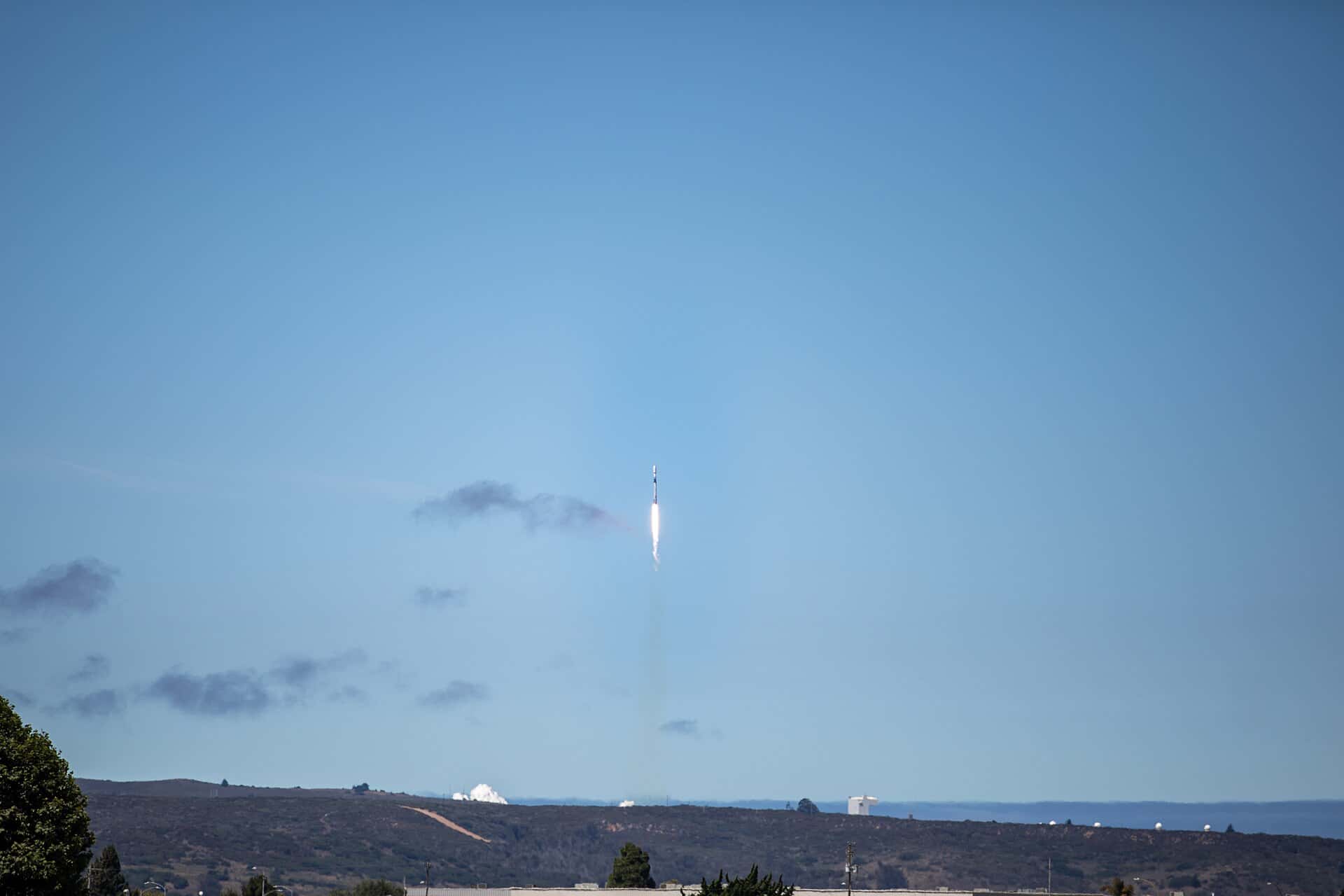
SpaceX is keeping Florida's Space Coast humming this month, launching Falcon 9 rockets loaded with Starlink internet satellites from Cape Canaveral Space Force Station every few days. The rapid-fire cadence, with missions clustered across early and mid June 2026, underscores how central Brevard County has become to the company's effort to blanket the globe with satellite broadband, and how dependent the local Florida economy has become on that steady drumbeat of liftoffs.
For residents of Florida's east coast, the launches have become an almost routine spectacle, with rockets streaking skyward from the same stretch of coastline that sent astronauts to the moon a generation ago. Yet the frequency of the current campaign is anything but ordinary. A schedule that packs multiple orbital launches into a single week reflects an operational pace that would have seemed implausible only a few years ago, and it places Cape Canaveral at the heart of one of the busiest spaceports on the planet.
The Florida stakes are tangible. Each launch represents work for the engineers, technicians, range personnel, and support staff who keep the Space Coast running, and the tempo ripples outward into hotels, restaurants, and tourism businesses that cater to the crowds drawn by the chance to watch a rocket leave Earth. As the cadence climbs, so does the economic weight that the aerospace sector carries for this part of the state.
A Packed June Launch Schedule
The current stretch of missions illustrates just how compressed the schedule has become. On June 4, 2026, a Falcon 9 lifted off at 9:53 a.m. carrying 29 Starlink satellites bound for low Earth orbit. Two days later, on June 6, SpaceX flew another batch, this one consisting of 21 Starlink V2 Mini Optimized satellites along with two Starshield satellites, a variant tied to government and national security applications.
The pace continued from there. A June 8 mission was set to send up another 29 Starlink satellites at 10:07 a.m., followed by a June 12 launch carrying an additional 29 Starlink satellites at 12:27 p.m. Across roughly a week and a half, the manifest accounted for more than 100 spacecraft headed to orbit, all riding the company's workhorse Falcon 9 from the same Florida launch complex.
All of these flights are part of SpaceX's broader deployment of its satellite internet constellation, the network that delivers broadband to customers in areas where traditional connectivity is sparse or unavailable. Building out and replenishing that constellation requires a continuous stream of launches, and Cape Canaveral has emerged as the primary engine of that effort. The V2 Mini Optimized satellites flown on June 6 represent an iteration in the hardware, while the inclusion of Starshield payloads points to the dual commercial and government dimensions of the company's orbital work.
It is worth noting that launch dates and times in this business are inherently fluid. Weather along the Florida coast, technical reviews, and range availability can all push a liftoff earlier or later, sometimes by hours and sometimes by days. The scheduled times offer a snapshot of the plan rather than a guarantee, and observers along the coast learn to watch for updates as each window approaches.
Why Cape Canaveral Anchors the Campaign
Cape Canaveral Space Force Station sits at the core of Florida's Space Coast, a stretch of Brevard County that has been synonymous with American spaceflight for decades. Its geography offers practical advantages for launches headed to the kinds of orbits Starlink uses, and its established infrastructure, built up over generations of government and commercial activity, allows for the kind of turnaround that a high-cadence campaign demands.
The proximity of the launch site to supporting facilities matters enormously when missions are stacked this closely together. Recovering and refurbishing rocket hardware, processing payloads, and resetting the range between flights all require a dense network of people and equipment concentrated in one place. Florida's Space Coast provides exactly that concentration, which is part of why so many of these missions originate there rather than elsewhere.
The region's identity has become tightly bound to this work. The Space Coast name is not merely a marketing label but a reflection of how thoroughly the local economy and culture have organized themselves around launches. When the cadence accelerates, the entire ecosystem, from suppliers to service businesses, feels the effect, and the steady flow of missions reinforces Brevard County's standing as a national hub for orbital activity.
The clustering of state and commercial launch capability in one corner of Florida also creates efficiencies that feed on themselves. The more frequently rockets fly from the Cape, the deeper the pool of skilled labor and specialized vendors becomes, and that depth in turn makes the next high-tempo campaign easier to execute. The result is a self-reinforcing cycle that has steadily pulled more aerospace activity toward Brevard County.
The Economic Engine on the Space Coast
The launch tempo translates directly into economic activity across Brevard County and the wider Florida aerospace sector. A sustained schedule of missions supports jobs across a range of disciplines, from the highly specialized engineering roles tied to rocket and satellite work to the broader base of technical, logistical, and administrative positions that keep a spaceport functioning. Each flight is the visible tip of a much larger workforce.
Tourism forms another pillar of that economy. Launch viewing has grown into a draw in its own right, pulling visitors to the beaches, parks, and vantage points around Cape Canaveral and Kennedy Space Center to witness liftoffs in person. Hotels, restaurants, and local attractions benefit from the influx, and a calendar dense with launches gives travelers more opportunities to time a trip around the chance to see a rocket fly.
Beyond the immediate spectacle, the aerospace cluster around Cape Canaveral and Kennedy Space Center represents a significant share of the regional economy. The presence of major launch operations attracts suppliers, contractors, and related businesses, creating a concentration of expertise and investment that compounds over time. As the cadence rises, that cluster gains further momentum, reinforcing Florida's position in the national space industry.
The relationship runs both ways. The economic vitality of the Space Coast depends on a reliable flow of missions, while the missions themselves depend on the infrastructure and workforce that the region has cultivated. That interdependence is part of what makes the current high-tempo campaign so consequential for this corner of Florida, where the rhythm of launches sets the rhythm of local life.
Starlink and the Drive for Constellation Scale
The missions flying from Cape Canaveral this month are all about scale. A satellite internet constellation of the kind SpaceX is building requires a large and constantly maintained fleet of spacecraft in orbit, and reaching that scale means launching new satellites at a high rate. Each Falcon 9 flight adds dozens of units to the network, steadily expanding coverage and capacity.
The hardware itself continues to evolve. The June 6 mission carried V2 Mini Optimized satellites, a designation that reflects ongoing refinement of the spacecraft design as the constellation matures. Iterating on the hardware while simultaneously launching at a rapid clip is a defining feature of the program, and Florida's Space Coast serves as the staging ground where those iterations reach orbit.
The same June 6 flight also carried two Starshield satellites, pointing to a dimension of the work that extends beyond consumer broadband. Starshield is associated with government and national security uses, and its presence on a Florida launch highlights how the spaceport supports a mix of commercial and government missions. That blend adds another layer to the Space Coast's strategic importance.
Maintaining a constellation at scale is not a one-time effort but a continuous obligation. Satellites have finite operational lives and must be replaced, which means the launch demand does not taper off once initial coverage is achieved. For Florida, that translates into a durable, ongoing source of activity rather than a temporary surge, anchoring the expectation that the Cape will stay busy well beyond any single month's manifest.
Watching the Skies Over Florida
For Floridians, the practical upshot of all this activity is a sky that lights up with regularity. The clustering of launches means that on many days this month, residents and visitors along the coast have a chance to look up and catch a Falcon 9 climbing away from the Cape. The experience has become part of the texture of life in Brevard County and the surrounding areas.
The fluid nature of launch scheduling means that anyone hoping to catch a liftoff has to stay flexible. A mission slated for one morning can slip to the next day if weather rolls in off the Atlantic or if engineers call for additional checks. Seasoned launch watchers treat the published times as a starting point and keep an eye out for the updates that inevitably accompany a busy manifest.
That unpredictability does little to dampen enthusiasm. If anything, the frequency of opportunities, with multiple launches in a single stretch of days, gives spectators more chances to succeed even when an individual attempt is delayed. The cumulative effect is a steady stream of visitors and attention focused on Florida's Space Coast, reinforcing the region's role as a destination for those drawn to spaceflight.
Daytime liftoffs like several on this month's manifest add to the appeal, offering clear views across a wide swath of Central Florida when skies cooperate. The mid-morning and midday timing of the June flights means crowds can gather at causeways, beaches, and parks without the logistical challenges of an overnight vigil, broadening the audience for each launch.
What's Next
The June campaign offers a window into a launch tempo that shows no sign of slowing. With missions stacked just days apart, the pattern points toward a continued high cadence from Cape Canaveral as SpaceX presses ahead with building out and replenishing its satellite internet constellation. Each successful flight clears the way for the next, and the manifest is structured to keep that rhythm going.
For Florida, the question is less whether the launches will continue and more how the Space Coast will keep pace with the demands of such an intense schedule. Sustaining a rapid launch rate requires a workforce, infrastructure, and support network that can reset quickly between missions, and the region's ability to do so will shape its economic trajectory in the years ahead.
In the near term, observers should expect the published dates and times for upcoming flights to shift as conditions dictate, a normal feature of a packed launch calendar. What seems clear is that Cape Canaveral will remain at the center of the action, with Brevard County's economy, tourism, and aerospace identity all riding on the steady cadence of Falcon 9 rockets lifting off from Florida's Atlantic shore.
Spotted an issue with this article?
Have something to say about this story?
Write us a letterComments
No comments yet. Be the first to weigh in.
Related Coverage

Florida's Brazilian voters head back to the polls for Oct. 25 presidential runoff as corruption dominates the race
1h ago
Children Say Hillsborough Deputies Injured Their Father in Seffner Traffic Stop Before He Was Handed to ICE
1h ago

Puerto Rico Fights Trump Plan for English-Only Head Start as Central Florida Families Watch
22h ago

Musk Pledges a SpaceX Share to Every U.S. Child, Worth About $650 Million for Florida Kids, With No Details Yet
22h ago