SpaceX Sets a Record With 14 Launches in a Single Month From Florida's Space Coast
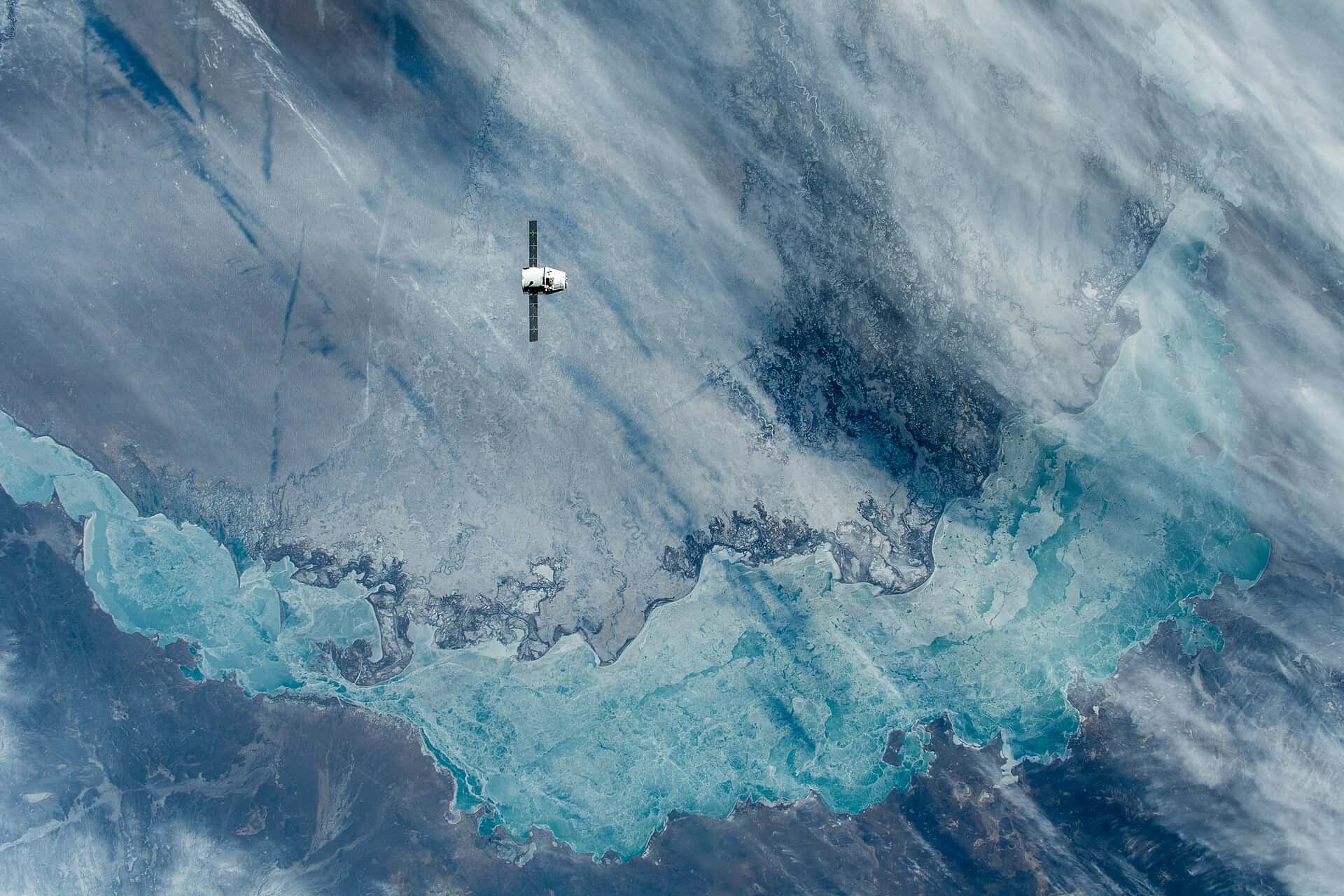
SpaceX has set a new monthly record, completing its 14th launch in a single month with a Falcon 9 liftoff from Cape Canaveral, a milestone that captures just how relentless the pace of activity on Florida's Space Coast has become. The achievement, built largely on a steady drumbeat of Starlink satellite deployments, reinforces the region's status as the busiest launch corridor in the world and a cornerstone of Florida's growing aerospace economy.
The record is more than a number for a company that has spent years compressing the interval between flights. It is a marker of how thoroughly the rhythms of commercial spaceflight have reshaped a stretch of Florida coastline that once measured its calendar by occasional, headline-grabbing missions. Today the cadence is so steady that a fortnight rarely passes without a rocket rising off the Atlantic shore, and the people who live and work in the area have come to treat the spectacle as part of the regional backdrop.
A record-setting cadence
The record-tying launch carried another batch of Starlink satellites from Space Launch Complex 40 at Cape Canaveral Space Force Station, adding to the company's sprawling low Earth orbit broadband constellation. Reaching 14 launches in a single month marked the first time the company had hit that number in a 30-day span, a testament to the operational tempo SpaceX has built around its reusable Falcon 9 rocket.
The bulk of the flights have been dedicated to expanding the Starlink network, with each mission typically deploying roughly two dozen or more satellites. The constellation has become the workhorse of SpaceX's business, and the frequency of launches reflects both the demand for satellite internet and the company's ability to turn around its reusable boosters quickly between flights.
That reusability is the engine behind the cadence. By recovering and reflying first-stage boosters, SpaceX has dramatically reduced the time and cost between launches, enabling a flight rate that would have been unthinkable in the earlier era of expendable rockets. The result is a launch schedule from Florida that now operates at a pace closer to that of a busy airport than the occasional spectacle of decades past.
Sustaining that tempo depends on a level of choreography that is easy to overlook from the ground. Boosters returning to landing zones and drone ships at sea must be inspected, refurbished, and recertified, while payloads are stacked, fueled, and rolled to the pad on a schedule that leaves little slack. Each launch also requires the eastern range to be cleared of air and sea traffic, a task that grows more demanding as the number of flights climbs. The fact that SpaceX can repeat this cycle every few days speaks to how far the company has industrialized a process that was once treated as a bespoke engineering event.
The Space Coast's geography is part of the reason the cadence is even possible. Launches over the open Atlantic carry rockets safely away from populated areas, and Florida's relatively low latitude offers an efficiency advantage for many orbits, allowing rockets to take fuller advantage of the planet's rotation. Those natural endowments, paired with launch infrastructure refined over more than half a century, give the region a durable edge that newer spaceports elsewhere have struggled to match.
Why the Space Coast matters to Florida
The launch boom is not just a story about rockets; it is a story about the Florida economy. The Space Coast, centered on Brevard County, has built an industry around the cadence of launches, supporting thousands of jobs in engineering, manufacturing, operations, and the supporting businesses that serve the aerospace workforce. A higher flight rate translates into sustained economic activity across the region.
Florida competes globally for aerospace investment, and a record launch tempo strengthens its hand. The state has cultivated its launch infrastructure for decades, and the current pace demonstrates the return on that investment. Each launch also draws tourism, as crowds gather along the coast to watch liftoffs, adding another stream of economic benefit to the region.
The activity at Cape Canaveral and the neighboring Kennedy Space Center has made the area a magnet for the broader space industry. Companies in the sector are drawn to the established infrastructure, skilled workforce, and proximity to launch sites, creating a cluster effect that compounds the region's advantages and helps diversify Florida's economy beyond tourism and agriculture.
That diversification carries real weight in a state whose fortunes have long been tied to visitors, real estate, and farming. Aerospace jobs tend to pay well and to demand technical skills, and their growth has rippled into local universities and technical colleges that have expanded programs to feed the pipeline. The presence of a high-wage industry anchored to fixed infrastructure gives the region a measure of economic stability that more cyclical sectors cannot always provide, and it has helped reposition Brevard County as a center of advanced manufacturing rather than simply a bedroom community along the coast.
Local governments have noticed, and they have moved to capture the momentum. Communities along the Space Coast have invested in housing, roads, and amenities aimed at attracting and retaining the engineers and technicians the industry needs, while regional economic development groups market the area to suppliers and startups hoping to plant themselves near the action. The launch cadence, in other words, is not only a measure of how often rockets fly but also a signal that draws further investment to the surrounding economy.
The broader launch landscape
SpaceX's dominance of the cadence is part of a larger expansion of activity from Florida's spaceports. The Space Coast hosts a range of operators and missions, and the overall trend has been toward more launches across the board. The infrastructure that supports this activity, from launch pads to range safety to recovery operations, has scaled to accommodate the rising tempo.
The proliferation of satellite constellations has been a primary driver of demand. As companies and governments seek to deploy networks for communications, observation, and other purposes, the need for reliable, frequent launch capacity has grown. Florida's spaceports are positioned to capture much of that demand given their established capabilities.
The pace also raises practical considerations, from coordinating airspace and maritime traffic around launches to managing the cumulative effects of frequent operations. Federal and state authorities work to balance the growth of the launch industry with safety and environmental responsibilities, an ongoing effort as the cadence climbs.
Other operators are working to add their own rockets to the manifest, which would broaden the base of activity beyond a single dominant company. A more crowded launch corridor brings benefits in the form of jobs and resilience, but it also intensifies the scheduling puzzle, since pads, tracking assets, and the surrounding range can only support so many operations at once. Managing that competition for finite infrastructure is becoming a central task for the agencies that oversee the spaceports.
The environmental and community balance
The surge in launches has prompted closer attention to the effects of frequent operations on the surrounding environment and communities. The Space Coast sits beside sensitive coastal ecosystems and wildlife refuges, and the cumulative noise, traffic, and activity associated with a relentless launch schedule have drawn scrutiny from residents and conservation advocates who want assurances that growth will not come at the expense of the natural setting that defines the region.
Regulators have responded by examining the broader footprint of expanded launch activity rather than evaluating each mission in isolation. Reviews of noise, traffic, and habitat impacts have become part of the conversation about how high the cadence can climb, and officials have signaled that the answer will depend in part on demonstrating that the surrounding environment can absorb the growth. The outcome of those assessments will help shape the ceiling on future activity.
For residents, the balance is a familiar one in a region that has long lived alongside the launch industry. Many embrace the rockets as a point of pride and an economic engine, while others weigh the disruptions that come with a near-constant operational tempo. Reconciling those perspectives is part of the ongoing work of a community whose identity is bound up with spaceflight even as it navigates the practical consequences of its success.
What it means for Floridians
For residents of the Space Coast and beyond, the launch boom is a visible and audible part of daily life, with liftoffs lighting up the sky and rattling windows on a regular basis. The frequency has made launches a routine occurrence rather than a rare event, though they continue to draw spectators and remain a source of regional pride.
Economically, the industry's growth supports a workforce that extends well beyond the launch pads, encompassing suppliers, contractors, hospitality, and education programs that feed talent into the sector. The Space Coast has tied much of its economic identity to this industry, and the record cadence is a sign of its momentum.
The activity also keeps Florida at the forefront of a transformative era in spaceflight. As access to orbit becomes cheaper and more frequent, the state stands to benefit from being home to the infrastructure that makes it possible, positioning Florida as a central player in the commercial space economy for years to come.
What's next
The pace shows no sign of slowing. With Starlink deployments continuing and a pipeline of other missions on the manifest, the launch tempo from Florida is likely to remain high, and records that once seemed remarkable may soon become routine. The question is increasingly not whether the cadence can be sustained but how much higher it can climb.
For Florida, the trajectory is clear: the Space Coast has cemented its role as the heart of the world's busiest launch operation, and the economic and cultural benefits that flow from that status continue to grow. The record-setting month is the latest marker in a remarkable run that has redefined what is possible from Florida's shores.
Whether the next milestone arrives in the form of an even busier month, the debut of additional rockets, or further investment in the surrounding region, the underlying trend points in one direction. Florida has positioned itself at the center of an industry that is still accelerating, and the state's residents are likely to keep watching their skies fill with the light of departing rockets for years to come.
Spotted an issue with this article?
Have something to say about this story?
Write us a letterComments
No comments yet. Be the first to weigh in.
Related Coverage

SpaceX Launches Bandwagon-5 Rideshare From Cape Canaveral, Lighting Up a Brief Space Jellyfish Over Florida
18m ago

Kathy Castor and Mike Beltran enter final stretch of a tight race in a redrawn, Trump-leaning Tampa district
4h ago
G20 Summit at Trump National Doral Will Bring Road Closures and a Secret Service Security Zone to Miami-Dade in December
6h ago

Florida's Brazilian voters head back to the polls for Oct. 25 presidential runoff as corruption dominates the race
7h ago