Stanley Cup Final Arrives Without Florida as Panthers Watch From Home
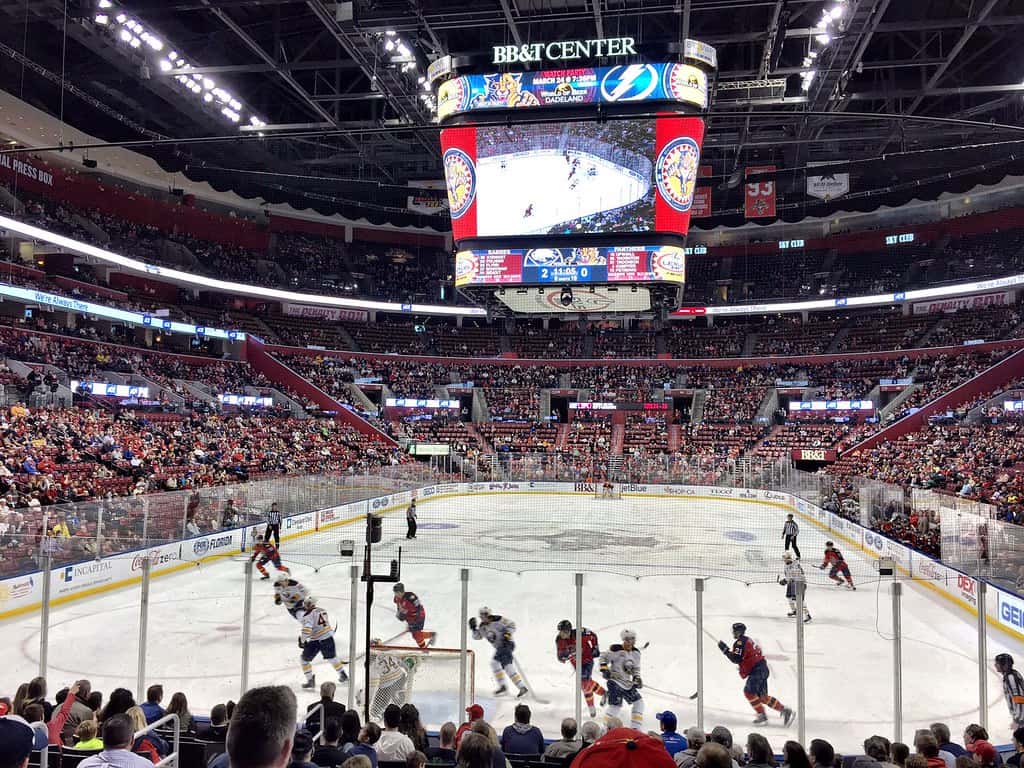
The 2026 Stanley Cup Final features the Carolina Hurricanes against the Vegas Golden Knights, with Carolina holding home-ice advantage and games airing on ABC and ESPN. For the first time since 2019, the championship round of the NHL playoffs does not include a team from the state of Florida, a notable absence given the recent dominance of the Sunrise-based Florida Panthers.
The Panthers, who won the Stanley Cup in both 2024 and 2025, failed to qualify for the 2026 playoffs entirely. The two-time defending champions were officially eliminated from postseason contention after a 9-4 loss to the Pittsburgh Penguins, a lopsided defeat that punctuated a season far removed from the team's recent peaks. The fall from back-to-back titles to missing the playoffs marks a dramatic shift for one of the league's most successful recent franchises.
For Florida hockey fans, the absence is jarring. After years of deep playoff runs and consecutive championships, the sight of the Stanley Cup Final unfolding without the Panthers represents the end, or at least a pause, of a dynasty run that had defined the franchise's identity. The 2026 Final's matchup between Carolina and Vegas now plays out on national television while Sunrise watches from the outside.
The Final Without Florida
Carolina and Vegas reaching the Stanley Cup Final represents a changing of the guard at the top of the NHL. The Hurricanes, with home-ice advantage, carry the edge in the series format, while the Golden Knights arrive as a familiar contender. The series airs on ABC and ESPN, giving the matchup a national platform.
The most significant storyline for Florida audiences is what the Final lacks rather than what it contains. Not since 2019 had the championship round been contested without a team from the state, a streak that reflected the Panthers' sustained excellence as well as the broader rise of hockey in Florida. The 2026 Final breaks that pattern.
For neutral observers, the Carolina-Vegas matchup offers its own intrigue, pitting two well-built rosters against one another for the sport's ultimate prize. But within Florida, the Final serves mainly as a reminder of how quickly fortunes can change in a league defined by parity and the punishing demands of long postseason runs.
The national broadcast window on ABC and ESPN ensures the series reaches a wide audience, including Florida viewers who spent the previous two springs watching their own team contend for the Cup. That contrast, between active participation and passive viewership, frames how many in the state are likely to experience the 2026 Final. The absence is felt most acutely by those who had grown accustomed to the Panthers carrying Florida's banner deep into the postseason.
The End of a Dynasty Run
The Panthers' back-to-back championships in 2024 and 2025 placed the franchise among the league's elite and established Sunrise as a destination for winning hockey. Repeating as champion is among the hardest feats in professional sports, and Florida's ability to do so cemented its status as a genuine dynasty.
That makes the 2026 collapse all the more striking. Going from consecutive titles to missing the playoffs in a single season is a rare and difficult fall, one that raises questions about what changed for a roster that had been so dominant. The 9-4 loss to Pittsburgh that sealed the elimination served as a stark bookend to the championship era.
Dynasties in the salary-cap era are inherently fragile, vulnerable to the cumulative toll of deep runs and the constraints that come with keeping a winning roster together. The Panthers' descent illustrates how the very success that builds a dynasty can also sow the conditions for its decline.
Whether the 2026 season represents a true end or merely a pause remains an open question. The franchise's recent track record suggests a foundation capable of bouncing back, but the immediate reality is a postseason spent watching rather than competing.
What Went Wrong
Pinpointing the precise causes of the Panthers' decline requires caution, but several general factors commonly affect teams in their position. Chief among them is fatigue. Consecutive deep playoff runs, culminating in two championships, place enormous physical and mental demands on a roster, and the cumulative wear can carry into subsequent seasons.
An aging core can also contribute to a downturn. Teams that win championships often rely on veteran players whose performance, while still valuable, can begin to slip as they advance in age. When several key contributors decline at once, the effect on a roster can be pronounced.
Salary-cap pressures frequently compound those challenges. Keeping a championship roster intact is expensive, and the financial constraints of the cap can force difficult choices that erode depth over time. The combination of cap limitations and an aging, fatigued core can quickly transform a contender into a team fighting to stay in the playoff picture.
The lopsided nature of the elimination loss to Pittsburgh, a 9-4 defeat, suggests a team that had lost the form and resilience that defined its championship years. Such a result, while a single game, can serve as a symbolic marker of how far a roster has fallen from its peak.
The Toll of Deep Playoff Runs
The physical cost of consecutive long postseasons cannot be overstated. Reaching and winning the Stanley Cup requires weeks of high-intensity hockey beyond the regular season, and doing so in back-to-back years effectively shortens the offseason recovery window for the players involved.
That compressed recovery can manifest in subsequent seasons through diminished energy, increased susceptibility to injury, and a general decline in the sharpness that championship hockey demands. Teams that win multiple titles often speak of the difficulty in sustaining the necessary intensity year after year.
For the Panthers, the back-to-back championships may have come at a delayed cost that surfaced in 2026. The fatigue accumulated during those runs, layered atop the ordinary demands of an NHL season, offers a plausible general explanation for a team that could not recapture its winning form.
History offers parallels. Teams across the major sports have often struggled to sustain success immediately after winning multiple titles, with the cumulative toll catching up to even the most talented rosters. The phenomenon is common enough that it has become an expected risk of prolonged contention, and the Panthers' 2026 season fits that broader pattern of post-championship regression.
Offseason Questions in Sunrise
The Sunrise-based club now faces a set of significant offseason questions. Foremost among them is how to manage the salary cap in a way that addresses the roster's needs while preserving flexibility. Cap decisions will shape the franchise's ability to retool and remain competitive in the seasons ahead.
The status of an aging core also looms large. The franchise must weigh how much longer to rely on the veterans who powered its championships against the need to introduce younger, fresher talent. Balancing loyalty to a successful group with the realities of decline is among the most delicate tasks any front office can undertake.
Fatigue from deep runs adds another layer to the offseason calculus. The organization may need to consider how to manage the workload and recovery of its key players going forward, with an eye toward sustaining performance over the long term rather than chasing short-term gains.
These questions, while difficult, are also the natural consequence of sustained success. A franchise that wins consecutive championships earns the right to grapple with the challenges of maintaining a dynasty, even if the 2026 season exposed the limits of its current construction.
Florida's Hockey Landscape
The Panthers' rise had helped elevate hockey's profile across Florida, turning Sunrise into a hub for a sport that has steadily grown in the state. The franchise's championships drew attention and energized a fan base that had embraced the team's success during its title years.
The 2026 absence from the playoffs, and from the Stanley Cup Final, represents a setback for that momentum. A Final without a Florida team for the first time since 2019 underscores how central the Panthers had become to the state's hockey identity and how their decline reverberates beyond the rink.
Still, the foundation built during the championship era remains. The fan interest cultivated over years of winning does not disappear in a single disappointing season, and the franchise retains the infrastructure and recent pedigree that could support a return to contention. Florida's hockey landscape, while diminished in 2026, is not erased.
What It Means for South Florida
For the Sunrise area and the wider South Florida region, the Panthers' championship run had become a point of civic pride, drawing casual fans into a sport that once held a smaller place in the local sports conversation. The back-to-back titles in 2024 and 2025 gave the region a winner to rally around, and the energy that surrounded those runs spilled beyond the arena into bars, businesses, and neighborhoods that embraced the team.
An early exit changes that dynamic for the spring. The deep playoff runs of recent years brought sustained attention and the kind of communal excitement that a championship contender generates over weeks of postseason hockey. Without that, the 2026 spring passed without the rallies and watch parties that had become a fixture, a quieter season for a fan base accustomed to celebration.
Yet the groundwork laid during the title years gives South Florida reason for patience. The interest the Panthers cultivated does not vanish with one disappointing season, and the region retains a fan base that learned to love deep playoff hockey. Whether that enthusiasm carries into a rebuilding stretch will depend in part on how the franchise signals its path forward and whether it can convince supporters that the dynasty's pause need not become its end.
What's Next
In the near term, attention turns to the Carolina-Vegas Stanley Cup Final on ABC and ESPN, a series that will crown a new champion in the absence of the Panthers. For Florida fans, the Final is a spectator event rather than a source of rooting interest, a reversal from the recent years of deep involvement.
For the Panthers, the offseason becomes the critical period. The franchise must navigate cap considerations, evaluate an aging core, and address the fatigue that accompanied its championship runs. The decisions made in the coming months will determine whether 2026 proves to be a temporary pause or a more lasting decline.
Supporters in Sunrise and across South Florida, meanwhile, are left to process an unfamiliar feeling after two seasons of championship celebrations. The transition from defending champion to playoff absentee is abrupt, and it tests the patience of a fan base that had come to expect deep runs each spring. How the organization communicates its plan, and how quickly it shows signs of recovery, will influence the mood heading into the next campaign.
The broader question is whether the dynasty can be revived. The Panthers have demonstrated the capacity to win at the highest level, and that recent success provides a template for recovery. But the path back to contention runs through difficult choices, and the 2026 season served as a clear signal that the work of sustaining a champion never truly ends.
Spotted an issue with this article?
Have something to say about this story?
Write us a letterComments
No comments yet. Be the first to weigh in.
Related Coverage
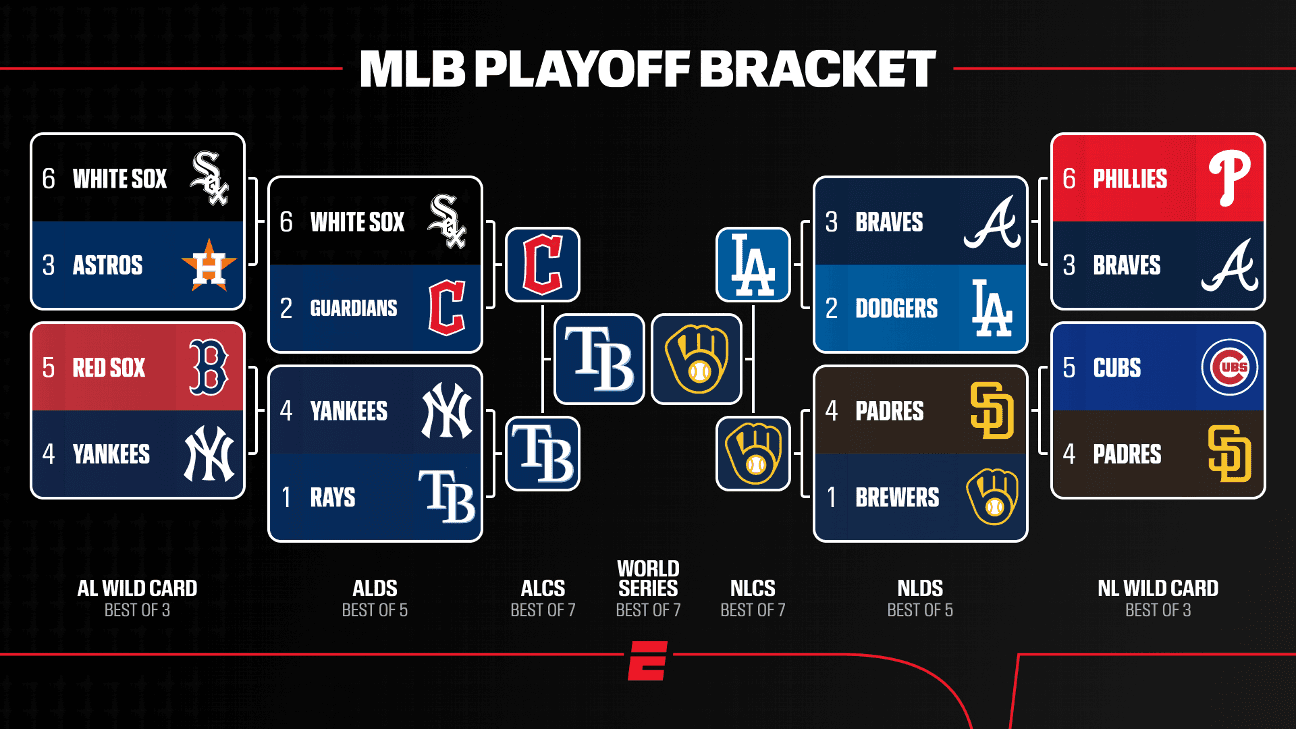
Rays vs. Brewers World Series Preview: Schedule, Tickets and a Guaranteed First-Time Champion
6h ago

Magic Open Sean Sweeney Era Against Hawks at Kia Center With Franz Wagner's Shoulder in Question
9h ago

Heat Open Season vs. Timberwolves as Giannis Antetokounmpo Makes Miami Debut and LaMelo Ball Starts in Minnesota
11h ago
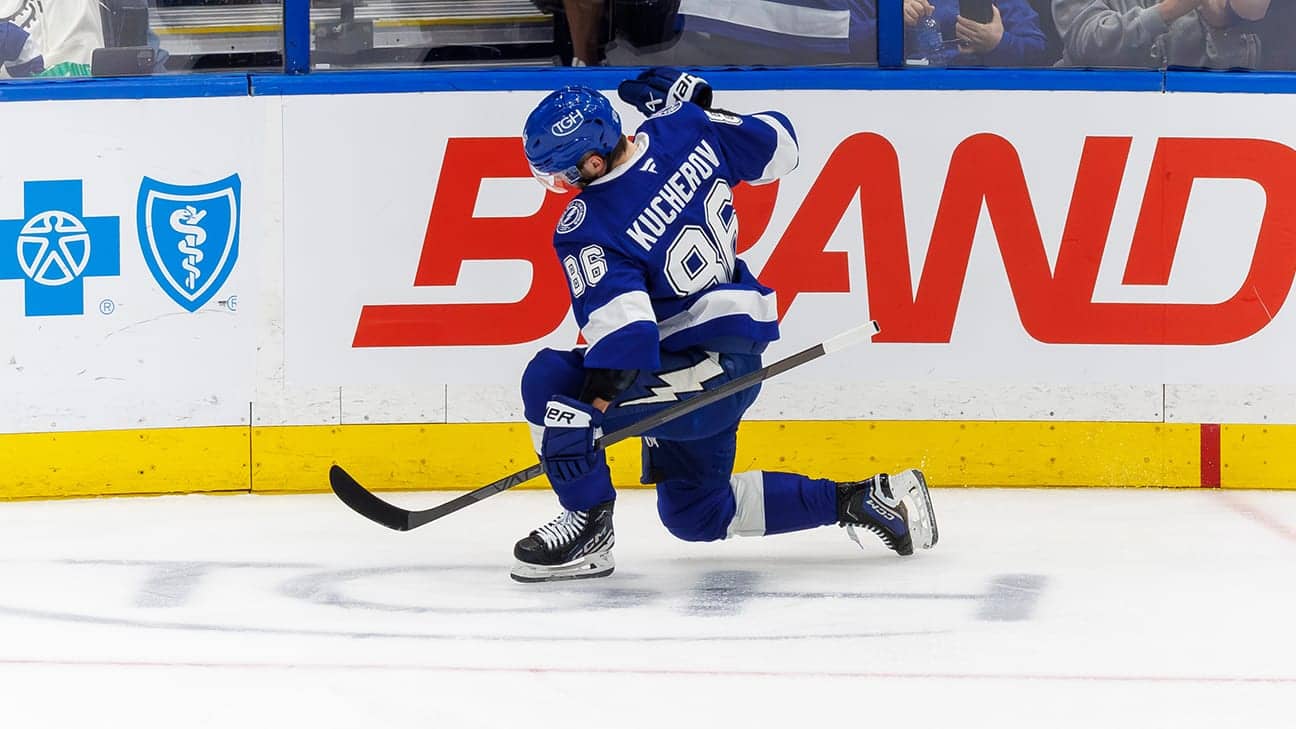
Nikita Kucherov Scores Twice as Lightning Rally From Two Goals Down to Beat Canucks 4-2
2d ago