Tampa Bay Rays Race to Front of American League With Caminero Leading a Hot Start
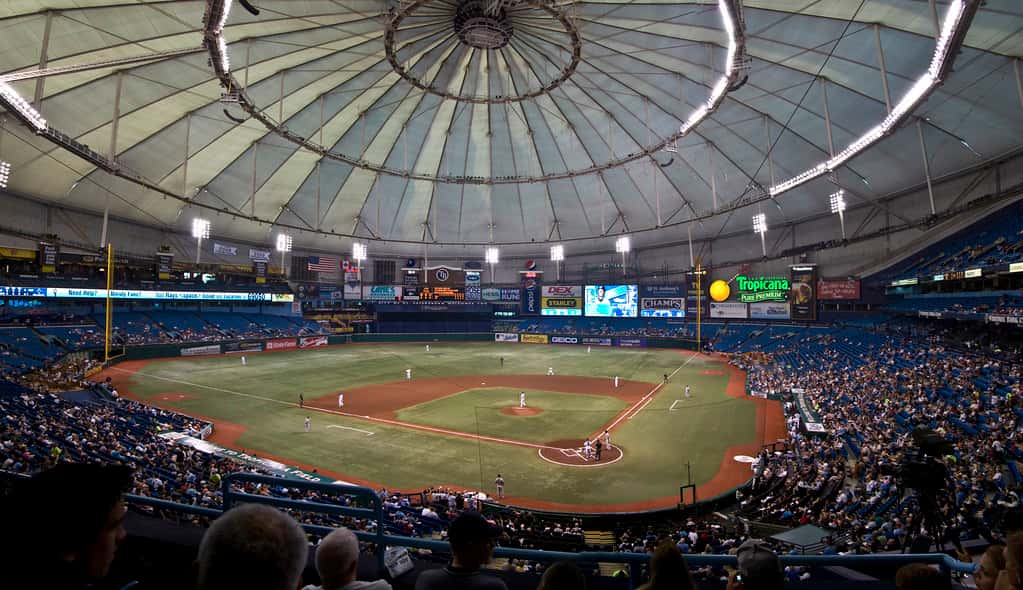
The Tampa Bay Rays have surged to the front of the American League, reaching 30 wins ahead of any other club in the league and reminding baseball that the franchise's knack for outperforming expectations remains very much intact. Behind a balanced lineup and a wave of contributions from emerging stars, Tampa Bay has built one of the best records in the sport through the early months of the 2026 season.
The hot start has been powered in part by young slugger Junior Caminero, whose production has anchored the offense, along with steady veterans who have given the lineup a depth that opposing pitchers have struggled to navigate. The combination of youth and experience has produced the kind of resilient, do-it-all attack that has long been a Rays hallmark.
For a franchise that consistently operates with one of the smaller payrolls in Major League Baseball, the early success is a testament to player development and roster construction. The Rays have again found a way to compete with and outpace clubs that spend far more, leaning on scouting, analytics, and the ability to extract value from players other teams overlooked or developed.
Reaching 30 wins first
Becoming the first American League team to reach the 30-win mark is a meaningful early benchmark, signaling not just a good start but a sustained run of quality play over the opening stretch of the long season. Reaching that total ahead of the rest of the league reflects consistency across a demanding schedule that tests every roster's depth and durability.
Early-season records do not guarantee October success, and the Rays know better than most how much can change over the course of a 162-game campaign. But building a cushion in the standings early provides margin for the inevitable slumps and injuries that every team faces, and it positions Tampa Bay well in a competitive division and league.
The achievement also reflects the Rays' ability to win in a variety of ways, whether through timely hitting, strong pitching, or sound defense and base running. That versatility has historically been a defining trait of the franchise's best teams, and it has been on display throughout the early weeks of the season as the club has piled up victories.
Caminero anchors the offense
Junior Caminero has emerged as a central figure in the Rays' attack, providing the kind of middle-of-the-order production that lengthens a lineup and changes how opponents approach it. His bat has been a consistent source of damage, and his development represents exactly the kind of homegrown impact the Rays rely on to remain competitive year after year.
For a young player, establishing himself as a run producer at the highest level is a significant milestone, and his early performance has reinforced the optimism the organization has long held about his potential. As pitchers adjust to him over the course of the season, his ability to counter and continue producing will be a key storyline for the team.
Caminero is not carrying the load alone. Contributions from across the lineup, including steady veteran presences who set the table and provide professional at-bats, have given the offense balance and made it difficult to pitch around any single hitter. That collective approach is central to how the Rays generate runs and win games.
The Rays' formula for success
Tampa Bay has built its sustained competitiveness on a foundation of player development, shrewd trades, and a willingness to make difficult roster decisions in service of the long-term health of the franchise. The organization has repeatedly turned undervalued or unheralded players into productive contributors, a skill that allows it to compete despite its financial constraints.
Pitching has long been a strength, with the Rays developing arms and deploying them creatively to maximize effectiveness. The team's willingness to embrace innovation, from how it structures its pitching staff to how it positions defenders, has often given it an edge over more conventional opponents and helped it punch above its financial weight.
That formula requires constant turnover and adaptation, as the Rays frequently move on from players before their costs rise, restocking with younger talent. The approach can be jarring for fans who grow attached to individual players, but it has kept the franchise relevant and competitive across many seasons, including the strong start to 2026.
Challenges ahead
A strong start is only the beginning of a long and grueling season, and the Rays will face stiff competition as the months wear on. The American League is deep, and Tampa Bay will need to sustain its play, manage the inevitable injuries, and continue getting production from across its roster to hold its position atop the standings.
Depth will be tested as the season progresses, and the Rays' ability to absorb setbacks without losing ground will be crucial. The organization's track record of finding solutions, whether internally or through midseason additions, will be put to work as it tries to convert a fast start into a deep postseason run.
The trade deadline will present important decisions about whether to add to the roster for a playoff push, a calculation the Rays always weigh carefully against their long-term plans. How the front office navigates that period could shape the team's ceiling for the remainder of the season and reveal how aggressively it intends to capitalize on its strong position.
The young core and the future
Beyond the immediate results, the Rays' strong start offers a glimpse of a young core that could keep the franchise competitive for years. Tampa Bay's development system has a long track record of producing impact players, and the current roster blends those homegrown talents with savvy acquisitions in the mold that has defined the organization's most successful teams.
Caminero's emergence is the headline, but the depth behind him is what gives the team its staying power. Contributions from players at various stages of their careers create a lineup that does not depend on any single bat, and a pitching staff developed and deployed creatively gives the Rays the kind of run prevention that travels well into the postseason.
The challenge for the franchise, as always, will be retaining and building around that core within its financial constraints. The Rays' model involves constant turnover, and how they balance the present opportunity against their long-term plans will shape both this season and the ones to follow. For now, the foundation looks promising.
That promise matters in a sport where windows of contention can be fleeting. The Rays have shown they can sustain success across many seasons, and the current group appears capable of extending that run, provided the organization continues to make the shrewd decisions that have kept it relevant despite spending far less than its rivals.
A loyal but tested fan base
The Tampa Bay region's baseball fans have weathered uncertainty in recent years, including questions about the franchise's home and its long-term future in the area. Through it all, a devoted core of supporters has continued to follow the team, drawn by its consistent competitiveness and the entertaining brand of baseball it plays.
A strong season can deepen that connection and draw casual fans back to the ballpark, building the kind of momentum that benefits a franchise both on and off the field. Winning has a way of energizing a market, and the Rays' fast start gives the region a compelling reason to engage with the team through the heat of the Florida summer.
Measuring the start against history
Fast starts have been a recurring theme in the Rays' most memorable seasons, and the current pace invites comparisons to past teams that translated early momentum into deep October runs. Reaching the front of the league this early is the kind of marker that, if sustained, can set a franchise up for home-field advantage and the favorable positioning that matters so much in a tight postseason race.
History also counsels caution, since baseball's long season has a way of humbling teams that peak too soon. The Rays will need to navigate the dog days of summer, manage their pitching workloads, and stay healthy to carry their strong start through to the finish. The organization's experience managing exactly those challenges is one of its greatest assets.
Ultimately, the early success will be judged by what it produces in the fall. The franchise's enduring goal remains a championship that has so far eluded it, and a fast start means little unless it becomes the foundation for a sustained run. For now, though, the Rays have positioned themselves as a team to watch as the season unfolds.
What it means for Tampa Bay
For the Tampa Bay region, a winning baseball team brings energy, attention, and a reason for fans to engage through the summer months. Success on the field can build momentum for a franchise that has often fought for attention in a crowded sports and entertainment market, and a deep season would amplify that connection with the community.
The Rays' continued ability to compete also reinforces their standing as one of the most efficiently run organizations in the sport, a point of pride for a small-market club. Each strong season adds to a reputation that has made the franchise a frequent case study in how to win without spending at the top of the league.
As the season unfolds, fans will be watching to see whether this fast start translates into the kind of October baseball that has eluded the franchise in its quest for a championship. For now, the Rays have given their supporters plenty of reason for optimism, sitting atop the American League with a roster built to compete and a young core driving the charge.
Spotted an issue with this article?
Have something to say about this story?
Write us a letterComments
No comments yet. Be the first to weigh in.
Related Coverage

Magic Open Sean Sweeney Era Against Hawks at Kia Center With Franz Wagner's Shoulder in Question
1h ago

Heat Open Season vs. Timberwolves as Giannis Antetokounmpo Makes Miami Debut and LaMelo Ball Starts in Minnesota
4h ago
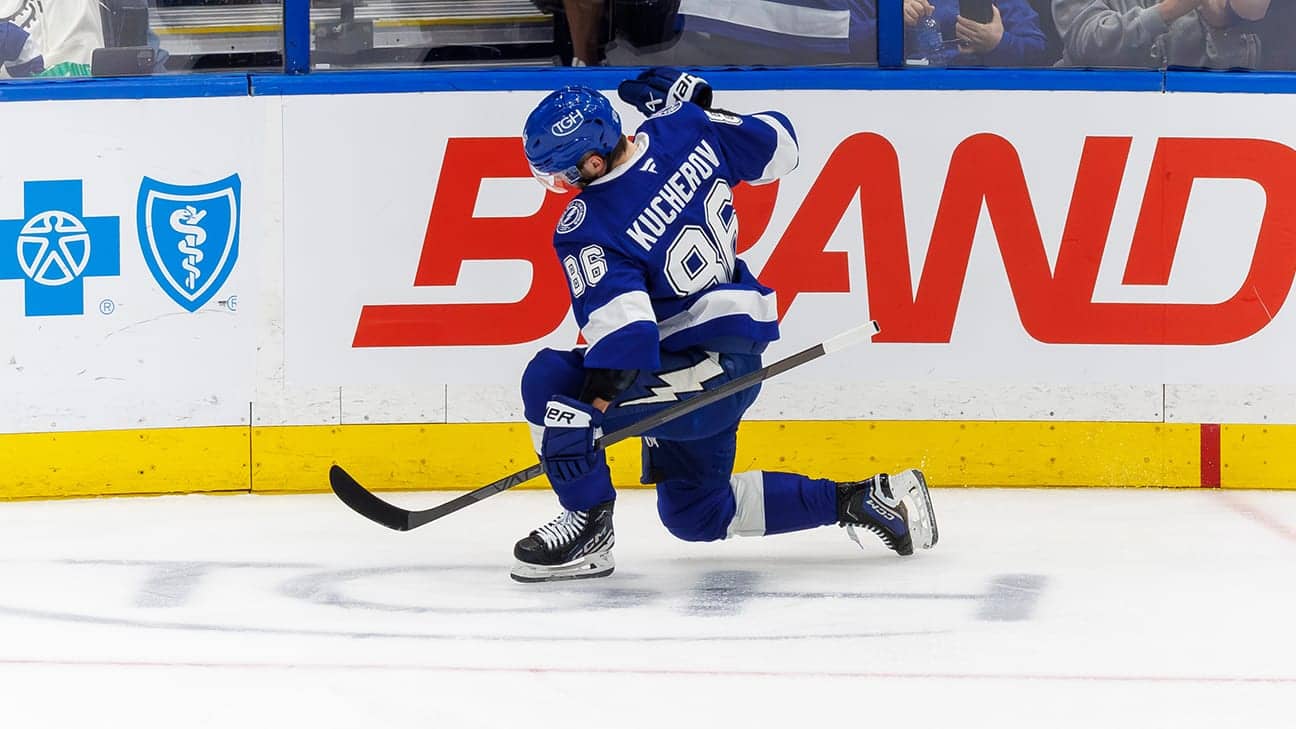
Nikita Kucherov Scores Twice as Lightning Rally From Two Goals Down to Beat Canucks 4-2
2d ago

Lionel Messi Scores Twice, Inter Miami Beats Atlanta United 3-1 to Hold Second in the East
2d ago